AI Is Making Gaming Hardware More Expensive, And The Price Hikes Keep Coming in 2026
By CriticalPixel ·
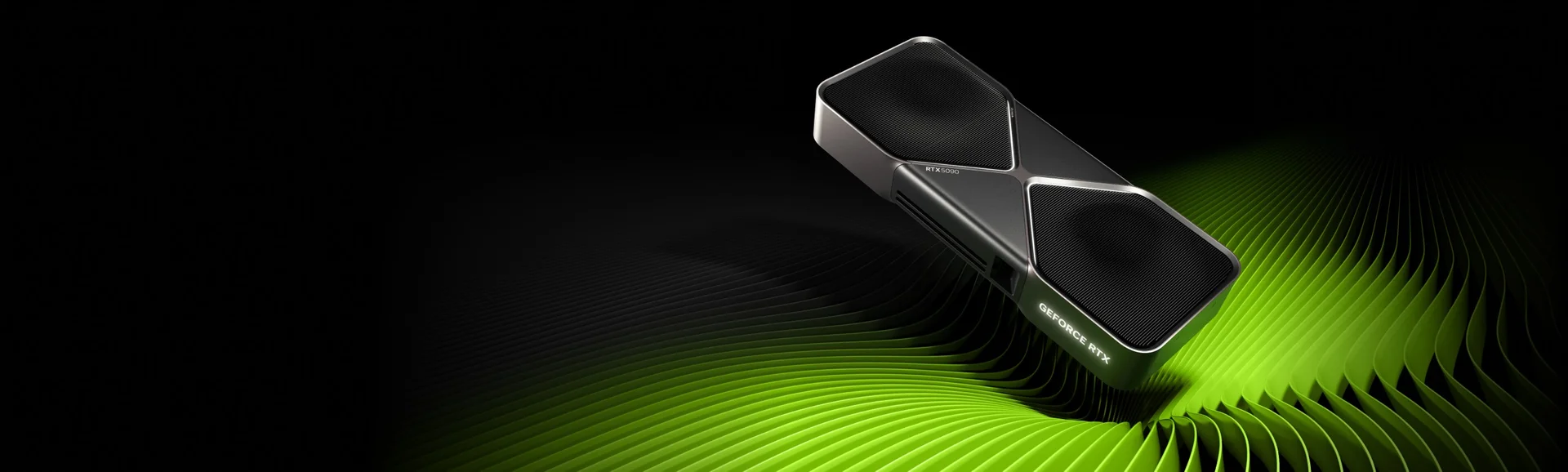
Nine months into the AI-driven RAM shortage and the wallet damage has moved well past early adopter pain. IGN reported on August 1 that both Nvidia and AMD have lifted graphics card prices again in the same week, with Nvidia's third hike of 2026 reaching up to 30 percent on parts that already run north of two thousand dollars. Steam Deck sales are reportedly down 80 percent on the same wave. The PS5 costs more than it did in March. Consoles, GPUs, even your car stereo are being pulled into the same pricing gravity, and it all traces back to memory makers choosing AI data centers over consumer hardware.
It is no longer a single component crisis. Reuters has previously reported that AI companies locked in advance purchase deals with Samsung, Micron, and SK Hynix for memory chips that had not even been fabricated yet. Ars Technica covered how Nvidia's 100-billion-dollar OpenAI non-contract fell through earlier this year. Even after those paper promises evaporated, the memory foundries kept most of their output pointed at data centers. The September 2 memory class action suit, Garcia Aguirre versus Samsung, finally drags the alleged price fixing into court, but as IGN notes, that case will not change retail prices for years, if ever.
Why This Is Different From the Old GPU Crunches
Previous GPU crunches were almost always a one-component story. Crypto miners would clear store shelves of graphics cards, DRAM supply would stay steady, and you could still buy a stick of RAM for the price on the box. The 2026 cycle is structural. SK Hynix, Samsung, and Micron have effectively signed multi-year volume guarantees with the hyperscalers. Nvidia's Blackwell-generation cards like the RTX 5090 were already a 1,999-dollar launch when supply was healthy. After three Nvidia bumps and the parallel AMD Radeon increases, the flagship SKU is pushing toward 2,600 dollars at retail in the United States, before scalping. The Steam Deck OLED, which Valve launched at 549 dollars, is now floating around 749 in most regions per the leaked Valve memo that surfaced last week. None of this is a tariff story. None of it is a paper shortage. It is a deliberate industrial pivot, and gamers are the smallest customer in the new pecking order.
What Gamers Get for the Extra Money
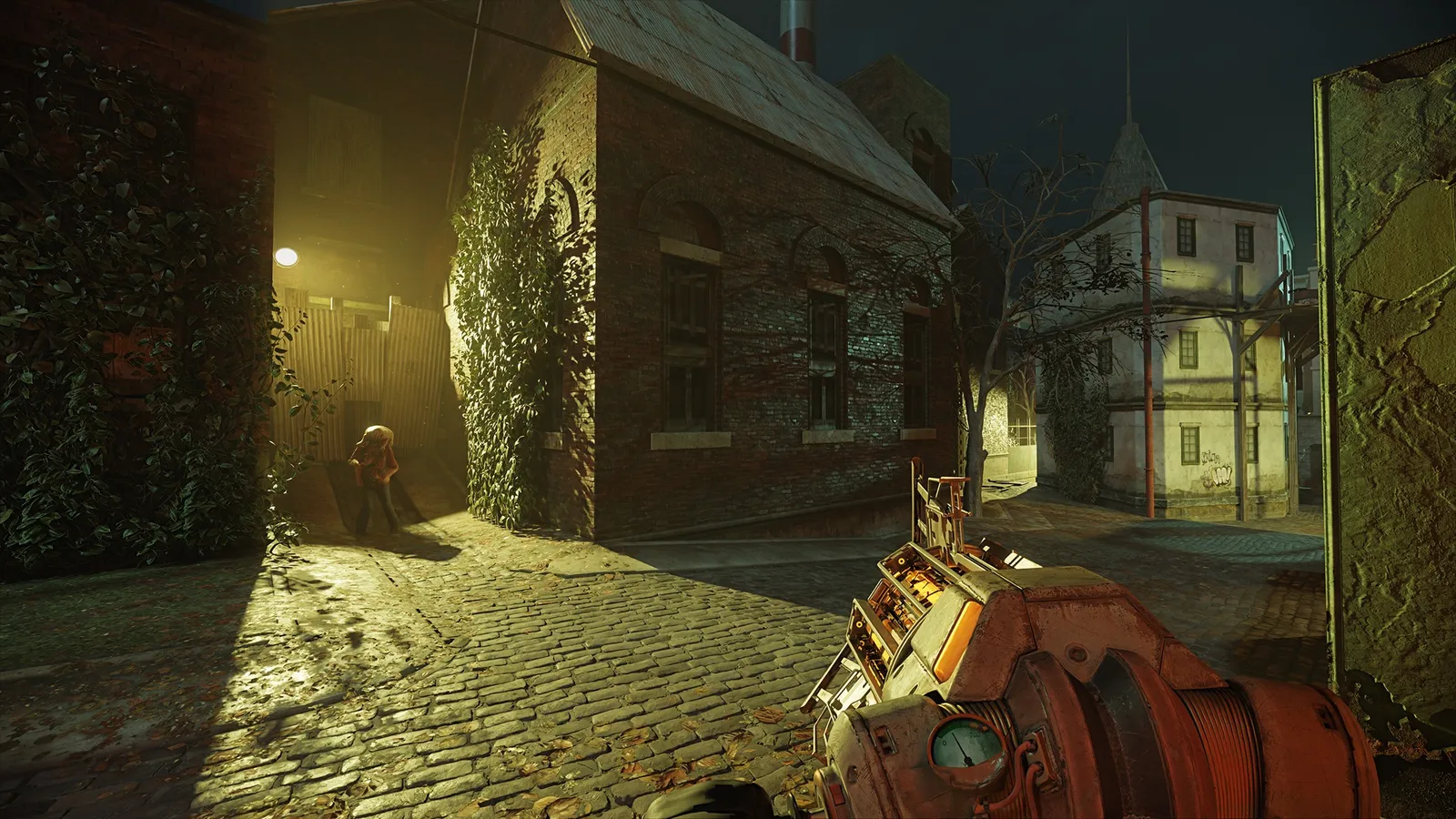
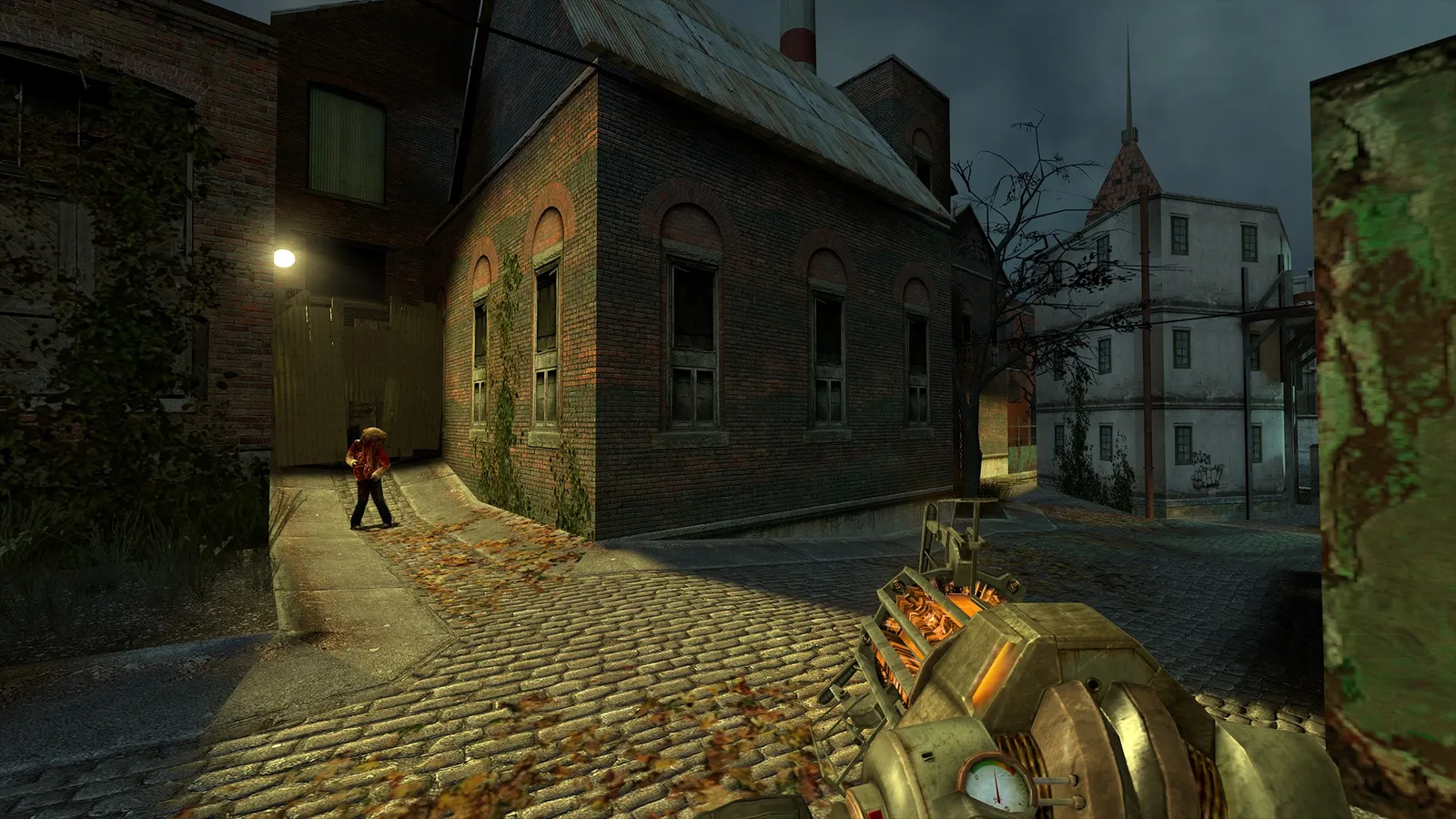
Here is the kicker. The reason the AI arms race is allowed to keep eating memory output is that the same three memory makers are also enabling Nvidia's DLSS 5, AMD's FSR 4, Intel's XeSS, and the generative AI features Microsoft keeps cramming into Xbox. IGN's piece makes the uncomfortable point bluntly: the increased prices from the AI-fueled RAM crisis are basically the cost we are paying for slop features nobody asked for. The RTX 2080 launched DLSS back in 2018 and that was a fair trade. Frame gen on the 4090 was a stretch. DLSS 5 in 2026 is an AI redraw of the final rendered output, which is the entire game looking at itself, deciding what it should look like, and shipping that. Jensen Huang's own GTC demo showed Grace from Resident Evil Requiem looking like a mobile ad character. That tech is why your 5090 now costs another thousand dollars.
Microsoft is barely pretending it is for gamers. Gaming Copilot on the Xbox Ally X barks outdated tips when you press the library button. Square Enix is now beta testing a Google Gemini-powered slime inside Dragon Quest X. Shift Up made a KPop music video for Stellar Blade 2 using fully AI-generated footage of Eve and the developer team is showing up in shots with the synthetic character. None of these are selling more hardware. They are selling the AI narrative to the people funding the memory pipeline, and the gamer is paying the difference at the register.
Community Reaction Across the Pipeline
Reader comments on the IGN piece skew openly hostile. The top reply reads 'I bought my 4090 two years ago and I'm not upgrading, full stop.' Another calls out that DLSS 5 'looks like a phone game filter on a 2,000 dollar card.' A third wonders why Sony would not just lower the PS5 price back to 399 now that RAM is allegedly secured through March 2027, and that one has not aged well, because Sony just confirmed PS5 production stays at the higher FY26 number. The Kotaku piece on the Stellar Blade 2 music video pulled 1,800 hostile quote-retweets in twelve hours. Thea Harrison summed up the mood with 'they really thought they were cooking with this AI slop,' and that gets the general sentiment. There is no pro-AI-hardware rally here. The response is fatigue, distrust, and a stubborn decision to stop buying.
The Bigger Picture
What we are watching is the largest quiet transfer of consumer hardware margins in PC gaming history. The same silicon that powered the Steam Deck, the PS5, and budget 5060-series cards is being rerouted to AI training clusters run by OpenAI, Anthropic, and Google. Nvidia's Q1 data center revenue crossed 30 billion dollars. Memory makers are signing seven-year supply deals. The class action might one day return a few dollars per consumer. It will not return a 1,400-dollar GPU. The only real consumer-side pressure valve right now is simply not buying, which is what an ever-growing chunk of the PC gaming community is already doing. Critical Pixel's take: if you skipped this generation you bought right. Hold the line on the 4090, the 7800 XT, even the Steam Deck LCD if your library is not 90 Hz hungry. None of this price pain is yours to absorb on someone else's AI timeline.