Amazon Games Confirms Tomb Raider: Catalyst Delayed to 2028 as Crystal Dynamics Adds Another Year of Silence
By CriticalPixel ·
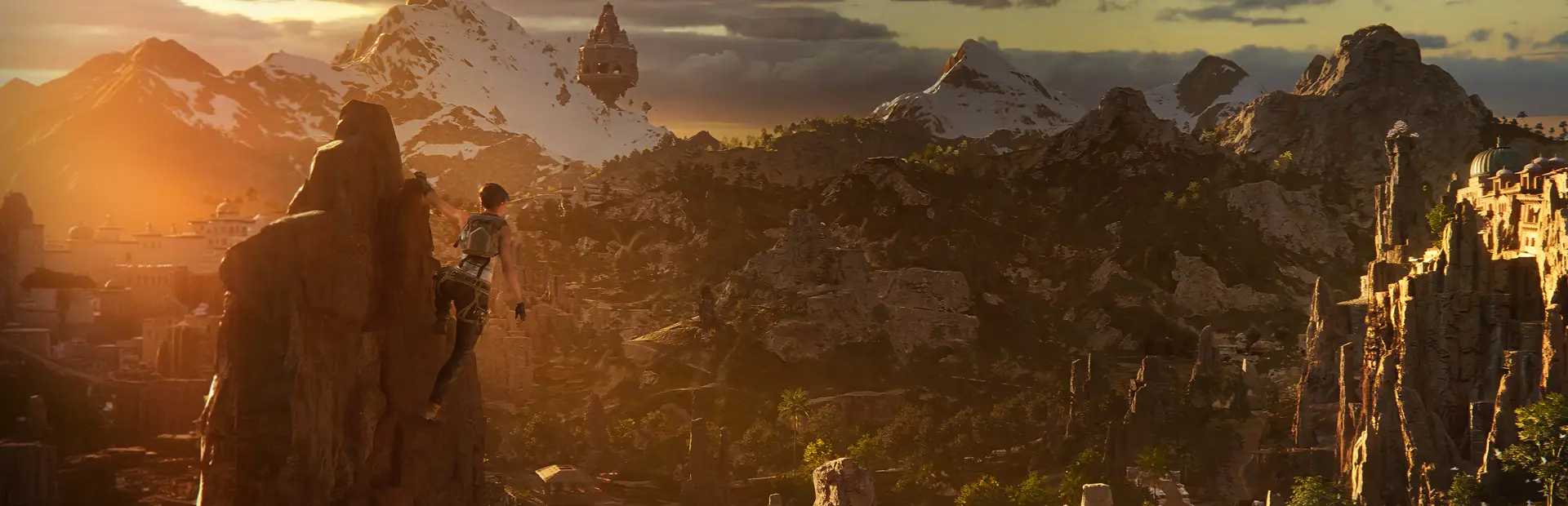
Lara Croft is going to be late. Amazon Games has finally confirmed what the rumor mill has been hinting at for weeks: Tomb Raider: Catalyst, the next-gen Unreal Engine 5 mainline game from Crystal Dynamics, is officially pushed from 2027 to 2028. The confirmation came not through a slick press release but during a video interview between Amazon games boss Jeffrey Gattis and The Game Business. There is no firm launch window inside 2028, no day, no month, no quarter, just a calendar slot and a shrug. Coming on the heels of Legacy of Atlantis being pushed to February 12, 2027, this is now the second Crystal Dynamics Tomb Raider in a row to miss its original release year.

What Amazon actually said
Gattis sat down with The Game Business to talk about Amazon Luna, the cloud streaming service Amazon is trying to position as the home for live service games, and Catalyst slipped into the conversation like an afterthought. Atlantis comes February 12 of next year, and then we will follow on in 2028 with the next one, Gattis said, almost in passing. That one sentence is now the official launch confirmation. No trailer refresh, no dev diary, no blog post on the Crystal Dynamics site, just an offhand line buried in a streaming strategy chat. Amazon Games is the publisher, so the words carry weight, but the delivery is wild for a marquee franchise from a tier-1 publisher that just spent the better part of a year telling everyone the franchise was a top priority.
The Crystal Dynamics bloodbath
The delay lands on a studio that has had a brutal twelve months. In March 2026, Crystal Dynamics went through its fourth redundancy round in twelve months, a pace of cuts that would have been unthinkable a decade ago. The studio is owned by Embracer Group, which has been on a slow, public downsizing ever since the Saudi-backed Savvy Games deal collapsed in 2023. Crystal Dynamics kept insisting publicly that the Lara Croft franchise remains fully committed, but four layoff rounds is a message louder than any prepared statement. Catalyst is also an Unreal Engine 5 project, the first mainline Tomb Raider built on Epic's flagship engine, which carries its own well-known production overhead for any team that has not shipped on UE5 before at this scale.

Legacy of Atlantis gets the new Lara first
The first taste of the new era will be Tomb Raider: Legacy of Atlantis on February 12, 2027, also published by Amazon Games and also built on Unreal Engine 5. It was originally dated for 2026 before sliding a full year, a delay that quietly signalled Catalyst would not hold its 2027 slot either. Legacy of Atlantis is a reimagining of the original 1996 Tomb Raider, and Alix Wilton Regan voices Lara Croft in both games, replacing Camilla Luddington, who carried the role across the Survivor Trilogy. The early 2027 release of Legacy of Atlantis is now a real test, since it will tell fans whether Crystal Dynamics can ship a modern Tomb Raider at all, before the bigger, more ambitious Catalyst lands a year later.
How fans took the news
Reaction on X was, predictably, mostly resigned. On the IGN tweet confirming the 2028 push, the top replies are a string of had it and called it energy, with one fan writing so Lara Croft is busy learning Atlantis Wi-Fi password. Another took a sharp turn into the bigger industry story, guessing this will not be having any physical disks, a reference to Sony's recently announced 2028 cutoff for new PS5 disc production. Across gaming press coverage, the tone was similar, the kind of collective shrug that follows a delay everyone could see coming. There was no outrage, no organized campaign, just the dull acceptance of another triple-A game quietly sliding another twelve months down the calendar.
The bigger picture: a 2028 stack
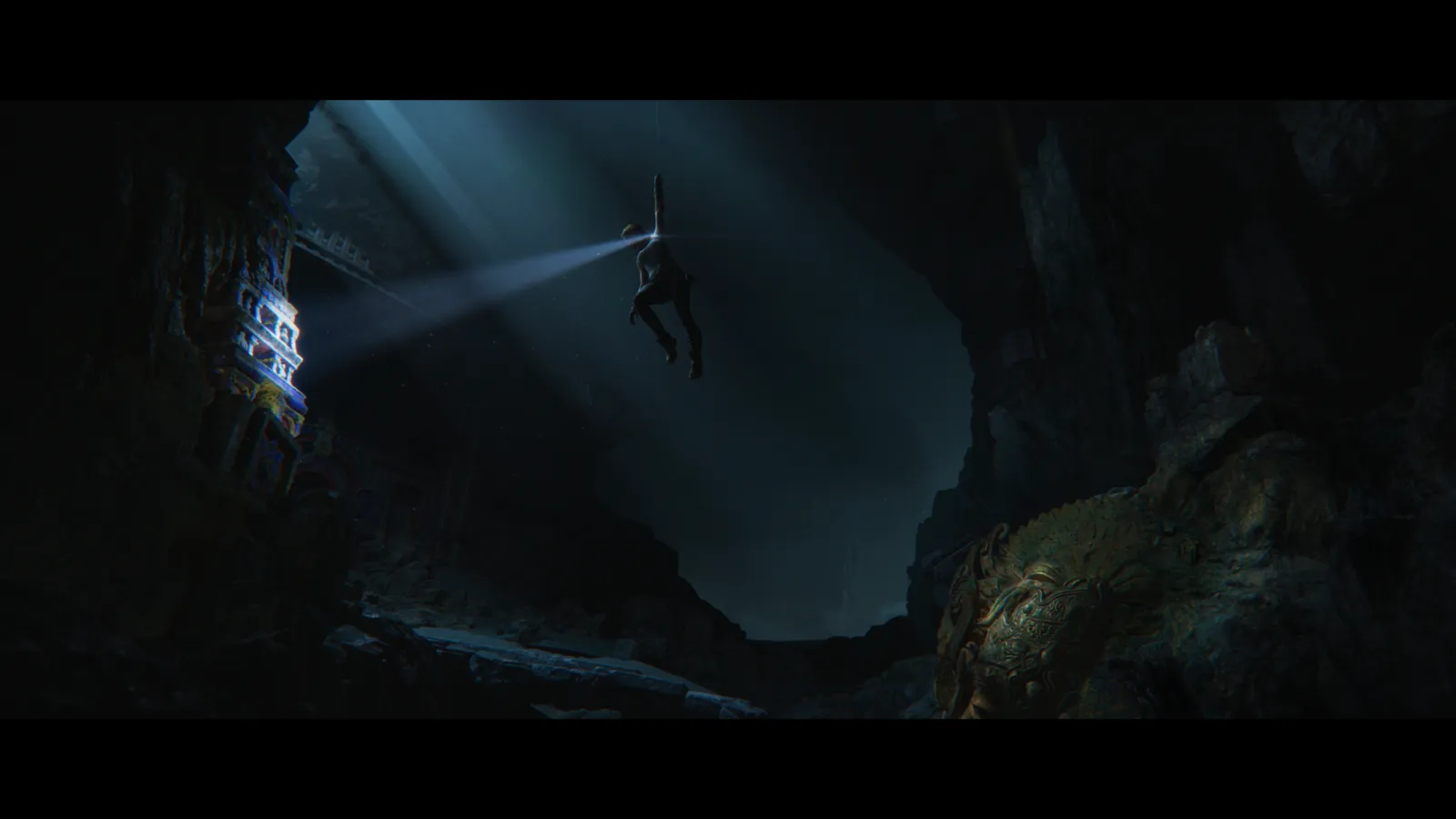
Catalyst now joins a 2028 slate that already looks heavy with carries. Sony first-party lineup is filling up, the next Elder Scrolls is supposedly still two to three years out, and every other major publisher has its own internal roadmaps bunched into the same calendar. For Lara Croft specifically, the timeline is brutal. It has been seven years since Shadow of the Tomb Raider, the Survivor Trilogy closed in 2018, and Crystal Dynamics has spent the years since then mostly in management turmoil. To go from a 2026 / 2027 double launch to a 2027 / 2028 double launch is to push the franchise restart by another full year, and Amazon Games, as publisher, is now on the hook for whether either game actually ships on time.
CriticalPixel take
Here is the thing nobody wants to say out loud: a delay this big this late is usually a feature, not a bug, of how modern AAA gets made. Crystal Dynamics has had layoffs, engine migrations, and a publisher transition in the same window, and shipping Catalyst in 2027 would have required a small miracle. Amazon Games picking up publishing duties is the more interesting story than the delay itself, since Amazon is now the party that decides whether this franchise has a future. If Legacy of Atlantis lands clean in February 2027, the 2028 Catalyst date becomes plausible. If Atlantis slips, expect another twelve months on top, and at that point you are looking at a brand new Tomb Raider that nobody under twenty has actually played in their lifetime.
For now, Lara Croft fans get to keep the 2027 / 2028 dual-launch shape, just one year further out than planned. Crystal Dynamics gets another year of silence to answer for. Amazon Games gets the awkward job of looking like the calm adult in the room while the studio it is publishing burns through its fourth layoff cycle. The 2028 launch is the real deadline, and it is one Crystal Dynamics cannot afford to miss, because a second delay would write the franchise off for another console generation.