Arika Director Akira Kurabayashi, the Programmer Behind Street Fighter EX and Tetris 99, Dies at 56
By CriticalPixel ·

Arika published the kind of notice no studio wants to write on November 17. Director and software development chief Akira Kurabayashi died on November 14, the company said, from heart failure. He was 56. Arika president Akira Nishitani signed the statement himself, which tells you how much weight the studio put on the man. There is no corporate distance in the wording, no bullet points about business continuity and no attempt to frame it as a transition.
What Arika Said
The post on Arika's site lists the work, and the list reads like a tour through three decades of Japanese arcade history. Darius Gaiden in 1994 as lead programmer. Fighters' Impact in 1996. The Street Fighter EX series from 1996 onward. Tetris: The Grand Master in 1998. Fighting Layer the same year. Everblue in 2001. The Endless Ocean games in 2007 and 2009. Fighting EX Layer from 2018. Tetris 99 in 2019 and PAC-MAN 99 in 2021. Kotaku reported the death and carried Nishitani's line about losing a colleague who created numerous works with the studio over many years.
Here is the part that matters more than the list. Arika is not a giant. When a director at a studio of that size dies, the studio loses a working engineer, not just a name on a masthead. Kurabayashi was head of software development, which at Arika means the person who set the technical bar for everyone else's code. Time Extension noted that he joined the studio in 1996 and worked as programmer, designer and occasional project lead. Those are three different jobs at most companies, and he carried all three across a catalogue that jumps from fighters to diving games to puzzle battle royales.
From Taito to Arika
Kurabayashi came up at Taito, where he worked under the handle Kurabar on Darius Gaiden, Fighters' Impact and Elevator Action Returns, according to Time Extension. In 1995, Capcom veterans Nishitani and Akira Yasuda founded Arika, a studio name that riffed on the number of staff named Akira before Kurabayashi even arrived, as Kotaku put it. He joined a year later and stayed for the rest of his career. That kind of single studio run is close to extinct now, when leads hop between four teams in a decade and every shipped game comes with a contractor list longer than its credits scroll.
The Joke That Turned Into a Fighting Game
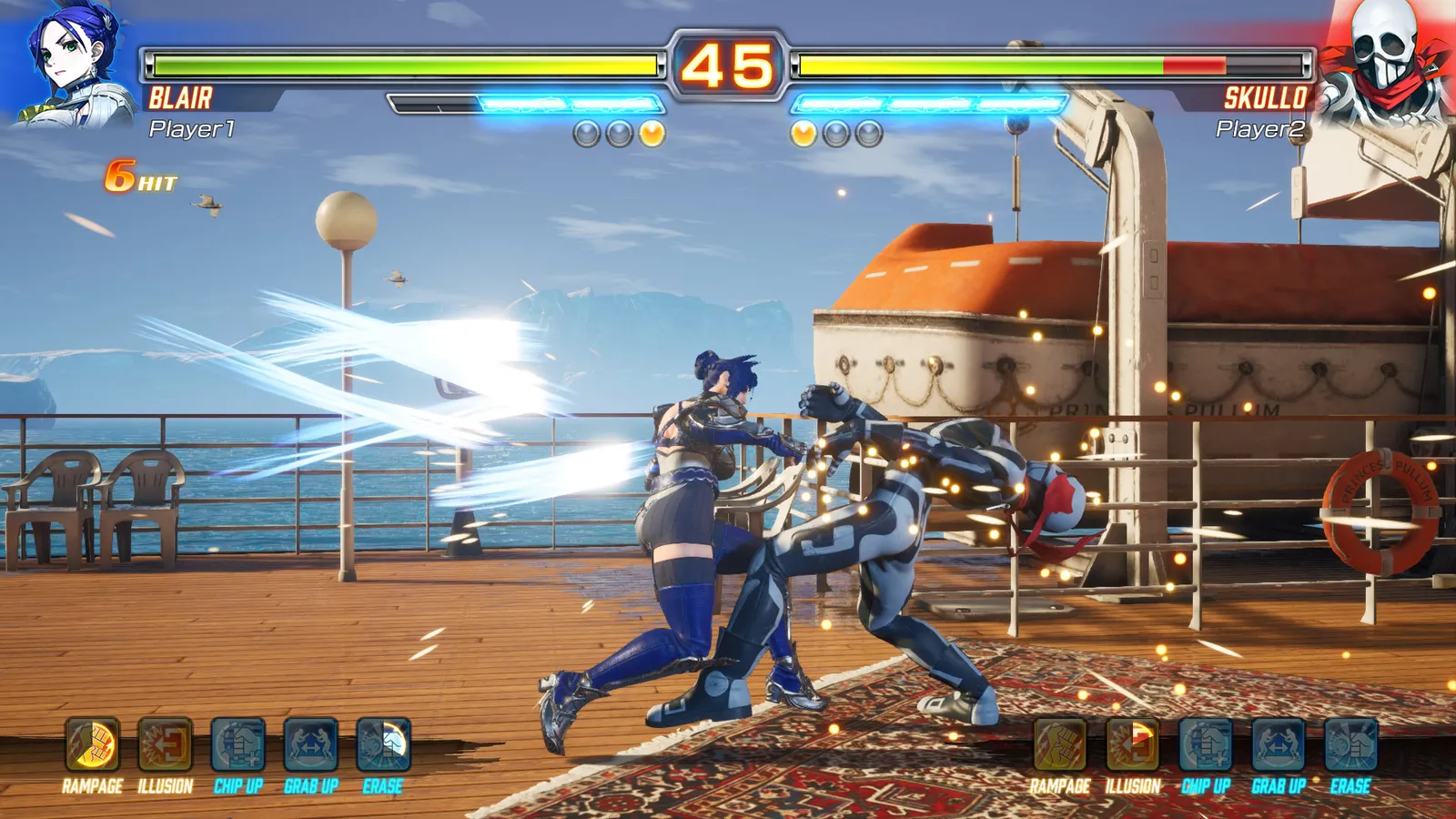
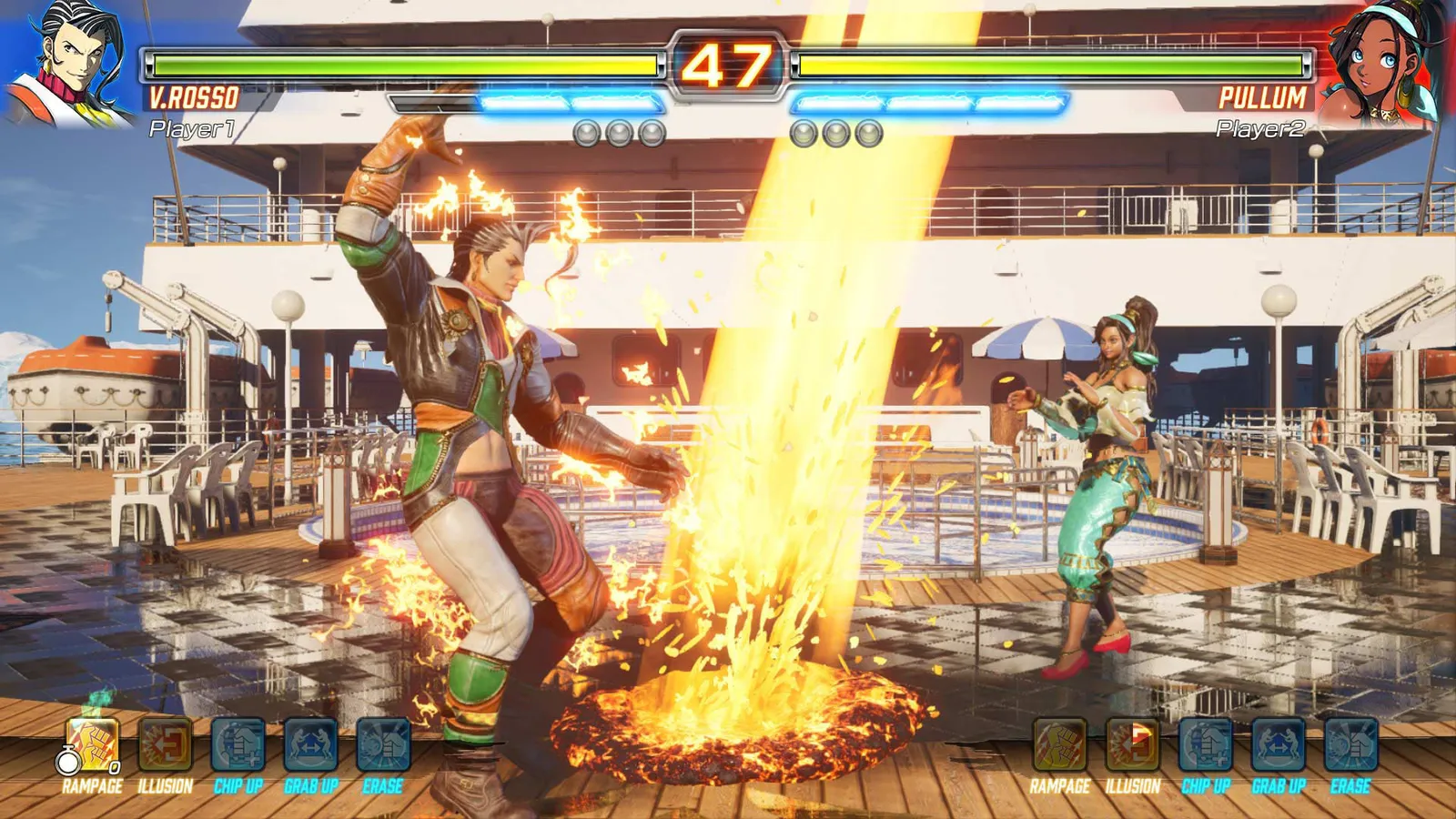
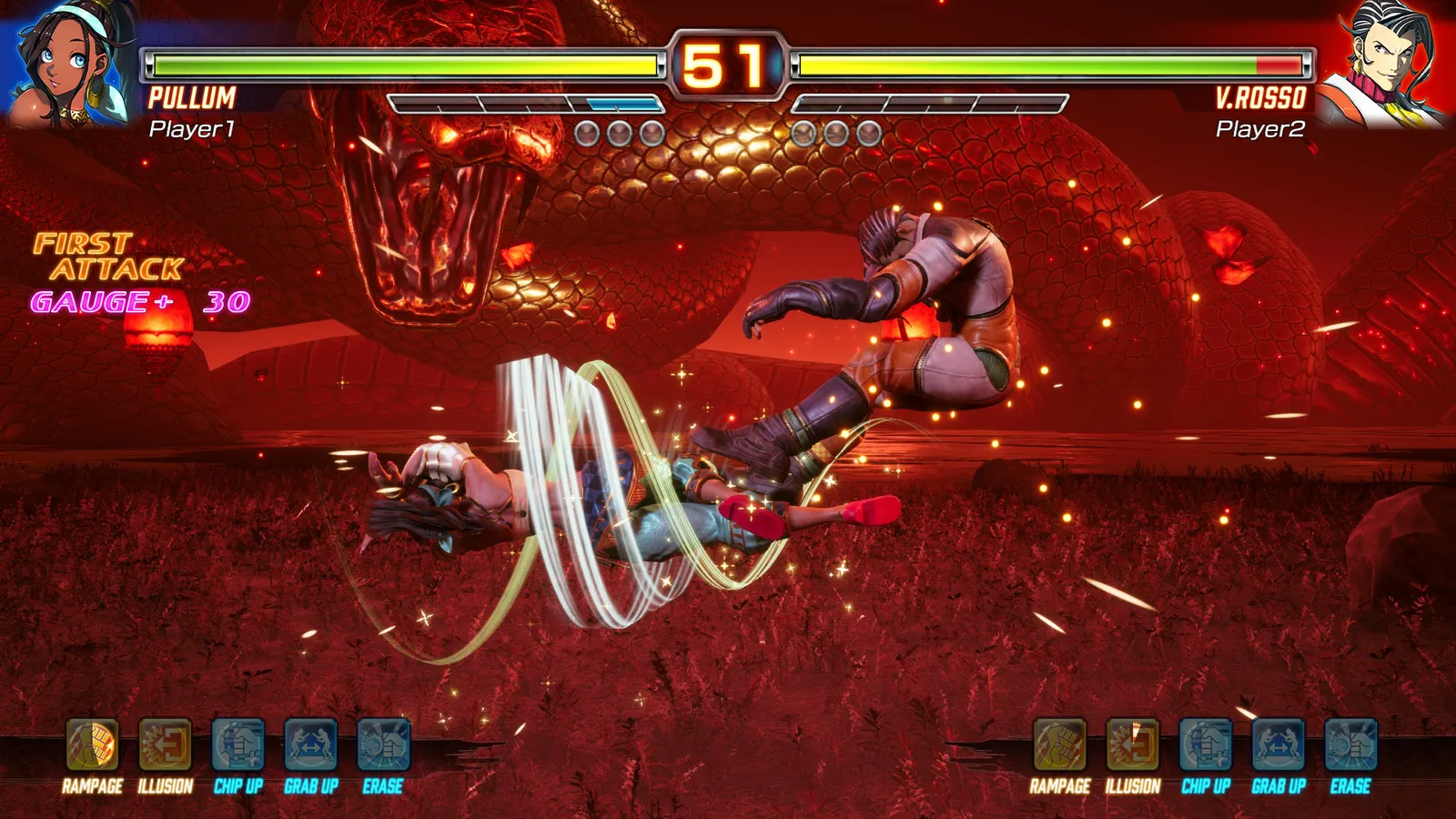
Fighting EX Layer is the project that shows how the studio worked. It began as an April Fools trailer in 2017, a goof that assumed nobody would seriously ask for more Street Fighter EX. Fans asked anyway. Arika built the game, kept the EX cast where it could, and even got Fatal Fury's Terry Bogard in as a guest, as Rock Paper Shotgun's writeup notes. The result is a 2.5D fighter with the Gougi deck system stacked on top of normal combos and supers, which is either the best or worst idea in the genre depending on who you ask. It is still on Steam if you want to see what the argument is about.
Tetris 99 Is the One Most People Know
For a younger crowd, Kurabayashi is the Tetris 99 guy. The battle royale puzzler landed on Switch in 2019 and turned a 40 line marathon into a 99 player panic attack, and PAC-MAN 99 followed in 2021 as the same trick with a different arcade cabinet. Before either of them, he worked on Tetris: The Grand Master in 1998, the arcade version that the competitive Tetris scene still treats as the reference point. Time Extension called it a benchmark among the community, and that is not press release flattery. TGM players argue about its gravity tables the way fighting game players argue about frame data, with spreadsheets and grudges.
The Diving Games Were His
Kotaku notes that Kurabayashi was an enthusiast for diving, and it shows in the strangest corner of his catalogue. He started with Everblue in 2001 and kept going through the Endless Ocean series, games about drifting through open water with a camera and a limited air supply. Those titles never sold like Tetris 99 and never got the arcade crowd's respect, but they are the clearest fingerprint of a specific person inside a corporate catalogue. Very few developers get to make three games about their own hobby at a publisher's expense, and fewer still make them calm instead of loud.
The Reaction Is Quiet
The tributes are coming from the retro and fighting game press, not from a mass outpouring. Kotaku's post had no comments when this was written, Rock Paper Shotgun's had one, and the replies on the aggregator posts are a handful of people who remember Skullomania and Pullum from a PlayStation disc. A limited reaction is the honest read, not indifference. The audience for a 1998 arcade Tetris revision and a 2018 Gougi fighter is a specific one, it is aging, and it showed up in the places it lives rather than on a timeline. Nishitani's statement is doing most of the mourning here, and it is more specific than most studio notices ever get.
CriticalPixel Take
The industry keeps writing postmortems for the wrong people. Kurabayashi never gave a keynote, never showed up in a trailer, and his name is not going to trend next to a console launch. What he did was ship code that held up. A shmup that shoot em up fans still use as a reference. A Tetris revision that competitive players still grind. A fighter that exists because fans yelled loud enough at an April Fools video. Arika says it will carry on the skills, experience and attitude he left behind, and that line is the only part of these notices that can be checked later, when the next game ships and someone has to hold the standard without him.
What Happens Now
Arika says a memorial service is being arranged with Kurabayashi's family, and that friends and associates will be contacted separately. The company did not name a replacement for his board seat or his software development role in the announcement, and nobody should expect a fast answer on that. For now the catalogue is the record. Three decades of games, most of them built for arcades and consoles that no longer exist, all of them still playable if you know where to look and still worth an evening if you want to understand what a studio engineer actually does.
Sources
Kotaku: Akira Kurabayashi dies at 56
Rock Paper Shotgun: Arika director passes away