Atari's E.T. Designer Howard Scott Warshaw Says AI Games Repeat 1983, and No Crash Is Coming
By CriticalPixel ·
Howard Scott Warshaw designed E.T. the Extra-Terrestrial for the Atari 2600 in a matter of weeks so Atari could have a movie tie-in under Christmas trees in 1982. The cartridge became the industry's favorite punchline, unsold copies ended up buried in a New Mexico landfill, and he has been introduced as the man who killed Atari ever since. He also designed Yars' Revenge and Raiders of the Lost Ark, and he eventually left games to work as a psychotherapist. Last week he stood in front of a room of developers at DevGAMM Lisbon and told them the flood they are drowning in now looks a lot like the one that took his industry apart.
The talk was called From Atari to AI, and the argument is blunt. AI coding tools collapse production time, so far more games get made, and most of them are bad. GamesIndustry.biz was in the room and quoted him saying the 1983 crash happened because the machine opened up and anybody could just pop a game out, which left the good games overshadowed by a glut of crap. His read on generative tools is that they will have the same impact on a larger scale, because so many more people can make a game now. Then the line that will get screenshotted: most games suck, that is just the way it is. That is not a sneer from someone who never shipped anything. It is a shipping schedule talking.
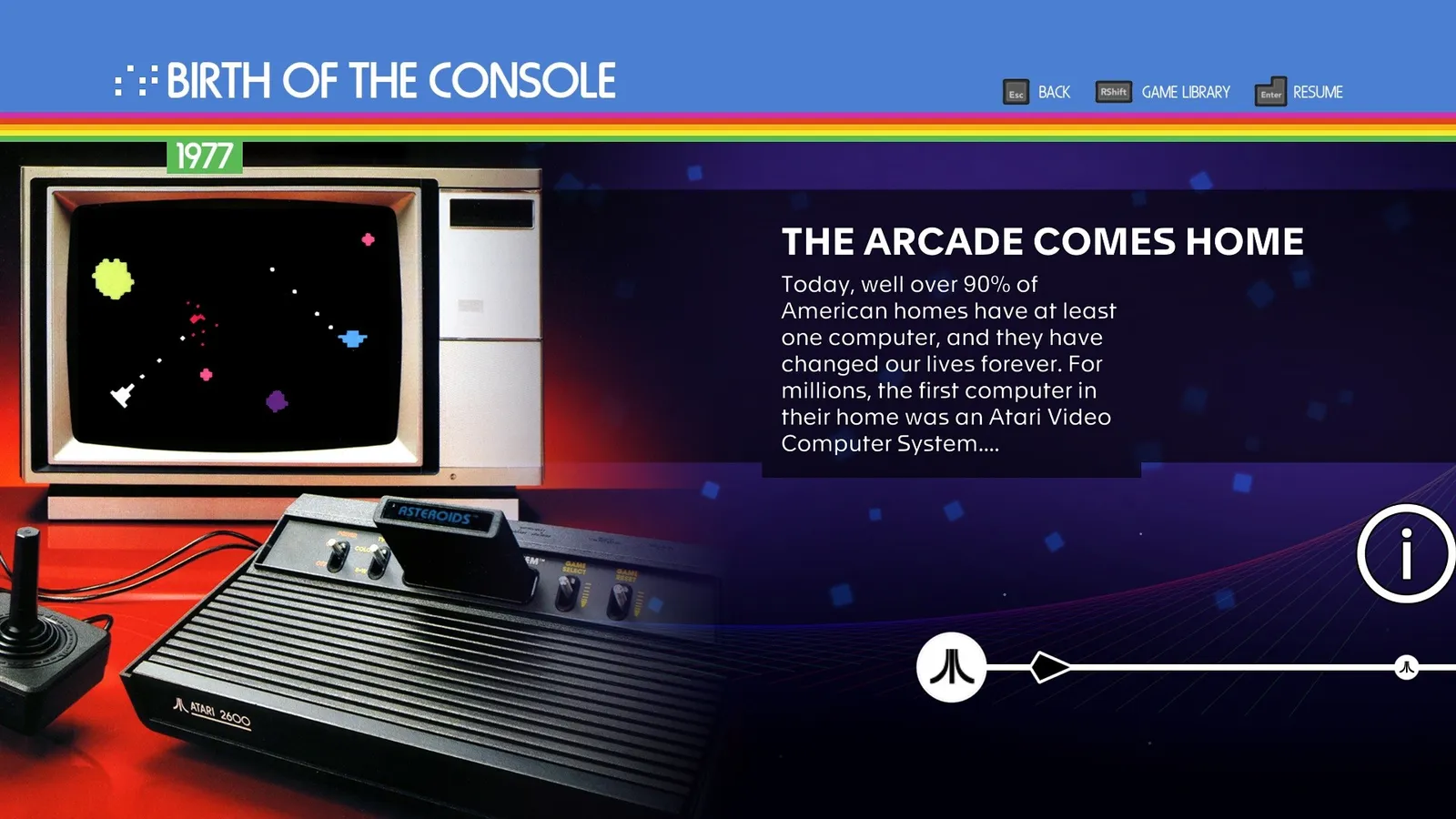
The history is uglier than the punchline suggests. GamesIndustry.biz notes that US game industry revenue fell from more than $3 billion in 1983 to roughly $100 million in 1985, and E.T. is still cited as one of the factors in that collapse. Warshaw wrote a book about it in 2020 called Once Upon Atari: How I Made History by Killing an Industry, which is a title you only get to use once. His better work survived the wreck, and Yars' Revenge is still sitting in Atari 50: The Anniversary Celebration on Steam today. The DevGAMM Lisbon 2026 conference put him on stage at the Carlos Lopes Pavilion on November 17 and 18, in a hall showcasing more than 100 games, which is a fine bit of irony for a talk about too many games.
The glut is measurable this time
Two things are different in 2026. Games never turned out to be a fad, which is the reason Warshaw says he does not see a crash coming. The other difference is that the flood can be counted. At a panel at the AI and Games Conference in London, Transcend Fund principal Lirui Ding said the number of games released on Steam in October roughly doubled against the same month a year earlier, while the count of games clearing 500 Steam reviews stayed about flat. Raw Fury's James Barnes added that games media has shrunk by a quarter to a third in three or four years. More games, fewer people telling you which ones are worth your evening.
Valve is not pretending otherwise. PC Gamer notes that the company has admitted Steam has an AI slop and cloning problem while insisting it does not want to be a gatekeeper telling developers which tools they can use, and that its approval queue has fallen behind because submissions keep bouncing back for another look. That is the crisis in one sentence. A store that refuses to judge quality still has to rank it, and ranking twice as many releases with the same front page is how you end up with a shop that feels like a landfill with a search bar.
Not everyone on that panel was mourning. Ding said the real potential is AI native games, experiences that could not exist before, and Warshaw made a similar point from the other side of the argument. The same tools that let a thousand clones bloom also let someone with a strange idea and no budget actually build the thing. Both of those are true at once. The problem is that storefronts have no way to surface the second while burying the first, so the ratio decides what players see. A market where the good and the garbage arrive at the same speed rewards whoever buys the most ad space.
What the replies actually say
Reaction online has been thin and mostly quote sharing. PC Gamer's post of the story pulled a small set of replies, and the sharpest one argued that the AI label on Steam should spell out what the AI actually did, since code assistance and a fully generated game are not the same product. A few aggregator accounts reposted the glut of crap line with a question mark bolted on. Nobody is out here defending the slop. Nobody has a plan for it either. That is what a real problem looks like on this website: broad agreement, then silence.
The CriticalPixel take
Warshaw's answer is filters, and he is right that the industry needs them. He told the room the new challenge is finding a way to winnow out the crap and get to the good games, and that he expects a reorganisation rather than a collapse. That beats the doom posting, but it skips the expensive part. Filters cost money, and the companies profiting from volume have no reason to fund them. Valve's AI disclosure is a checkbox that says a tool was involved, not whether a human designed anything. Storefront ranking runs on wishlists and tags that AI farms already know how to game. The reorganisation he wants has to be built by the same storefronts that make money from the pile.
Warshaw shipped a bad game on a brutal deadline and has spent four decades hearing about it, which makes him one of the few people in this argument who knows what the inside of the problem looks like. E.T. cartridges got dug out of the ground years later and sold as a joke, and that is more dignity than most of this month's releases will ever see. The studios feeding the store right now are not villains with a plan. They are a workflow with a store page. The filters will not build themselves, and the crash he says is not coming is not the thing to worry about anyway.
Sources
GamesIndustry.biz: E.T. creator on the AI game glut and the 1983 crash
PC Gamer: E.T. designer likens AI games to the pre crash glut
GamesIndustry.biz: investor panel on AI copycats and discoverability
DevGAMM Lisbon 2026 official conference site