Bandai Namco and Monolith Soft Assisted on Zelda: Ocarina of Time Switch 2 Remake
By CriticalPixel ·
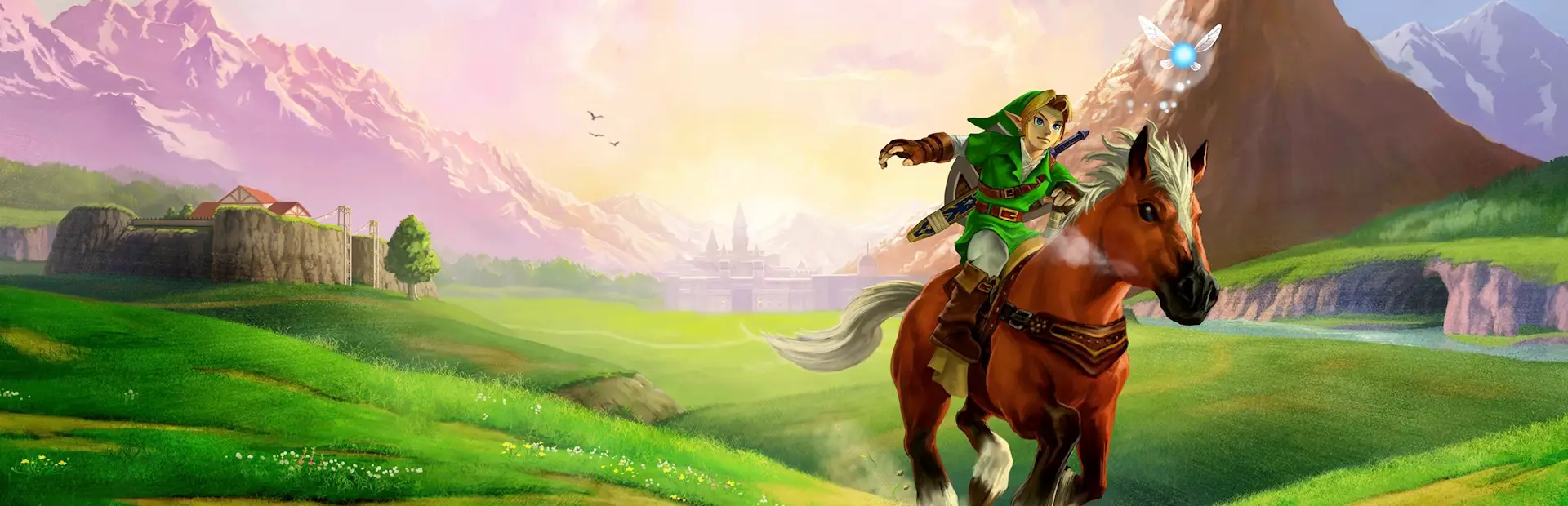
When Nintendo rolled out The Legend of Zelda: Ocarina of Time on Nintendo Switch 2 last week on November 5, 2026, longtime fans immediately noticed how clean the modernized Hyrule looked and moved. Now that the first wave of players has cleared Ganon and watched the end scroll, the secret behind that visual fidelity is out in the open. Credits rolling on the new hardware feature special thanks and production billing for two legendary external development houses: Monolith Soft and Bandai Namco Studios. A fresh Eurogamer report on the credits highlights that both teams provided heavy technical and artistic backing to realize the ambition of rebuilding Hyrule from scratch for next-generation silicon. Instead of relying solely on an internal skeleton crew, Nintendo reached across the industry to pull in seasoned talent.
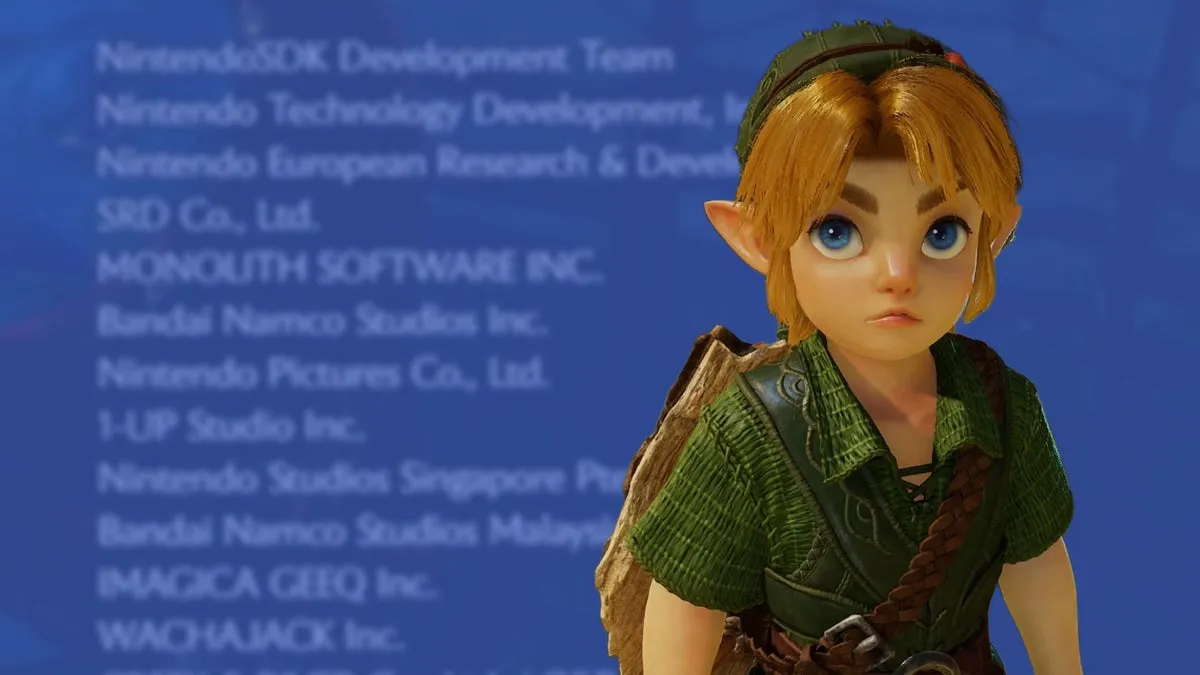
Official Confirmation Confirms Major Art and Cutscene Scope
This is not a token advisory role or a distant management nod. Bandai Namco Studios published an official production statement detailing the exact work assigned to their teams. The Japanese release confirms that Bandai Namco was directly commissioned to produce critical visual assets, character models, terrain geometry, character animations, cinematic cutscenes, and interface elements for the launch title. That breadth touches practically every interactive layer a player encounters across the adventure, from Kokiri Forest to the Temple of Time. Having a veteran combat and animation house refine Link sword swings and enemy telegraphs gives the remake an unmistakable mechanical sharpness.
Monolith Soft contributed alongside them with their signature environmental craft. While Nintendo internal leads directed the remake, Monolith Soft brought the world-building muscle that previously powered the vast geographies of Xenoblade Chronicles, Breath of the Wild, and Tears of the Kingdom. Having veterans of massive open topography handle Hyrule Field ensures that the scale feels expansive without sacrificing the tight pacing of the original Nintendo 64 dungeons. Rolling green meadows now stretch out with subtle elevation changes, natural rock formations, and ambient lighting that honors the mood of 1998 while leveraging modern compute shaders. It turns out that when Nintendo decides to rebuild one of the most revered games in industry history, they call in the heaviest cavalry in Tokyo and Kyoto.
Nintendo and Bandai Namco Deepen a Decade of Quiet Collaboration
For industry watchers who follow Japanese studio pipelines, Bandai Namco appearing in a high-profile Zelda project is not completely out of left field. The publisher has maintained dedicated internal groups, specifically Studio 2 and Studio S, that operate as specialized workhorses on Nintendo first-party productions. Their collaborative portfolio stretches back to Mario Kart 8 in 2012, running through Super Smash Bros. Ultimate, Metroid Prime 4, and recent Switch 2 projects like Mario Kart World and Splatoon Raiders. These teams specialize in high-throughput asset pipelines and engine optimization, making them ideal partners when a project demands hundreds of bespoke character models and environmental props on a tight hardware launch schedule.
Nintendo solidified that working relationship even further late last year. A formal corporate acquisition filing revealed that Nintendo purchased Bandai Namco Studios Singapore outright in late 2025, rebranding the outfit as Nintendo Studios Singapore to lock down dedicated engineering capacity. That ongoing investment in shared resources shows how Nintendo avoids development bottlenecks while delivering premium remakes. Instead of overloading internal teams already occupied with brand-new tentpoles, they plug seasoned external units directly into the core production. The strategy keeps core Nintendo directors in the driver seat while offloading heavy technical lifting to trusted veterans.
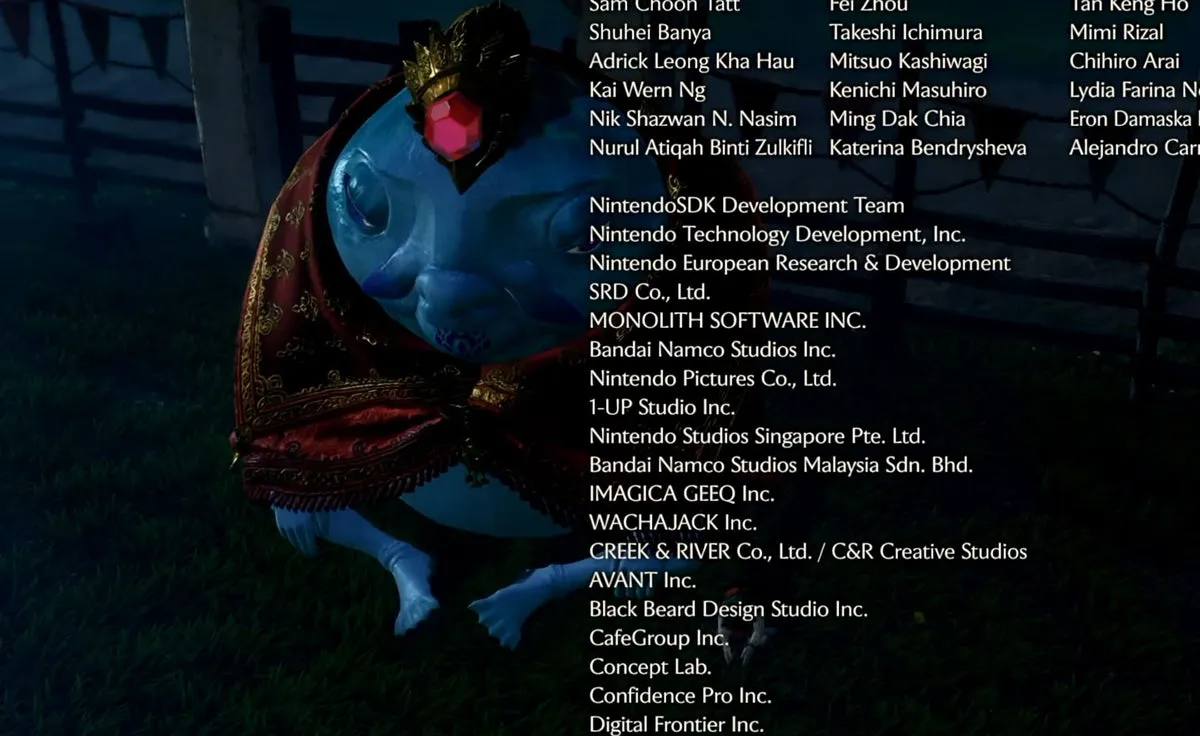
Early Reaction and Why the Collaboration Makes Sense
Because the credits discoveries surfaced mere hours ago across social channels, community reaction remains limited in scale. However, initial chatter among enthusiasts has been overwhelmingly appreciative rather than skeptical. Early sentiment on platforms like the Eurogamer social update underlines relief that Nintendo did not outsource such a delicate classic to a random contract vendor with zero prestige credentials. Entrusting Link to teams that understand fluid action and world geometry provides instant reassurance to players who grew up guarding their childhood memories of the Deku Tree. Discussions across enthusiast boards highlight how Monolith Soft touch on Hyrule topography prevents the overworld from feeling like an empty dated relic.
Critics have echoed that sentiment across launch evaluations. An enthusiastic Eurogamer review of the remake awarded the title top marks last week, praising its vibrant balance of sacred respect and modern technical clarity. Knowing that Monolith Soft refined the terrain and Bandai Namco polished the swordplay animations retroactively explains why combat encounters with Stalfos feel snappier than ever while retaining classic timing. The resulting package avoids the uncanny valley that so often ruins ground-up remakes of beloved polygonal landmarks. Boss arenas like Volvagia and Morpha boast fluid particle physics that add visual spectacle without muddying up attack patterns or hitboxes.
Dataminers Uncover Master Quest Mode on the Horizon
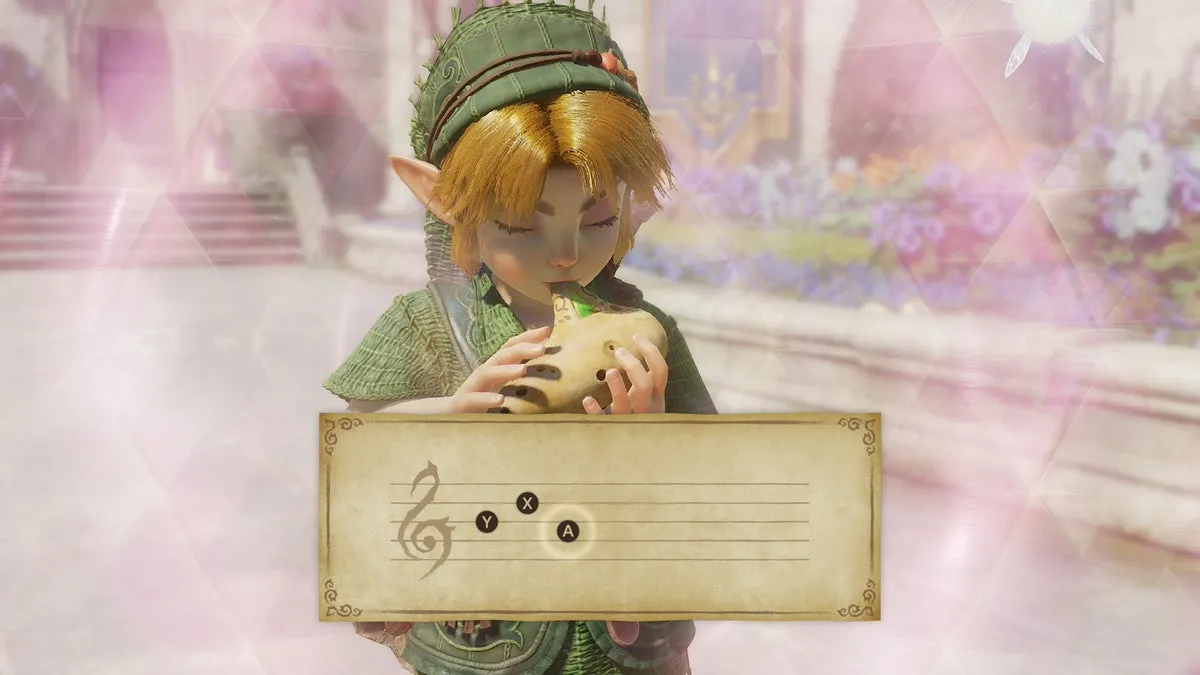
The revelation of these high-profile support teams arrives alongside another tantalizing discovery for completionists. Dataminers digging through the game files on Switch 2 have located explicit code references to Master Quest, the notoriously punishing dungeon remix that originally debuted on the Nintendo 64DD and GameCube. While Nintendo has not yet opened pre-orders or announced an expansion timeline, the file hooks suggest a future update or downloadable content drop is already baked into the architectural roadmap. Having Bandai Namco and Monolith Soft on call means any subsequent dungeon alterations or mirrored puzzle layouts will receive the same high-caliber polish.
For players currently working their way through Death Mountain and the Water Temple, knowing that Monolith Soft and Bandai Namco contributed to the core design makes every corner of Hyrule worth a closer look. Nintendo chose not to cut corners on their flagship revival, assembling a dream roster of domestic developers to safeguard their most iconic legacy. If Master Quest arrives next year with the same level of care, the Switch 2 definitive edition of Ocarina of Time will easily cement its status as the gold standard for video game remakes. Hyrule has never looked healthier, and the credits show exactly who helped carry the torch.
Sources
Eurogamer report on Ocarina of Time Switch 2 support studios
Bandai Namco Studios official production confirmation
Nintendo official release on Singapore studio acquisition
Eurogamer review of The Legend of Zelda Ocarina of Time Switch 2
Eurogamer post on X confirming Bandai Namco and Monolith Soft credits