Bit Reactor Furloughs 80 Percent of Star Wars Zero Company Team Weeks Before Launch
By CriticalPixel ·
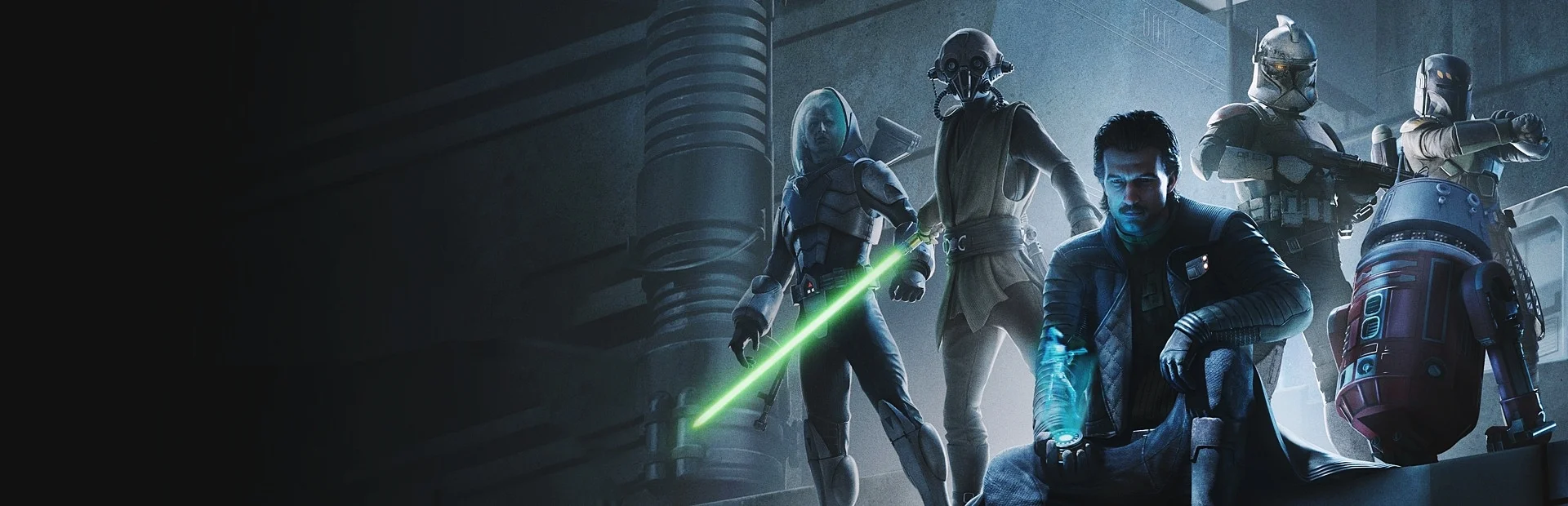
Star Wars Zero Company is one of the better-reviewed games of the year. It launched on August 27 with a Metacritic score sitting in the mid 80s, every major outlet called it the best Star Wars tactics game in two decades, and it pulled the kind of review aggregate that turns a small studio into a household name overnight. Bit Reactor, the 60-person team behind the game, should be celebrating. Instead, according to multiple sources including Stephen Totilo at Game File, Kotaku, Eurogamer, PC Gamer, and Aftermath, the studio placed roughly 80 percent of its staff on unpaid furlough two weeks before the launch they are currently being thanked for. The launch went fine. The team that built it is not getting paid.
What actually happened at Bit Reactor
The picture that has emerged over the last 48 hours is grim and very specific. Bit Reactor, the Atlanta-area studio spun out of the old Firaxis tactics team and staffed by veterans of the XCOM lineage, ran out of money just before Zero Company shipped. According to sources Totilo corroborated, the studio chose to furlough the overwhelming majority of its employees rather than miss payroll entirely, a move that affected around four out of every five people who worked on the game. One developer who left the studio in May posted publicly this week and was quoted in Kotaku's reporting with a line that captures the mood perfectly: it is sick and weird to have all of these EA and Disney folks as well as Bit Reactor senior staff making all of these 10 out of 10 posts about Star Wars Zero Company being such a huge success while concealing the fact that the team was furloughed weeks ago.
A representative for Bit Reactor told Totilo that the decision was made by the studio alone, not by EA or Disney, which is an important distinction. The publisher and the license holder did not pull the trigger here. The studio did. That framing is technically accurate and does not make it less ugly. Furloughing four out of five workers right before the biggest launch of your studio's life is a managerial choice, and it is one that will follow the people who made it for a long time. The same sources point to an ongoing legal dispute between two Bit Reactor co-founders over who actually owns the company, and that lawsuit is the kind of background noise that makes any outside capital extremely hard to raise on short notice.
The Zero Company launch everyone was supposed to be celebrating
For context, Zero Company is not some AA throwaway. Bit Reactor built it as a turn-based single-player tactics game set during the late Clone Wars, with a custom squad builder, hard permadeath, and the kind of small-squad XCOM-style moment-to-moment play that the Firaxis diaspora has been quietly perfecting for years. Reviews came in strong. The game opened on Steam with a Mostly Positive rating and now sits at over 10,000 user reviews. It is being talked about as a serious awards contender and the best Star Wars tactics game since the old Pandemic LucasArts era. That is the context in which roughly 48 people were told to stay home without pay while executives and marketing partners celebrated the launch on social media.

There is also the awkward reality of the marketing rollout. EA's official channels, Bit Reactor's own social, and Disney's Lucasfilm Games arm all ran coordinated ten out of ten hype posts on launch day. The game deserved the hype. The studio that made it was on unpaid leave. That gap is now the story, and it is the only story that matters, because the alternative is pretending a four-out-of-five staff furlough is normal and we just keep moving. It is not normal. It has happened too many times this year alone to be normal, and the pattern is always the same: a small studio ships a critical hit, the publisher takes the credit and the revenue, and the workers absorb the consequences of a financial plan that was clearly broken long before the public ever heard of the project.
How the community is reacting
The reaction has been loud, fast, and overwhelmingly on the side of the developers. The original Kotaku thread crossed a million likes within hours, and the top replies are not dunking on Bit Reactor as a studio. They are dunking on the broader pattern. The most upvoted reply on Kotaku's post reads, they know the game would be a success, one and done game so they got the developers on leave to capitalize all the money. That is the read most players have landed on, and it is not a sympathetic read for whoever inside Bit Reactor signed off on the furlough. PC Gamer's coverage is even more direct, framing it as a studio that reportedly furloughed the majority of its staff and asking the question every freelancer and union organizer has been asking for two years, which is why this keeps happening and what it would take to make it stop.
There is also a smaller counter-thread of voices arguing that we should not jump to conclusions without more details. The most thoughtful version of that take, from a developer named Angel Stewart, points out that we do not actually know if the team was hired on contract from day one, and that the real concern is whether any DLC or post-launch support was ever planned for Zero Company in the first place. That is a fair point, and it is the kind of question that needs to be on the table when EA and Bit Reactor eventually do an on-the-record Q&A about what happened. The studio has said it is hoping to bring furloughed workers back after the game's launch success. Hoping is doing a lot of heavy lifting in that sentence.
What this means for Bit Reactor and the people who made Zero Company
If you are reading this as a fan, the practical takeaway is simple. Buy the game if you want to play it, it is genuinely good and worth your money. Do not assume that money flows back to the people who made it, because right now, on the actual reporting from Game File, Kotaku, Eurogamer, PC Gamer, and Aftermath, it clearly is not. For anyone who works in games, the takeaway is even simpler. The studio that made one of the best-reviewed games of the year just put 80 percent of its staff on unpaid leave two weeks before launch, and the publisher and license holder are both publicly celebrating the success. The lesson, again, is that ownership, capital structure, and the legal paperwork behind the scenes decide who gets paid when a hit ships, and the people with the smallest piece of that paperwork are always the ones who lose.

Bit Reactor has not yet published a detailed public statement about the cash crunch, the founder lawsuit, or the path to bringing furloughed staff back. EA and Disney have not commented on the record. Until they do, the story is the one Kotaku, Aftermath, PC Gamer, Eurogamer, and Game File have all been reporting for the last 48 hours. The studio made a great Star Wars game. The studio then stopped paying the people who made it. We are going to keep watching this one, because the resolution will set a precedent for the next small studio that ships a hit and runs out of runway before the bills clear.
The reporting from Aftermath closes with a sentence that lands harder than anything else in the cycle. A team of workers spent years making a video game people love, only to find themselves out of work right when they should be enjoying the fruits of their labour. That is the shape of the story, and that is the shape of every story like it that has happened this year. The games keep shipping. The people keep getting cut. Eventually somebody at the publisher or the platform has to break that loop, or the next hit ships the same way.
The bottom line
Star Wars Zero Company is a real success. Bit Reactor staff, the same people who built that success, are on unpaid leave. The publisher is celebrating. The studio leadership has not given a clear public timeline for bringing them back. That is the entire story, and it is the one we will keep coming back to until somebody at Bit Reactor, EA, or Disney stands in front of a camera and explains, with documents, what happened to the money and what is being done to fix it. Until then, treat the review scores as accurate and treat the launch celebration as the picture it actually paints: a small group of people being praised for work a much larger group of unpaid people did.