Capcom Wants a Resident Evil Game Every Year, and Remakes Are the Engine Making It Happen
By CriticalPixel ·

Capcom just said the quiet part out loud. In a new interview celebrating Resident Evil's 30th anniversary, producer Masachika Kawata told Game Informer that the studio's goal is to put out a new Resident Evil game every single year, and that remakes are a big part of how it plans to pull that off. On paper it sounds like a dream cadence for horror fans who never want to go long without a fix. In practice it is the kind of annualization talk that has burned out entire franchises before, and the community reaction has landed somewhere between exhausted and openly hostile. The statement is not a leak or a rumor. It is a senior producer describing, on the record, how Capcom has decided to run its most reliable horror franchise for the foreseeable future.
What Kawata Actually Said
Kawata framed the remake program as less a nostalgia cash grab and more a deliberate production pipeline. One of the reasons for creating remakes, he explained, is that producing a brand new entry in the Resident Evil series every year would be a huge undertaking and a difficult task on its own. Revisiting older games lets Capcom hit that yearly target while letting the team continually challenge themselves and hone their craft. He was careful to argue that the remakes are just as important as the mainline titles, not a sideline to keep fans busy. Then he tied the whole model to money, noting that Capcom is lucky enough to have found a cycle that throws off the financial resources to fund not just new Resident Evil entries but completely new IP like Pragmata. Read that again and the picture is clear: remakes are the engine that pays for everything else the company wants to make.
The Remake Machine Already Works
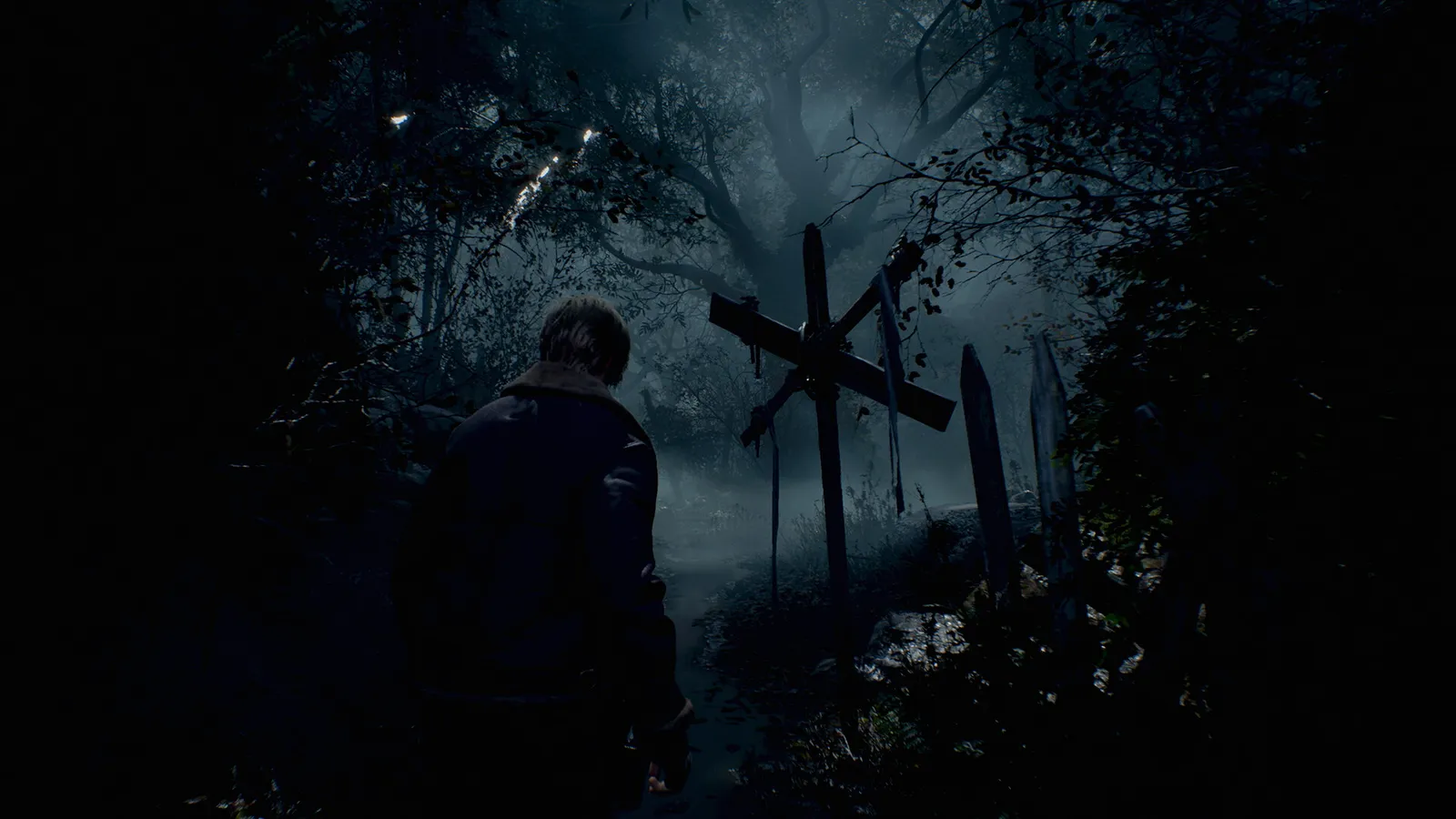
None of this is hypothetical. The Resident Evil 2 remake landed in 2019 to rave reviews and strong sales, Resident Evil 3 followed in 2020, and the Resident Evil 4 remake in 2023 is widely considered one of the finest remakes ever shipped. Between those, the mainline entries Resident Evil 7 in 2017 and Resident Evil Village in 2021 kept the modern era rolling and reinvented the formula twice over. Capcom has effectively been alternating fresh entries and polished remakes for the better part of a decade, which is the very rhythm Kawata is now describing out loud and calling it a strategy. The difference now is tone. For years this cadence looked like a happy accident of production schedules and team size. Now the company is naming it as the plan going forward, and putting a number on it: one Resident Evil a year, every year, for as long as the cycle keeps paying.

Fans Smell Franchise Fatigue
The response on social media has been blunt and, at times, brutal. The most liked replies to the news told Capcom to slow down, with one fan writing that the studio should not release one game a year and should take its time instead. Another called the plan a great way to kill your fanbase and burn them out. Others reached for the obvious comparison, with one reply reading that this is the next Call of Duty and that there is no need to dilute the series, a nod to the yearly grind that franchise has run for two decades and the fatigue complaints that have followed it the whole way. There was plenty of sarcasm too, including a jab that franchise fatigue has never been a problem for a Capcom IP and jokes about endless ultimate definitive ultra realistic editions rolling out forever. The skepticism is not hard to understand from a fanbase that has watched other publishers sand their biggest franchises down to annual paste.
The Silver Lining Fans Are Clinging To
Not everyone read the news as doom. A meaningful chunk of the reaction was hopeful that an annual cadence means Capcom eventually runs out of obvious remakes and starts digging into the back catalog. Fans have spent years begging for a Resident Evil Outbreak remake or a fresh take on the dormant Dino Crisis series, and several replies treated Kawata's comment as a quiet promise that those deep cuts could finally get a turn in the sun. That is the optimistic read of the whole thing. A yearly target that has to be filled somehow might be the thing that finally justifies greenlighting the niche projects fans have requested for a decade, because at some point the well of safe remakes runs dry. Whether Capcom actually goes there, or just keeps cycling the same three fan favorites on a loop, is the open question hanging over the whole announcement.

The CriticalPixel Take
Here is the tension Capcom is walking straight into. Annualization is a publisher's best friend and a franchise's worst enemy, often at the same time. Call of Duty has spent twenty years proving you can ship a game every November and still make a fortune, but it has also proven that yearly releases invite fatigue, recycled criticism, and the slow erosion of whatever made the series feel special in the first place. Resident Evil has thrived precisely because Capcom let it breathe, taking long gaps to reinvent the formula from fixed camera angles to first person survival horror to full blown action and back again. Kawata is right that remakes fund risk and keep the team sharp, and the remake trilogy is genuinely excellent work that earned its place. But naming one game per year as the goal puts a hard number on a franchise that has always benefited from patience, and gamers have every right to be nervous about what that kind of pressure does to the next mainline entry when it cannot afford to take the time it needs.
For now this is a statement of intent and not a locked release calendar, and Capcom still has the goodwill that comes from a string of strong remakes and a healthy mainline run. The real test is whether the company treats one per year as a floor for quality or a quota to hit at any cost. If the remakes stay as sharp as Resident Evil 4's and the mainline entries keep swinging for genuine reinvention, fans will forgive the cadence and probably celebrate it. If the yearly target starts churning out safe, recycled product, the same community currently begging for more Resident Evil will be the first to walk away and the first to say they told the company so. Capcom clearly has the talent to make this model work better than almost anyone else in the industry. The question is whether it has the restraint to keep saying no to a bad idea even when the calendar says it needs a yes.