CD Projekt Red Is Using AI to Restore Geralt's Polish Voice in The Witcher 3 Songs of the Past
By CriticalPixel ·
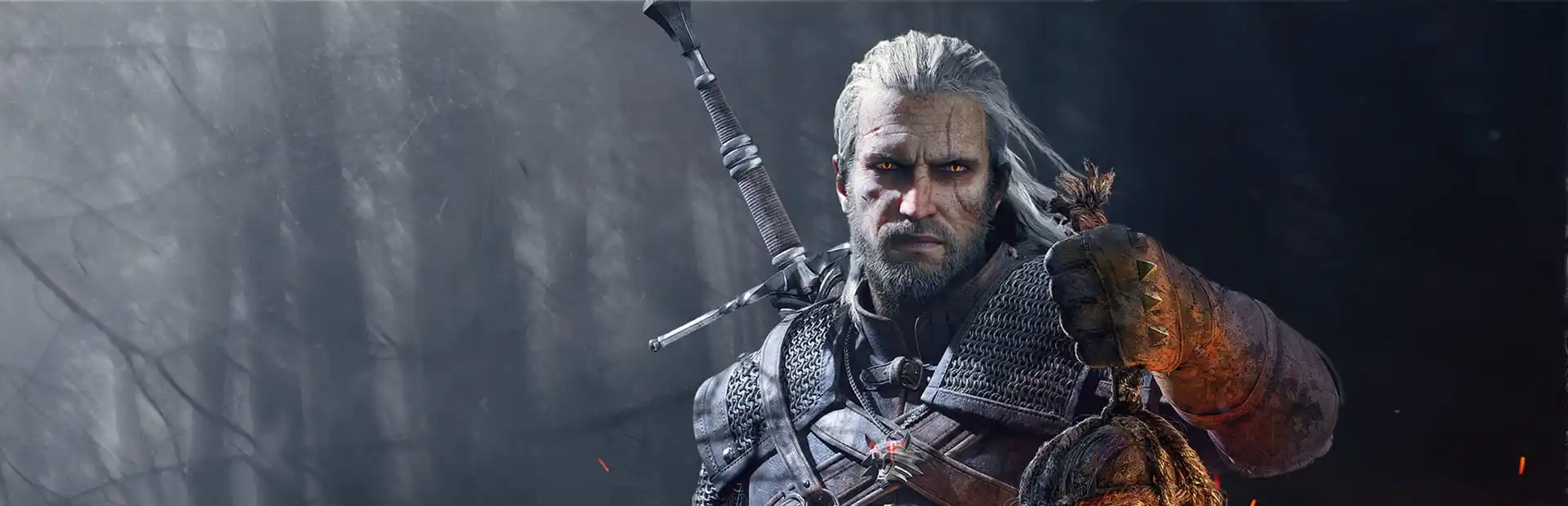
CD Projekt Red spent Friday morning explaining why Geralt sounds like Geralt in the next Witcher 3 expansion, and the answer is generative AI. The studio told Game File that it ran Jacek Rozenek's new Polish recordings through Respeecher, the voice conversion outfit it first used on Cyberpunk 2077, so his current performance sits cleanly beside the 10,000 lines he cut for the base game back in 2014. Rozenek had a severe stroke in 2019 and spent months unable to speak, and when his voice returned it was lower and gruffer than the one Polish players grew up with. CDPR could have recast the most recognizable voice in the country or shipped a mismatch that yanks you out of every scene. It kept the actor and let software close the gap instead. Eurogamer put the story in front of English readers on Friday, and Polish and Brazilian outlets have been picking it up all morning.
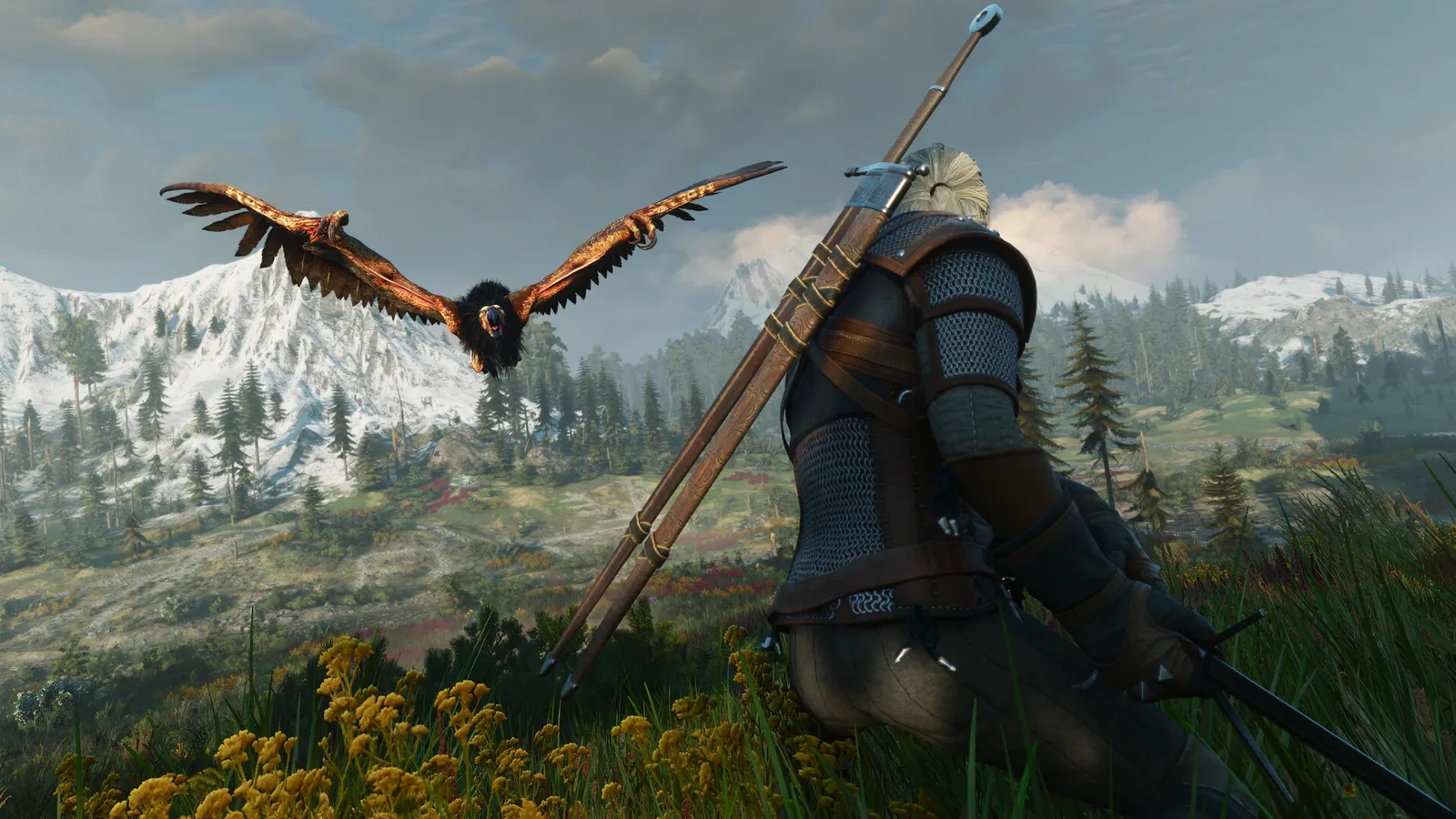
The workflow is less spooky than the headline suggests. Rozenek still records every line himself in the studio, and Respeecher's model is trained on his own Witcher work, so it is not inventing a performance from nothing, it is retouching one that already exists. Localization director Mikolaj Szwed told Game File the trigger was simple: new lines play right next to old ones, sometimes in the same scene, and a hard tonal jump would break the illusion. Rozenek's own read on it is blunt. "The point is that this voice should be as close as possible to my voice from 12 years ago," he said, adding that he trusts the team behind the game. Game File heard treated and untreated takes and described the difference as significant, with the treated voice smoother and younger than his raw recordings.
CDPR Has Run This Play Before
None of this is new for the Warsaw studio. In 2023 it used Respeecher on Phantom Liberty to create new lines for Viktor Vektor after actor Milogost Reczek died in 2021, with his sons giving their blessing rather than watching the role get recast. That precedent matters because it shows a consistent rule: the performance belongs to a specific person, and the tech exists to preserve that person rather than replace a stranger. It is also why this case is not the usual AI fight. The actor is alive, he is in the booth, he signed off, and the model was trained on his own voice. Strip any one of those four conditions away and the argument collapses, which is why the studio is being careful to state all four out loud.
Songs of the Past is a strange, ambitious thing on its own terms. CD Projekt Red announced it on May 27, 2026, for PC, PlayStation 5 and Xbox Series X and S, with a 2027 window and Fool's Theory co-developing. It adds a new region called Letten and builds its story around Dandelion, Geralt's missing bard friend, whose family lives there. The expansion ships 12 years after the base game, which is unheard of for a single player RPG of this size, and it will not come to PS4 or Xbox One. That last detail is not arbitrary, since the remastered edition that landed in late September rebuilt enough of the game that the old consoles cannot carry the new content.
The Part Nobody Wants to Say Out Loud
Here is the uncomfortable bit. The same technology, deployed without consent, is a union busting tool that lets a publisher clone a performer and stop paying them. CDPR's version required an actual human in a room, a real medical reason, and a contract. That distinction is doing enormous work, and it is the difference between preservation and theft. Anyone waving this story around as proof that AI voice work is fine in general is skipping the four conditions that make it fine here. The studio also gets something out of it beyond good press, because Geralt in Polish stays Geralt, which protects a 12-year-old performance that 65 million copies of the game are built on.
How Players Are Reacting
Reaction is early and limited, but the split is not the one you would expect. Polish replies under the Eurogamer post are mostly defensive of the studio, with one arguing that Rozenek records his lines normally and the AI only nudges the tone so he sounds like the Geralt from years back. English language posts lean the same way, calling it the rare defensible case because the actor is alive and said yes. The skepticism is quieter and more specific, with people asking whether Rozenek approved the final output and whether the tools stay limited to a single medical situation. Three or four loud posts is not a consensus, so read the mood as cautiously positive rather than settled.
CriticalPixel Take
This is what doing AI voice work correctly looks like, and it is also a warning label. CDPR did the boring parts: asked the actor, kept him in the booth, trained on his own catalog, and explained the reasoning in public. Most studios chasing the same shortcut will skip at least two of those steps, then point at The Witcher 3 when the backlash arrives. The real test is the next one, when a publisher uses this exact playbook on a performer who is healthy, non union, and easy to underpay. Until then, Polish Geralt sounds like Polish Geralt, and that is a good outcome for a game people have loved for over a decade.
Songs of the Past still has no price and no firm date beyond 2027, and CDPR has not said how much of the expansion's dialogue went through Respeecher. Those are the two details worth watching. If the studio answers both cleanly, this becomes the template for keeping a beloved voice alive without turning it into a license to erase the person behind it. If it goes quiet, the goodwill from this week will not last long.
Sources
Eurogamer, The Witcher 3 uses gen-AI to enhance Geralt's Polish voice
Game File, CD Projekt pairs Geralt's Polish voice actor with AI
CD Projekt Red, Announcing The Witcher 3 Wild Hunt Songs of the Past