CDPR confirms 3 Witcher games in 6 years, no expansions for the new trilogy
By CriticalPixel ·
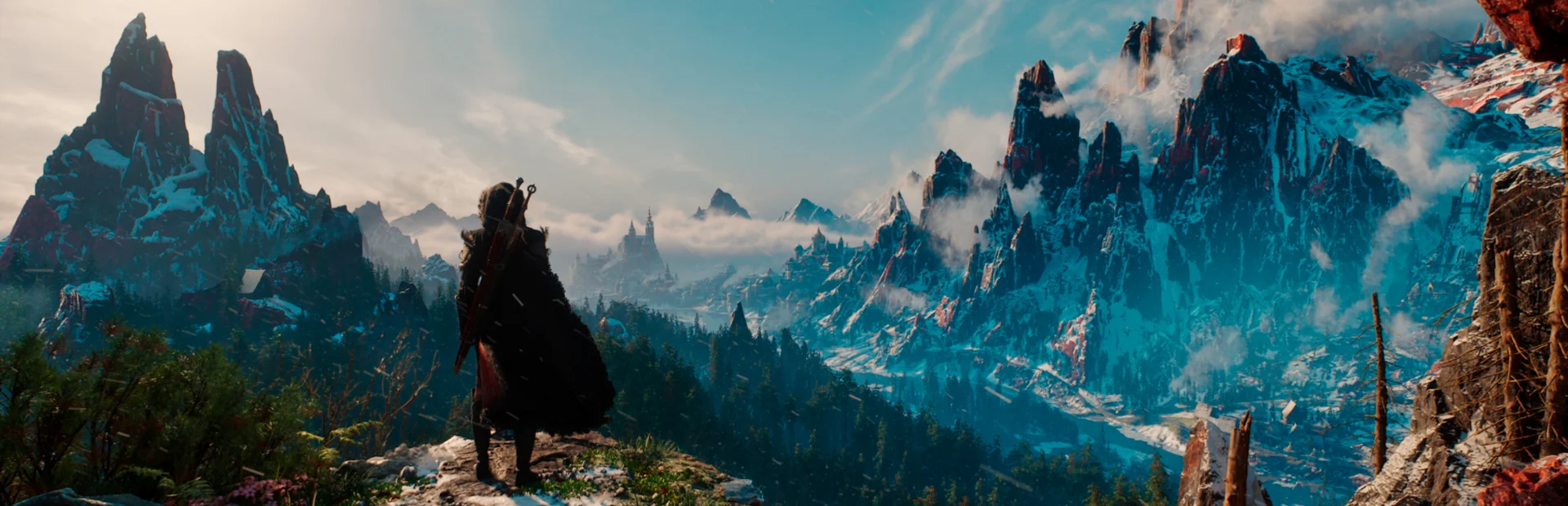
CD Projekt Red just laid out a roadmap so aggressive it would make most publishers flinch: three Witcher games in six years, and no, there will not be expansions for any of them. The plan, confirmed by joint CEO Michal Nowakowski during the Q and A portion of CDPR's latest financial results call, sets a blistering cadence for the next chapter of the franchise. The message is clear: the studio is betting big on speed, and anything that does not serve that pace is getting cut.
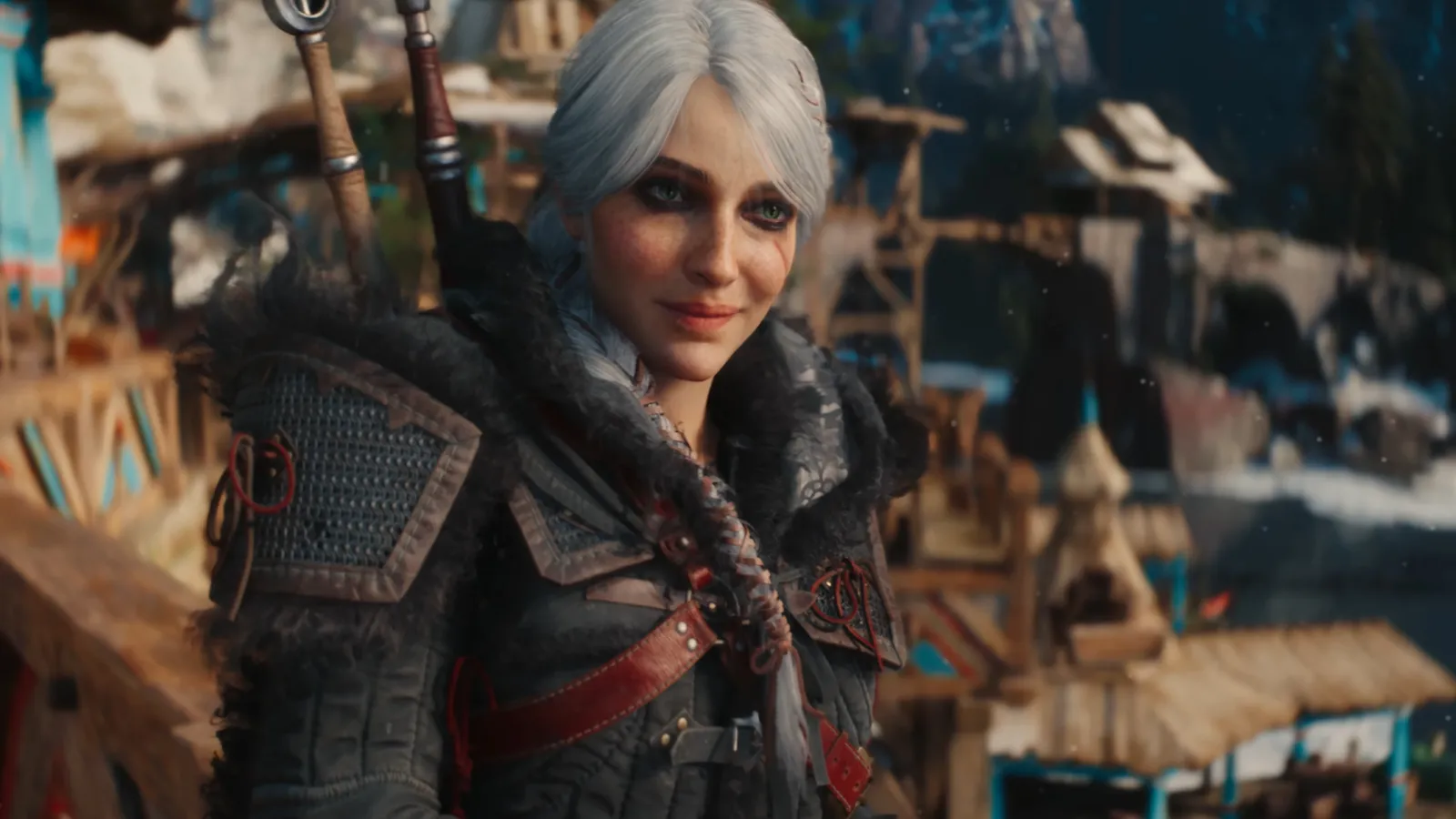
What CDPR actually said
The reveal came during a shareholder Q&A when an analyst asked directly whether the companys ambitious project pipeline leaves room for expansion content in the upcoming Witcher saga. Nowakowskis answer was blunt: "As you mentioned in the question, the plans are pretty ambitious. Specifically, it is to release three Witcher games within a six-year period. It would be difficult, to be very honest, for us to add an expansion to the upcoming trilogy. This is where we are here and now with this particular issue."
That is a significant departure from how CDPR has operated historically. The Witcher 3 received two massive expansions - Hearts of Stone and Blood and Wine - both of which are still held up as gold standards for post-launch content in single-player RPGs. Blood and Wine alone added a whole new region, a 30-hour campaign, and a new Gwent set. The idea that the studio is willing to sacrifice that tradition to hit a release schedule is a meaningful strategic pivot.
The bigger picture
These comments landed on the same day CDPR officially confirmed Songs of the Past, a new Witcher 3 expansion that the company describes as "proper big" and closer to Blood and Wine in scope than a typical DLC. That expansion was accidentally leaked on CDPRs own RED Launcher before the company could make a proper announcement, which is honestly a very on-brand CDPR thing to do. The studio also revealed that The Witcher 3 has now sold over 65 million copies worldwide, making it one of the best-selling games of all time.
The six-year window covers three games: The Witcher IV (which was officially announced and shown in a tech demo at Unreal Fest 2025), a second undisclosed Witcher title, and a third. CDPR has confirmed that all three will run on Unreal Engine 5, moving away from their proprietary REDengine after Cyberpunk 2077. The studio has also been staffing up significantly, with multiple teams working in parallel to make the timeline work.
Reaction: skepticism meets cautious optimism
Gamers on social media are split. The optimistic camp points out that a new Witcher game every two years sounds incredible on paper, especially for a franchise that has spent over a decade building one of the most beloved RPG worlds in the medium. The skeptical side has a shorter memory and a sharper point: Cyberpunk 2077 launched in 2020 as one of the most broken AAA releases in history, and the idea that the same studio is now promising triple the output has plenty of people watching closely.
One popular reply on PC Gamers post sums it up: "Three Witcher games in six years from a studio that took five years on one. That math is going to hurt." Another reads: "Well we all know that will not happen. I love CDPR but look what happened last time they rushed a game out of the gate." The skepticism is not uniform - some note that the industry used to ship sequels every two to three years before budgets ballooned, and that CDPR having multiple teams on UE5 could make this more feasible than it sounds.
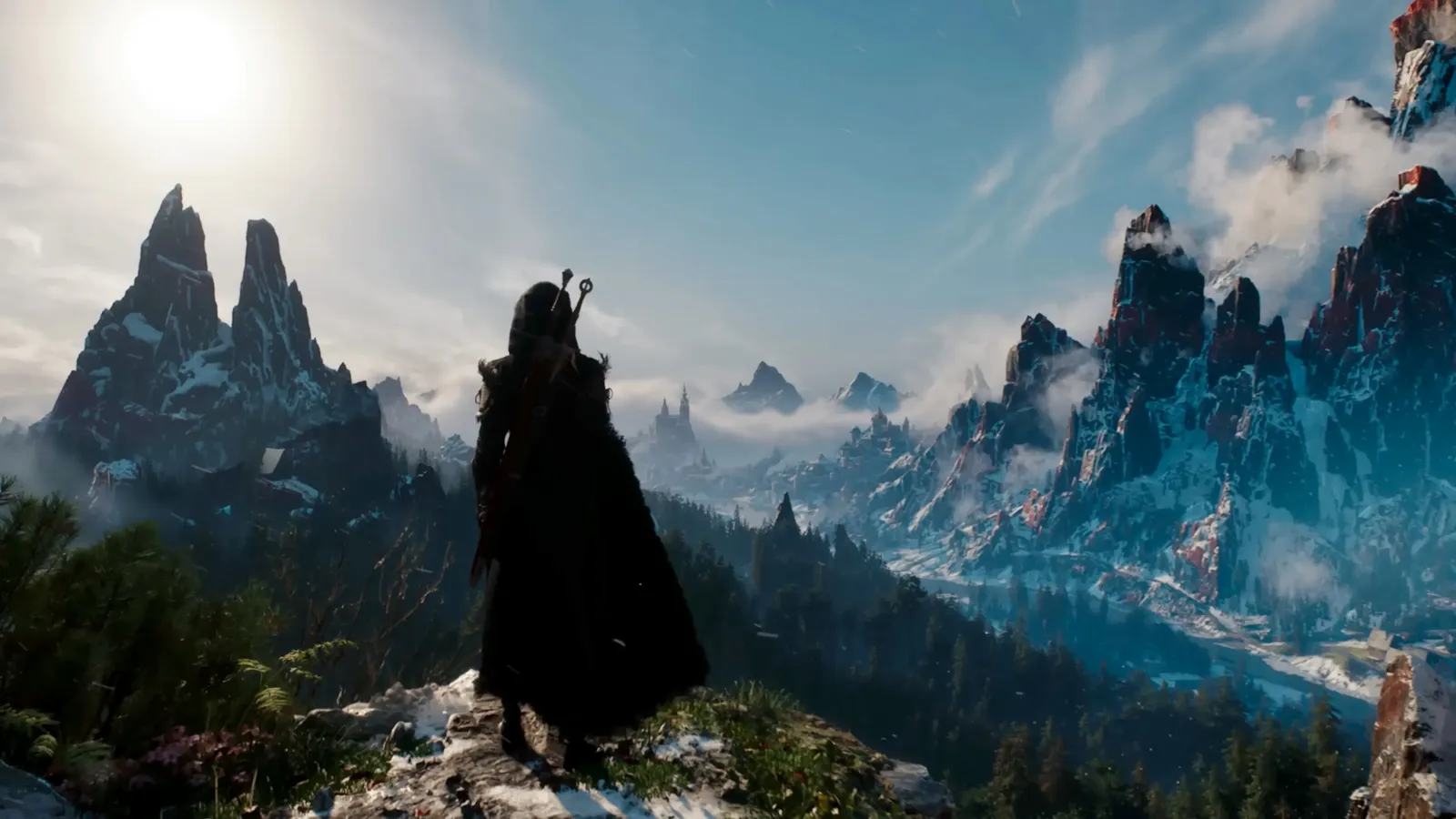
Can they actually pull this off?
CDPRs post-Cyberpunk recovery has been genuine. Phantom Liberty earned a 90 Metacritic and was widely praised as one of the best RPG expansions ever made. The studio has spent years rebuilding trust, and the financial results suggest it is working. But going from one game every five-plus years to three in six is not an incremental change. It would require CDPR to operate at nearly three times its historical pace while maintaining the quality bar that The Witcher 3 set.
The move to Unreal Engine 5 is a key piece of the puzzle. UE5 is far more widely documented than REDengine was, meaning CDPR can hire engineers who already know the tools rather than training everyone on proprietary tech from scratch. Epic Games has also been deeply embedded in CDPRs workflow since the Unreal partnership was announced, which likely accelerates development. But engine migration is also notoriously risky - CDPR is essentially building the plane while flying it, as the first UE5 Witcher game will be the studios first Unreal Engine title at scale.
What this means for Witcher fans
If CDPR hits its target, here is what the next decade of The Witcher looks like: Witcher IV launches likely in 2027 or 2028, a second title follows roughly two years later, and a third closes out the trilogy around 2031 to 2033. No expansions, no big post-launch content drops - just three standalone full-length RPGs shipping on a regular cadence. That is a very different proposition from what the series has delivered historically, where one game plus its expansions would dominate a console generation.
The trade-off is real. Blood and Wine remains one of the greatest expansions ever made, and the idea of a Witcher game launching and then simply moving on to the sequel feels wrong for a franchise built on deep, lived-in worlds. But a guaranteed new Witcher game every two years is also an exciting prospect if the quality holds. The real question is whether CDPR can deliver the depth of something like Velen or Toussaint on a compressed timeline, or whether the scope of each individual game has to shrink to make the math work.
The bottom line
CDPR is making a bet that speed and volume matter more than post-launch depth. It is a reasonable bet - most players finish an RPG and move on rather than returning for expansions years later. But it also means the studio is abandoning one of the things that made The Witcher 3 legendary: the sense that the game kept growing and surprising you long after the credits rolled. If the trade-off is three genuinely great games instead of one great game with two expansions, most people would take the three games. But if the schedule causes quality to slip, the reputation CDPR has spent five years rebuilding could crack again.
For now, Witcher fans have a lot to look forward to: Songs of the Past this year, the Witcher III remake, and eventually the start of a new trilogy that aims to rewrite what a franchise release schedule looks like in AAA RPGs. Whether CDPR can stick the landing is the most interesting question in PC gaming right now, and it will take the rest of the decade to answer.