CS:GO Hits Its Best Player Count Yet Since Valve Relaunched It as a Standalone Game
By CriticalPixel ·
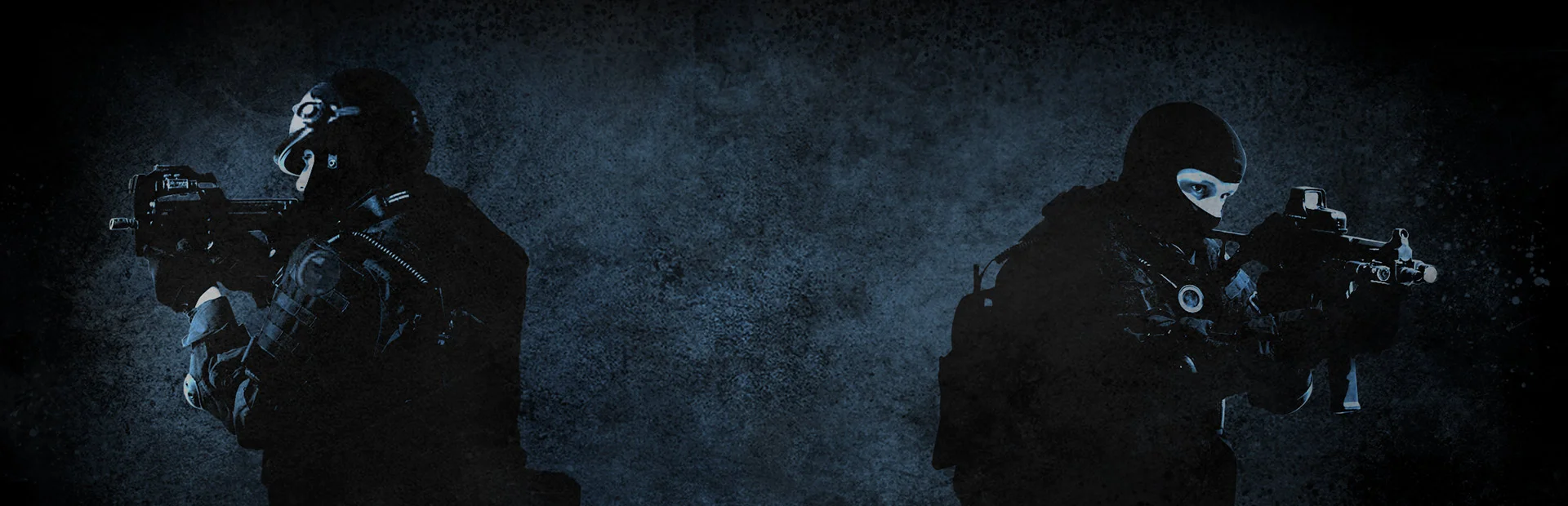
Counter-Strike 2 is the unquestioned king of Steam. It routinely sits above one million concurrent players, dominates the platform's charts, and shows no sign of slowing down. Its predecessor, Counter-Strike: Global Offensive, was unceremoniously replaced by CS2 in September 2023 and stripped from the Steam store - a forced migration that gave players no say and no path back. For a while that looked like the end of CS:GO. It was not.
68,000 Players and Growing
According to SteamDB, CS:GO hit a new all-time concurrent player peak since its standalone relaunch just days ago, landing at more than 68,000 simultaneous players on July 1, 2026. That puts it at 28th on Steam's most-played chart right now, ahead of Baldur's Gate 3, Rainbow Six Siege, and Battlefield 6. It peaked at roughly 60,000 when Valve first relisted it as a standalone title in early March 2026, which was already a strong showing. The fact that it has grown another eight thousand concurrent players over four months - with zero marketing, zero official events, and no big update to justify the surge - is genuinely unusual.
How CS:GO Came Back
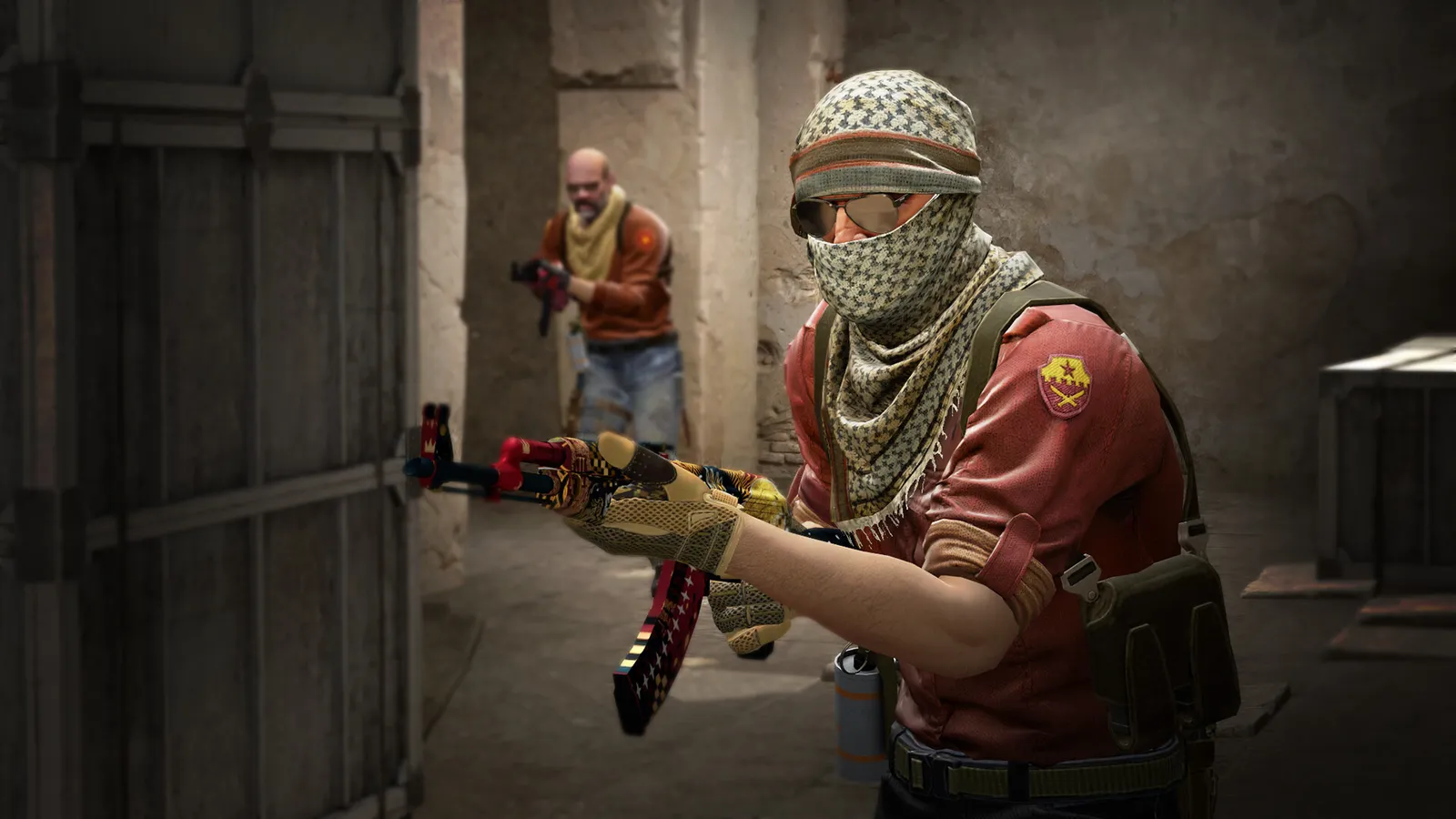
Valve quietly added Counter-Strike: Global Offensive back to Steam as a separate product (App ID 4465480) in March 2026, three years after folding it into CS2. There was no press release, no blog post, and no announcement tweet from Valve. The game just appeared. It is free to download and includes classic game modes - competitive, casual, and deathmatch - running on the older engine. The inventory situation is a mess: your CS2 skins do not simply transfer over, and while some players have found third-party workarounds, most people playing CS:GO standalone are doing it without their collections. They are doing it anyway.
The original CS:GO at its absolute peak pulled far more concurrent players than 68,000. CS2 right now sits above 1.45 million concurrent. So this is not a triumph in absolute numbers. What it is, though, is a steady upward trend for a title that has no developer support, no in-game events, and sits outside Steam's standard browsing system. You cannot simply open Steam and search for CS:GO and find it easily. You need to know the direct link or the App ID. Despite that barrier, tens of thousands of players show up daily.
What the Community Thinks
The reaction from the CS community has been a mix of celebration and mild disbelief. Long-time players who never adapted to CS2 see the standalone relaunch as a lifeline. The specific complaints about CS2 are well-documented: the subtick system feels different to a meaningful portion of competitive players who spent years building muscle memory around the old tick-rate model; the ranking overhaul was controversial; and the HUD and visual changes did not land universally. None of those complaints are new, and Valve has addressed some of them over the past two years. But for a subset of the playerbase, the changes went too far and no patch was going to bring them back to CS2. CS:GO standalone gave them somewhere to go.
The comparison to Deadlock is worth sitting with for a moment. Valve's in-development hero shooter also sits outside the standard Steam browsing system, also draws around 60,000 to 70,000 concurrent players, and also operates without traditional marketing. CS:GO standalone fits that same profile: a Valve product that lives in a semi-hidden corner of Steam and still builds a consistent audience regardless. The difference is that Deadlock is new and CS:GO is a 14-year-old game that Valve officially retired. One of these things is more surprising than the other.
What This Says About CS2
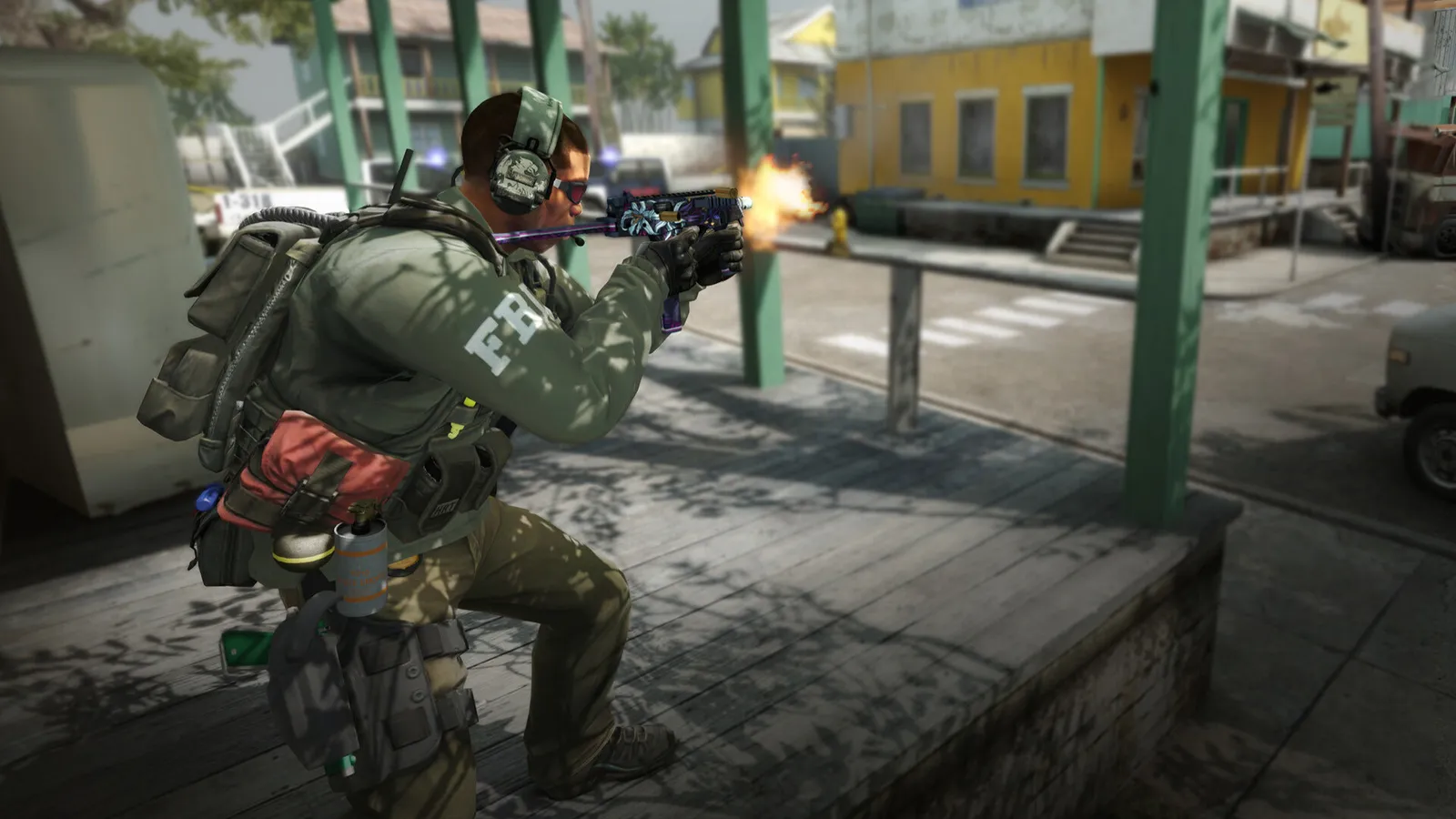
When players choose an unsupported 14-year-old game over its actively developed, officially endorsed successor, that is a statement about the successor. Not a fatal one - CS2's concurrent numbers are enormous and it is by any metric a thriving game. But a slice of players left when CS:GO was removed, returned when it came back, and have continued to grow the standalone's numbers for four months straight. Those players were not done with Counter-Strike. They were done with CS2. Valve created that gap by forcing the migration and then brought people back by accident when it restored the old game with barely any effort.
For other publishers watching: this is what happens when you retire a game that still has an active playerbase. The demand does not disappear. It sits dormant until there is somewhere for it to go. Valve got lucky that it owned both the old and new versions, so restoring CS:GO did not cannibalize a competitor. Most studios do not have that option. EA cannot bring back the old Battlefield. Blizzard cannot un-merge Overwatch Classic into a standalone product without major infrastructure work. Valve did it quietly and the players came back. The lesson is not that you should always keep old games alive indefinitely. The lesson is that abrupt forced migration, without giving players a clear reason to prefer the new thing, builds a resentment that surfaces the moment an alternative appears.
What Happens Next
Valve has shown no sign of actively investing in CS:GO standalone. There are no official servers being spun up, no matchmaking improvements, no communication about its future. Community servers are holding the experience together. If the current trajectory continues and the player count keeps climbing, there is a conversation to be had about whether Valve leaves it as-is, shuts it down again, or starts treating it as a legitimate product. None of those outcomes are guaranteed. What is clear right now is that 68,000 players are not waiting on Valve to decide. They already decided.