Dead Space Creator Glen Schofield Retires After 35 Years, and His Goodbye Is Quietly Devastating
By CriticalPixel ·
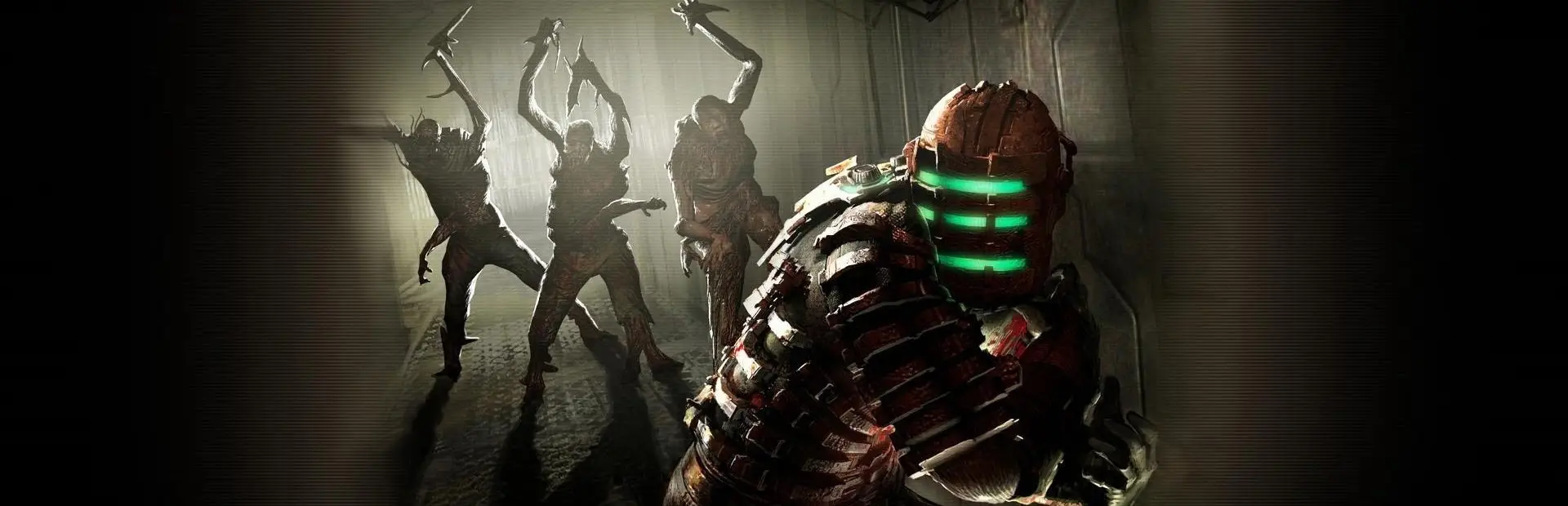
The man who turned a dying horror franchise into a multi-year resurgence is done. Glen Schofield, the producer who green-lit Dead Space at EA in the late 2000s, co-founded Sledgehammer Games after that, and finally returned to his survival-horror roots with The Callisto Protocol, announced this week that he is stepping away from day-to-day game development after 35 years in the industry. He posted the news in an emotional LinkedIn video, thanked the players, colleagues, and studios that carried him through, and pointed forward without naming a next project. The industry he is leaving looks nothing like the one he walked into in the early 90s, and the fact that he had the chance to leave by choice puts him in a vanishing minority of veteran developers in 2026.
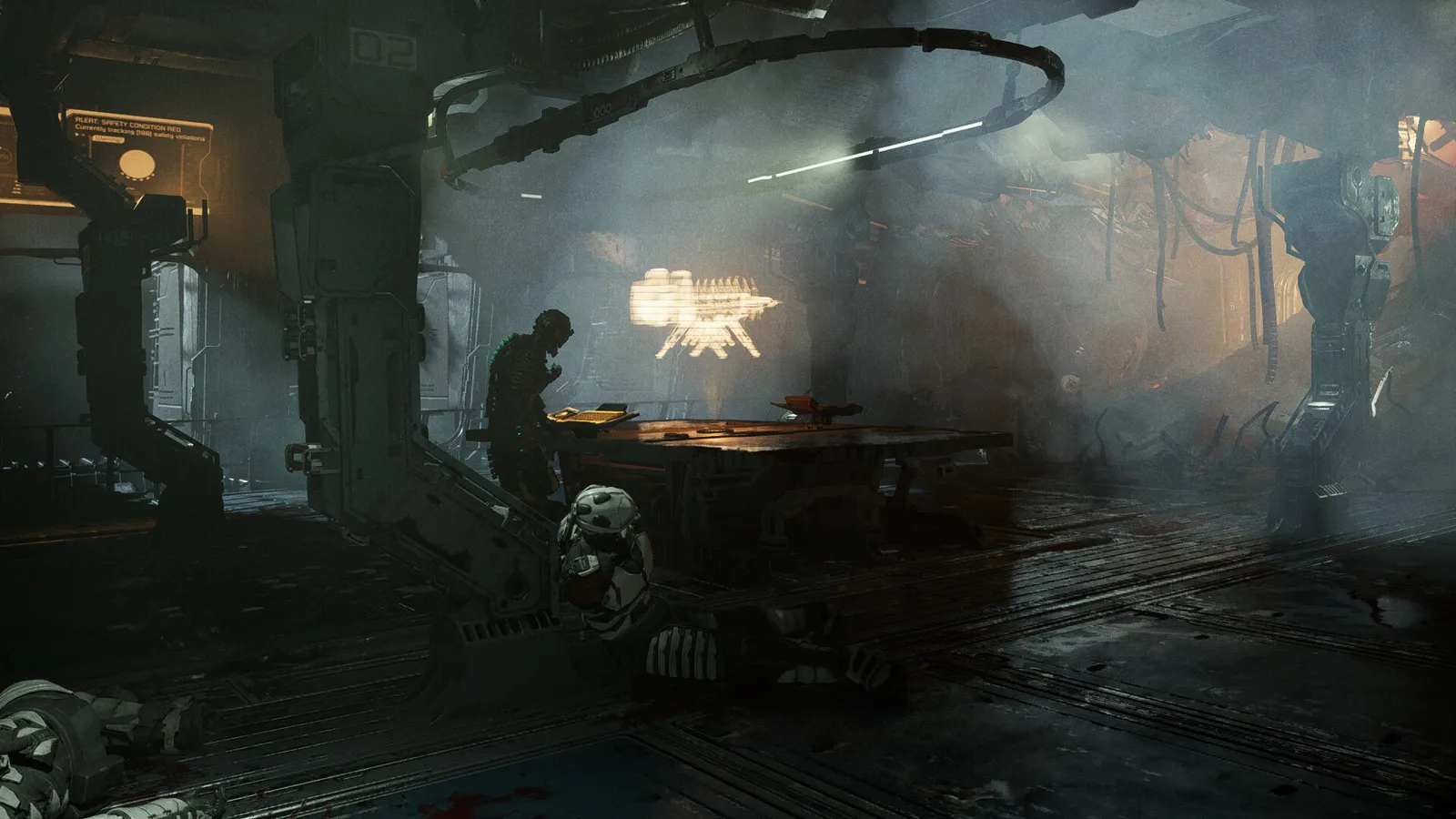
A 35-year run that spanned EA, Activision, and his own studio
The short version of Schofield's CV is the kind of resume the games industry rarely produces anymore. He started as an artist in the early 90s, climbed the ranks to producer, and helped ship EA's James Bond and Lord of the Rings games. EA then gave him the freedom to build a brand-new IP from scratch inside Visceral Games. What came out of that studio in 2008 was Dead Space, a third-person survival horror game that took Resident Evil's playbook, gutted the zombies, and dropped a man in a pressure suit into a derelict spaceship where every shadow hid something that wanted to eat him. The game sold respectably, the reviews landed hard, and an entire generation of so-called boomer shooters traced itself back to that initial moment. Schofield earned the rare kind of producer credit that actually meant something: he had built a genre, not just a sequel.
Dead Space's long shadow over single-player horror
Dead Space never moved the kind of units EA expected from a tentpole release, but it did something more valuable for the survival-horror genre: it gave the format permission to be loud, messy, and unglamorous again. The 2011 sequel pushed the dismemberment system further, the 2013 spin-off took the brand into co-op, and Motive's 2023 remake proved the IP could still pull a real audience a decade and a half after Isaac Clarke first clipped a plasma cutter onto his mag-boots. Every team that has shipped a tight, single-player horror game in the last ten years owes Schofield and his Visceral veterans a small thank-you note. Visceral is gone now, shipped out as 4 Star Games and then wound down for good in 2017, but the games that came out of it kept influencing design conversations long after the studio itself closed its doors.
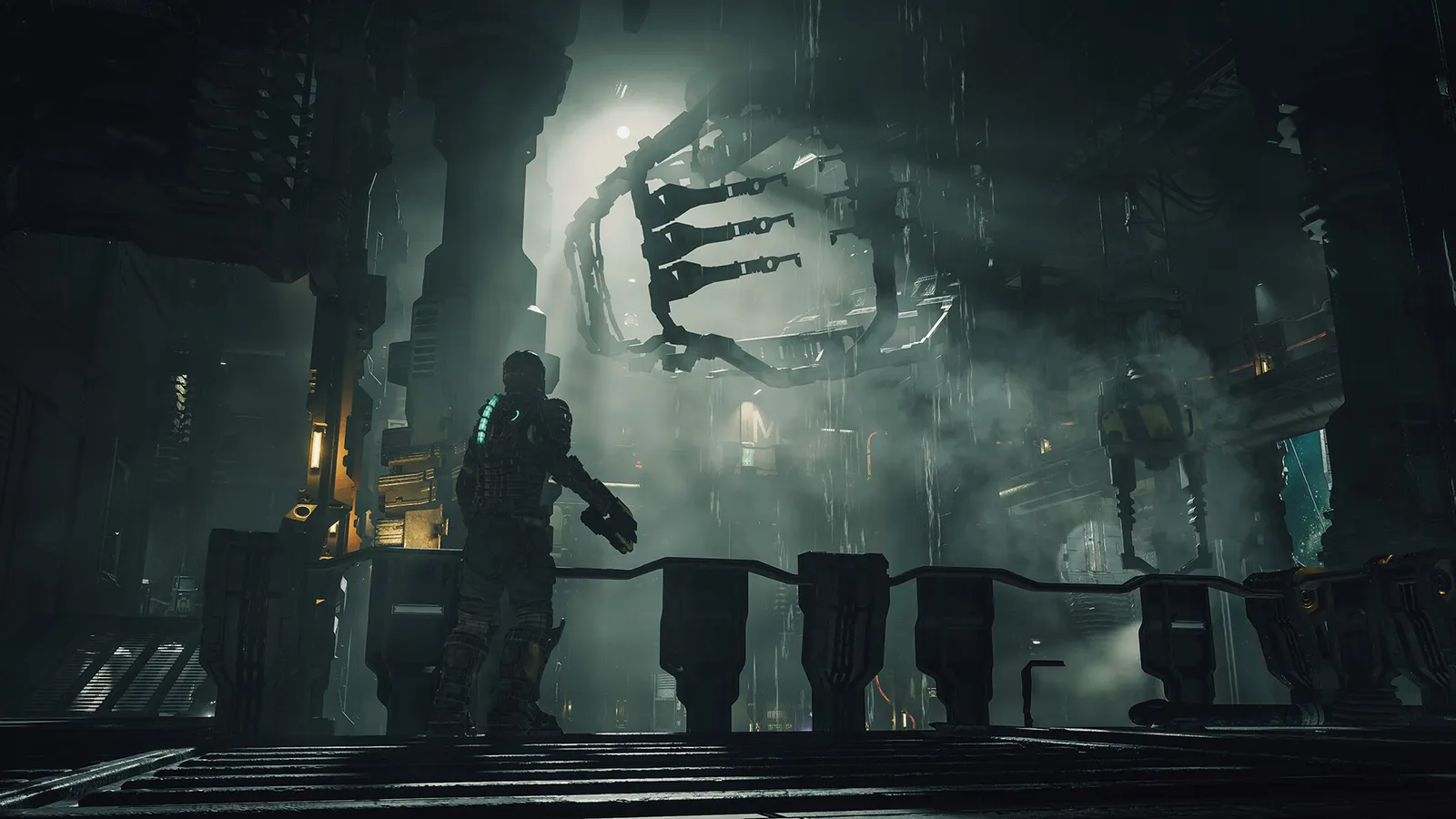
From Dead Space to a Call of Duty trilogy capper
While Dead Space established his name in the horror space, the next decade showed how wide his range really was. Activision poached Schofield in 2009 to co-found Sledgehammer Games with Visceral colleague Michael Condrey, a new studio built to give Infinity Ward a relief valve on the Call of Duty pipeline. Six months into a Vietnam-era prototype, the infamous 2010 Infinity Ward implosion put Sledgehammer on the hook to help finish Modern Warfare 3, and the new studio delivered a trilogy capper that held together despite being thrown together on the fly. Two years later, Advanced Warfare cemented Sledgehammer as one of Activision's three permanent CoD teams. WWII in 2017 came back to the franchise's boots-on-the-ground roots after the jetpack era, and Schofield bowed out of Sledgehammer soon after to chase his own projects again. He left a studio that has now shipped more than a dozen CoD entries and runs like a clock.
The Callisto Protocol and the Dead Space 4 that never came
Schofield's final game as a director was 2022's The Callisto Protocol, a Dead Space-style sci-fi horror game built at his new studio Striking Distance that debuted to mixed reviews and modest sales. Critics praised the gore and the sound design; players knocked the combat systems and the bloated performance requirements that left mid-range PCs struggling at launch. Striking Distance kept patching it for a year, then pivoted to a smaller follow-up that quietly stalled. Around the time of the 2023 Dead Space remake window, Schofield publicly pitched EA on a fourth Dead Space game and even floated the idea of bringing back Isaac Clarke for one more run. The pitch never closed, and EA has not signaled any interest since. For a creator who spent 15 years trying to make survival horror matter again, that silence is the loudest part of this retirement.
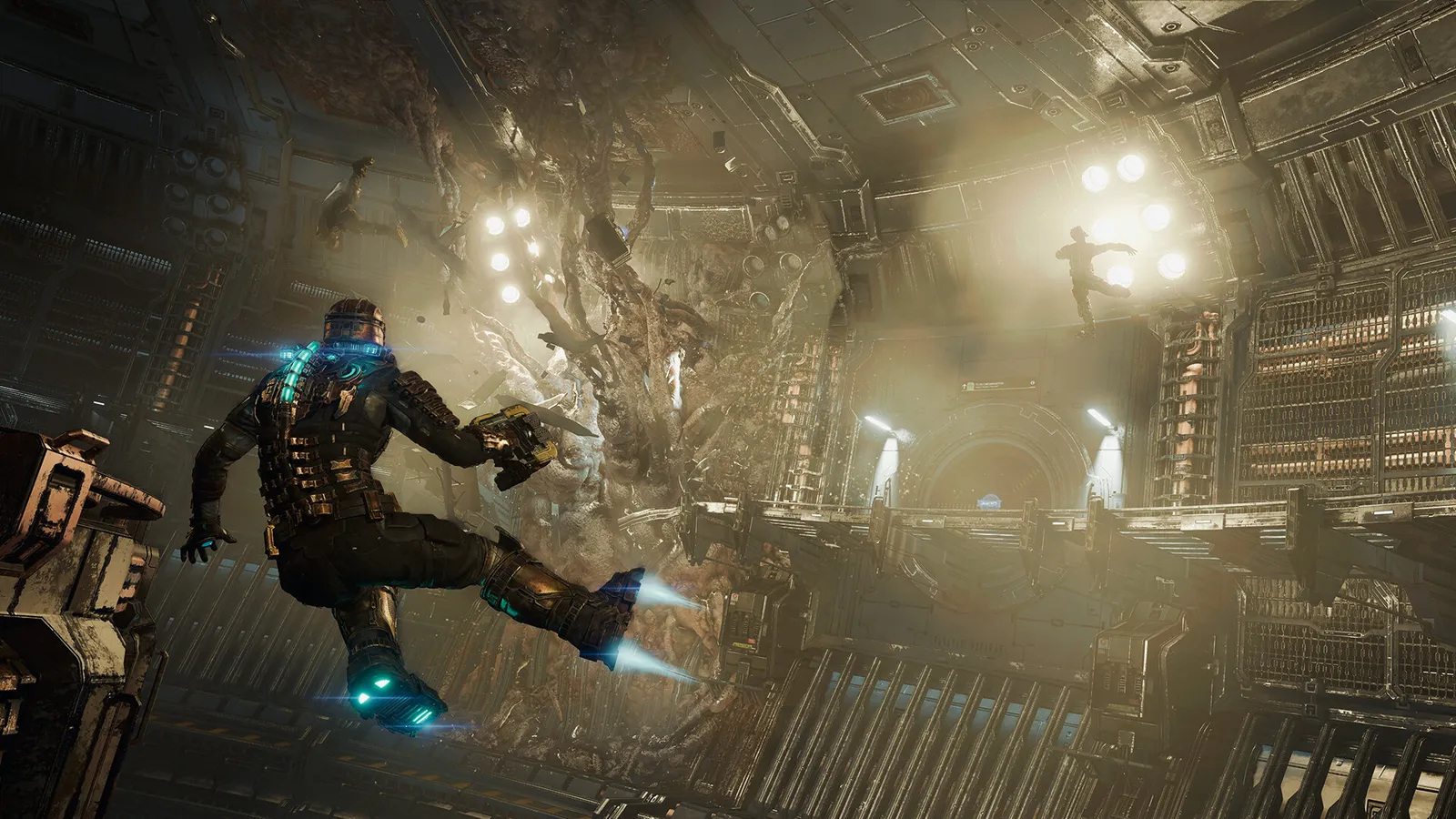
The industry he is leaving
His LinkedIn video did not single out any single cause, but Schofield did acknowledge what every working developer has been feeling for two years running: the wave of studio closures, layoffs, and project cancellations that has rolled through Microsoft, Sony, Embracer, EA, Ubisoft, and Take-Two in succession. The id Software exodus, the ZeniMax cuts, the Roundhouse collapse, the death of mid-sized single-player studios that used to keep middle-tier games alive, those are the headlines he walked away from. A generation of designers who grew up booting up Dead Space 2016 or Modern Warfare 3 is now watching the people who built those games get shown the door in the middle of a project. Walking out by choice, with words intact and a proper goodbye on the record, is rarer than it should be in 2026, and Schofield earns credit for landing that plane instead of letting someone else decide when his career ended.
Community reaction
The reaction across the FPS and horror communities landed on something close to reverence. r/PS5 lit up with retirement well-wishes, the boomer-shooter subreddit pinned a thread, and footage of the LinkedIn video passed around horror-creator Discords within hours. Long-time Call of Duty YouTubers thanked Schofield for the trilogy capper and for Advanced Warfare's persistent influence on the franchise's movement mechanics a decade later. The Callisto Protocol fans were quieter, but several pointed to Schofield's openness about the studio's failures as the rare example of a creative lead who did not blame his team for the game's reception. Dozens of named creators, studio leads, and outlets with skin in the genre weighed in within a day, and the consensus across independent voices is that an era just ended quietly and without the usual corporate fanfare.
The CriticalPixel take
Glen Schofield did not invent survival horror, but he did more than almost anyone to keep it commercially viable through the Call of Duty era. Dead Space was the rare single-player horror tentpole that did not have to compromise into a multiplayer grind, and the 2023 remake's sales proved there is still an audience for it even after years of live-service experiments. That The Callisto Protocol could not turn that momentum into a long-running franchise, and that EA would not even buy a fourth Dead Space pitch, says more about 2026's risk-averse publishers than about Schofield's craft. The right move for a 35-year veteran who has clearly seen the writing on the wall is to take his name off the door, take his LinkedIn post public, and let the next wave of horror developers figure out what comes next with the head start he gave them. Thanks for the games, Glen. The mag-boots are in good hands.