Destiny 2 Is Now in Maintenance Mode After a 9-Year Run, and Bungie's Final Gift Is a Free Emblem Code for Everyone
By CriticalPixel ·
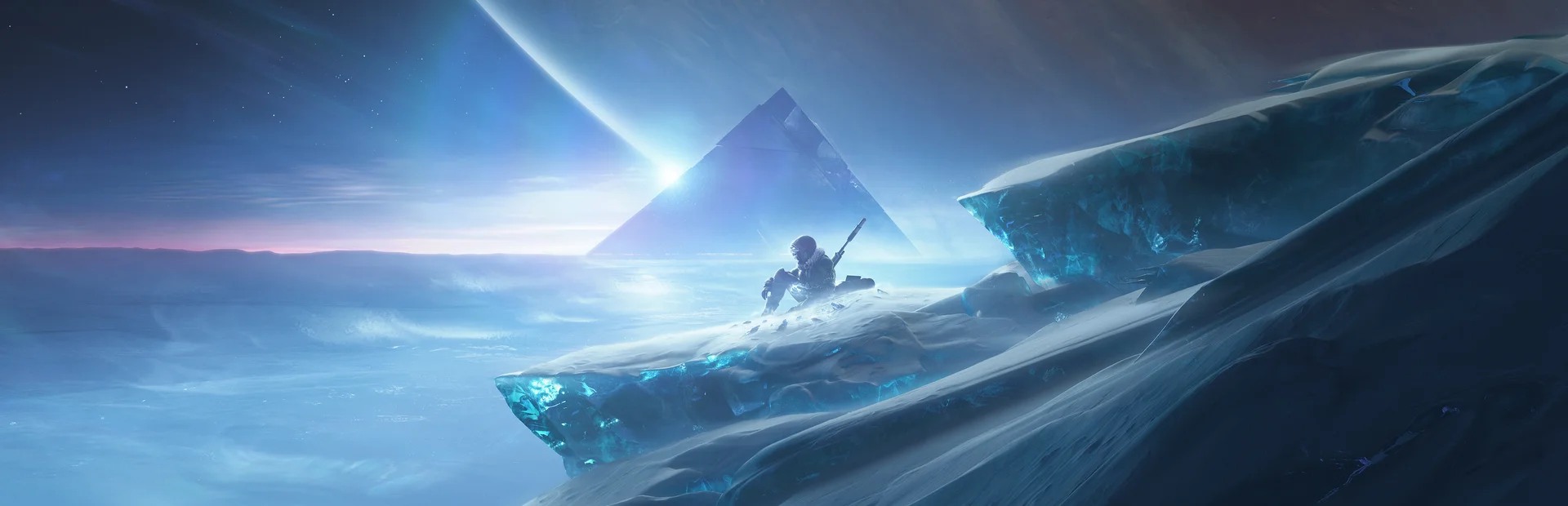
Destiny 2 is done shipping patches. Bungie rolled out update 9.7.0.3 on July 7, a handful of bug fixes and a small reputation buff for Vanguard and Crucible Ops completions, and that appears to be the last time the game's version number will tick upward in any meaningful way. Dylan 'dmg04' Gafner, who has been Bungie's community lead for years and has posted more patch notes than most people have read, confirmed on social media that players should not expect more updates beyond routine server downtime. The exception is a potential break-glass-in-emergency fix for crashes, but the era of Destiny 2 getting active development is over. The game is in maintenance mode, and it has been earned.
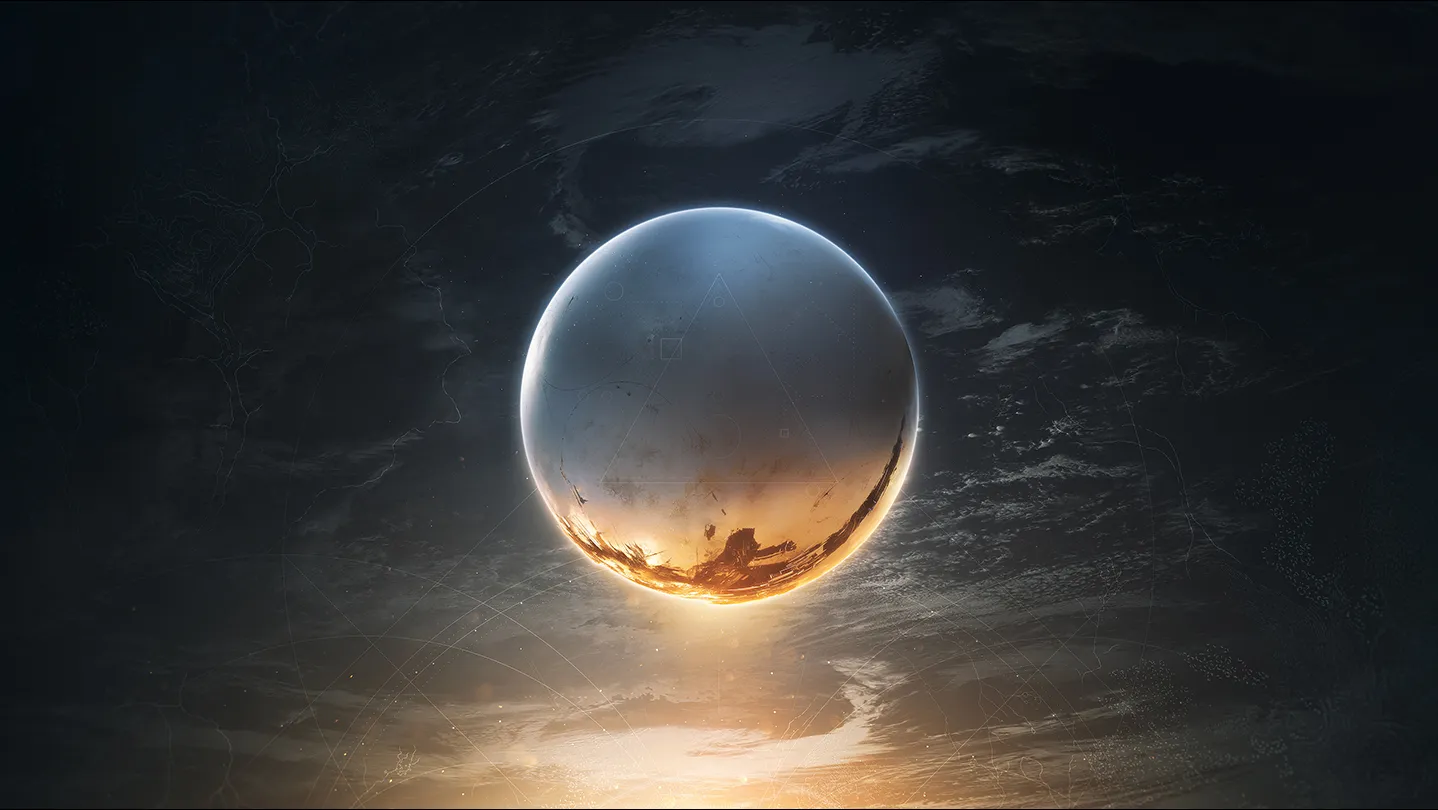
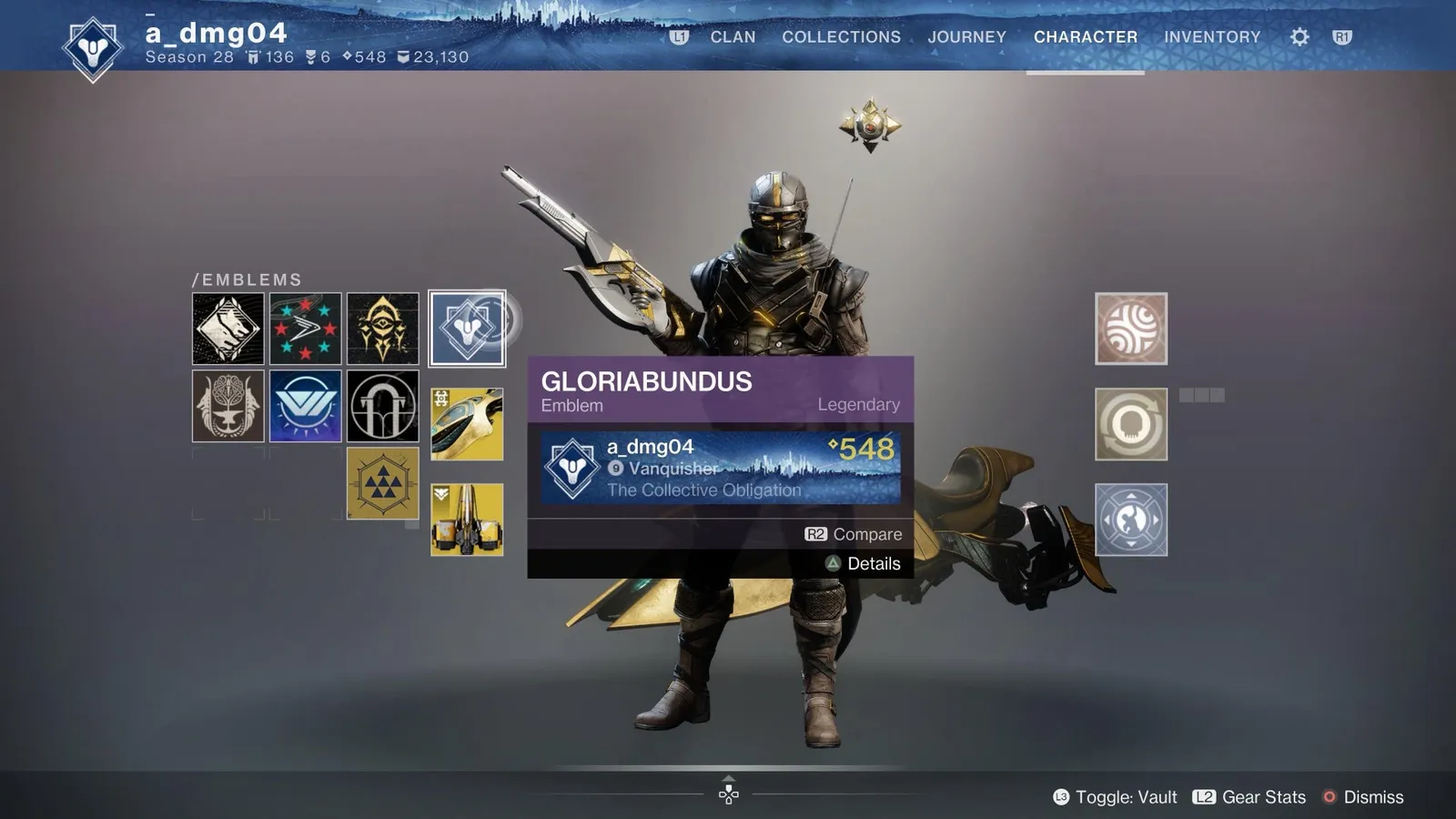
That final patch also came with something a little more personal. The @Destiny2Team account posted a code on July 7 that any player can redeem on Bungie.net to claim the Gloriabundus Emblem, a cosmetic added to the Flair Collection as a permanent farewell gift. The emblem itself is simple: the Destiny logo, fortified and centered, against what looks like the Last City skyline. It is not flashy. It is the kind of thing you equip not because it makes your Guardian look good but because it marks something. The code is still active, and there is no stated deadline, which feels about right for a game that is still running and will continue to be playable by anyone who has it.
Nine Years of Patches, One Final Bug Fix List
Destiny 2 launched in September 2017. For nine years, Bungie shipped expansions, seasonal content, balance passes, exotic weapon tuning, raid tweaks, and an endless cycle of patches that the community dissected the moment they went live. The game launched paid, went free-to-play in 2019, and evolved through The Forsaken, Shadowkeep, Beyond Light, The Witch Queen, Lightfall, and The Final Shape, each expansion reshaping what the game was at a fundamental level. Some of those expansions were brilliant. Some were rough. None of them were boring. Destiny 2 built one of the most invested, opinionated, and demanding communities in live-service gaming, and Bungie spent nearly a decade in conversation with them through patch notes, This Week at Bungie posts, and DMG04's reliable presence on social media.
The final big update, released about a month ago in June 2026, was substantial. Bungie's lead developer confirmed before launch that it would include story content and a proper goodbye: 'Yes, there's story, yes, we get to say goodbye.' Thousands of players came back to see it through. The surge in concurrent numbers after that final update was one of the biggest player boosts the game had seen in years, the kind of number that in any other situation would have triggered a conversation about continued investment. Sony, which acquired Bungie in 2022, did not see a path forward from it. The layoffs came shortly after the final update, and most of the team that made Destiny 2 what it was in its final years was let go.
What Maintenance Mode Actually Means for Players
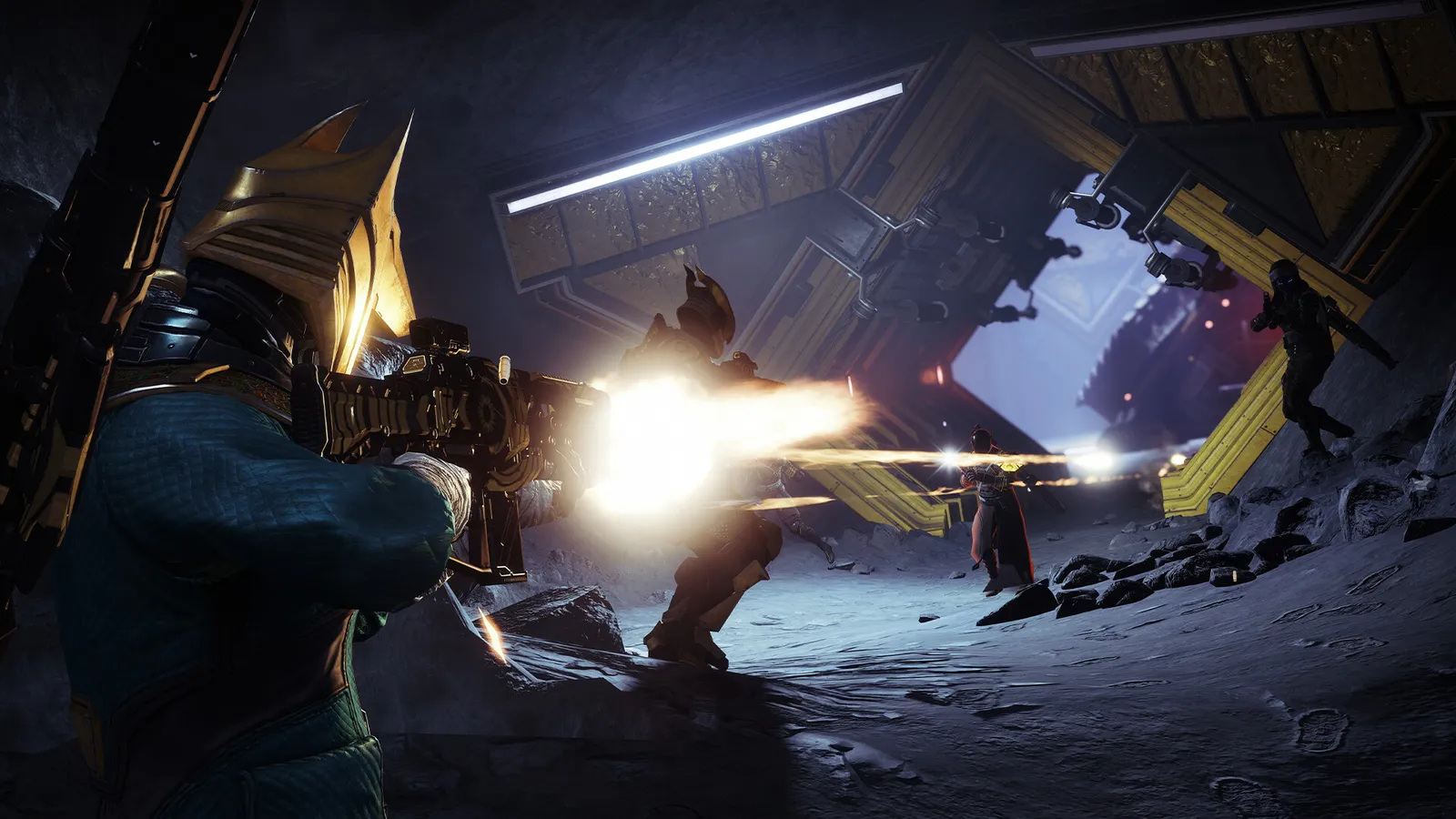
Maintenance mode does not mean the servers are going dark. Destiny 2 will remain playable. You can still log in, run raids, grind Trials of Osiris, complete the seasonal content that existed before the final update, and explore the campaigns that are still available. The game is frozen in time but not deleted. What stops is any expectation of new content, balance changes, or active bug fixes beyond the most critical issues. When a map has an out-of-bounds exploit that ruins Crucible matches, Bungie fixed it in this final patch and confirmed they would try to address the most severe issues if resources allow. But the structured pipeline of development that produced expansions and seasons is gone.
The patch notes for 9.7.0.3 tell you everything about what Bungie was able to do with what time they had. Crucible suspensions now show the correct timer. The Meltdown map had several out-of-bounds spots fixed. The Consecrated Mind boss in Pantheon had its tether mechanic reverted after a previous fix made the encounter much harder than intended. Two raids had elevator kills addressed. A handful of armor ornaments were patched for visibility issues. It is the kind of housekeeping list you write when you know this is the last chance to clean anything up. The developers even left a wry note in the patch about the elevator kills: 'Wait a minute, we've heard this one before.'
Community reaction has been what you would expect from a playerbase that has been through this for nine years. There is grief. There is gratitude. There are players who have not touched the game in two years logging back in to grab the farewell emblem and run one last strike. There are others who are angry that Sony and Bungie did not find a way to keep the lights on, especially given that the final update generated enough of a player response to prove the audience still existed. The more resigned voices are pointing out that the economics of live-service games at this scale were not going to pencil out without a major new release driving subscription and expansion revenue, and that Bungie did not have one ready.
Here is the take from this side: Destiny 2 was a genuinely weird game to love. It had years that were flat-out bad, where Bungie was clearly making decisions driven by monetization pressure more than design sense. It had content vaulting that was embarrassing for a game charging for expansions. It had a live-service structure that asked players to be always present or fall behind. And it also had raid encounters that were some of the best cooperative design in a decade of gaming. It had a gunfeel that no other shooter has matched. It had a world and a lore that were more interesting than the game usually gave them credit for being. None of that disappears when the servers stay up but the patches stop. It just becomes permanent. Destiny 2 is now the game Bungie left behind at patch 9.7.0.3, and for the players who are still there, that is what they get to keep.