Don't Nod May Run Out of Cash by November as Tencent Walks Away from the Life is Strange Studio
By CriticalPixel ·
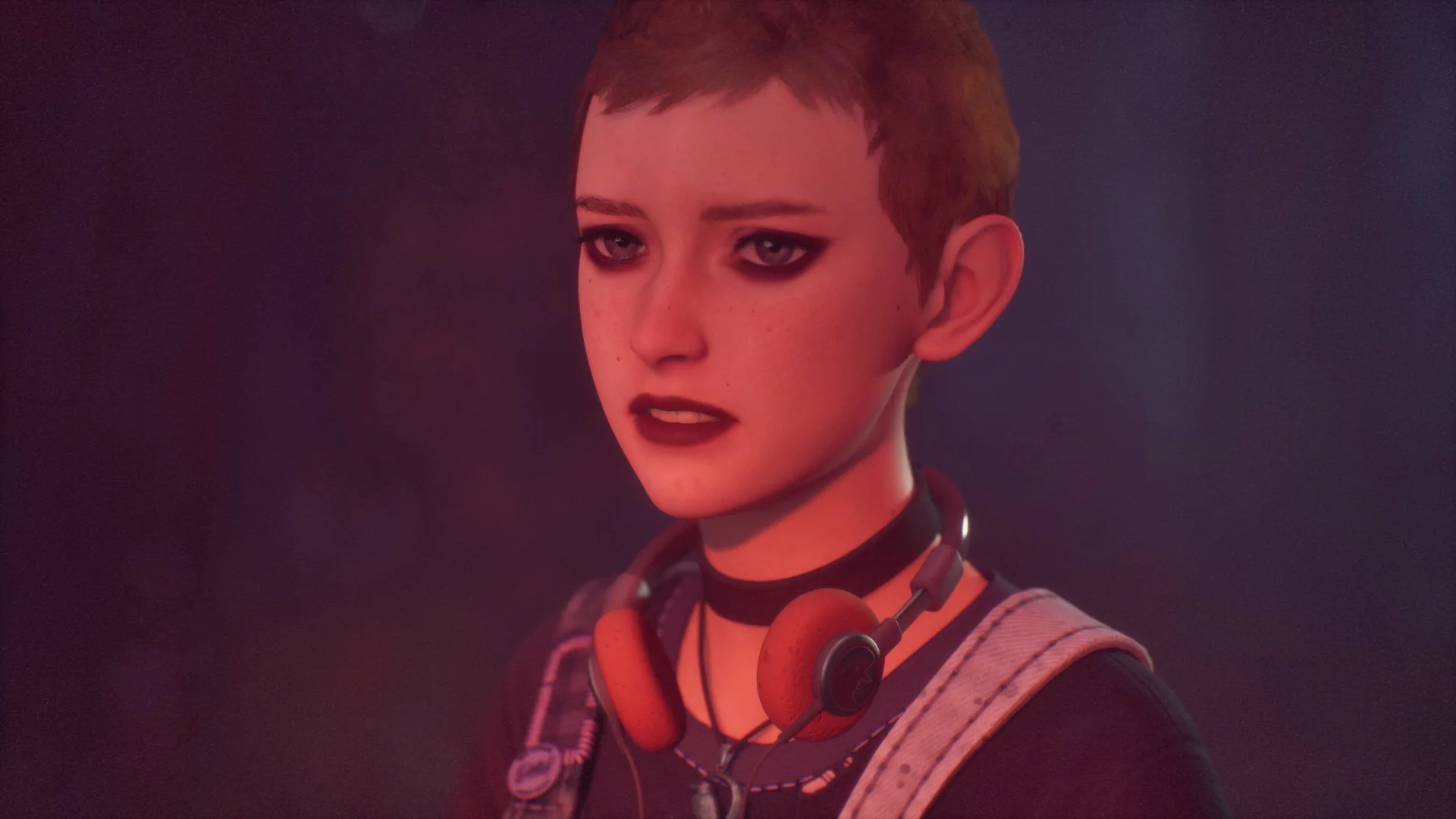
Don't Nod Entertainment is in serious trouble. The French studio behind Life is Strange, Lost Records, and Aphelion disclosed in a financial audit that its cash reserves could be completely gone by November 2026. That is not a vague projection. Their statutory auditors flagged it formally. And the company's largest investor, Tencent, has reportedly walked away from the table without writing another check.
The Numbers Are Not Good
As of April 2026, Don't Nod had roughly 8.8 million euros in cash. That sounds like a buffer until you factor in the costs of a studio with dozens of full-time developers, office leases in Paris and Montreal, and an unfinished game still in production. The audit report was first surfaced by journalist Gauthier Andres on Bluesky and analyzed by French outlet Gamekult. It paints a picture of a studio that has burned through its runway faster than anyone expected and now has nowhere to land safely.
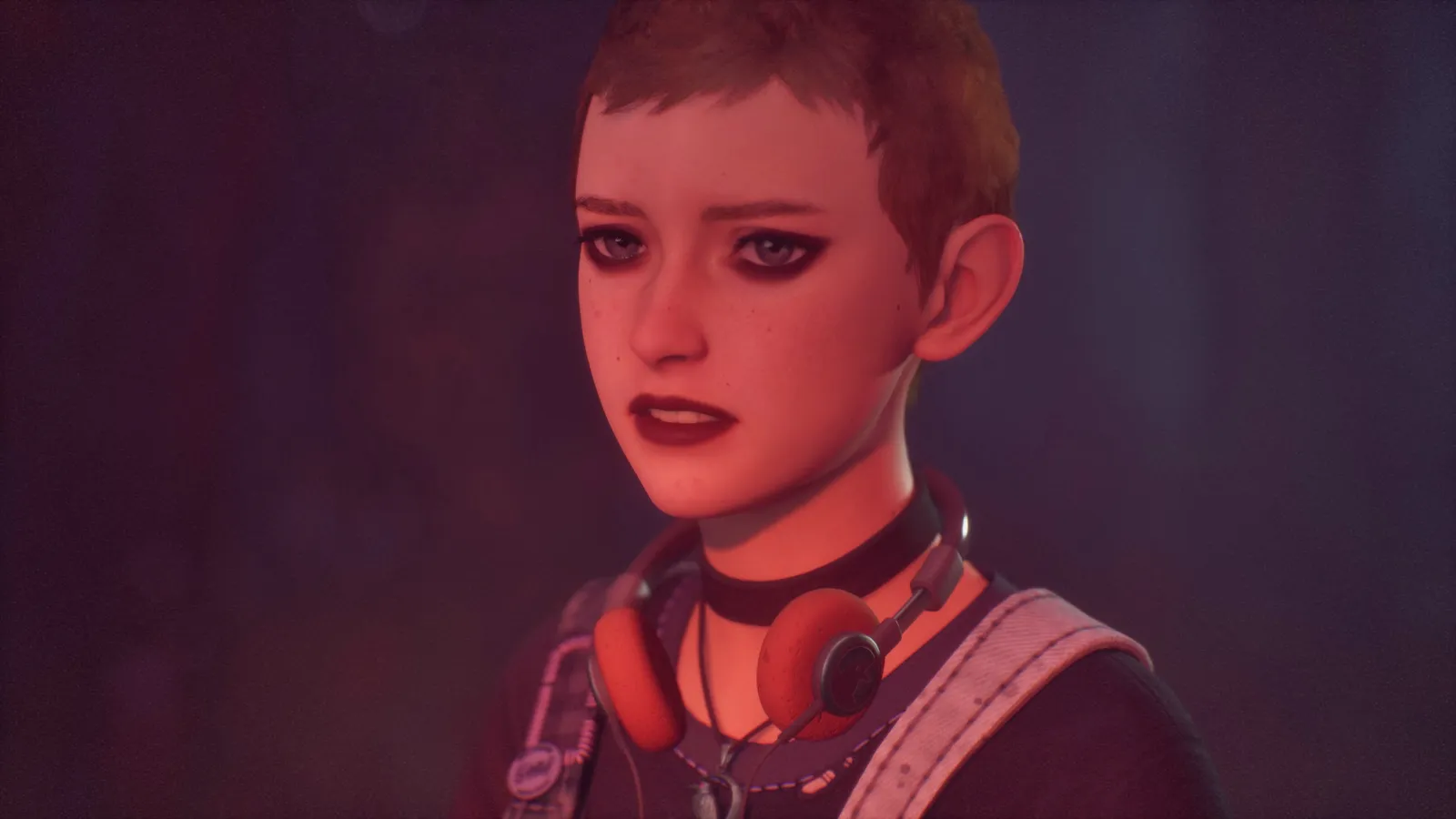
The situation with Tencent makes everything worse. The Chinese conglomerate acquired a 42 percent stake in Don't Nod back in 2021, when post-pandemic investment in games was near its peak. Now, when Don't Nod needs that relationship to mean something concrete, Tencent has reportedly told the studio it will not fund the next project and has no interest in increasing its financial stake. A 42 percent owner that refuses to write a check when the company is heading toward insolvency is not a partner in any meaningful sense - it is a liability with voting rights.
Aphelion Was the Breaking Point
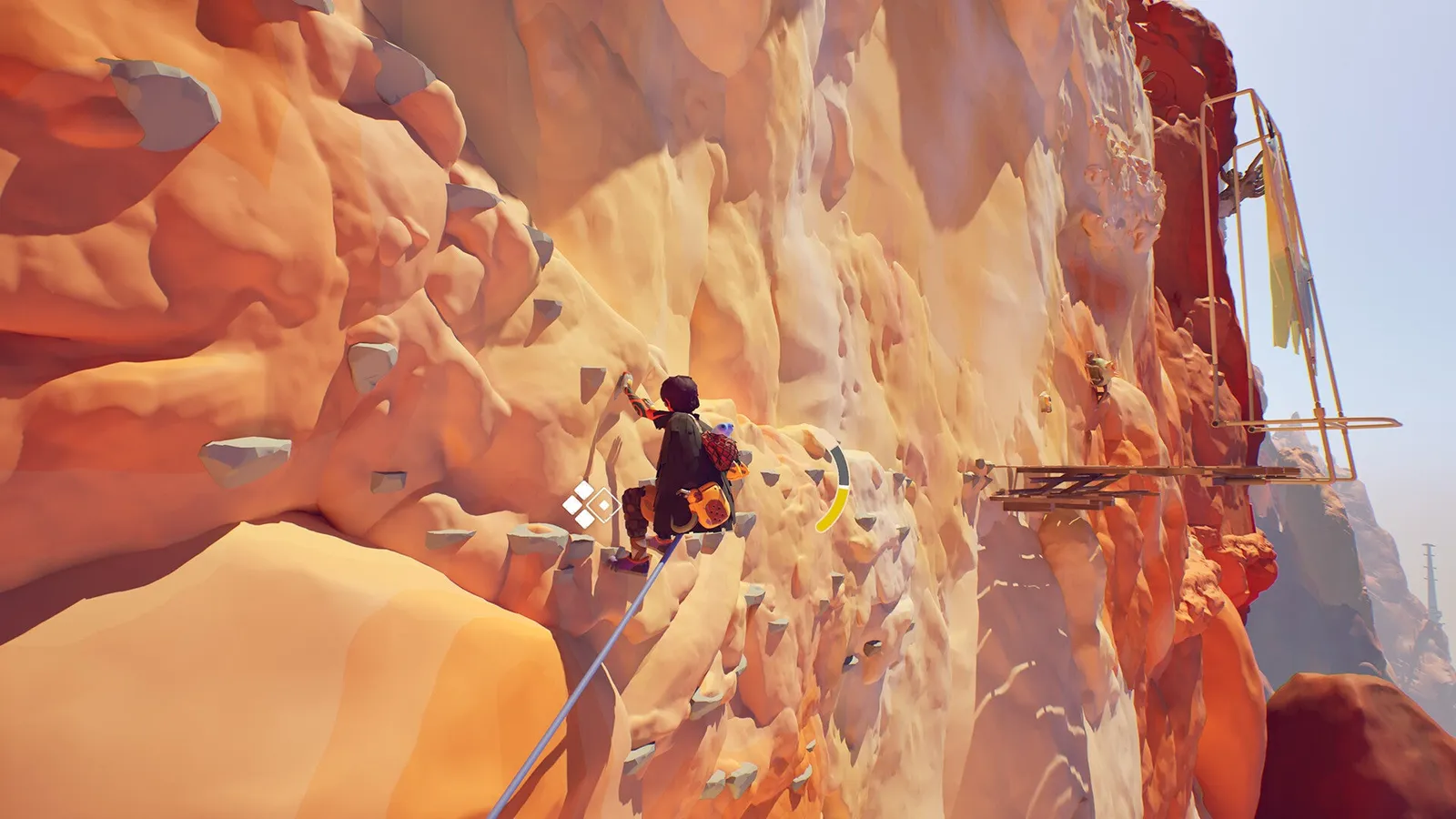
The studio has been bleeding for a while. In 2024, Don't Nod announced a redundancy plan following the disappointing performance of both Jusant, a climbing game, and Banishers: Ghosts of New Eden, an ambitious action-RPG that deserved more than it got commercially. Those titles were supposed to prove the studio could build successful franchises outside the Life is Strange brand. Instead, they underperformed and deepened the financial strain with no clear way out.
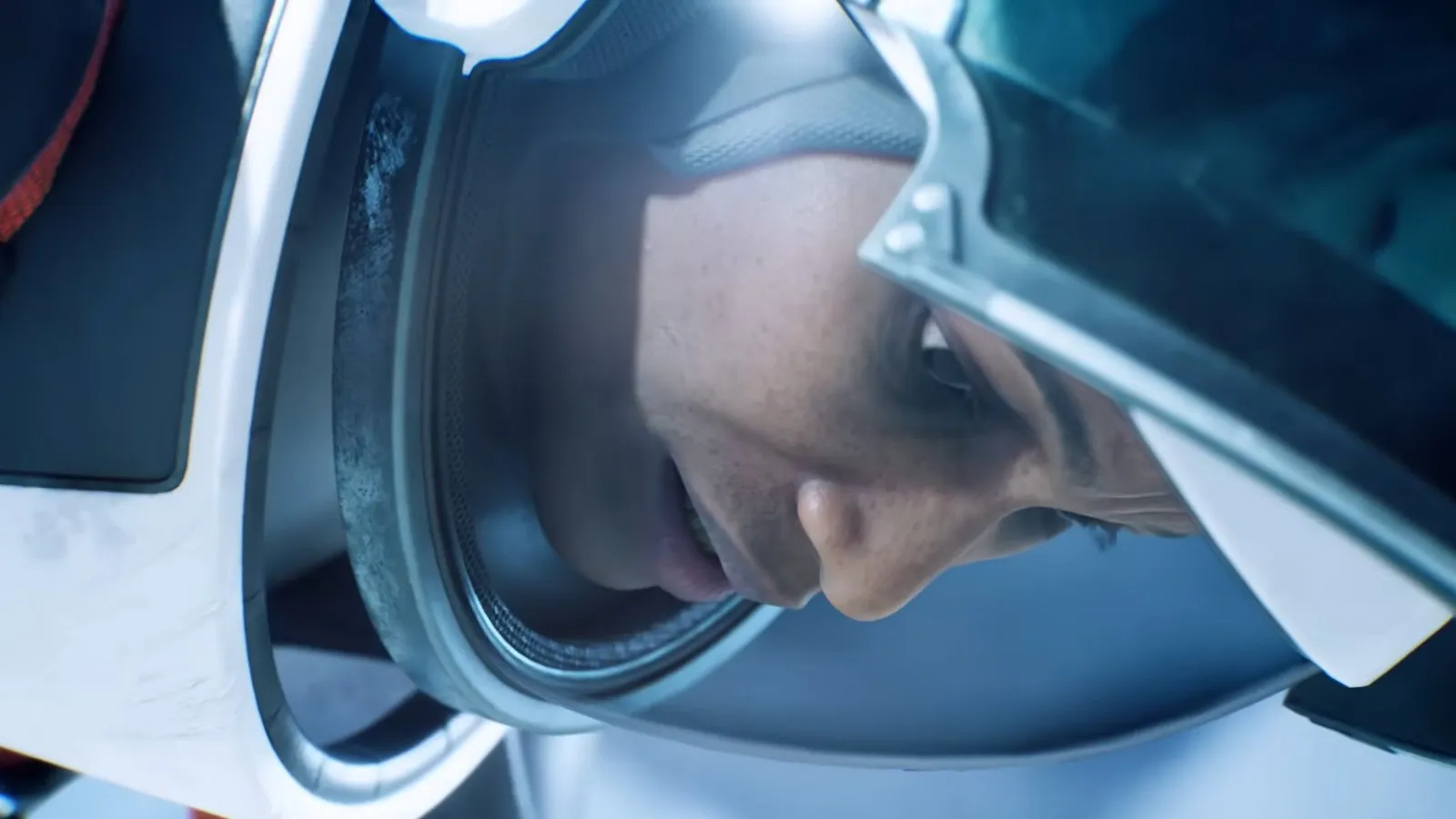
Then came Aphelion in 2026. The space exploration game was Don't Nod's biggest swing in years, and by most accounts it failed to connect with a wide audience. Critics noted its ambition but the game moved far fewer units than the studio needed to stabilize its finances. What was supposed to be a turning point became another data point for investors already questioning whether Don't Nod could consistently deliver commercial hits.
Project P14 and the Board Meeting
Studio president Oskar Guilbert has been in active discussions with potential publishers to secure funding for Don't Nod's next game, internally known as Project P14. As of this report, none of those conversations have produced a commitment. The studio is apparently scaling back the project's scope and may push for an earlier release date to cut development costs. That is the kind of decision you make when survival is the primary goal and ambition becomes a luxury you cannot afford.
Don't Nod's board of directors meets on June 17 to discuss what options remain. The outcomes are not public yet, but the realistic paths range from a last-minute publisher deal to further layoffs, an acquisition at distressed prices, or an outcome nobody wants to say out loud. None of those scenarios guarantee the studio comes out the other side intact or independent.
Why This Keeps Happening
Don't Nod is not an outlier here - it is a symptom of a broader pullback. The same pattern has played out repeatedly over the past year. NetEase abandoned Yakuza creator Toshihiro Nagoshi's new project, Gang of Dragon, after the studio requested additional funding to finish it. NetEase also shut down Bad Brain Studios, a team built from former Watch Dogs: Legion developers. Tencent itself closed TiMi Montreal earlier this year, wiping out a group of ex-Ubisoft talent that had been mid-development on a major open-world project. Chinese investment in Western games studios went in fast and hard during the pandemic boom and is now contracting with the same speed, leaving studios that depended on it scrambling.
The uncomfortable reality is that studios built on the back of a single beloved franchise face a hard ceiling when they try to grow beyond it. Fans of Life is Strange 1 and 2 did not automatically follow Don't Nod to Banishers or Aphelion. That is not how gaming audiences work. Diversification is the right business instinct, but it requires time and runway. Investors who entered at peak 2021 valuations have neither the patience nor the incentive to keep funding studios through commercial stumbles.
What the Industry Loses If This Studio Closes
If Don't Nod disappears, the industry loses a studio that made games other developers were not making. Life is Strange remains one of the most emotionally distinct adventure games ever built. Lost Records: Bloom and Rage, released in early 2025, showed the team still had genuinely interesting ideas about narrative and player agency. Jusant was a small, quiet, beautiful thing about climbing a flooded world. Banishers had a premise almost no other studio would have greenlit. None of that saves you from a cash crunch when Tencent stops returning your calls.
The board meeting on June 17 will likely determine whether Don't Nod survives in any recognizable form. If a publisher steps forward before November, this story has a different ending. If not, the studio that gave players Max and Chloe becomes another name on the list of developers who ran out of road during the industry's correction phase. The talent will scatter. The projects in development will either change hands or disappear. That is the trajectory unless something changes in the next few months - and the window is closing fast.