Dragon Quest I, II, and III HD-2D Remakes pass 4 million copies sold
By CriticalPixel ·
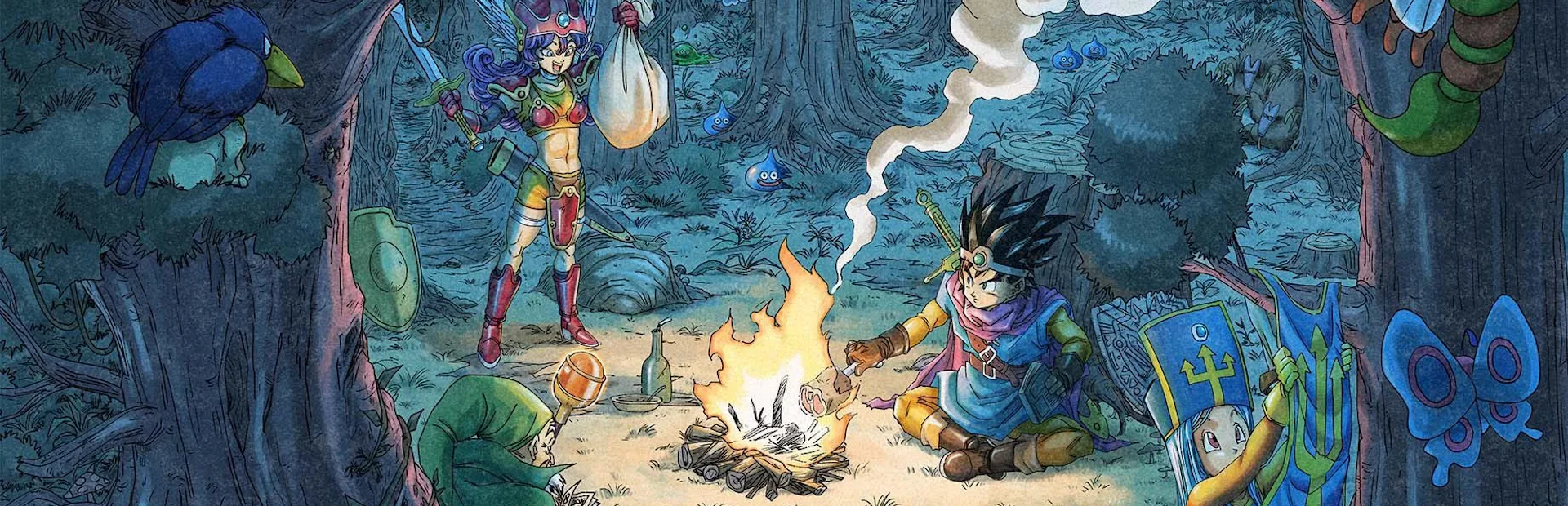
The Dragon Quest HD-2D Remake series just crossed a milestone that deserves more attention than it is getting. Square Enix confirmed today that Dragon Quest I, II, and III combined have sold over 4 million copies across their HD-2D remakes, a number that puts the revived classic JRPG series firmly in the conversation as one of the more successful remake projects of the past two years. This covers both DRAGON QUEST III HD-2D Remake, which launched in November 2024, and DRAGON QUEST I & II HD-2D Remake, which released in October 2025. Four million units across two releases and roughly 18 months of sales is not the kind of number you see from a gamble on 1980s nostalgia. This was a calculated bet Square Enix made on prestige pixel art and proper remake production values, and it paid off.
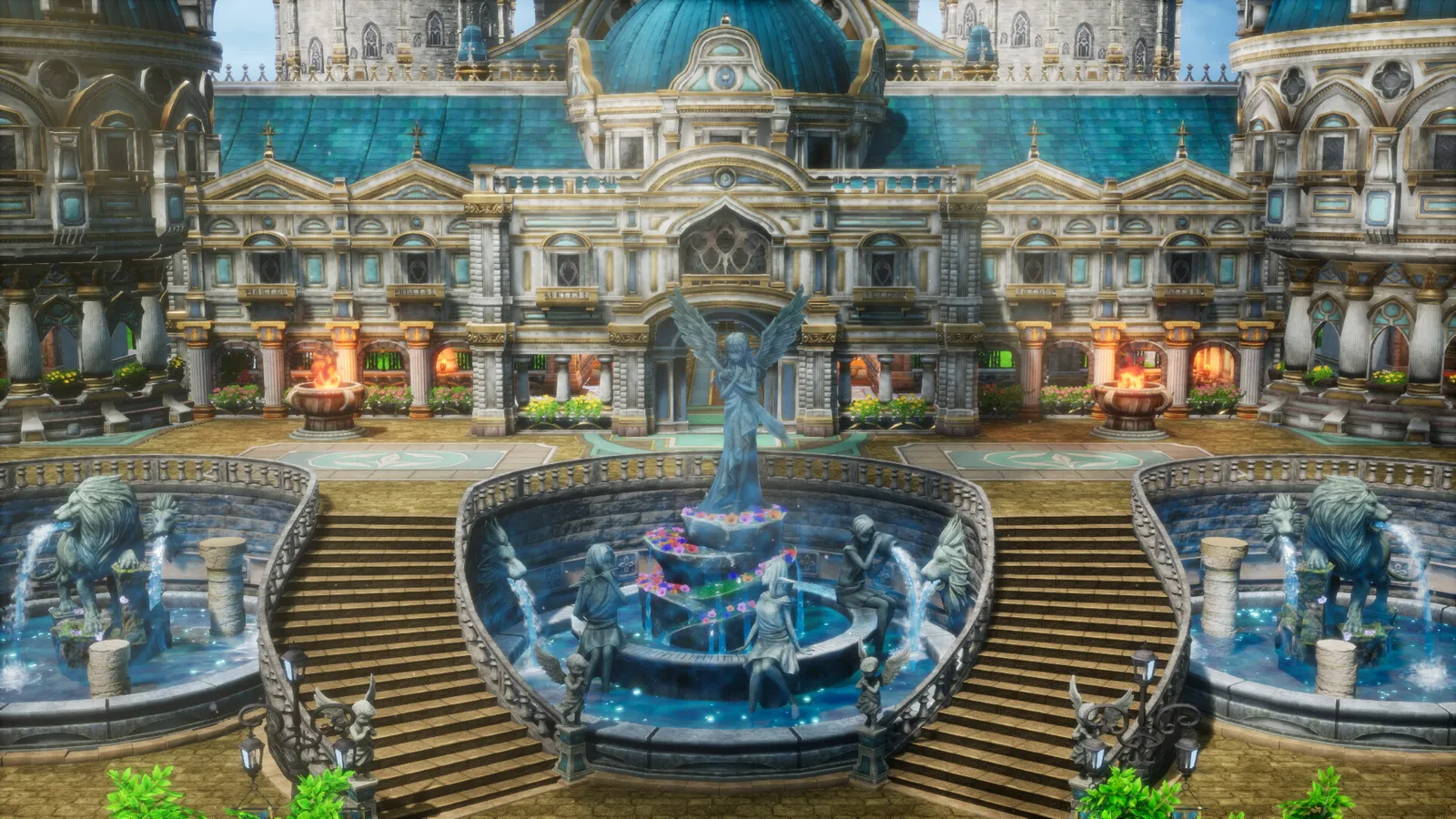
What the HD-2D remakes actually are
If you have never played the originals, here is the short version: Dragon Quest is the founding franchise of Japanese RPGs. The first game came out in 1986 on the Famicom and defined the template that every JRPG copied for the next decade. Dragon Quest III in particular is considered one of the greatest RPGs ever made, a game with a plot twist that still lands hard even if you already know it is coming. The problem is that these games are old, and the old versions are a genuine chore to look at and navigate in 2025. Square Enix applied the HD-2D visual style pioneered by Octopath Traveler, which layers beautifully detailed pixel sprites over a fully 3D rendered environment with bokeh depth of field and dynamic lighting. The result looks like someone built a diorama of the original game and then filmed it at golden hour. It is genuinely stunning and it makes games from the 1980s feel like they belong on a modern 4K screen.
DRAGON QUEST III HD-2D Remake launched first, in November 2024, and it was a critical hit across Nintendo Switch, PlayStation 4, Xbox One, and PC. The remake maintained the core structure and story of the original while adding quality-of-life improvements that make the game accessible without dumbing it down: adjustable difficulty, an expanded job system with new content, flexible party options, and a faster pace that does not sacrifice the sense of scale the original was known for. Following that success, Square Enix released DRAGON QUEST I & II HD-2D Remake in October 2025, bundling both of the earliest entries in the franchise into a single package with the same visual treatment. That launch carried the brand momentum from DQ III into a broader audience who wanted the complete origin story of the series, and it reviewed just as well. Two strong launches in under two years set up the milestone announced today.
4 million copies is a stronger number than it looks
To put this in context: Dragon Quest has historically been a much bigger deal in Japan than in the West. Dragon Quest XI sold around 6.5 million copies globally across several years of availability and ongoing platform ports. The HD-2D line achieving 4 million combined across remake titles of games that many Western players have never touched is a genuinely impressive result. These are not easy sells. You are asking people in 2025 and 2026 to buy turn-based JRPGs with encounter-heavy dungeon crawl structures from the 1980s at $49 to $59 a piece. The fact that 4 million people said yes says something both about the quality of the execution and about how much appetite there is for classic game revival done properly, not just a game slapped with new textures and shipped at full price.
The comparison that matters here is the Final Fantasy Pixel Remasters, which Square Enix released as a series of HD ports between 2021 and 2022. Those got a rocky reception because of font choices, content cuts, and a general sense that they were lower effort than the source material deserved. The Dragon Quest HD-2D approach costs more and takes longer to build, but the payoff is a product that reviewers and players treated as the definitive version of those games rather than a compromise. When people feel like a publisher actually respected the source material, they buy it and they recommend it. Four million copies is the proof.
How the community is reacting
The 4 million milestone announcement hit social media this morning and the gaming community response was overwhelmingly positive, with predictable caveats. The dominant conversation across Twitter and gaming forums was fans celebrating the number and immediately pivoting to demanding what comes next. Dragon Quest IV, V, and VI are grouped as the Zenithian Trilogy, and DQ V in particular has a fanbase that has been waiting decades for a proper modern release. Dragon Quest V: Hand of the Heavenly Bride follows a character from childhood through adulthood across three generations, includes a marriage choice mechanic that players still argue about to this day, and has a story that hits harder than most full-budget JRPGs released in recent years. The secondary conversation was around pricing: at $59.99 for DQ III and $49.99 for DQ I & II on PC, some players feel the games are priced at a premium relative to their perceived scope. That criticism is not without merit, but it misses the real cost of HD-2D production and the sheer volume of content these games contain once you commit to them.
What Square Enix does next
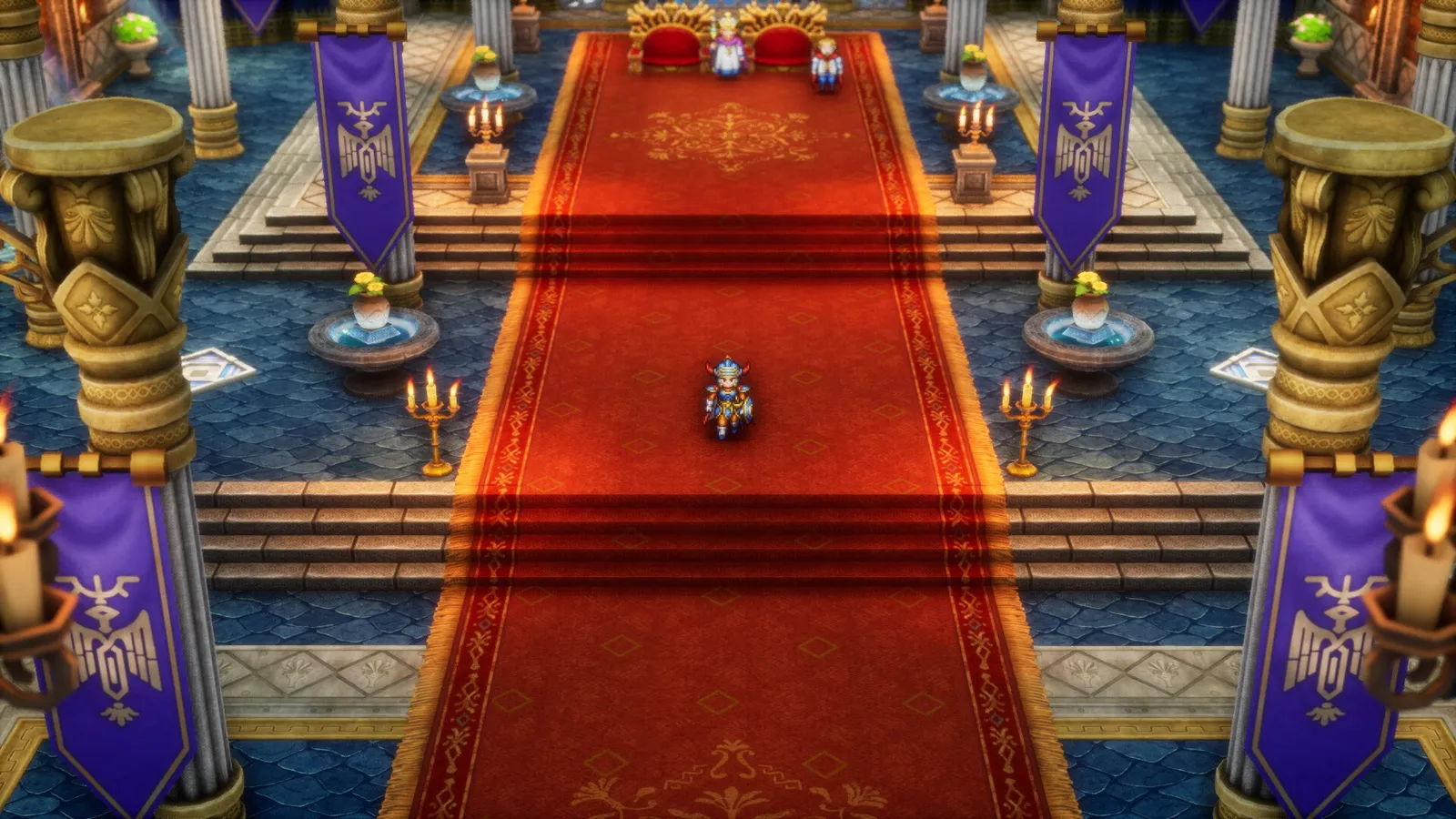
Square Enix has not officially announced the next HD-2D Dragon Quest project, but 4 million copies sold makes the path forward obvious. The Zenithian Trilogy (Dragon Quest IV, V, and VI) is the natural next step, with DQ V being the title most fans are watching for. DQ V: Hand of the Heavenly Bride is a generational epic with one of the best stories in JRPG history and it has never had a widely available Western release. Applying the HD-2D treatment to that game and releasing it globally across all modern platforms would be a bigger commercial moment than either of the releases that came before. The question is not whether Square Enix will do it. The question is how long the studio takes to greenlight and build it, and whether they announce DQ IV and V separately or pair them the way they did with DQ I and II.
The broader takeaway from today is that Square Enix has found a working formula for its legacy catalog. The HD-2D engine gives them a cost-effective way to modernize games that would otherwise be inaccessible to new players, and the execution has been good enough to earn real critical praise rather than nostalgia-driven goodwill alone. Four million units across two remake projects in under two years is a clean signal. If you have never played Dragon Quest and you are wondering where to start, DRAGON QUEST III HD-2D Remake is the answer. It is the most complete and best-looking version of the best entry in the series, it runs on every modern platform, and it is currently on sale. The franchise is in better shape today than it has been in years.