Frontier Developments Locks Disney Deal to Build a New Creative Management Sim on the Studio's CMS Engine
By CriticalPixel ·
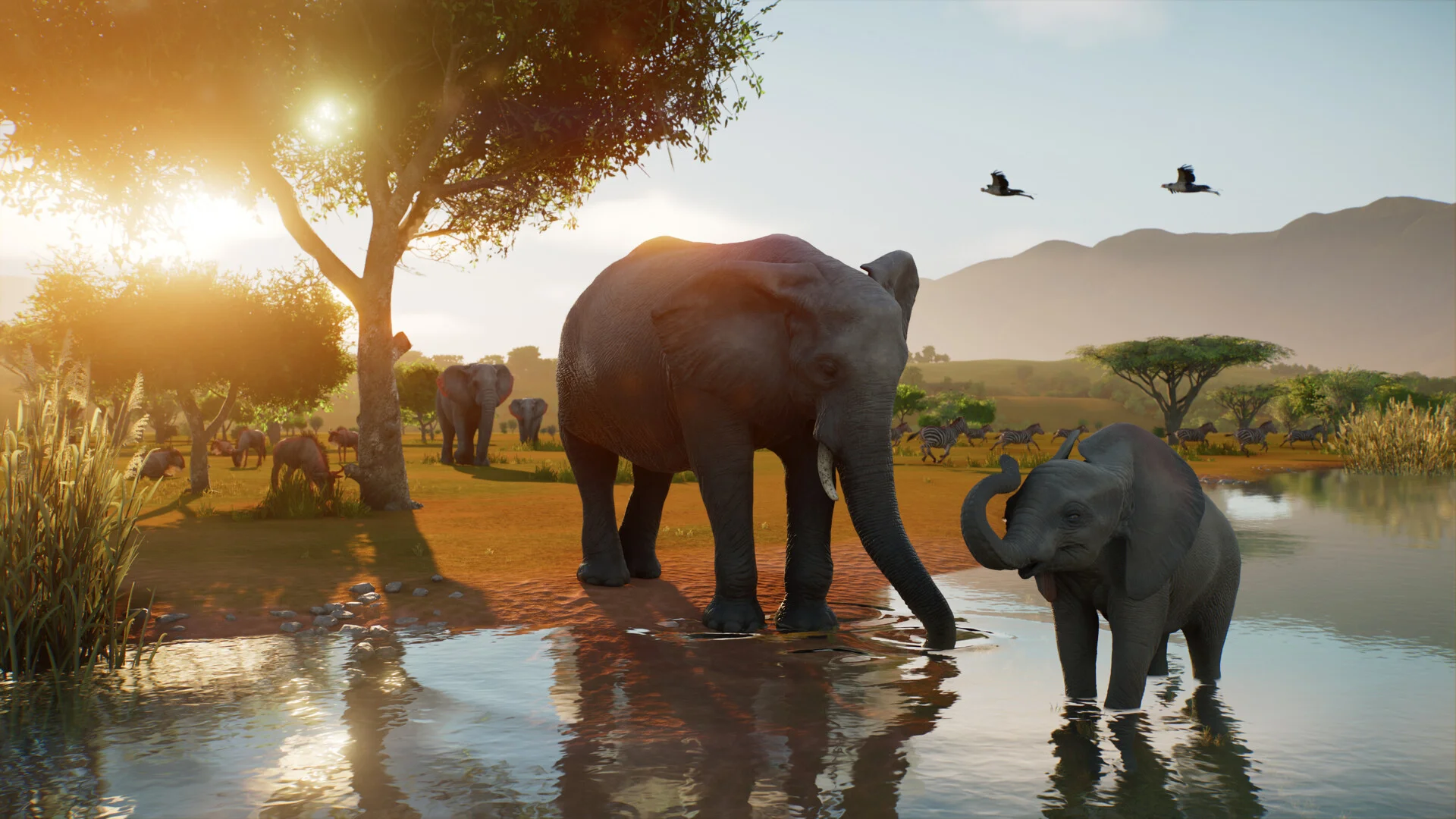
Cambridge-based Frontier Developments, the studio behind Planet Coaster, Planet Zoo, and the Jurassic World Evolution series, signed a multi-project deal with Disney to develop a brand-new game drawing on the Mouse House's IP. Frontier fully funds the project, owns development, and is handling publishing. The studio's Cambridge and Winnipeg teams will build it on the proprietary Cobra engine Frontier has refined across 30 years of management sim work.
What Disney IP the new game adapts, and what kind of management sim it will actually be, is the open question. Frontier CEO Jo Cooke confirmed in the press release that the project will sit inside the same Creative Management Simulation lane as Planet Coaster and Planet Zoo, which rules out a straightforward action-adventure or story-led single-player game. The deal says only that the title will draw on Disney's broader portfolio of franchises. Anyone who has watched Frontier build a park sim with deep staff schedules, guest AI, and per-animal welfare systems knows how cleanly a Disney IP slot can map onto that toolkit. The wild card is which Disney property gets picked.
Why a Disney management sim is a Frontier-shaped fit
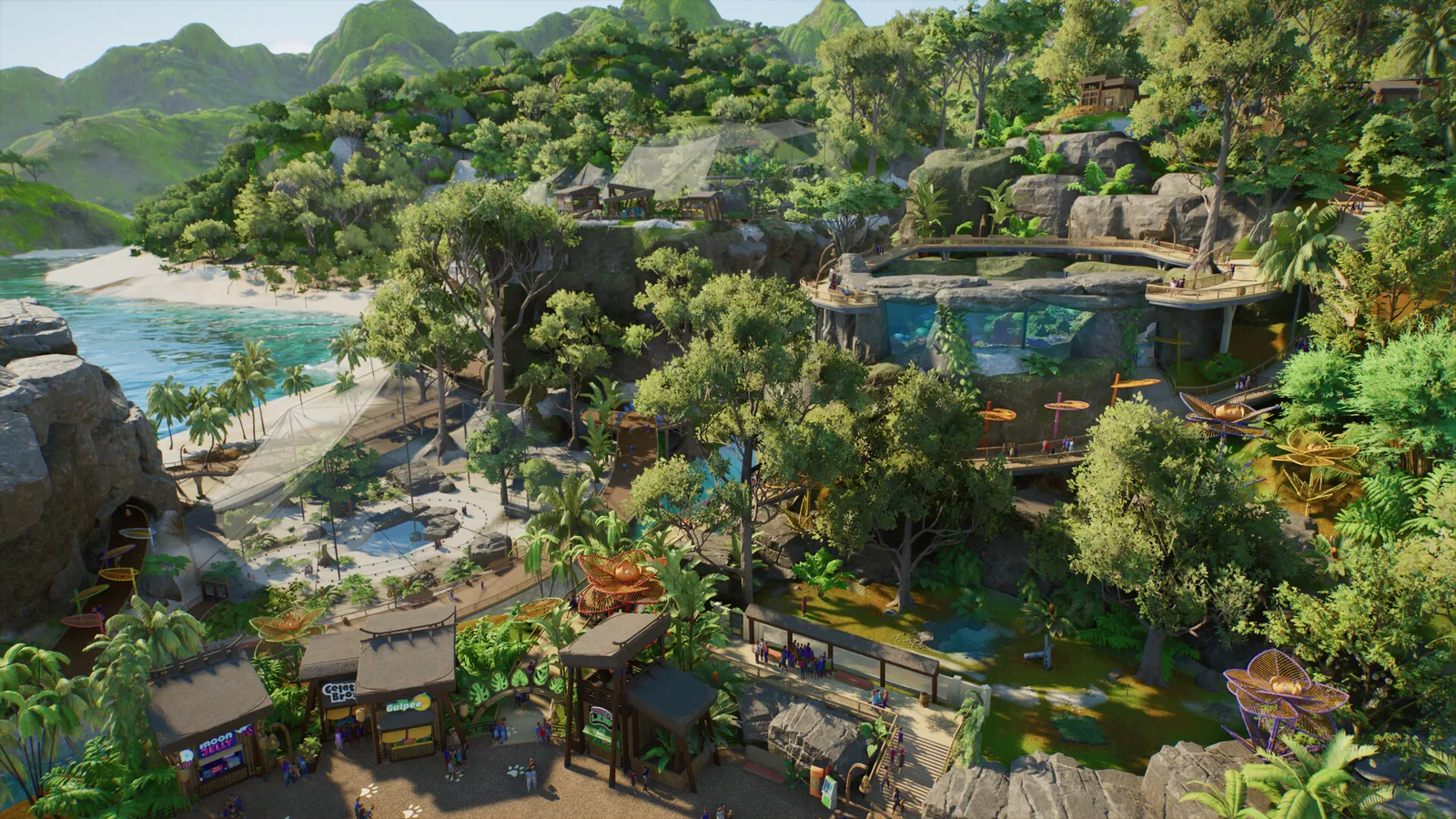
Frontier's catalog already touches Disney-adjacent territory. The Planet Coaster and Planet Zoo franchises let players build and run theme parks and zoological parks with surprisingly granular control over guest experience, ride upkeep, staff scheduling, and exhibit design. Jurassic World Evolution 3, the studio's most recent release, runs the same CMS engine across a different subject, dinosaur enclosures on the Five Deaths islands. The studio's recent CMS pedigree plus the proprietary Cobra toolchain means Frontier can credibly deliver a management sim built on a Disney IP without retooling.
The creative management simulation pitch works on a Disney story layer that has been mostly dormant in games. Disney owns Marvel, Star Wars, Pixar, ESPN, ABC, Hulu, and the legacy animation and theme-park roster. Disney Interactive has shipped games, but its recent output has favored licensed work and family-friendly mobile fare rather than deep simulation. Frontier, by contrast, ships the kind of systems-heavy, long-tail PC games that treat players as managers rather than heroes. Picking any Disney IP and giving it the Planet Zoo treatment would be a clear win on both sides.
What the Frontier team is saying
Jo Cooke, Frontier's chief executive, framed the deal around long-running CMS expertise. The studio is 'delighted' to announce the collaboration, which 'further reinforces' the strategy of building world-class creative management simulation franchises. Cooke positioned the goal as connecting 'a passionate creative community of players with one of the world's most iconic and beloved brands,' and pointed at the in-house talent as the reason the project landed.
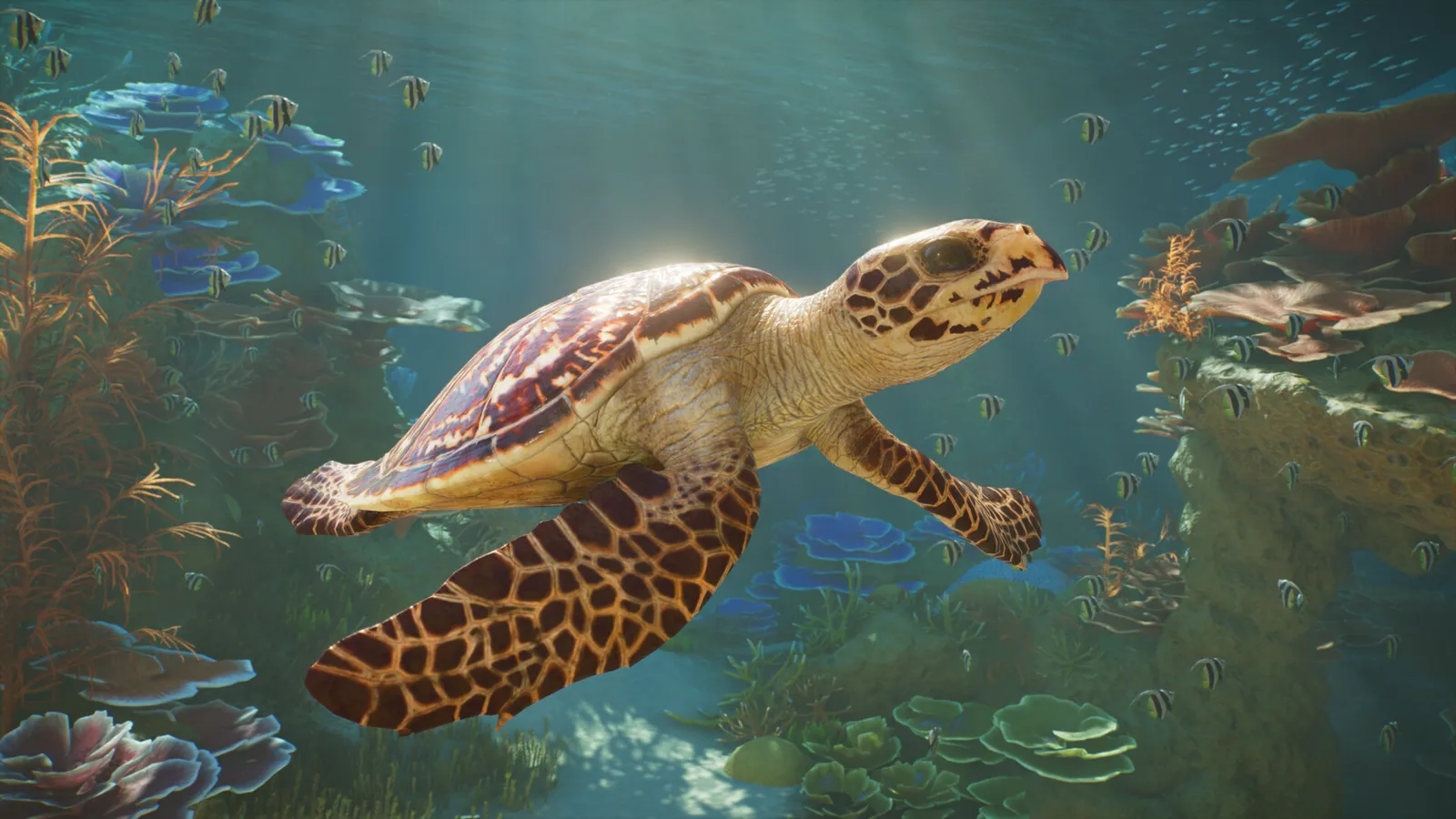
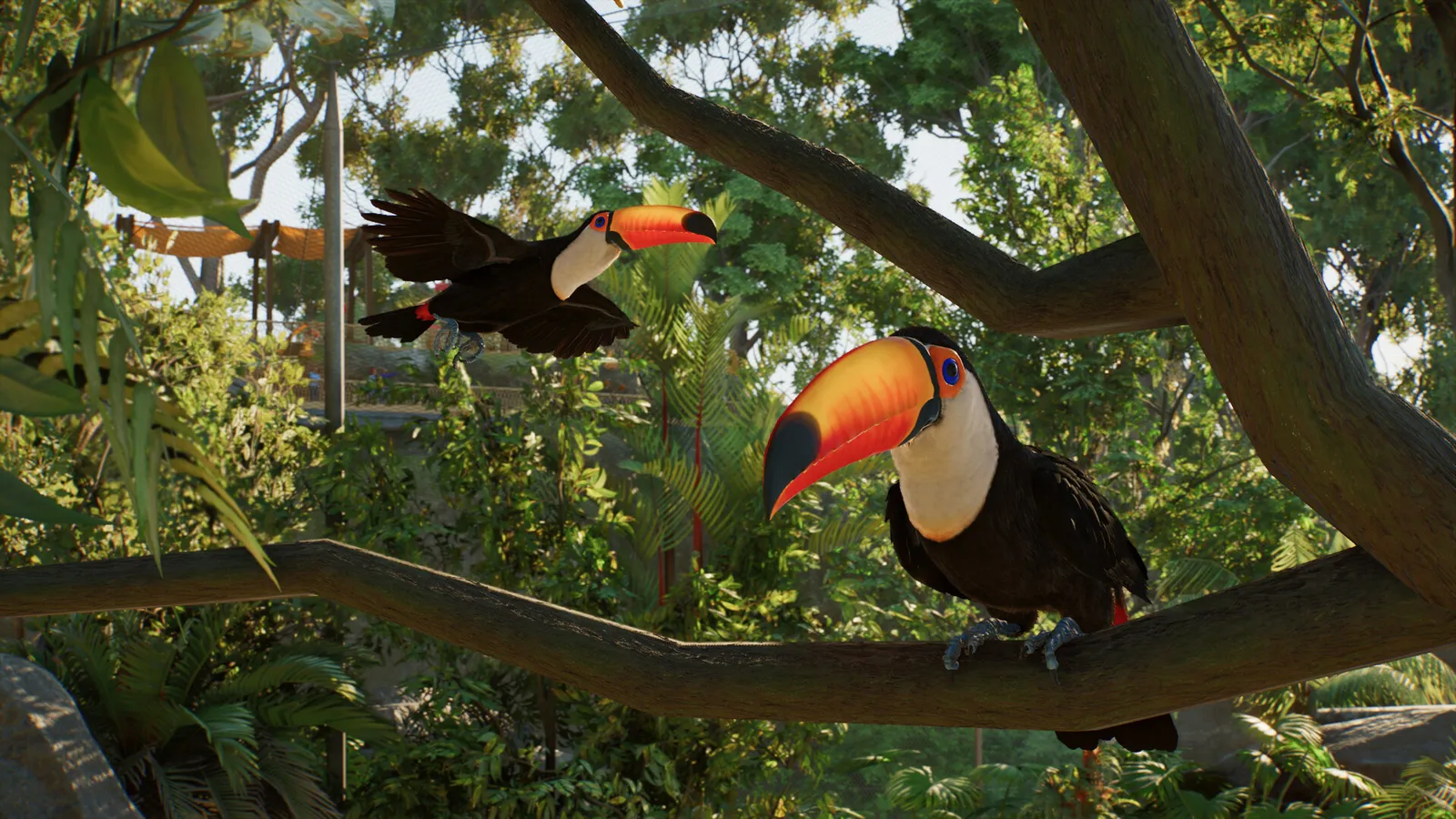
Frontier Developments trades on the London Stock Exchange's AIM market under the symbol FDEV. The press release lands just one week before the studio reports its quarterly earnings, a notable timing detail for any investor watching how CMS-heavy the roadmap looks going into the October launch of Planet Zoo 2. The studio has been on a strong run. Planet Zoo 2 ships on 13 October 2026 across PC, with console versions and a wide expansion of the animal roster including flying and fully aquatic species. Jurassic World Evolution 3 remains the most recent shipped title and continues to get expansion content. Chaos Gate: Deathwatch, a Warhammer 40K tactics game, is also on the near-term roadmap.
Community reaction lands on management sim wishlists
Coverage of the deal crossed major gaming outlets within hours of the announcement, including IGN, Wario64, Gematsu, VGC, Famitsu, and Eurogamer. Wario64's post alone cleared 700 likes and 100 reposts in the first hours. Reaction split into two camps. Half of the replies and quote-posts point at a Disney theme park management game, the obvious fit given Frontier's history, and float castle layouts, ride upkeep, and parade scheduling as the gameplay skeleton. The other half pushes for an animated-franchise management sim, with frequent calls for Pixar, Marvel, or Star Wars settings. Either way the loudest single reaction on X is relief that Disney is licensing the IP to a developer with a track record rather than handing it to an internal team with no CMS experience.
A quieter but telling reaction sits in the financial press. Disney has spent the past year trimming licensed output and pulling older titles from storefronts. A long-running, fully funded deal with a public company that already publishes games across PC and console lines up with that cost-control strategy. Frontier takes on the development cost and gets a high-profile IP to anchor a new franchise, and Disney gets a management sim franchise attached to its IPs without standing up another internal studio.
What to watch next
The first material signal will be the IP reveal. Frontier's existing CMS games always start with a clear subject, a theme park, a zoo, a dinosaur park, a sci-fi setting, before any UI or sandbox toolset shows up. Whichever Disney franchise shows up first in the marketing will tell us what kind of management sim we are looking at. The second signal is timing. Planet Zoo 2 launches 13 October 2026 and absorbs most of the studio's bandwidth through the end of the year. Expect first official Disney title news sometime in 2027, with a likely reveal window tied to the studio's preferred dates around its own fiscal year and the games industry show cycle.
For now, Frontier has a Disney logo on a press release, a still-unnamed management sim, and a Cobra engine that already handles deep simulation at scale. That is enough to keep the speculation running until the studio picks a franchise and starts showing concept art.