Games Workshop Sends Cease and Desist to Warhammer 40K Tabletop Simulator Mods During 11th Edition Launch
By CriticalPixel ·
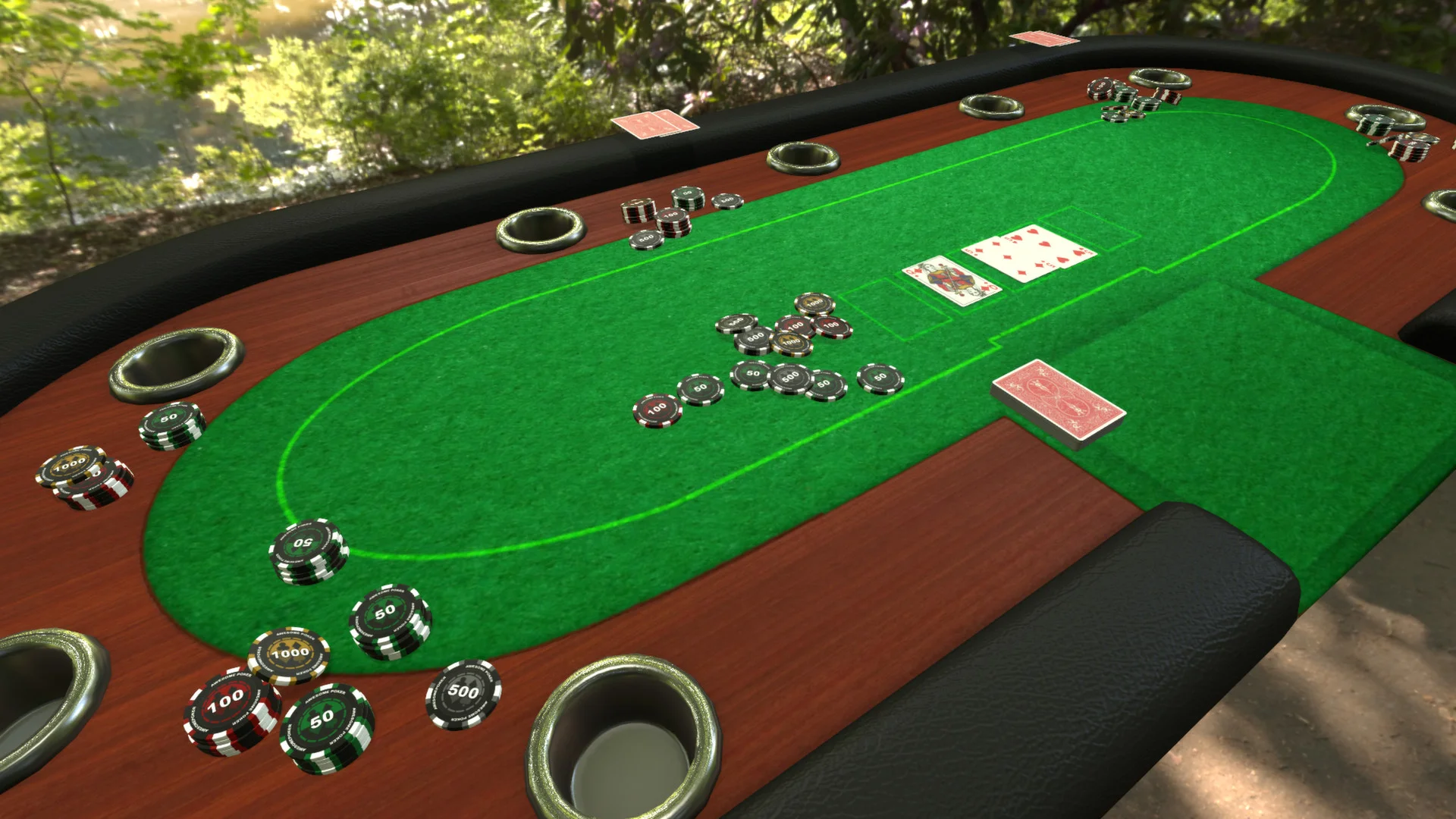
Games Workshop has sent cease and desist requests to the creators of popular Warhammer 40,000 mods in Tabletop Simulator, pulling some of the most-used community tools for playing the iconic tabletop game digitally. The timing is not a coincidence: this week saw the launch of Warhammer 40,000 11th Edition, the biggest rules overhaul in the company's history, and GW clearly does not want fans playing the new ruleset for free on a PC. Two of the most high-profile mods on the Steam Workshop are now gone, their creators left to tell a frustrated community to back up everything and wait.
The first to go was a map by a modder named hutber, who had uploaded an 11th Edition-compatible layout to the Tabletop Simulator Steam Workshop just one week before the takedown. Hutber posted on Reddit that the map was removed after a direct request from Games Workshop, adding that this is GW's right and the community cannot complain. That kind of resigned acceptance says a lot. Seasoned Warhammer 40K TTS fans know the cycle. The mods go down, people get angry, and then things quietly return months later.
The Mods That Got Hit
The second and bigger casualty is ForceOrg, a comprehensive Warhammer 40,000 mod that lets players manage armies and run full games inside Tabletop Simulator. Its creator, Seaborne, announced the removal with a bleak nod to Warhammer lore: 'Regrettably, this is going to be our version of the Dark Age Of Technology.' In Warhammer fiction, the Dark Age of Technology was the period when humanity's accumulated knowledge was wiped out, setting civilization back thousands of years. Seaborne chose those words deliberately.
Players already subscribed to ForceOrg on Steam Workshop may still have access for an uncertain amount of time, but new subscribers cannot get in at all. Seaborne's advice to the rest of the TTS Warhammer 40K modding community was stark: hide your work, delist mods, create backups, and wait for the coast to feel clear. The situation around ForceOrg's long-term future was set to be determined within 48 hours of the announcement.
Why Games Workshop Does This
Games Workshop has been running this playbook for years. The company maintains a strict internal policy around how Warhammer 40K video games can work: they must offer something complementary to the tabletop experience, not a direct recreation of it. There are dozens of Warhammer 40K video games on the market, from action shooters to grand strategy titles, but none of them let you field an actual army list on a virtual tabletop following the official movement and attack rules. That gap is not an accident. GW wants that experience to require physical miniatures, physical rulebooks, and physical play.
Tabletop Simulator mods close that gap completely. You can field a Space Marines force against Tyranids, follow the official 11th Edition rules, measure ranges, roll dice, and never spend a single dollar on plastic. For a company whose box sets start at $60 and whose competitive armies can cost $300 or more before paint and time, a free digital workaround is a direct threat to revenue. The crackdown landing exactly at 11th Edition launch is not subtle. GW put out its biggest rules update in years and does not want the free alternative cutting into day-one sales.
The Community Is Done With This
Reaction in the Warhammer community was swift and negative. On Twitter, users highlighted the brutal irony of Games Workshop targeting fans who spent years building high-quality digital tools, often because the physical hobby is financially out of reach or geographically impossible. One user pointed out that GW pulled this right 'on the eve of a major hype stream for new model kits,' doing PR damage control for 11th Edition while simultaneously dismantling the tools that keep people engaged with the property without paying for plastic.
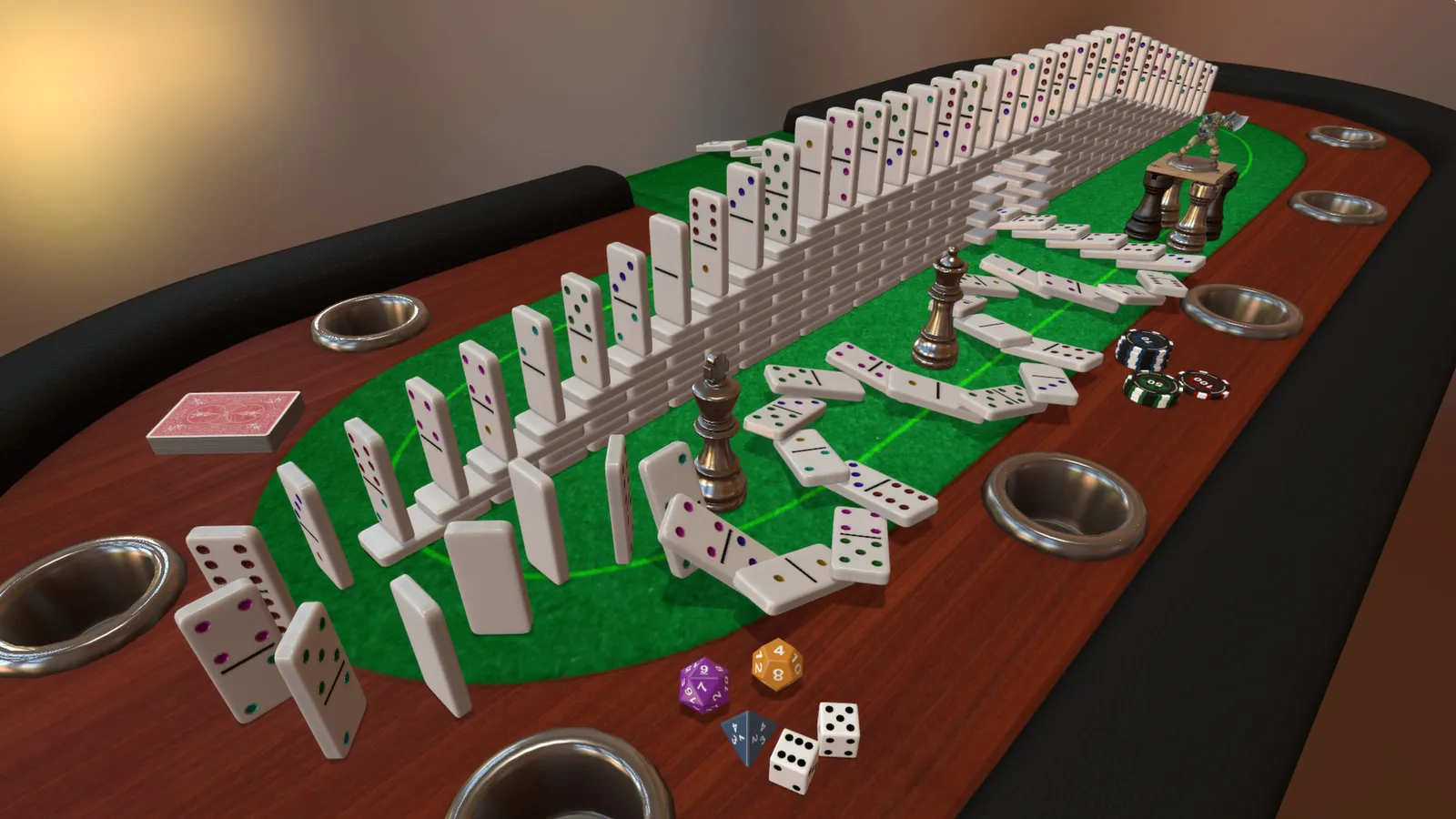
A recurring theme in the response was Tabletop Simulator mods as a Covid lifeline. Warhammer 40K players who could not meet in person during lockdowns moved to TTS and stayed there, because TTS gave them access to opponents who live in different cities or different countries. In-person Warhammer requires not just money for miniatures but also proximity to other players, a local game store, and free evenings. TTS removes all of those barriers. For a significant chunk of the player base, the digital mod is the only practical way to play the game at all.
This Has All Happened Before
If Games Workshop expected its community to take this quietly, the history suggests otherwise. According to players who have followed the TTS scene, this is the third time GW has gone after Warhammer 40K mods in Tabletop Simulator in the past four years. The cycle is familiar: enforcement action, community outcry, mods disappear, things slowly return. Seaborne acknowledged as much, writing that 'long-term, this is nothing but a momentarily stop gap.' The community has outlasted past crackdowns and expects to outlast this one too.
GW has been aggressive on IP enforcement well beyond TTS. Earlier this year, a Steam game called Void War, described by its developers as FTL in a Warhammer 40K skin, was pulled from the platform after Games Workshop issued a DMCA takedown over a single image of an oversized shoulder pad with a metallic rim. Not the game. Not the IP name. A shoulder pad. That level of specificity shows how tightly GW polices anything that looks like Warhammer, regardless of scale or intent.
What Comes Next
Seaborne set a 48-hour window for ForceOrg's direction. Based on past cycles, the smart expectation is that the mod eventually returns in some quieter form, possibly stripped of 11th Edition content until GW stops watching closely. The TTS Warhammer 40K modding community has a track record of going underground, backing up everything, and rebuilding. Games Workshop can issue takedowns, but it cannot permanently scrub community tools that have been downloaded hundreds of thousands of times.
The structural problem GW cannot solve with legal pressure is that its flagship tabletop game is expensive in a way that actively drives people toward free alternatives. A new player who wants to try competitive Warhammer 40K is looking at hundreds of dollars before their first game. Mods that let people try the system at no cost are not just fan passion projects; they are often how curious people discover they love the hobby before investing in physical models. GW is going after the on-ramp that produces future paying customers.
The launch of 11th Edition was supposed to be a celebrated moment for Warhammer 40,000. Instead the week opened with angry modders, a community that feels punished for building free tools, and yet another reminder that Games Workshop views its most dedicated digital fans as a threat rather than an asset. The company will win the legal argument here and may not notice what it costs them in goodwill. It has before.