Godot Takes AI Agent Money From Manus as a Platinum Sponsor, and Its Own Rules Ban AI Code
By CriticalPixel ·
The Godot Foundation published a short post on November 17 welcoming Manus as a Platinum Sponsor, and the reply thread underneath turned into the sharpest argument about AI in game development this week. The logo is not the interesting part. The paperwork is. The same project publishes Godot's contribution rules that tell people not to let an AI agent submit pull requests on their behalf, and not to use AI to write substantial pieces of code. Now an AI agent company is paying top tier money into the foundation that maintains that engine, while the engine's own reviewers are still told to reject the output of tools like the one their new sponsor sells.
The Godot Foundation blog post is polite and brief. It thanks Manus for helping keep the engine free and in development, then hands over a paragraph of copy. Tao Zhang, Manus co founder and chief product officer, argues that AI is lowering the technical barriers to making games but that a tool is only ever a tool, and that what is rare now is knowing what you want to build rather than the ability to build it. He also credits Godot with putting real game making tools in everyone's hands. Credit where due: the post carries a line at the very top stating that it is the result of a sponsorship, which is a clearer disclosure than most corporate blogs manage. The whole thing reads like an ad because it is one, and Godot is not pretending otherwise.
What Manus actually sells
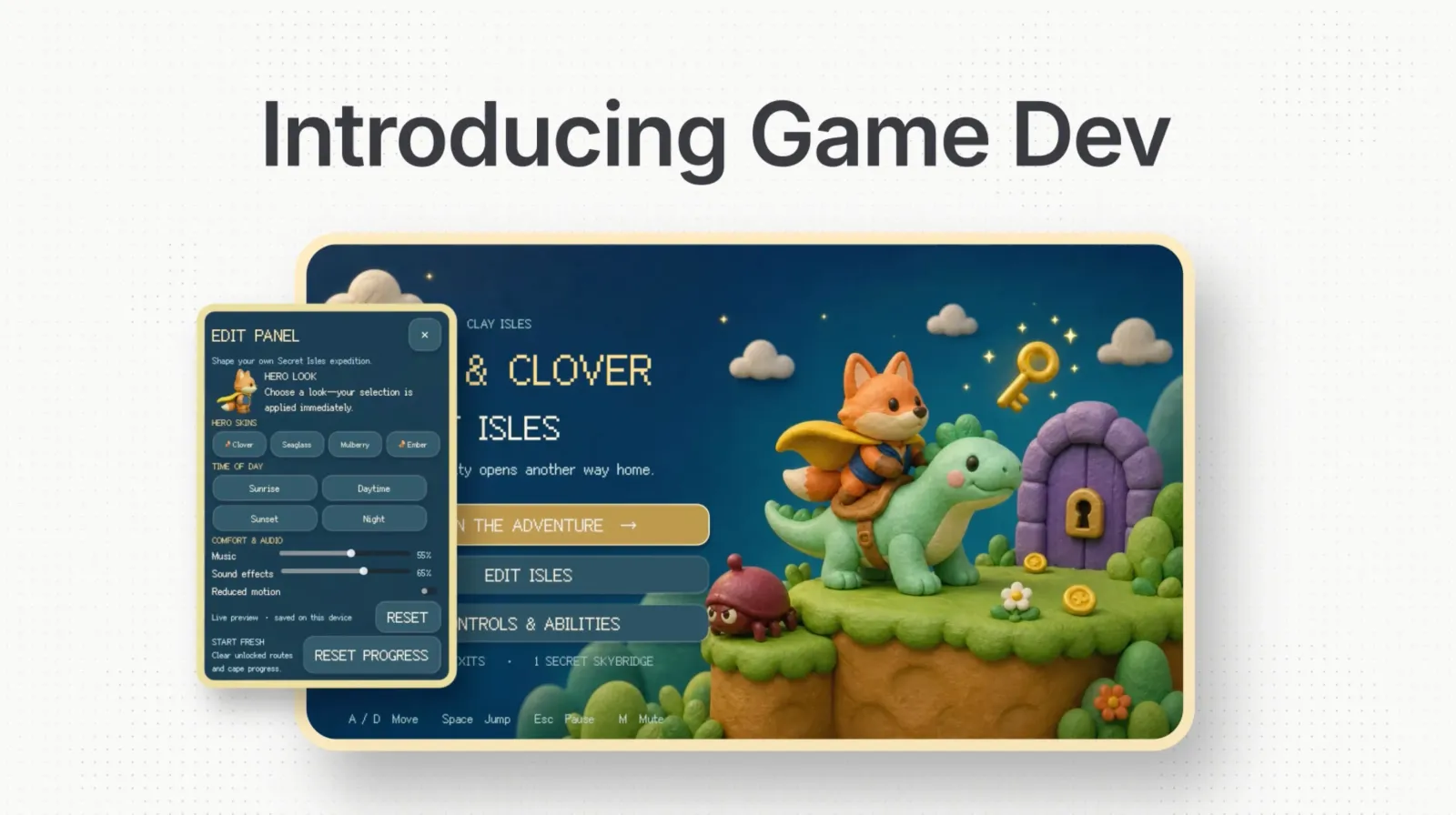
Manus is not middleware and it is not a hardware brand. It sells a general purpose AI agent, and it shipped a Game Dev mode inside Manus 2.0 on September 28 that builds a tuning panel for whatever project you are working on, so you can drag speed, gravity, damage and spawn rates while the game runs instead of touching code. The pitch is that someone with no programming background can iterate on feel and end up with something their friends will actually play. That product and the engine's contributor policy sit on opposite ends of the same pipeline. The foundation will take money from a company selling game creation by prompt while its reviewers are instructed not to merge code produced that way, and nobody on either side seems interested in pretending those two things are unrelated.
The funding math is boring and that is the point
Open source engines do not pay for themselves. Godot has no storefront cut, no subscription and no revenue share, so the foundation runs on donations and sponsorships, and Platinum is the top tier. JetBrains renewed its own Platinum sponsorship eight days earlier on November 10, which tells you the tier is usually occupied by tooling companies with an obvious, practical interest in the engine. Manus has an interest too, though it is a stranger one: every person who builds a prototype with an AI agent and then wants to get serious needs a real engine, and Godot is the free one with the loudest community. Turning that into a sponsorship cheque is unglamorous and rational, and any studio that has ever taken a platform marketing deal knows the shape of it. The uncomfortable part is that the cheque now sits next to a policy written specifically to keep AI authored code out of the repository, and a sponsor paying for a paragraph of praise has an obvious reason to want that policy softened later.
The thread split in three directions
Reaction under the official thread ran the full spectrum within a few hours. The sarcasm arrived first, with one reply predicting the news would be met by rational and calm responses, which is how developers say brace for impact. Others reached for recent history, hoping this does not become another Blender and Claude situation, a reference to the argument that followed Blender's own AI funding. The defence came just as quickly. Several developers pointed out that a sponsorship is money and not a roadmap vote, and that the contribution rules still apply to anyone who opens a pull request. One of the bluntest responses called the anti AI camp in game dev literal poison and argued that open source projects rarely get to choose who funds them. Sentiment is genuinely mixed, and it lives mostly inside one platform thread, so read it as a temperature check rather than a verdict.
What the foundation owes its users
Sponsorship money is fine. Sponsorship silence is not. If Manus is a Platinum sponsor, the foundation should publish what the tier buys and what it does not, because the gap between a logo and a seat at the table is the only thing that matters here. Godot's users are volunteers, studio developers and hobbyists who picked an engine partly because it is not owned by a company with a product to push. They deserve a plain statement that the contribution rules are not negotiable, that no sponsor gets early sight of roadmap decisions, and that AI generated assets will not appear in official documentation or demo projects. The disclosure line on the blog post is a good start and it cost nothing to write. A short paragraph in the sponsorship terms would finish the job.
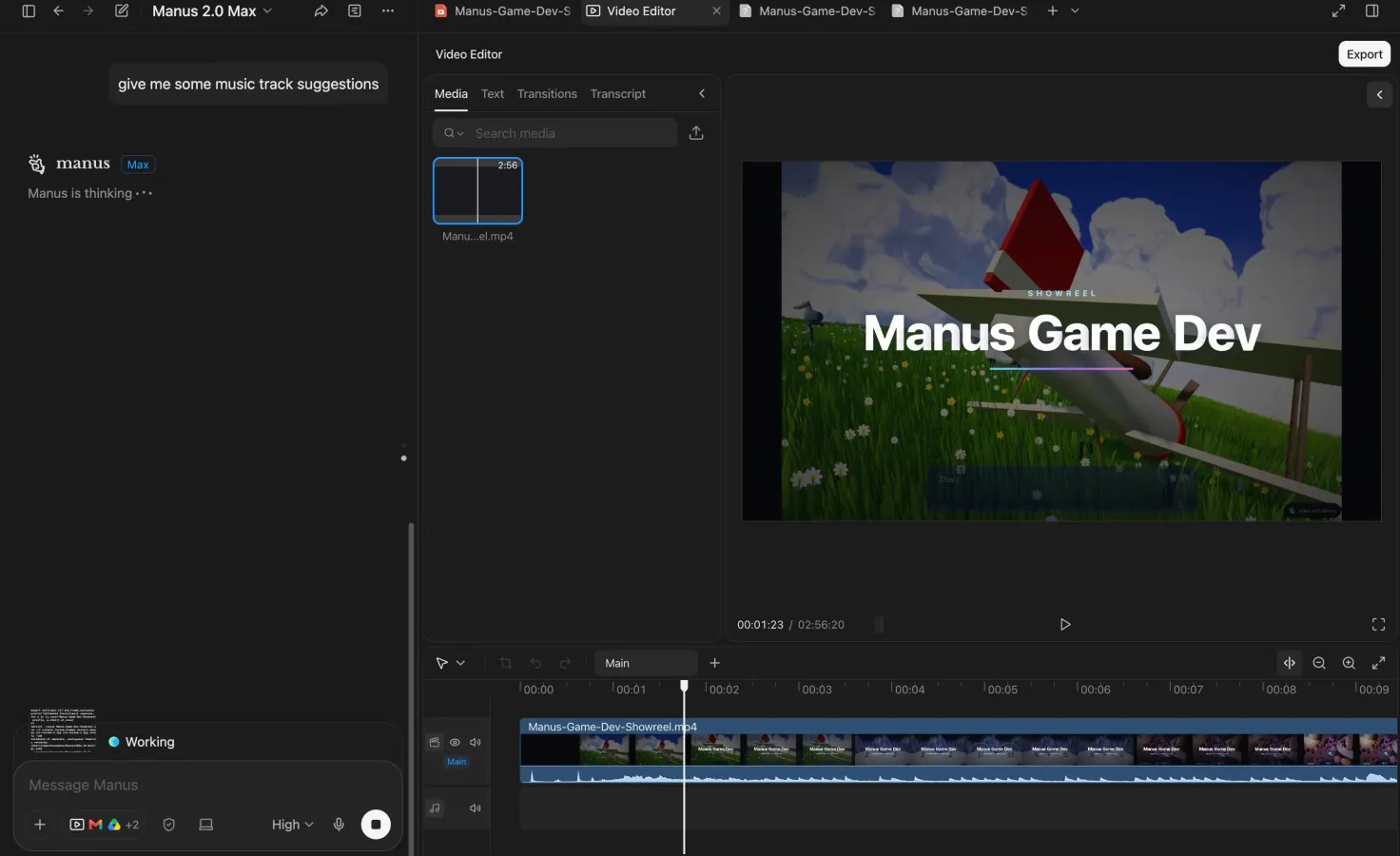
None of this makes Godot a sellout, and the people calling it one are doing the boring thing where a funding announcement gets treated as a feature change. Manus is paying for visibility in front of an audience that is about to build something, and Godot gets paid contributors out of it. Money does not buy a merge, and the reviewers who enforce the policy are the same volunteers who have been arguing about AI assets for a year. The test is what happens over the next six months: whether the policy survives contact with a sponsor, whether Manus shows up in release notes or sample projects, and whether the foundation keeps disclosing the arrangement every single time. If the rules hold and the money stays quiet, this is a footnote. If the rules bend, the community will notice long before any press release does.
Sources
Godot Engine on X, Manus Platinum Sponsor announcement and replies
Godot Foundation blog, Godot Foundation welcomes Manus as Platinum Sponsor
Manus blog, Introducing Game Dev in Manus 2.0
Godot contributing docs, Rules for contributions and AI-assisted contributions