Halloween The Game Refused Classification in Australia Over a Weed Mechanic, New Zealand Locked Out Too
By CriticalPixel ·

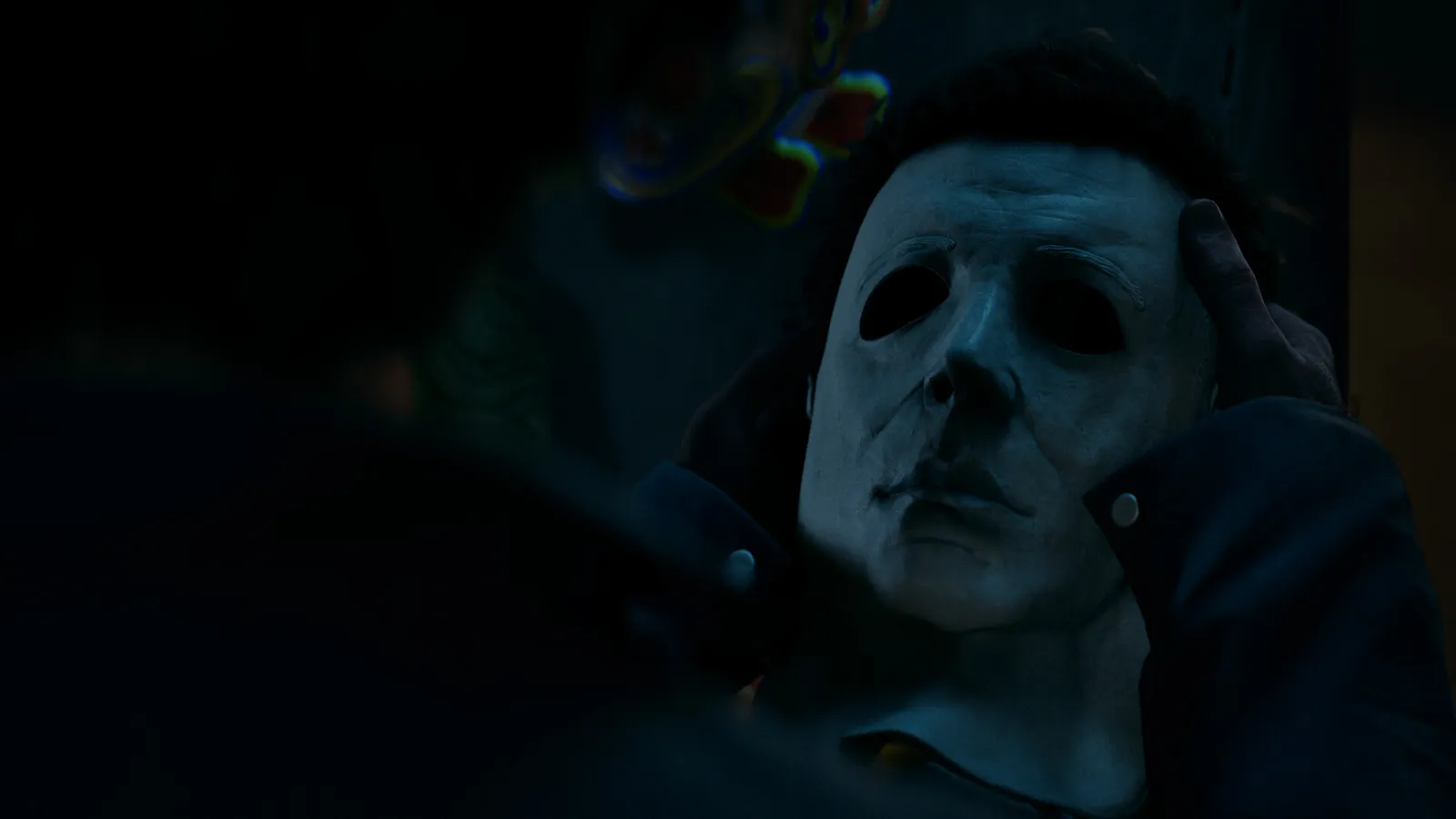
A slasher game built around Michael Myers murdering teenagers has been banned in Australia, and the killings had nothing to do with it. Illfonic, the studio behind asymmetrical horror hits like Predator: Hunting Grounds and Friday the 13th: The Game, confirmed on August 9 that the Australian Classification Board denied Halloween: The Game a rating entirely, citing the in-game depiction of a controlled substance rather than the decades of on-screen throat-slitting the franchise is famous for. The knock-on effect is that New Zealand is being pulled into the same ban, even though it is, plainly, a different country with its own classification system.
What the board actually said
Illfonic's official statement, posted from the Halloween: The Game X account, was blunt: "Despite every effort on our part, the Australian Classifications Board has denied 'Halloween: The Game' a rating. The denial was not based on the presence of the iconic slasher, Michael Myers, or the outstanding kills that can be performed in the game, but rather the presence of a controlled substance." The studio added that, as a result, it cannot sell the physical or digital product in either Australia or New Zealand, with launch scheduled for September 8, 2026 on Xbox Series X|S, PS5, and PC.
The substance in question is marijuana, and the part that tripped the guidelines is the gameplay hook. Reports and the IGN explainer describe a mechanic where survivors can smoke a joint to gain pings revealing Michael Myers' location on the map. Strong impact drug use is technically allowed under Australia's R18+ category, and the same R18+ tier already covers the pre-order content for Halloween: The Game. What the guidelines forbid outright, however, is tying the use of illicit drugs to in-game incentives or rewards. Because the joint buys you information, the whole title was refused classification, not just the offending scene.
Why New Zealand is collateral damage
The New Zealand angle is the part that has fans fuming, and for good reason. New Zealand runs its own film and literature classification through the Office of Film and Literature Classification, and game ratings there are handled jointly with Australia under the IARC. In practice, several publishers skip the dedicated New Zealand submission and rely on the Australian rating to also cover the Kiwi launch. When the Australian board refuses classification, the studio is left with a region that never got its own rating review at all. Illfonic announced it is pulling the New Zealand release alongside Australia rather than carving out a separate build, which means a country with no R18+ games history, a separate government, and a long-running IARC-rated pipeline is being treated as an Australian suburb for distribution purposes.
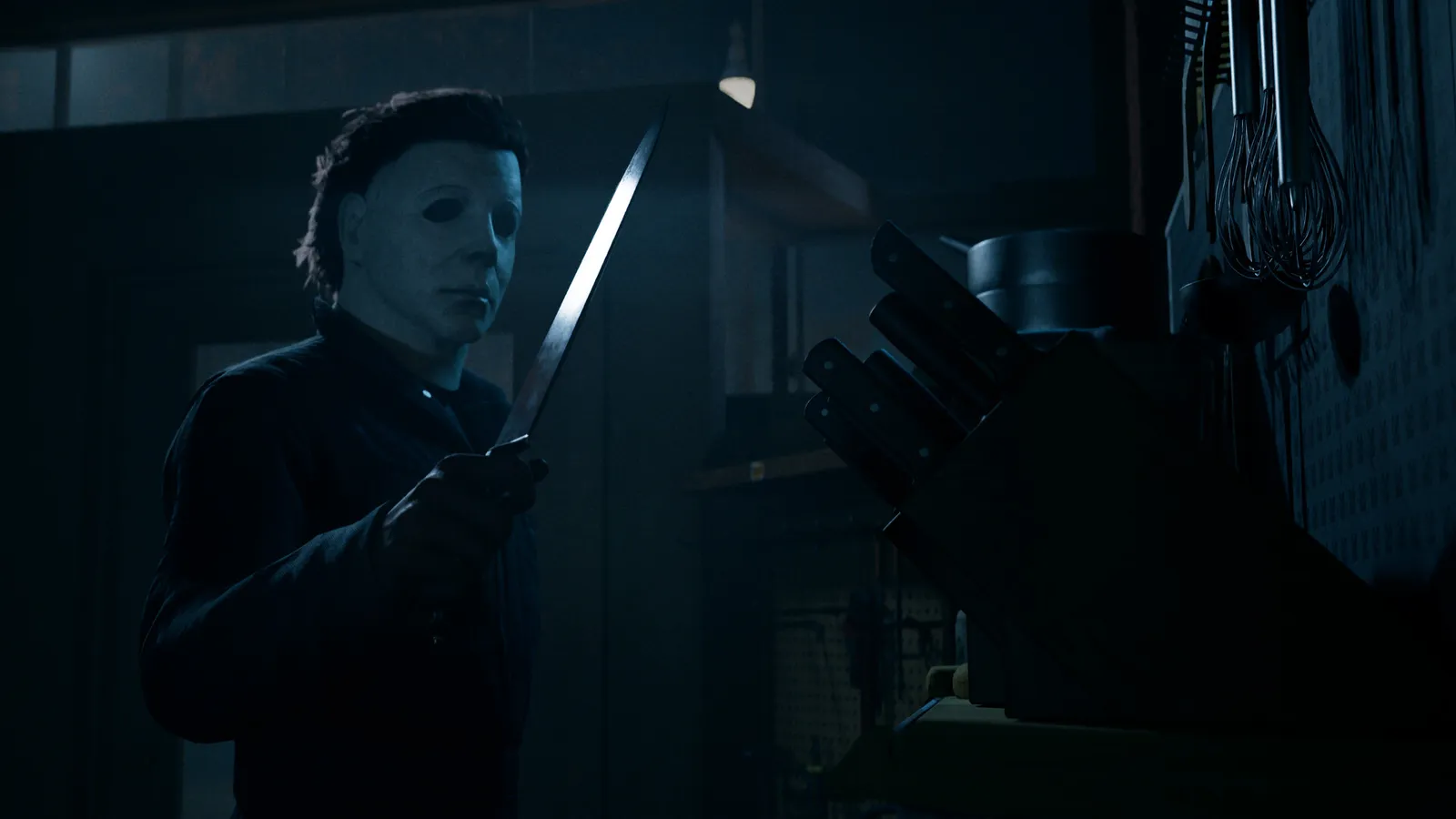
It is the second part of the decision that is harder to defend. The mechanics at issue are cosmetic in any other context. The drug in question is a soft, frequently decriminalised substance in both countries. It is not paired with a torture scene, it is not a reward for a kill, and it is not even the most graphic thing in the game, by a long shot. The Michael Myers kills include brutal, blood-soaked finishing moves, all of which would still clear the R18+ bar in Australia. The thing that pushed the title over the line is a quality-of-life buff for survivors that gives them a peek at the killer's location.
Developers have dodged this exact rule before
This is not the first time the Australian board has drawn a hard line on drug incentives, and the industry has a long memory for the workarounds. State of Decay was originally refused classification in 2013 for tying real-world proscribed substances to health boosts, and got cleared on appeal by simply relabelling them as vitamins. Bethesda, facing the same rule for Fallout 3 back in 2008, opted to call its morphine Med-X and walked through with an R18+ sticker. Both of those cases involved the same controlled substance question and the same incentive structure, and both were resolved with a single rebrand rather than a full market pull. Illfonic did not do that, and the studio has not yet said whether it plans to.
Australian players responded to the news with a mix of fury and dark humour. The post announcing the ban has been widely reshared, with comments pointing out that GTA V's cannabis, a series built on mass-murder roleplay, sells unrated MA15+ in the country while a four-on-one horror game with a smoke-spotting bonus gets cut. Other fans, including the influential user @Rhiannon Elizabeth Irons, have been directing complaints straight to the Australian Classification Board contact form and suggesting the same Fallout 3 fix as a path forward. A New Zealand commenter summed it up succinctly: the most ridiculous part is that a country with a separate government is being told it cannot have the game because of a separate country's bureaucracy.
What happens next
Refused classification in Australia can be appealed to the Classification Review Board, a separate panel. Illfonic has not confirmed whether it will go that route or simply push a renamed version of the mechanic. The publisher has a track record of staying loyal to its design over region-friendly patches, and the official statement leans into that: it thanked fans for support, did not promise a workaround, and is leaning on the international storefront workaround for now. Given how trivial the rebrand would be, the most likely outcome is a quiet title-screen and item-name swap for the affected regions, much like State of Decay and Fallout 3 before it. The bigger question is whether the New Zealand lockout follows the same path or whether Illfonic chooses to give Kiwi fans a separate build with the fix baked in.
Either way, the launch on September 8 will be a quieter event than Illfonic wanted for one of its biggest horror licences, and a fresh reminder that the Australian guidelines still draw lines that no other major Western market bothers with. A game exec produced by John Carpenter, starring one of cinema's most iconic killers, will not be sold in two countries because of a smoke-spotting buff. The most cursed part of the saga is not the ban itself. It is that the fix is, and always has been, a single text swap.