Halo: Campaign Evolved's Troubled Development Reportedly Killed a Standalone Multiplayer Halo Game
By CriticalPixel ·

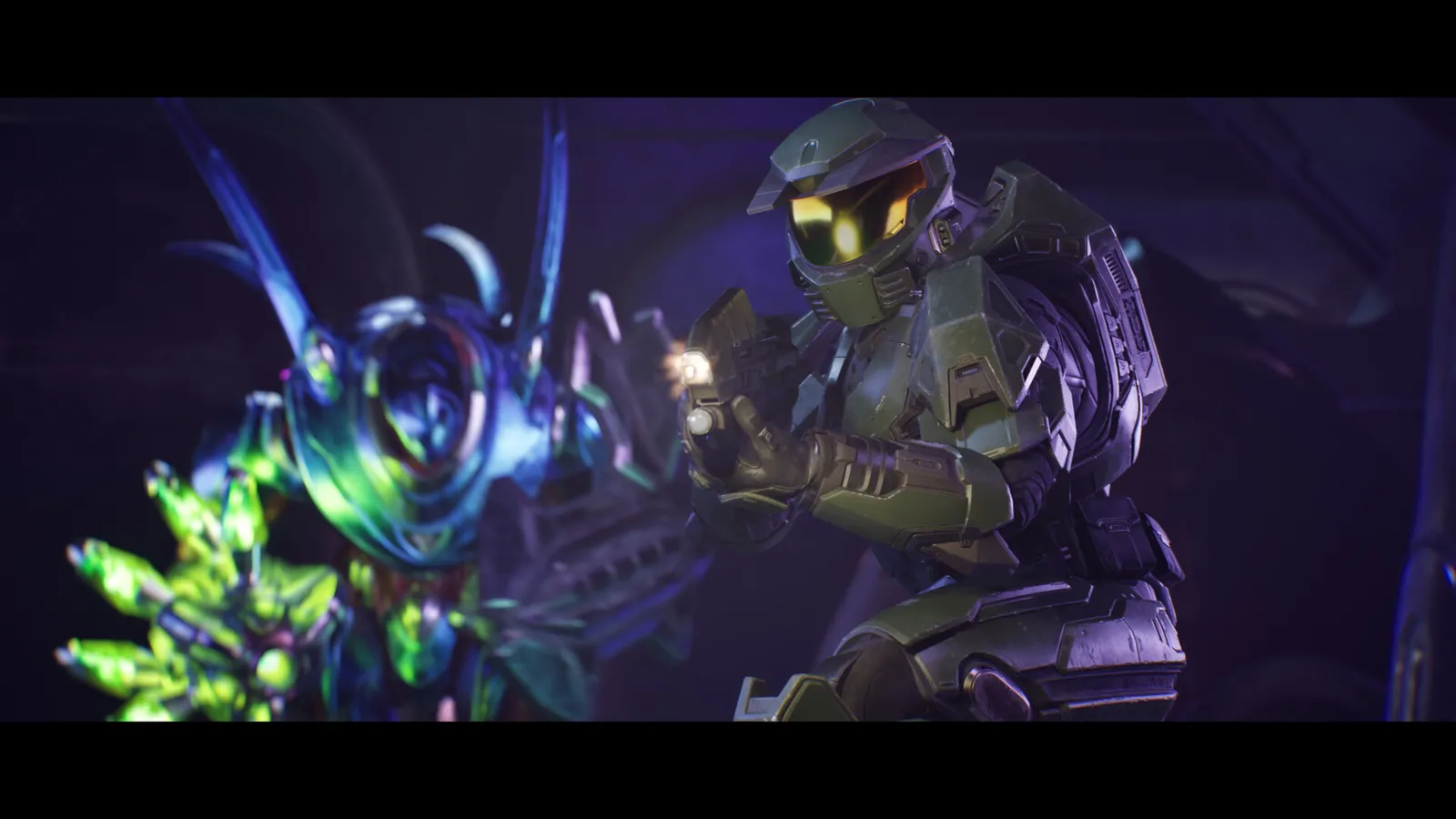
Halo: Campaign Evolved shipped to mostly positive reviews on July 28, but a new report from Halo insider Rebs Gaming paints a brutal picture of what it took to get there, and pins the cancellation of Halo Studios' next standalone multiplayer game squarely on the remake's troubled Unreal Engine 5 pipeline. According to the report, corroborated by IGN, the studio burned through external partners, scrapped large amounts of in-progress work, and pushed the campaign team into crunch in the final year, all while pretending the engine swap would be easier than it was.
How the remake fell apart
Halo Studios brought in a Dutch external studio called Abstraction around 2023 to do the messy technical work of porting a Blam-engine classic into Unreal Engine 5, then layering sprinting, four-player co-op, and modern encounters on top of levels and combat spaces that were never designed for any of that. Abstraction owned level design from concept and blockout through encounter scripting, NPC spawning, and adapting the campaigns for the new features. When the studio was prematurely kicked off the project, Rebs Gaming reports that Abstraction's work was thrown out and redone quickly, which a source told the YouTuber is believed to have caused bugs and AI problems that bled into the final release.
Leadership, the report alleges, told the team they would be able to port existing assets into Unreal Engine 5. In practice, 100 percent of those assets had to be rebuilt from scratch inside the engine, something nobody had accounted for in the schedule. The crunch hit hardest in the final year, and the studio's planned real-time cutscenes, originally meant to let players see their custom armor and weapons in story beats, had to be scrapped because the external team handling cinematics struggled and barely made the deadline.
The multiplayer project that died for it
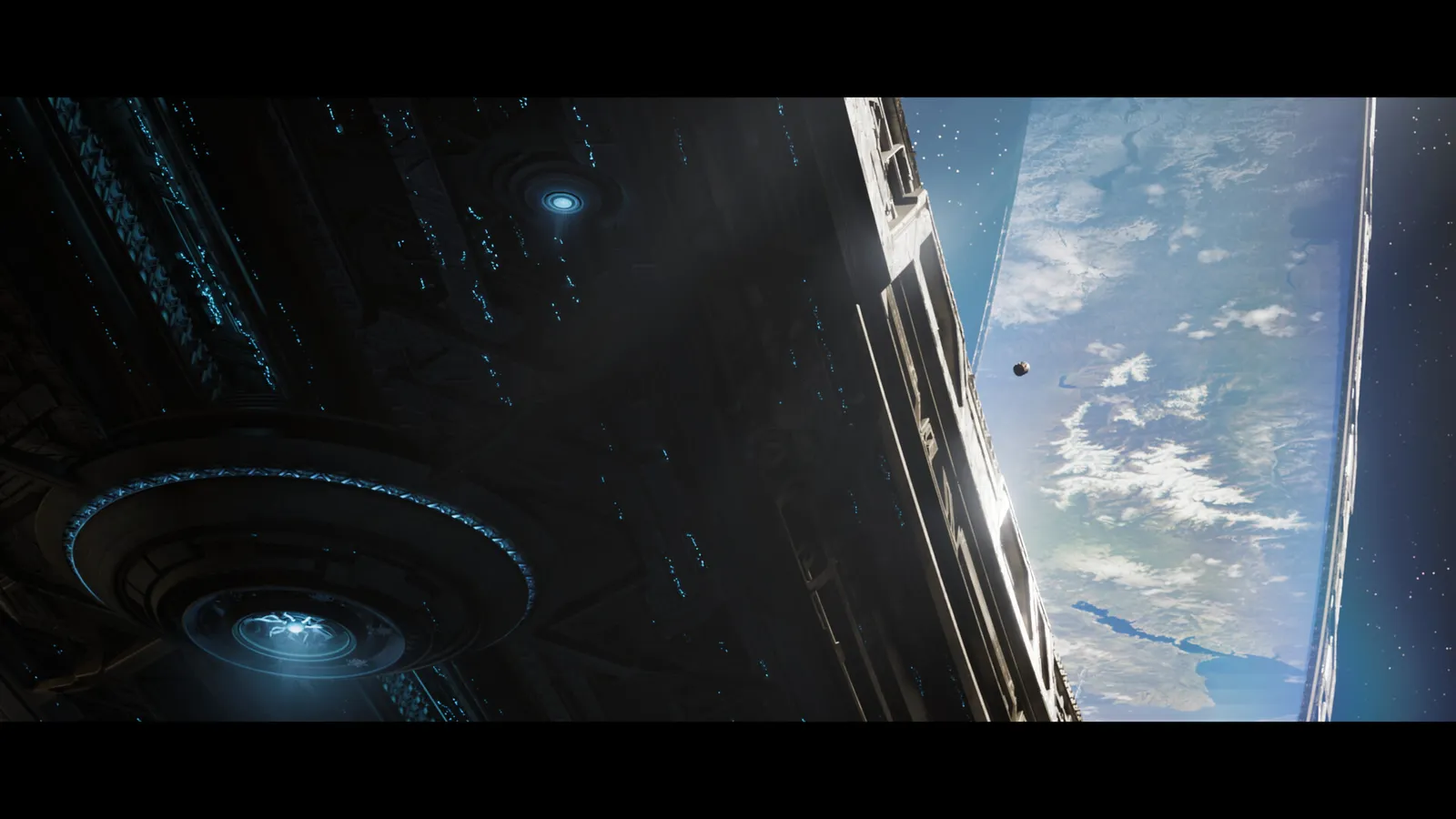
The biggest casualty was supposed to be Halo Studios' next big swing. Rebs Gaming and a separate IGN report confirm that the studio cancelled a standalone multiplayer Halo project, understood to be the previously rumored Project Ekur battle royale, because the Campaign Evolved team needed every available body and dollar to finish the remake. The three-games-in-three-years roadmap Halo Studios once laid out collapsed, with new Halo projects now stuck in the concept stage while teams scramble to define what comes after Campaign Evolved.

Community reaction
Reaction across the Halo community is mixed and mostly grim. The largest single tweet of the cycle came from insider Idle Sloth, who laid out the Abstraction timeline and got over two million likes and hundreds of thousands of reposts as Halo fans processed the scope of what was lost. Long-time Rebs Gaming followers pointed back at the insider's earlier reporting on the cancelled battle royale and said the new details finally confirmed what they had been warning about for months. Other creators pushed back, arguing that Campaign Evolved reviews landed in a respectable place and the crunch was a one-time cost for a generational Halo remaster.
On the Steam review side, the picture is more sympathetic to the finished product, with most negative threads focusing on crashes, AI weirdness, and cut content rather than the development story itself. The fanbase is clearly exhausted by the churn, but not hostile to Halo Studios the way they were during the Infinite era. With only a handful of independent reactions and no on-the-record statement from Microsoft or 343's successor studio, it is fair to say the community reaction is genuinely mixed, not a clean win or a clean disaster.

The CriticalPixel take
This is the exact kind of story the gaming press keeps being told to ignore. A studio ships a remake, gets mostly good reviews, fans celebrate, and the messy middle gets memory-holed into a happy ship-it narrative. Halo Studios chose Unreal Engine 5 for a Halo game, told the team it would be a port when it was clearly a rebuild, leaned on an external partner until the partner broke, then pulled the rug out of a separate multiplayer game to plug the gap. None of that is hindsight. Every red flag was visible from the moment the engine switch was announced, and Xbox leadership had years to course-correct instead of letting one remake eat an entire Halo roadmap.
The Halo 2 tease at the end of Campaign Evolved now reads less like a promise and more like a hostage situation. If Halo Studios takes the same Unreal Engine 5 shortcut on the sequel, fans should expect another round of external studio churn, another crunch year, and probably another cancelled side project. The right move is obvious: pay the studio properly, plan a realistic schedule, and stop pretending a Blam-to-Unreal-Engine-5 port is a free lunch. Until then, every new Halo trailer should come with an asterisk, and the community has already made it clear they would rather wait another eighteen months for a finished Halo than eat another surprise cancellation in three.