Hasbro Cancels Multiple In-House Video Games After $56 Million Write-Down and Quietly Backs Off Its AAA Push
By CriticalPixel ·
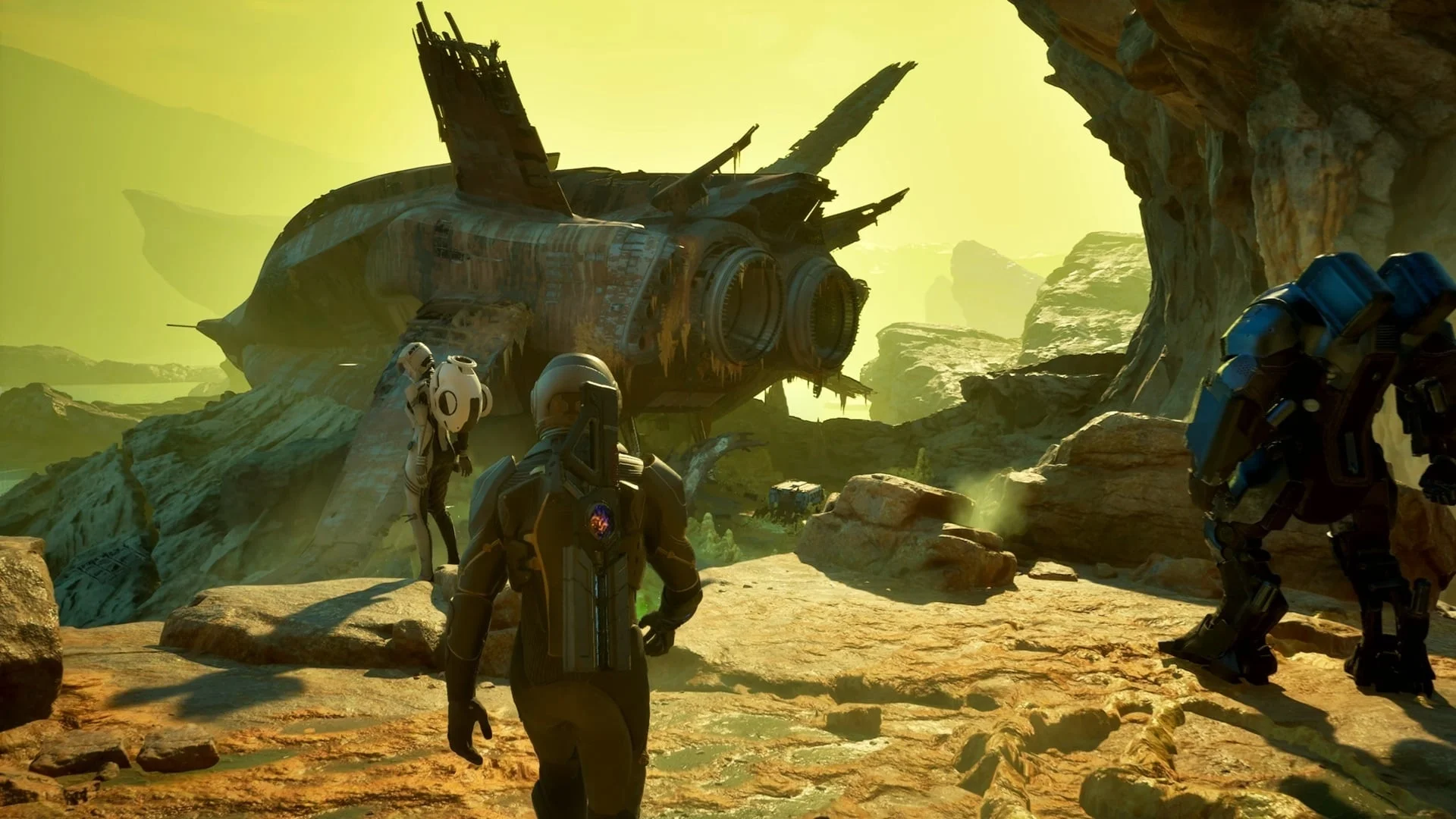
Hasbro spent four years telling anyone who would listen that it was going to be a real video game company, not a toy outfit that just hands its brands to bigger publishers. Today, after a $56 million impairment charge tied to a wave of canceled in-house projects, the toymaker basically admitted in its Q2 2026 earnings call that the big swing strategy was over and the safer licensing era is back. The same call that produced a beat on revenue and a $1 billion buyback also revealed that several unannounced games scheduled for 2028 and beyond have been killed, that the company is pulling back on internal development, and that Hasbro will lean harder on partner studios like Scopely, Ubisoft, and Aristocrat for its games business going forward. That is a much quieter version of the future that head of digital Dan Ayoub was selling in 2024, when he claimed Hasbro had already put more than $1 billion behind four internal studios and called video games an integral part of the next 100 years of the company.
What $56 Million Actually Buys You in Hasbro's Books
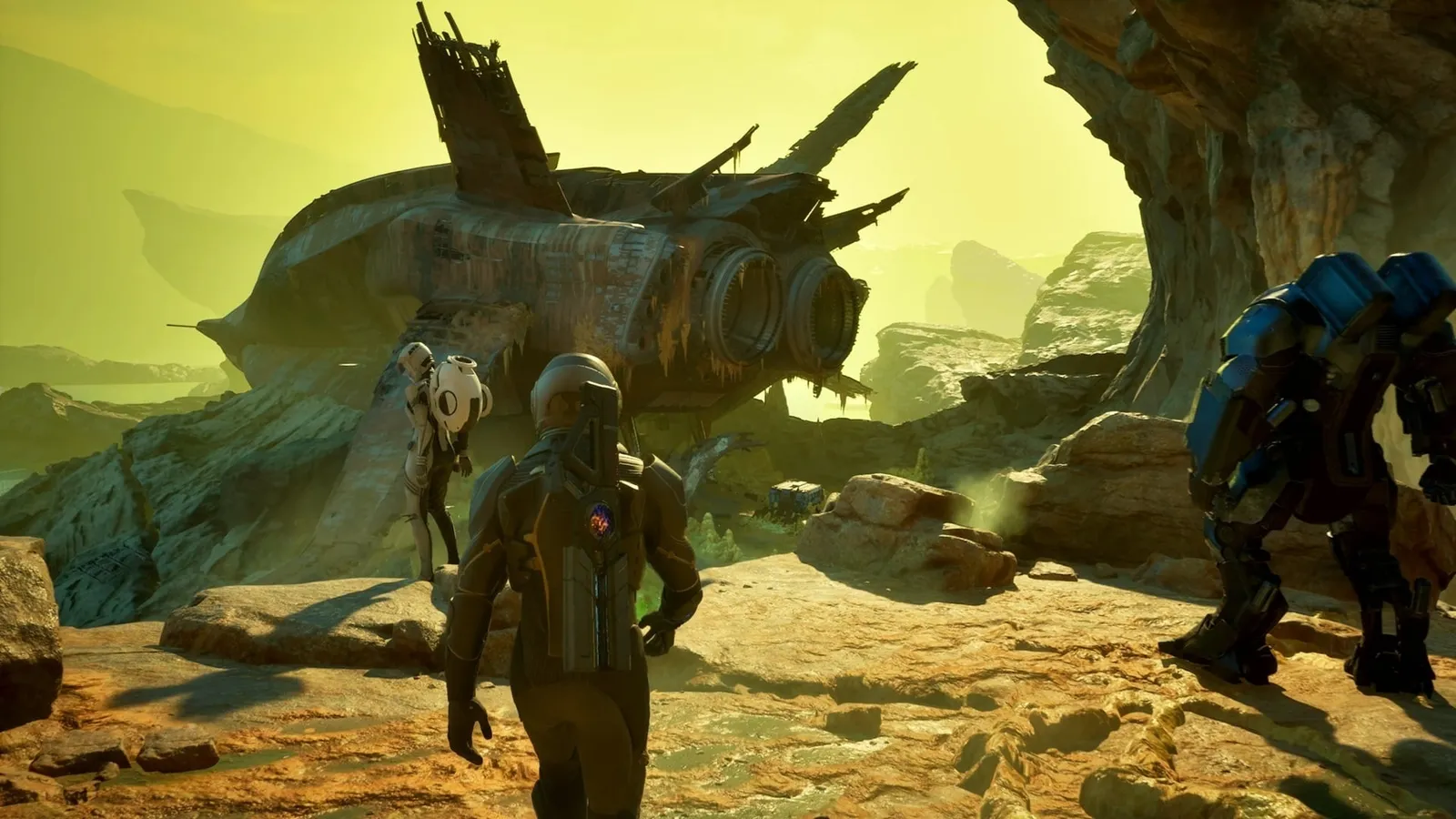
An impairment charge is accounting language for admitting that an asset you booked on your books is worth less than you said it was. In Hasbro's case, the $56 million is the value it is writing off because it canceled several games that were scheduled to come out in 2028 and beyond, including a chunk of the work being done at its internal studios. The press release is short on details. The earnings call, parsed by Rebekah Valentine at Kotaku and confirmed by GameSpot, makes clear the hit is tied to a refocused Digital Games portfolio that now leans toward co-development, co-publishing, and short service-oriented titles rather than the big premium single-player games Ayoub was talking about as recently as May. The two big exceptions are still safe: Exodus, the sci-fi RPG from Archtype Entertainment, and Warlock, the Dungeons and Dragons action game from Invoke Studios, both still pegged for 2027. Everything else that was supposed to anchor a 2028 and beyond slate just got pulled.
The wording matters. Hasbro is not shutting down all of its internal development. Archtype, Invoke, and Skeleton Key are still hiring, and Skeleton Key is actively looking for an environment artist at its Montreal office. Atomic Arcade, the studio working on a GI Joe Snake Eyes game, is the obvious casualty: it had layoffs earlier this year, Hasbro issued a carefully worded statement that the Snake Eyes game was not cancelled, at least one employee publicly said the studio was being shut down, and there has been no update since. The Giant Skull publishing deal for a D&D action-adventure game was also ended in May, less than a year after it was announced. The pattern matches the impairment charge almost exactly: small, mid-budget, and unproven projects are the ones that got cut, while the two big bets closest to ship are still alive.
From Six Studios and a Billion Dollars to Fewer, Bigger, Better
Back in 2022, Hasbro announced six brand new internal game studios, with names like Atomic Arcade, Skeleton Key, Archtype Entertainment, Invoke Studios, and an unnamed team in Washington state, plus the existing MTG Arena group. By 2024, Ayoub was telling GamesIndustry.biz that Hasbro had invested more than $1 billion in game development across just four of those studios, and he framed the work as premium, single-player-friendly PC and console games, with no game-as-a-service in the mix. That pitch was the whole reason people in the industry were willing to take Hasbro seriously as a publisher instead of a licensor. Now the company is describing a much smaller ambition. CEO Chris Cocks said on the call that Hasbro is focusing digital investment behind the franchises, platforms, and partners where it sees the clearest upside, and that big internal games will happen, just not every year, and not at the same spend level as before.
Reading the room, this looks less like a strategic pivot and more like Hasbro running out of patience. The Monopoly Go! machine, made by Scopely, is on track to cross $8 billion in revenue this year. Baldur's Gate 3, made by Larian under license, is the only big-budget game Hasbro's name has been attached to that anyone in 2026 actually cares about. Atomic Arcade, the studio that was supposed to deliver a real GI Joe game, has been in limbo for over a year. Skeleton Key still has not announced its spooky project, and we are now well past the point where silence is a marketing strategy. The internal studios had a long runway and a real budget, and the only clear wins coming out of them by mid-2026 are Exodus and Warlock, both of which were already in deep production by the time anyone was paying attention. If you are a publicly traded toy company whose stock depends on reliable margin expansion, you do not keep funding six studios on a hope-and-a-prayer when the partner model has already produced Monopoly Go! and Baldur's Gate 3.
What Community Reaction Looks Like
Gaming side reaction has been muted but pointed. Kotaku's piece drew a few thousand views in its first hour, with replies split between disappointment about the GI Joe project's apparent collapse and shrugs from people who never expected Atomic Arcade to ship anything anyway. The Archtype fans are louder: the Exodus Discord has been lighting up since the news dropped, mostly with relief that the game was explicitly confirmed for 2027, mixed with anxiety about whether Hasbro will keep funding post-launch content if the first game lands soft. Investor chatter is the opposite tone entirely. HAS closed up on the day as a beat-and-raise quarter, with revenue of $1.14 billion, adjusted EPS of $1.28, and Wizards of the Coast up 27% year over year, all of which is being read as proof that Hasbro is finally a games company in the right way, not the expensive way. There is not a strong consensus on whether the canceled projects were already a known loss or whether this is the first public signal of a deeper problem. Reaction is genuinely limited; fewer than three independent community voices have weighed in with strong takes so far, and the analyst notes are mostly mechanical.
The Critical Pixel Take
This is what an honest corporate retreat looks like. Hasbro did not get ambushed by a flop. It got ambushed by a portfolio, and the difference matters. When the same earnings call can pair a $56 million write-down with a $1 billion stock buyback and a 16% revenue beat, the company is telling you that the gaming push was always a portfolio bet, and the portfolio just got smaller. That is bad news for anyone who wanted a real GI Joe game from a team that cared about GI Joe, and it is bad news for the unnamed Washington studio that Hasbro apparently never bothered to publicly name. It is good news for anyone who thinks the toy industry should stay out of premium single-player development, which is roughly the entire game industry outside Hasbro's investor day audience. The companies that have figured out how to make big games well are not the ones that have $1 billion in toy money to throw at six studios. They are the ones that have one or two studios and a long memory. Hasbro just announced it is going back to being a licensor with a money-printing tabletop division, and that is probably the right call for shareholders, even if it is a bummer for anyone who wanted to see a Hasbro internal studio actually finish a project they were proud of.