id Software Lost Over Half Its Staff on DOOM DLC Launch Day, Including Most of Its Coders
By CriticalPixel ·
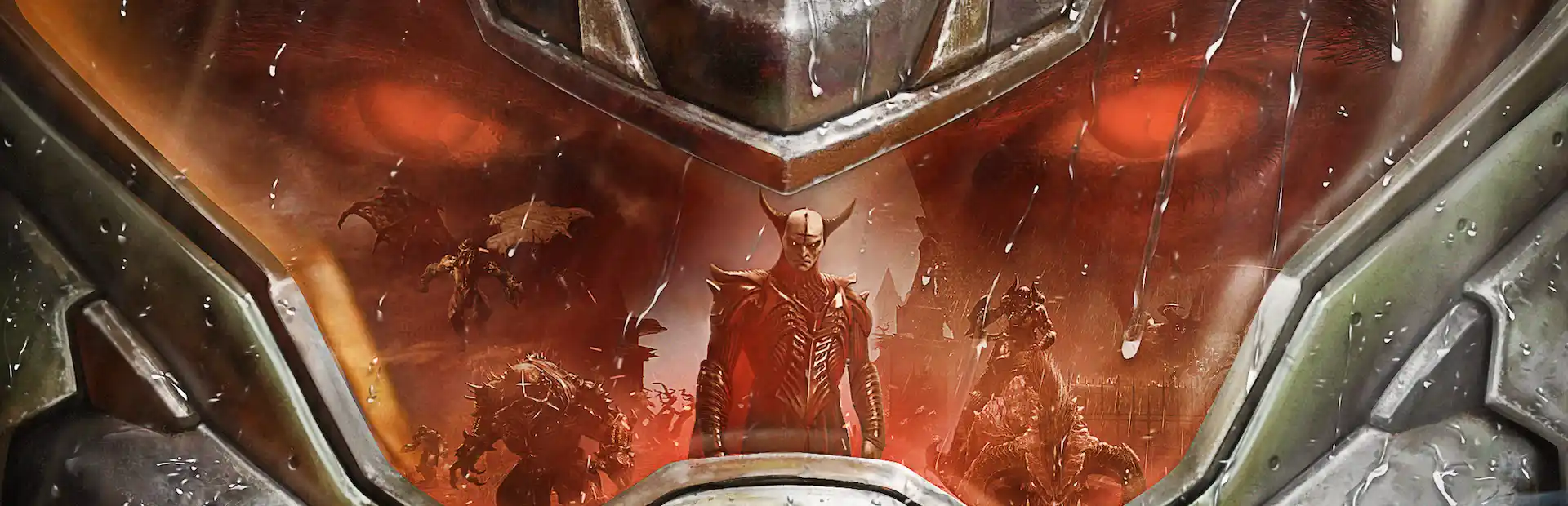
The timing has a certain cruelty to it that is hard to explain away as coincidence. On July 7, 2026, the same morning that id Software shipped Doom: The Dark Ages Revelations, the studio's large-scale DLC that the development team had spoken about with real pride, Xbox handed out layoff notices to an estimated 95 of the studio's roughly 185 employees. More than half the team, gone before the DLC they spent the better part of a year building had cleared its first hour of peak-launch server load. Microsoft has not issued a public breakdown of exactly which studios were hit hardest, which tells you something about how this was communicated internally.
The Numbers
The figure of 95 came from Jeff Gardiner, a former Bethesda project lead with direct industry contacts, who posted on X that he had just heard that number confirmed. For context, id Software had approximately 185 employees as of late 2025, when staff signed union cards in a direct response to an earlier wave of Microsoft restructuring. That means the studio lost more than half its workforce in a single day. The full verified number may shift as more information surfaces, but Eurogamer, GamesIndustry.biz, Wccftech, and Digital Foundry have all confirmed the scale of the cuts, and no credible source has disputed the 95 figure.
What Was Actually Cut
The headline number is already bad. The specific detail that makes it genuinely alarming is what those 95 positions represented. Scott Miller, the founder of Apogee and 3D Realms and someone who has followed id Software's technical trajectory for over three decades, reported that the cuts included most, and possibly all, of the studio's coders. Not contractors. Not junior QA positions that could be rebuilt from a pipeline. The programmers. The people who write, maintain, and evolve idTech, the proprietary game engine that powered Doom 2016, Doom Eternal, and Doom: The Dark Ages. idTech is widely regarded as one of the best first-person shooter engines in the industry, built around performance, feel, and a specific philosophy of how shooting is supposed to work at a technical level. That expertise does not transfer to new hires who read the codebase cold. It retires with the people who held it.
Colin Geller, a concept artist who spent over 12 years at id Software and contributed to every new Doom project since 2016 plus MachineGames' Wolfenstein 2: The New Colossus, shared publicly that he was among those let go. His description of what made the studio worth preserving is worth repeating directly: that the truly special thing about id Software was the sheer amount of skill amongst the team and the exciting, intense collaboration that made the games special and successful. The loss of someone who contributed to that creative foundation across three major releases, and who clearly understood what made the studio work, is not the kind of gap you close by reopening a job listing next quarter.
The DLC That Launched Alongside the Pink Slips
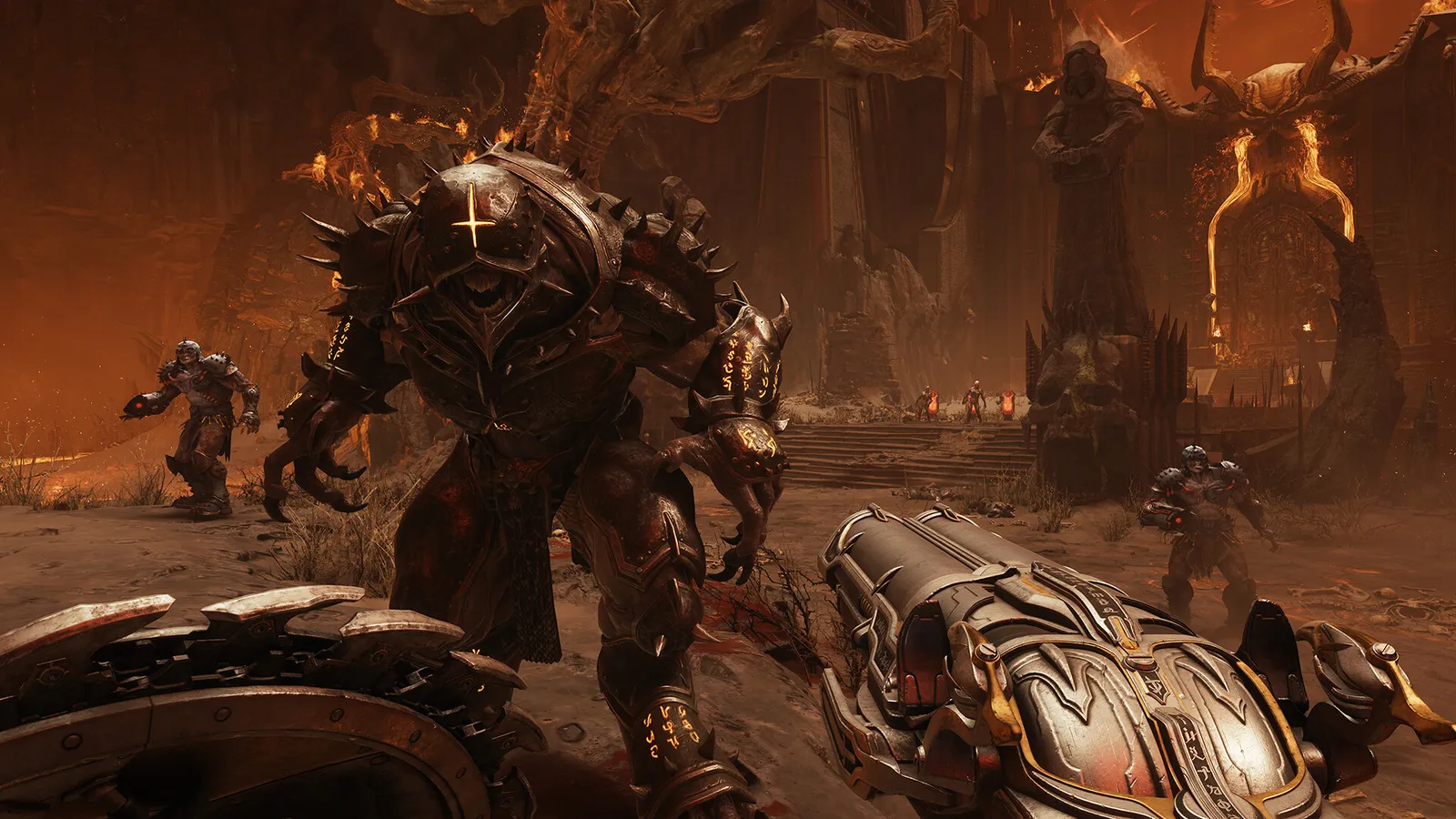
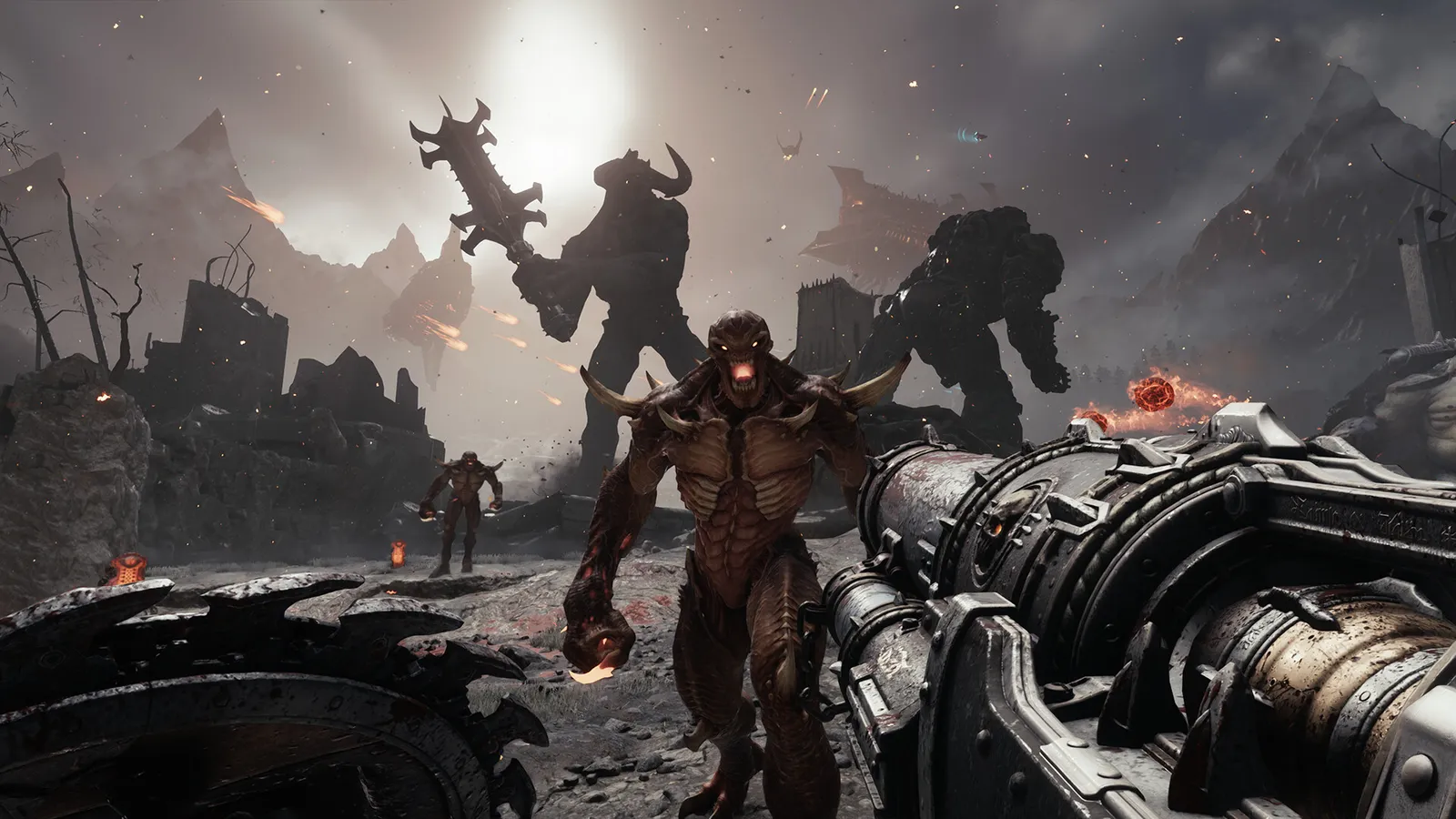
Doom: The Dark Ages Revelations is not a token add-on. Microsoft and id Software positioned it as the studio's biggest post-launch content release, described as larger than both of Doom Eternal's Ancient Gods expansions combined. The development team was visibly proud of it in preview coverage. Some of the people who received their layoff notices today built that DLC from scratch. In some cases, they probably found out their jobs were gone while launch-day players were still pulling down the patch that contained the work they had spent months finishing. The DLC is available now, reportedly substantial in scope and quality, and the people who made it are, by and large, no longer employed at the studio that carries the Doom name forward.
How the Industry Responded
The reaction from the gaming community and from industry figures was fast and uniformly grim. John Romero, co-founder of the original id Software and the person whose work at that studio helped define what a first-person shooter is, posted a direct message to those affected. He described knowing what it feels like to leave id while id goes on, calling it a strange and painful thing to step away from a place that holds so much of your work, friendships, and history. That post pulled over two million likes within hours, which is not a number you reach unless a broad cross-section of the gaming audience felt the weight of what happened. John Linneman of Digital Foundry, who has covered id Software's technical work in forensic detail for years, put it plainly: the disappointment is off the charts.
Specifically named among those cut were SyncError and sponge, both long-tenured id Software contributors recognized within the Doom community. Their departures are not abstractions. These are people with years of knowledge about how the engine behaves, how the game systems were designed, and why specific decisions were made during production. That kind of context does not survive in documentation. It lives in the people who made the calls and shipped the products. When they leave, they take with them the institutional memory that keeps a sequel from having to rediscover what was already solved.
Xbox's Contradiction in Plain Sight
Here is where this gets particularly frustrating. Microsoft's official communication surrounding the 3,200 total job cuts across Xbox and ZeniMax explicitly named DOOM and Quake as franchise priorities for the path forward. ZeniMax's stated strategy centers those franchises as central pillars of what Bethesda is building under Microsoft ownership. They said DOOM matters. Then they cut more than half the studio making DOOM, on the specific day that studio shipped a major DOOM expansion. That is not a reorganization. That is corporate messaging that has no relationship to the operational decisions being made below it. The two positions cannot both be true: DOOM is a priority franchise, and id Software is a skeleton crew working off the institutional knowledge it no longer has.
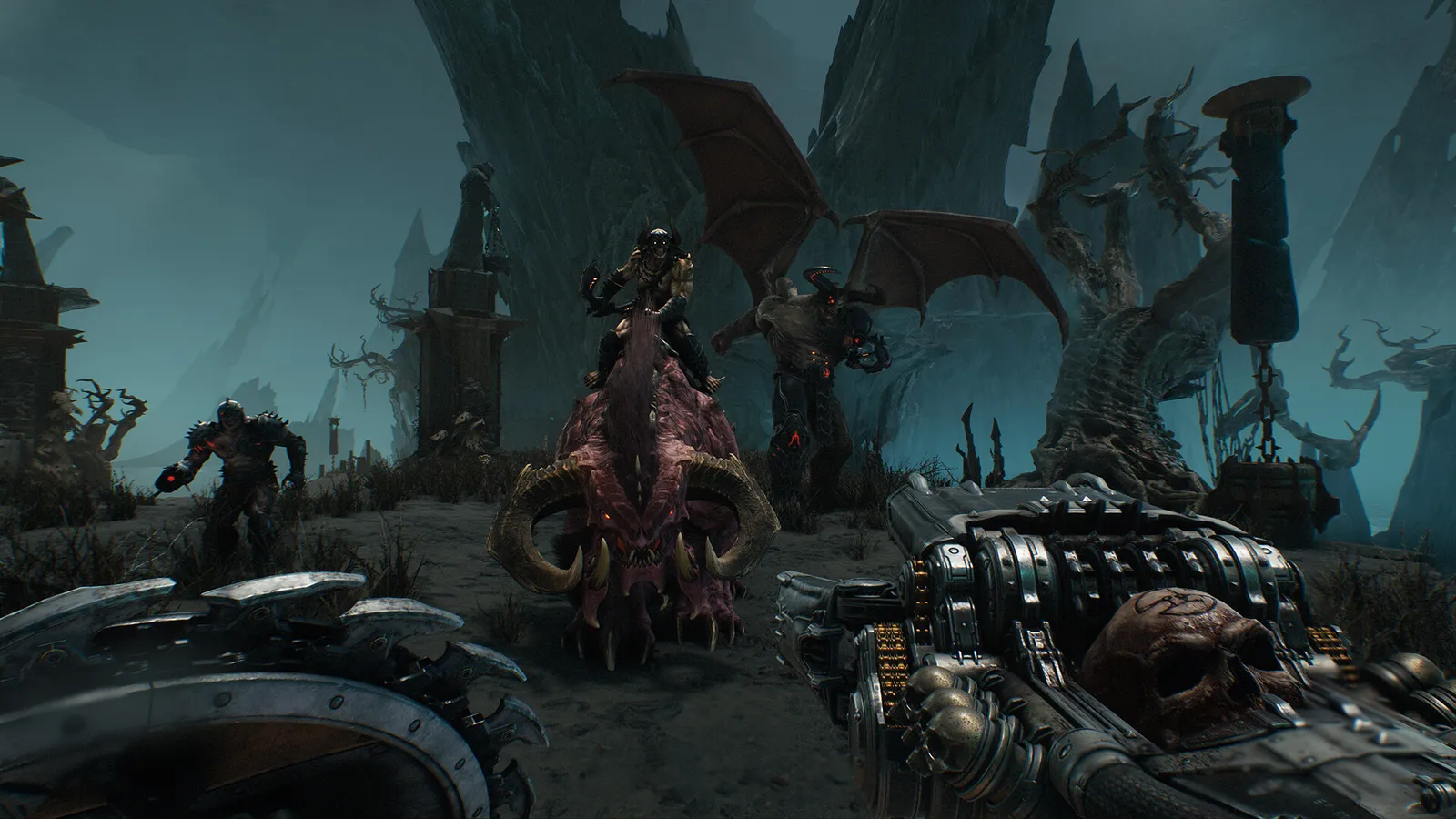
The deeper concern is what comes after this. If Microsoft intends to keep making Doom games without the engineering team that built idTech, that points in one direction: Unreal Engine, third-party middleware, or a dramatically reduced scope. Moving off idTech is not automatically a disaster in isolation, but it would fundamentally change what a future Doom game is. The tight feel of the shooting, the performance characteristics, the technical ambition that made Doom Eternal stand apart from other shooters, all of that was built on idTech by the people who are now gone. Their replacements, whoever and whenever they are, will be starting from a codebase without the engineers who wrote it.
What Comes Next
DOOM as a brand will survive this. Microsoft owns the IP, and the IP will keep generating revenue regardless of what happens to the studio attached to it. What probably does not survive, at least not in the form it took for the last decade, is id Software as a technical leader in the industry. The studio that pushed performance benchmarks, that built an engine other developers referenced, that shipped three back-to-back excellent shooters with genuine technical ambition: that version of id Software took a hit today that it may not come back from. Revelations is out and by all early accounts it delivers. The people who made it deserved better than finding out today of all days, and the games industry deserved better than watching Microsoft gut one of its most consistently excellent studios while announcing it as a priority franchise.