Japan's Patent Office Roasts Nintendo's Absurd Defense of a Rejected Pokemon Patent With a Snarky Clapback
By CriticalPixel ·
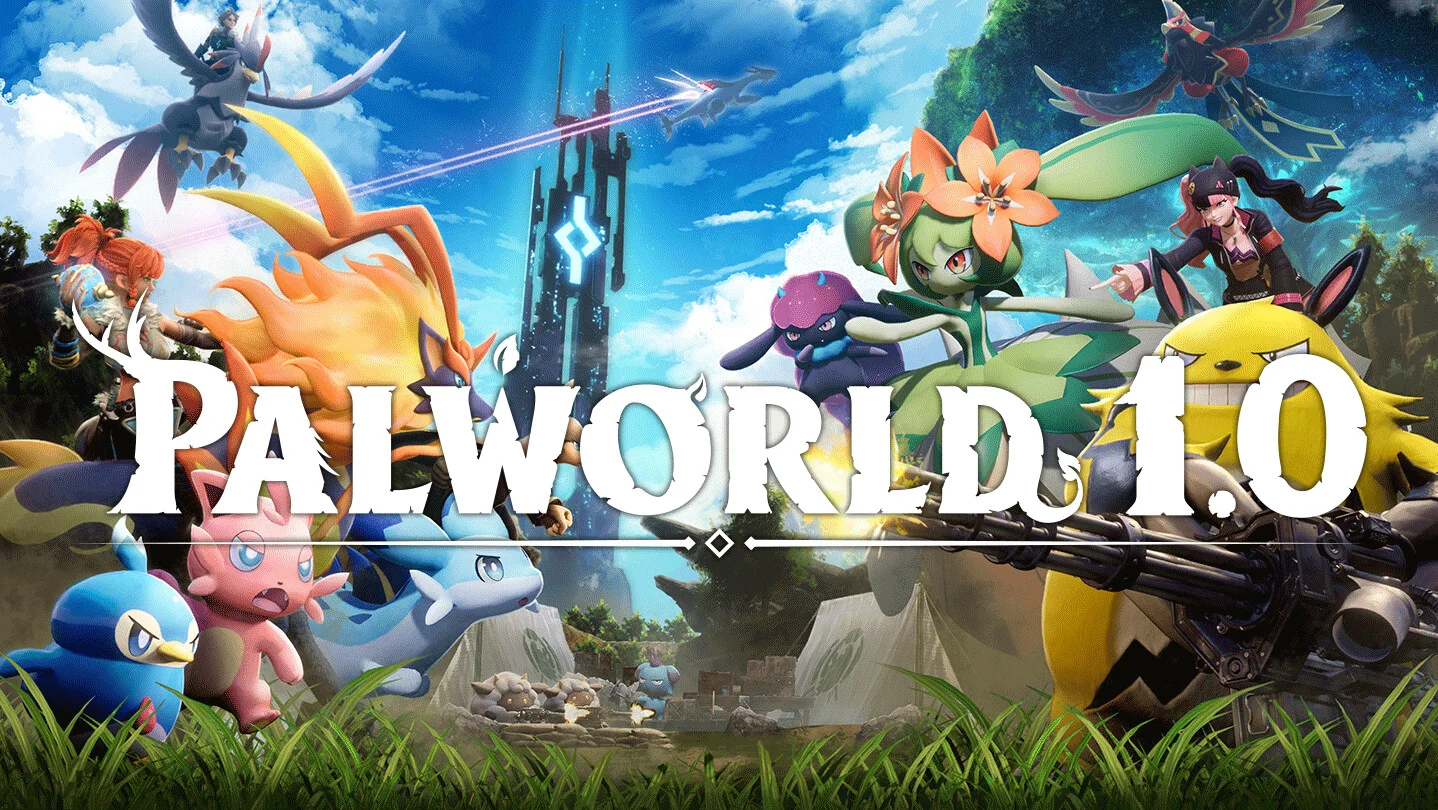
Japan's Patent Office just did something rare in government paperwork: it roasted Nintendo in writing. Earlier this month, examiners at the JPO sent a formal refusal of Nintendo's objections to a previously rejected Pokemon patent application, and the language was blunt enough that Japanese patent attorney Kiyoshi Kurihara told Yahoo Japan the exchange contained things rarely seen in standard patent practice. The whole saga, broken in detail by PC Gamer's Lincoln Carpenter on July 24, makes for the most fun anyone has had reading a patent refusal in a long time, and the takedown is a public one.
At the center of the mess is Patent Application 2026-019762, one of several patents Nintendo has filed in an attempt to claim ownership of mechanics around catching, battling, and riding Pokemon. The JPO originally sent a notice of refusal for this application back in April 2026, finding that the mechanics Nintendo was trying to patent were too close to prior art, including a 13-year-old fan-made Pokemon gameplay video that showed essentially the same systems years before Nintendo's filing. The patent office does not consider whether a thing is novel in the marketing sense; it considers whether a person skilled in the relevant field would have found the invention obvious, and the examiner ruled that bar was not cleared.
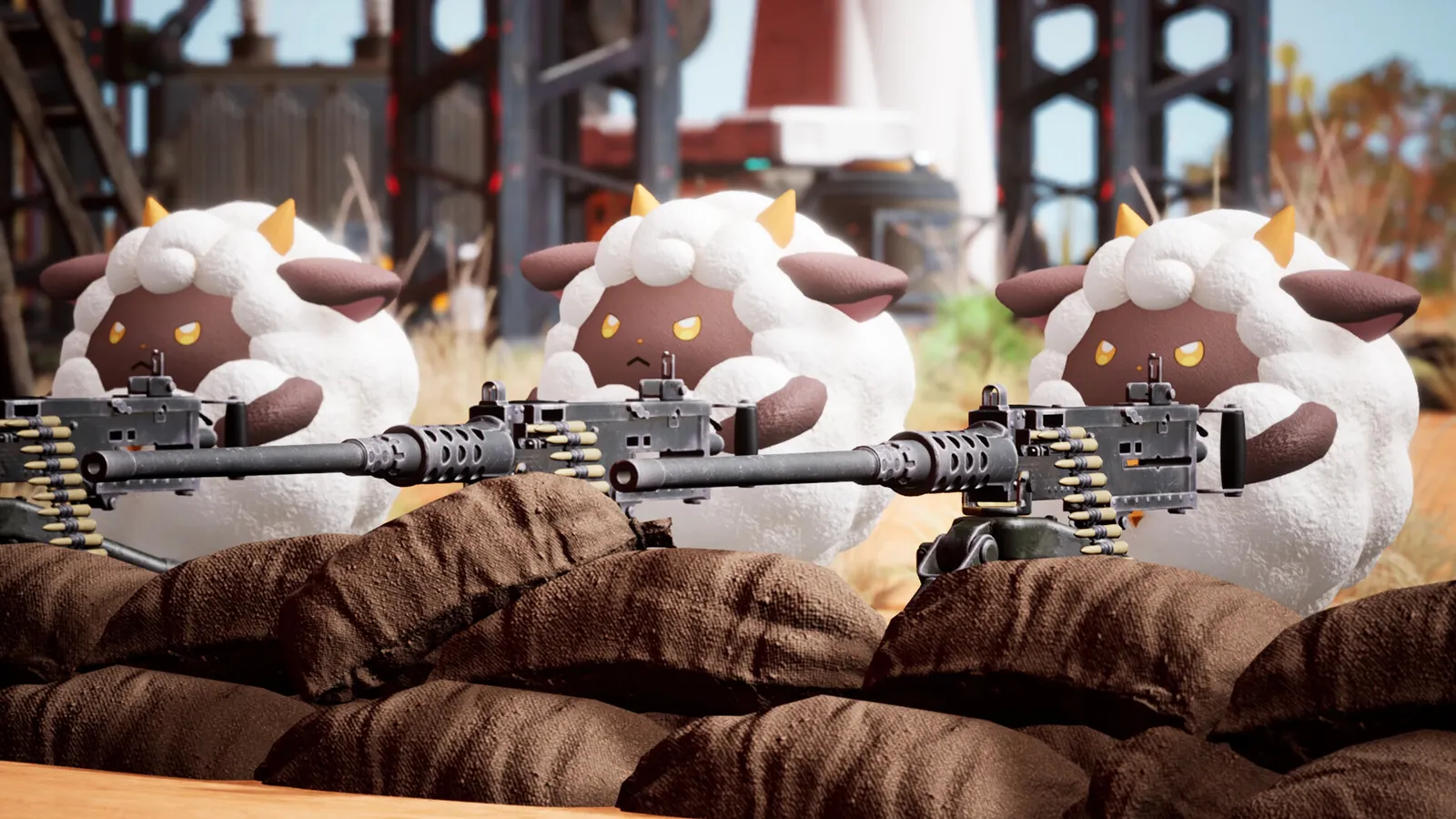
In June, Nintendo exercised its right to file a written opinion contesting the refusal. What followed reads like a lawyer pushing their glasses up and choosing violence. Nintendo argued, first, that the 13-year-old fan game should not count as prior art because it was not a real game but merely a video of a game, and that videos cannot be used to invalidate a videogame patent. Then Nintendo argued that even if the video counted, the Pokemon shown in it were unlicensed infringers, and the examiner had no business calling a Bulbasaur a Bulbasaur when the proper term was a character that infringes on Bulbasaur. It is extremely inappropriate for the examiner to deliberately misidentify the infringing product as if it were a genuine product, Nintendo wrote, with a straight face and a copyright lawyer on speed dial.
The JPO clapped back
The Patent Office's response is one of the more polite demolition jobs on record. Nintendo's copyright-infringement argument, the examiner noted, has no bearing on patentability under Japanese law, which contains no provision excluding inventions that infringe upon the copyright of others. Whether or not a cited work infringes copyright, the examiner continued, is irrelevant to the inventive step judgment, and this view is considered standard among patent practitioners. In other words: Nintendo was trying to import a copyright concept into a patent analysis, and the examiner pointed out that the bridge does not exist.
On the names, the examiner responded with what can only be described as advanced pedantry, deployed in writing and in good faith. If it is impermissible to refer to the character name in the reasons for refusal, then, accepting some redundancy in favor of precision, the elements should have been identified as follows: an object in the form of a small animal instead of Pokemon, an object in the form of a boy wearing a red hat instead of Ash, an object in the form of a small yellow animal instead of Pikachu, an object in the form of a small green animal instead of Bulbasaur, and a spherical object with a red upper half and a white lower half instead of Poke Ball. Even using those tortuous descriptions, the examiner added, the inventive step judgment would remain unchanged. The patent stays rejected, and Nintendo now has the most quotable patent office document of the year pinned to its wall.
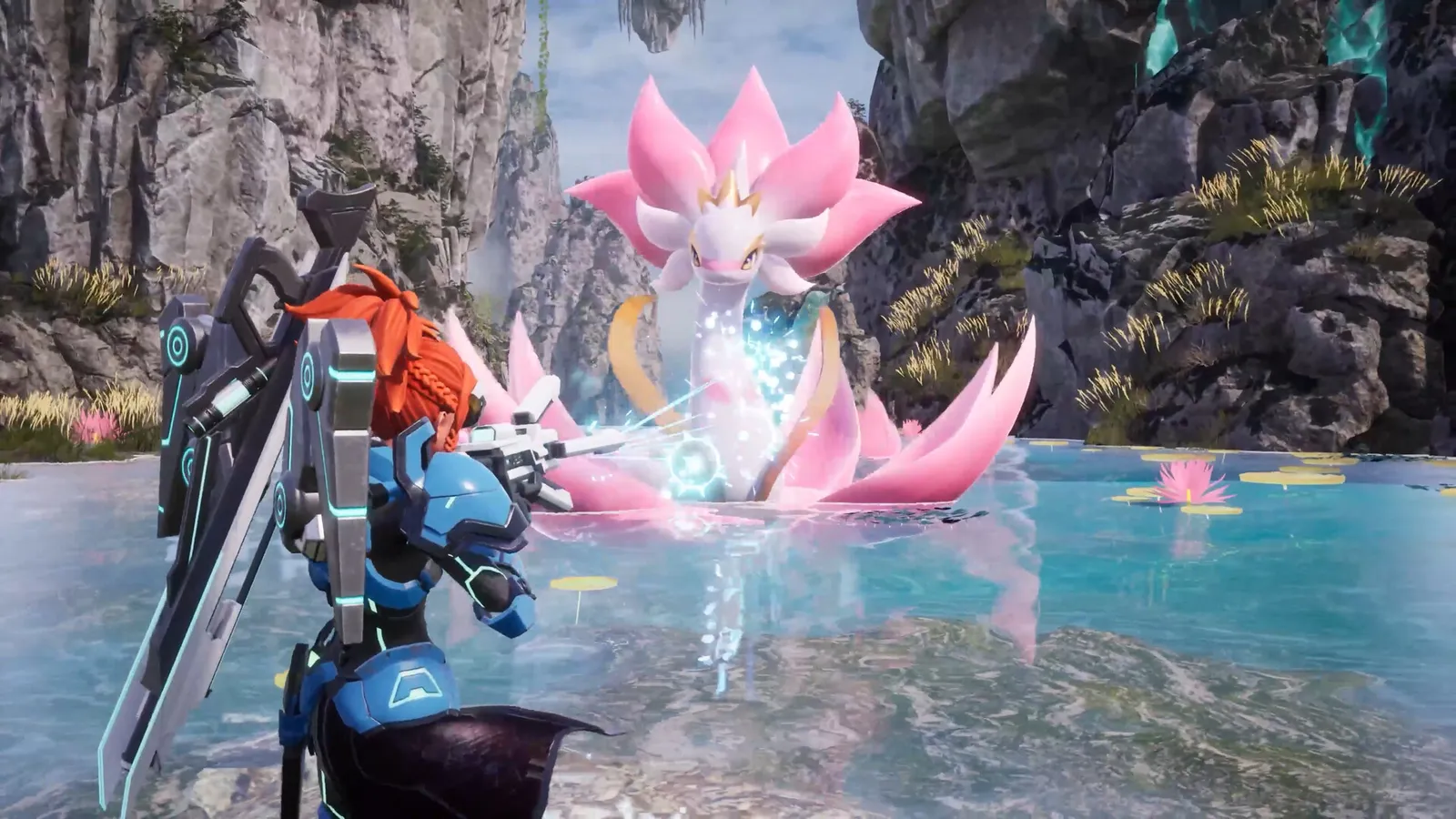
The examiner also addressed the video-versus-game argument with a baffled shrug. It is unclear whether Nintendo thinks a video of gameplay cannot sufficiently demonstrate the relevant software concepts, or whether Nintendo thinks the video could be an animation meant to look like a videogame and narrated as such by the uploader. The first theory is more than sufficient to support refusal, the examiner wrote, and the second is too ridiculous to consider. The phrase absurd misunderstanding appears in the same paragraph as the word deliberate, and it lands hard.
What this is not
It is worth saying clearly: this is not the Palworld ruling. Palworld developer Pocketpair is fighting Nintendo in a separate, ongoing case, and the patents that matter there were granted, not rejected. This particular application, 2026-019762, is one of a flock of related filings Nintendo has been pushing at the JPO to lock down Pokemon-style mechanics in general, and the patent office just told the publisher no in the most sarcastic way it knows how. As GamesFray notes, Nintendo has three months to petition for an appeal trial before JPO judges, and the publisher can still file further divisional applications with more carefully crafted claims, so this is a setback, not a knockout.
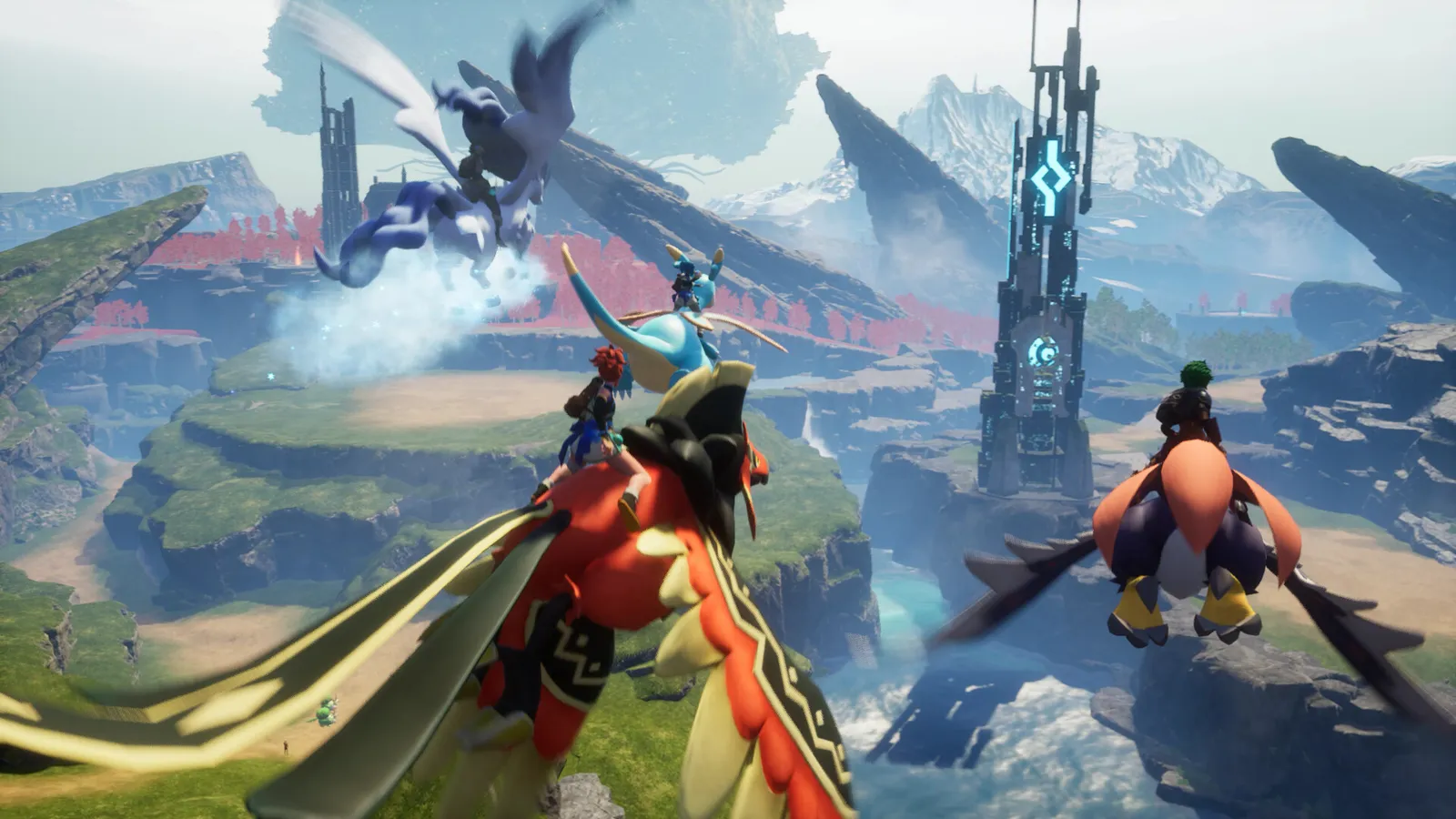
The community reaction has been loud. The original 14-million-like explainer from Pirat_Nation on July 22-23 set the tone, calling the rejection a key disagreement and noting that Nintendo's insistence on using a 2013 fan game video as prior art was always going to be a fight. Follow-on coverage from GamesRadar and Automaton pointed at the same conclusion, and the FinalBoss.io account summed up the most quoted line in the whole document: the patent office basically told Nintendo to be serious. A spherical object with a red upper half and a white lower half, in writing, in a government document, is the kind of self-own Nintendo usually avoids.
The CriticalPixel take
Here is the part that should make every gamer grin. Nintendo has spent years building a reputation as the kid-friendly publisher that makes games for everyone, and then in court filings the company argues that a 13-year-old fan game does not count as a game and that Pokemon are not called Pokemon. The patent office did not need to dunk; it just needed to follow its own rules. That the rules produced a paragraph that reads like a standup bit is a side effect of Nintendo choosing to fight on the wrong terrain. If you bring a copyright argument to a patent fight, the examiner will be the one laughing.
The bigger question is whether this signals a wider chill on Nintendo's Pokemon-patent ambitions. The JPO has already granted other patents Nintendo cited against Pocketpair, so the company is not shut out of the system. But having an examiner publicly explain, in plain Japanese, why one of these applications fails, with a footnote that could be quoted at any patent law conference for the next decade, is a cost Nintendo did not need to pay. Filing more applications now carries a higher bar, and the bar is the one the patent office just drew in permanent ink.