Konami Puts Silent Hill on an Annual Release Cadence as Okamoto Outlines an Outsourced Roadmap
By CriticalPixel ·

Konami is done tiptoeing around Silent Hill. Speaking through an interpreter with GamesRadar at gamescom 2026, franchise producer Motoi Okamoto said the publisher's plan is to ship a brand new Silent Hill title every year, and there are many unannounced projects already in development across external studios. This is not a single-game tease. It is a pipeline commitment, and the first time Konami has publicly put a release cadence on the horror series that spent most of the 2010s in cold storage.
Okamoto framed the annual push as both a creative and a pacing decision. Our aim is to, hopefully, have an annual release of new games, he told GamesRadar, then added the obvious caveat: If we stay laser-focused on the same American setting, that would exhaust narrative possibilities, and also potentially cause fatigue for the playerbase. Translation: Silent Hill is moving. The franchise will keep rotating through new regions, cultures, and tones rather than retreating to the lakeside fog of the original. Silent Hill f already proved the Japan-set angle lands with players. Future entries are likely to push further outward, with Russia, Italy, and South Korea reportedly on Konami's shortlist of unexplored backdrops.
An outsourced horror factory, not a Konami internal studio
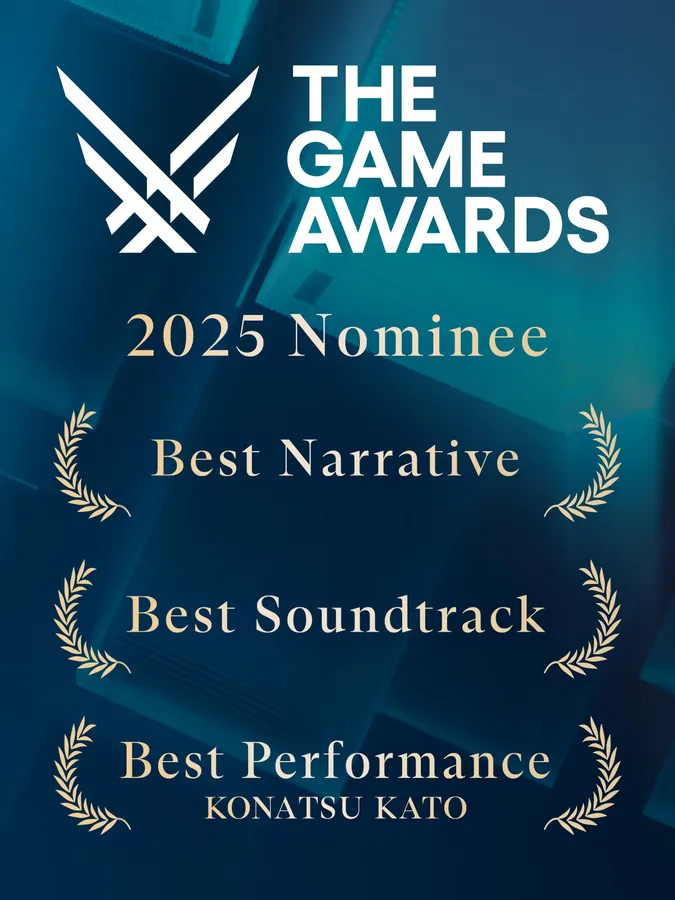
Every mainline Silent Hill released or announced this decade has come from an external partner. Bloober Team handled the Silent Hill 2 Remake. NeoBards Entertainment built Silent Hill f with a Japanese writer and a Kyushu setting. Townfall is being driven by Screen Burn, an indie team led by a former Sumo Digital designer. The pattern is intentional, and Okamoto made it explicit: Konami wants to keep outsourcing Silent Hill to whoever is best suited to the specific story being told. The publisher stays as the franchise steward, deciding what Silent Hill means and where it goes, while letting partners own the creative execution. This is a major swing away from the Team Silent era, where an in-house team defined the look, the sound design, and the muscle memory of the series. That team is gone. Its successors are scattered across Bloober, NeoBards, Screen Burn, and whoever else Konami signs next.
What the annual cadence actually buys
An annual release plan for a horror franchise is unusual, and the risks are obvious. The Call of Duty model works because the core loop is interchangeable. Silent Hill's identity depends on mood, restraint, and a willingness to sit in silence. Drop a new entry every year and the series risks becoming a content treadmill. Konami clearly sees the danger. Okamoto's comments pair the annual commitment with two guardrails. The first is geographic and tonal variety. Each new game is meant to feel like a fresh slice of the franchise, not the same nightmare re-skinned. The second is structural, leaning on outside studios with established track records so Konami does not have to grow a large internal horror team overnight. It is closer to how Square Enix handled Final Fantasy VII Remake, with multiple internal and external teams handling parallel projects, than to how Resident Evil manages a single, mostly internal Capcom pipeline.
Where this leaves fans, the price tag, and the next 24 months
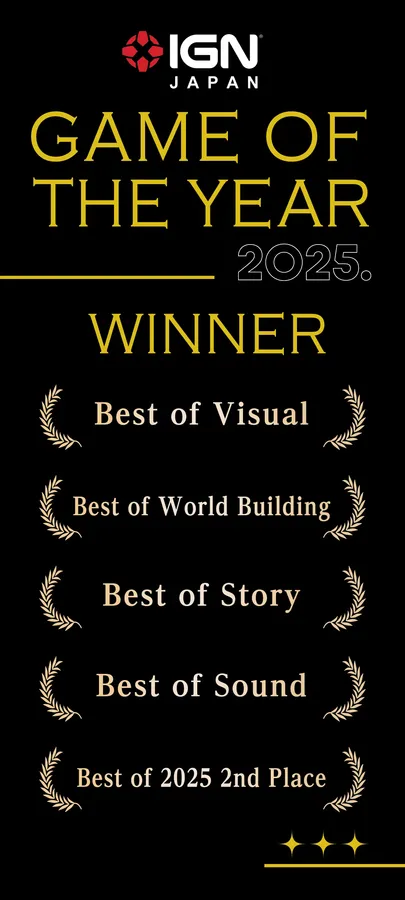
The community reaction has been mixed, which is the honest read. On one side, players who gave up on Silent Hill after Silent Hill 4 see a real renaissance. Silent Hill 2 Remake shipped strong reviews. Silent Hill f sold well in Japan and abroad and pulled over 18,000 overwhelmingly positive Steam reviews. Townfall is shaping up as a moody first-person detour. On the other side, the annual plan has already triggered fatigue warnings. This is how you ruin a horror IP, is a real reaction from fans who remember what annualized Resident Evil did before Capcom rebuilt the brand. There is no public roadmap yet, no dates, no platform list, and no pricing strategy. Konami has only said annual and many and shown us an openness to setting games outside America. That is enough signal to start counting studios, not entries.
The CriticalPixel read is simple. Konami has the IP rights, the cash, the publishing muscle, and the partner network to do this in a way that respects the source. They have also already learned, painfully, what happens when the publisher lets a beloved series sit untouched for a decade. An annual cadence is ambitious. If they hold the line on creative variety, keep the partner studios at the size of Bloober and NeoBards rather than ballooning to Ubisoft-tier output, and resist the urge to monetize the brand with multiplayer experiments or NFT nonsense, this can be a real horror pipeline instead of a brand cash-grab. The next test lands inside 24 months. If a new game shows up in 2027 with a fresh setting, a tight runtime, and a price tag that respects the player, the plan earns its keep. If it shows up as a generic action shooter with the Silent Hill name stapled on, we will know the annual promise was a publishing gimmick dressed as a creative one.
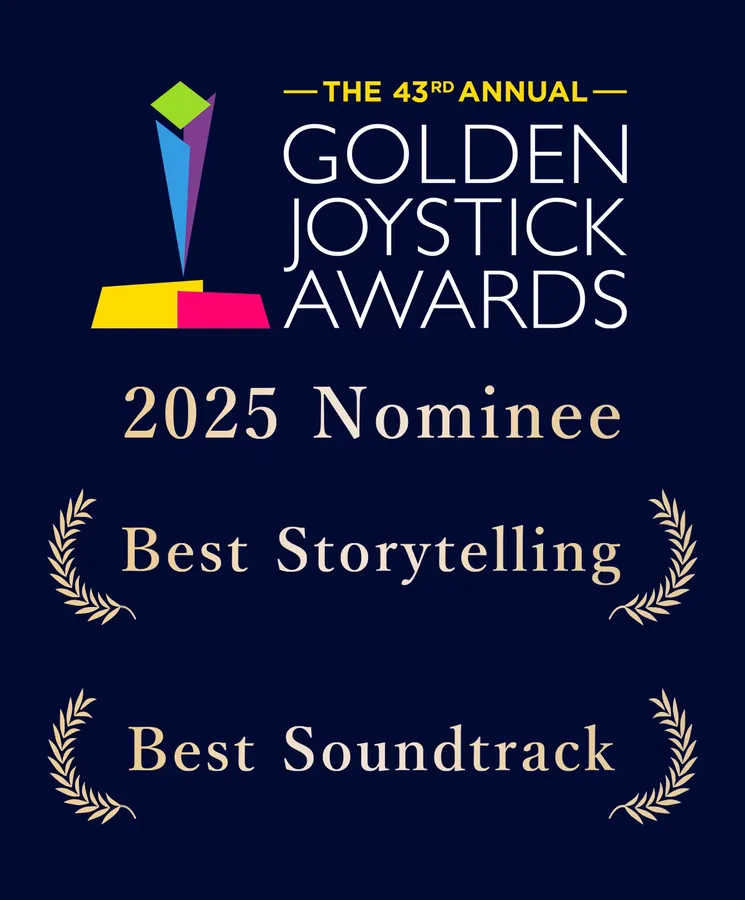
For now, the only concrete proof is the quote, the gamescom interview, and the track record of three strong external releases in a row. That is more than most horror franchises get. Hold the publisher to its own words, and pay attention to which studio name lands on the next box.