Kwalee Labs' Entire Team Was Laid Off Less Than a Month After Luna Abyss Launched on Game Pass
By CriticalPixel ·
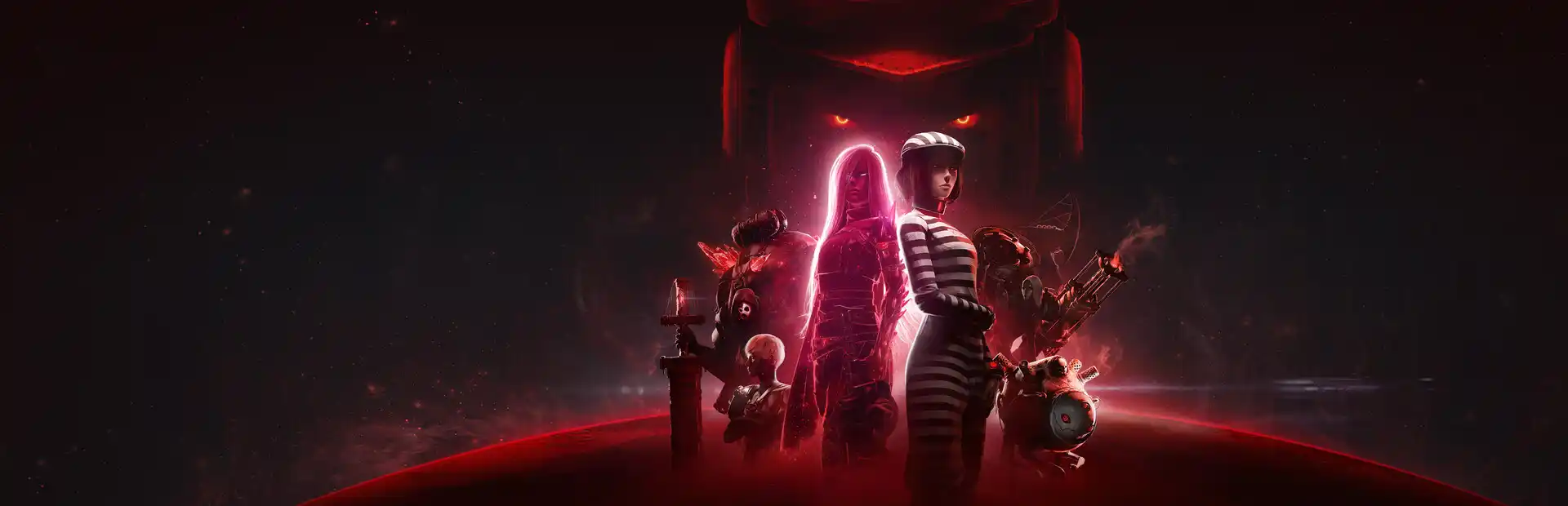
Luna Abyss launched on May 21, 2026 to the kind of reception a small studio spends years hoping for. An 86-percent positive rating on Steam, an 80-plus Metacritic score, and Polygon calling it quietly one of the best shooters of 2026. It was day-one on Game Pass, it had a physical edition from Microids coming to PS5 in August, and the team at Kwalee Labs was about to start thinking about what came next. On June 15, twenty-six days after launch, the entire studio was shut down and every employee was made redundant. The decision, according to CEO Hollie Emery, was completely outside of the team's control.
What Luna Abyss Actually Was
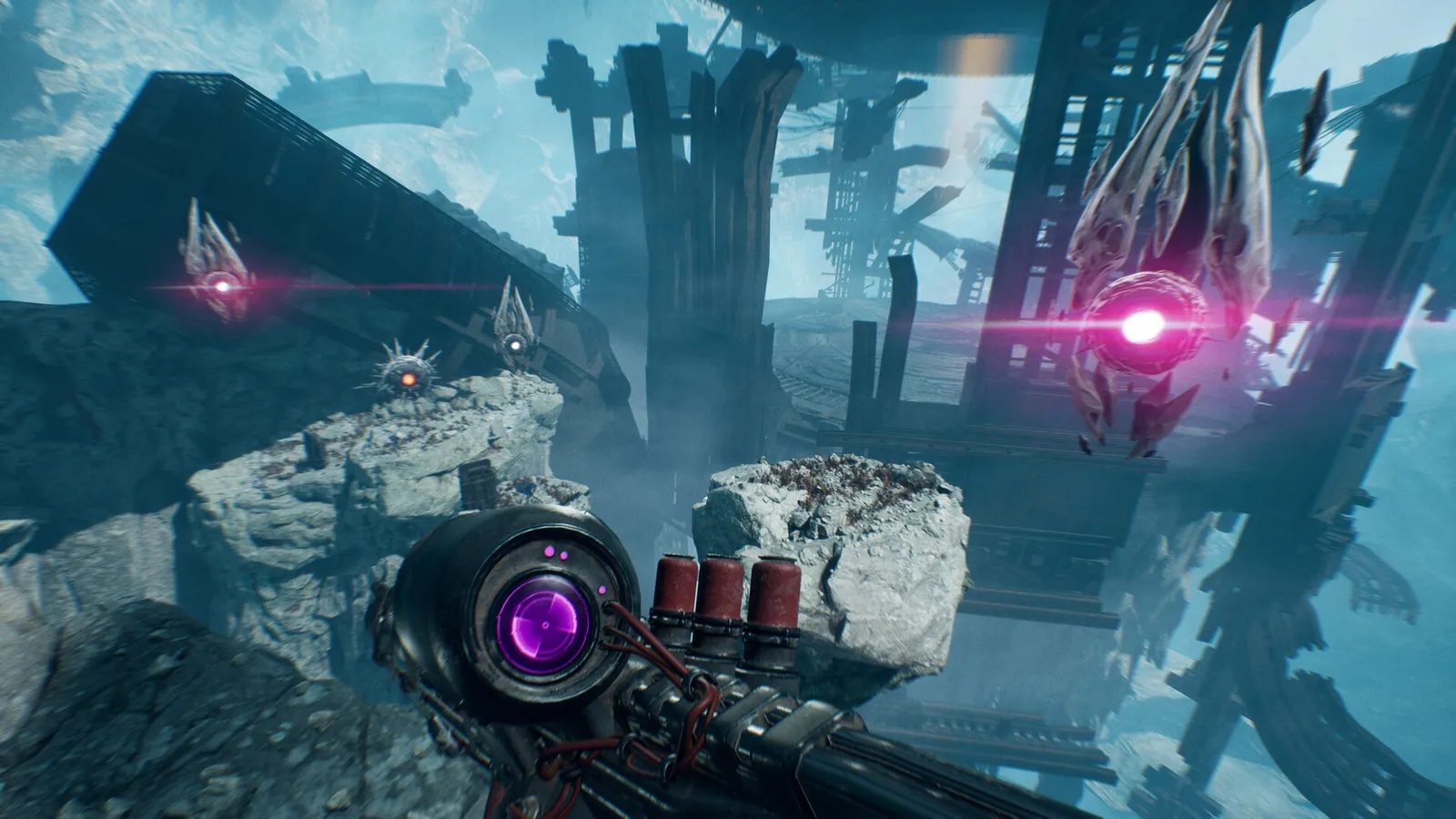
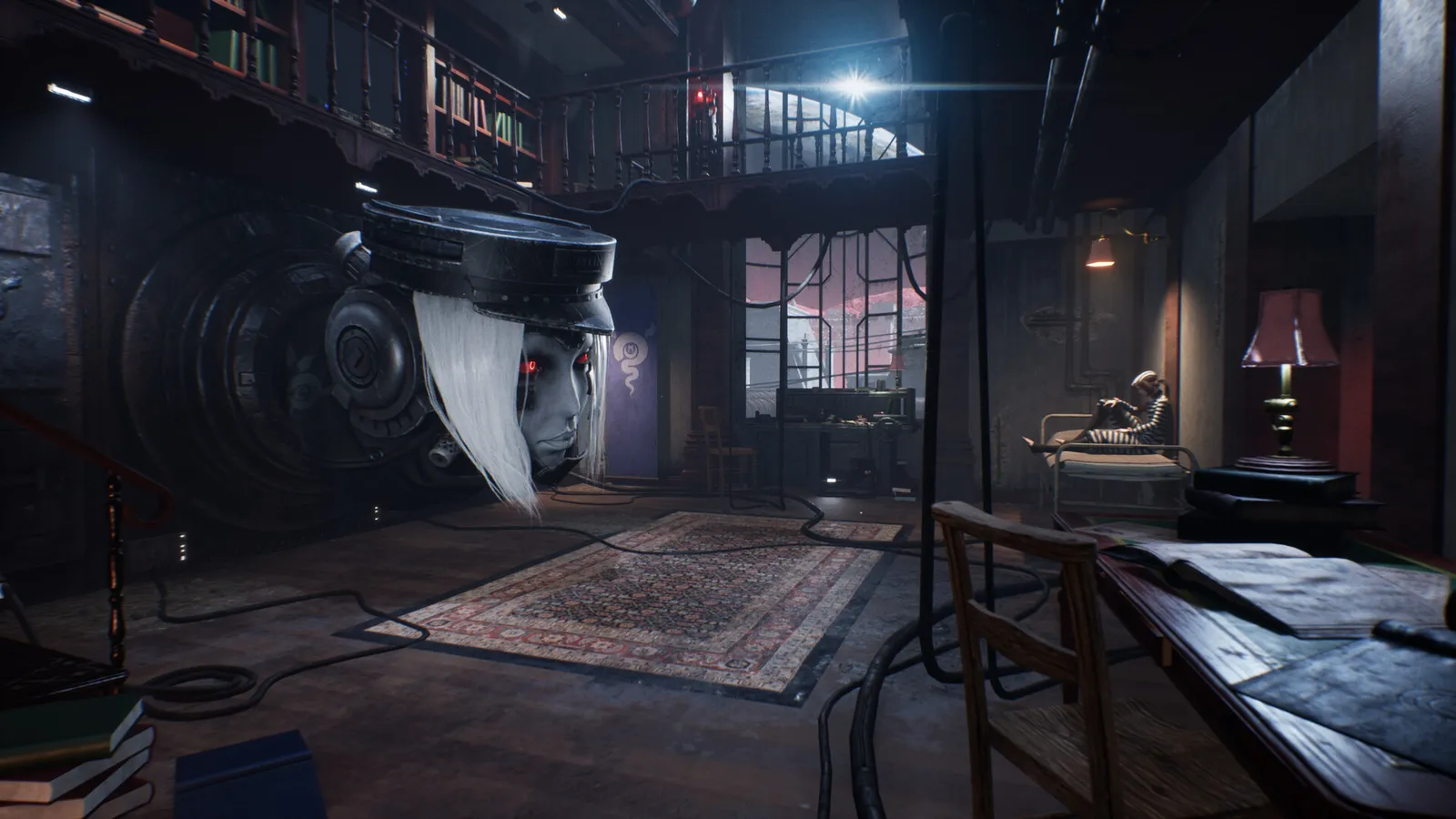
Luna Abyss is a bullet hell shooter that pulls influence from Metroid Prime and Returnal and somehow manages to feel like neither a knockoff of either. The game is set on Luna, a mimic moon, and it leans hard into atmosphere. Dense, dark environments, tight movement, and projectile patterns that demand focus without ever feeling random. Kwalee Labs, originally founded as Bonsai Collective before being brought under the Kwalee publishing umbrella, spent around seven years building it. For a small team shipping a debut title in a genre that is notoriously difficult to score well in, the critical reception was a serious achievement.
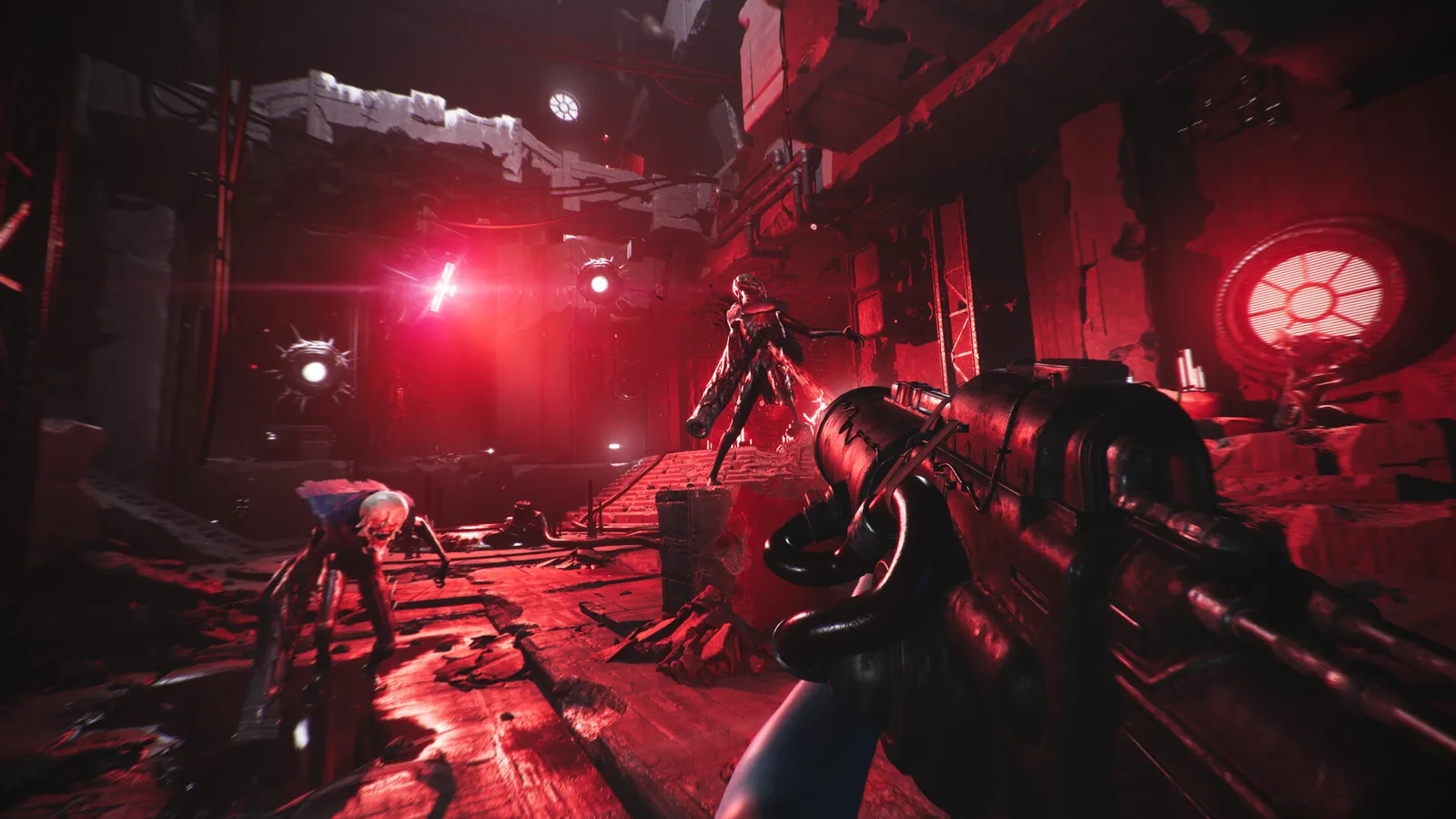
The $30 price tag was reasonable. The game was available at launch on Steam, Xbox Series X and S, and through Game Pass for PC and Xbox subscribers at no additional cost. A small but vocal community formed around it on Steam, pushing it to that 86-percent positive rating and giving the studio the kind of organic word-of-mouth momentum that is genuinely hard to manufacture. The Microids physical deal for an August 2026 PS5 release suggested a publisher that believed in the game's staying power. None of that mattered in the end.
The Layoffs and the Timeline
On June 16, Game Informer published a post from Hollie Emery on LinkedIn confirming the studio's closure. The tone was careful and clearly written by someone trying to say something honest under difficult circumstances. She described being enamored by the love Luna Abyss received from the industry and from critics, and called it the highlight of the team's careers. Then she confirmed that the entire team had been made redundant as of June 15 and that everyone was available for work immediately. She did not name what was outside the team's control or who made the decision. The studio is owned by Kwalee, a UK-based publisher, so the call almost certainly came from above.
The timeline here is brutal in a way that numbers alone make clear. Twenty-six days between launch and studio closure. The game shipped May 21. The team was gone by June 15. Even if Kwalee leadership had decided months earlier that Luna Abyss needed to hit a specific revenue target to justify the studio's continued existence, pulling the plug three and a half weeks after release makes almost no commercial sense unless the Game Pass deal front-loaded the majority of the studio's funding and the money simply ran out. Game Pass licensing fees are typically paid upfront or in milestone tranches, not tied to subscriber engagement, so if that revenue had already been accounted for and the studio still could not sustain itself, the math was always going to fail. The launch just delayed the outcome.
How the Community Responded
The response across social media was mostly sympathetic and frustrated in equal measure. Industry reporters at Kotaku and GameSpot both covered the news within hours of Emery's LinkedIn post going public. A post from Shinobi602 confirming the layoffs collected over a million likes on X, which is an unusually high number for studio closure news about a game many people had not heard of. That spread says something about how tired people are of watching competent, reviewed-well studios get gutted by publishers who treat game development like a short-term investment. Several developers posted support for the team and pushed for studios to look at hiring from the Kwalee Labs roster. The reaction was not mixed, it was predominantly negative toward the business decision, with a clear separation between what players thought of Luna Abyss and what they thought of whoever signed off on the closure.
Game Pass Did Not Save Them
The Game Pass pitch to small studios has always been that it provides exposure and a guaranteed upfront payment that offsets the risk of a smaller sales footprint. Luna Abyss is a case study in what happens when that math does not work out. The exposure was there. The critical reception was there. Game Pass subscribers played it and left positive notes. None of that translated into the kind of financial outcome that kept Kwalee Labs operational for a second project. This is not an argument against Game Pass deals in principle, but it is a clear example of their limits. A publisher-owned studio relying on Game Pass licensing as a primary funding mechanism has almost no fallback if the parent company decides the return does not justify continued investment. There is no retail tail, no massive Steam back catalogue revenue to draw from, and the subscriber engagement metrics that Microsoft tracks internally are not revenue that flows back to the developer.
What makes this harder to accept is that Luna Abyss was not a failure by any reasonable creative standard. The game delivered on its premise. Critics noticed. Players who found it recommended it. That a studio can hit those marks and still close inside a month of shipping says something uncomfortable about what the publishing model surrounding Game Pass actually looks like for the teams doing the work. The Kwalee Labs team spent seven years on this. They shipped something worth finishing. The people who made that decision deserve better jobs than they lost, and whatever comes next for them probably will not have anything to do with the studio that built Luna Abyss.