Meccha Chameleon Hits 7 Million Copies in Two Weeks and the Solo Dev Is Already Shipping New Maps
By CriticalPixel ·
Meccha Chameleon came out on June 9, 2026, built by a single developer who goes by Lemorion. Thirteen days later it crossed 7 million copies sold on Steam. For context, that is a number most studio teams of 100 or more people never reach in a game's entire lifecycle. Lemorion just did it with a game that costs less than a fast food combo meal, and the milestone announcement came directly from the Steam news page with exactly one sentence of celebration before pivoting straight to the next content drop.
What Is Meccha Chameleon
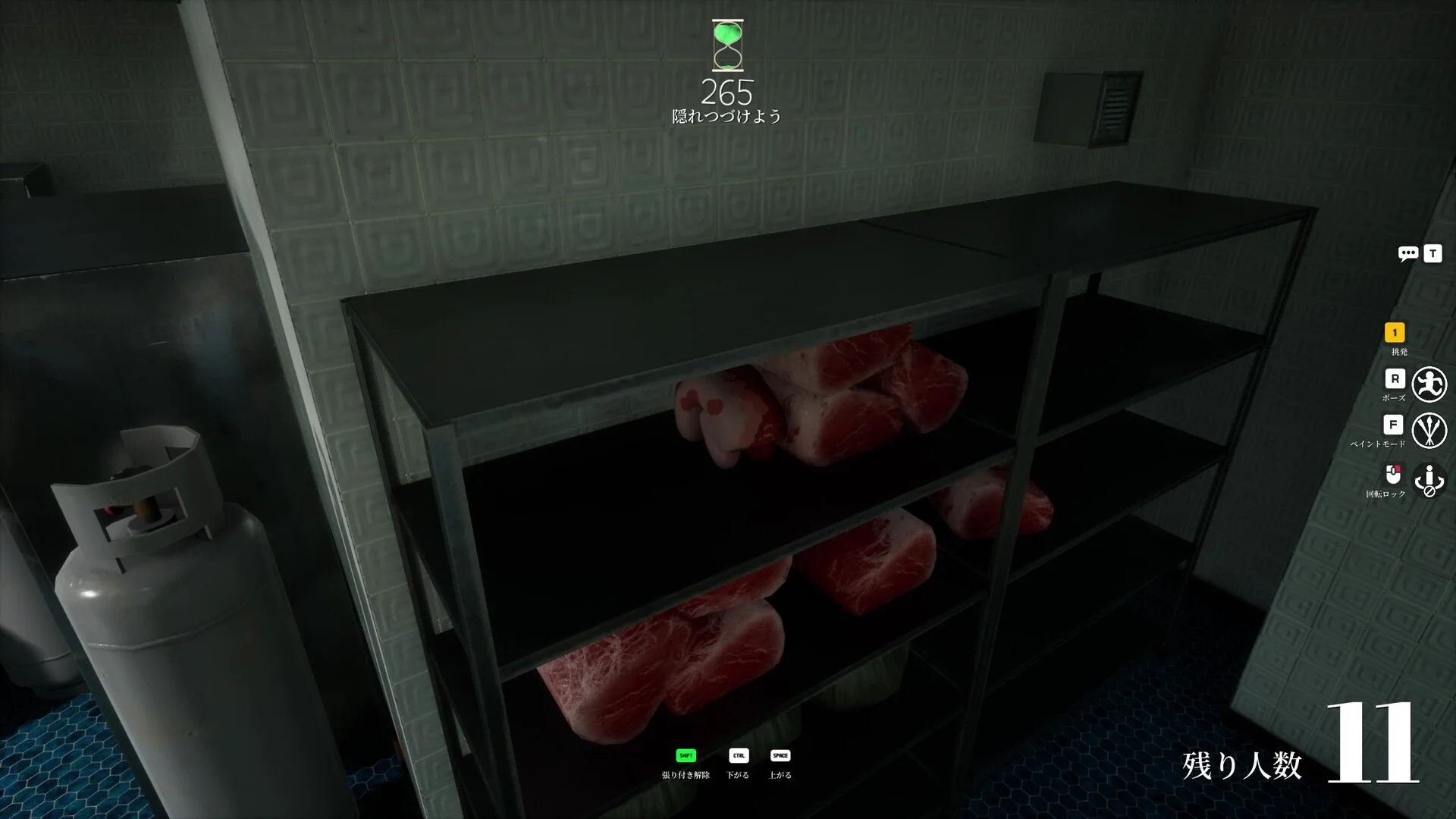
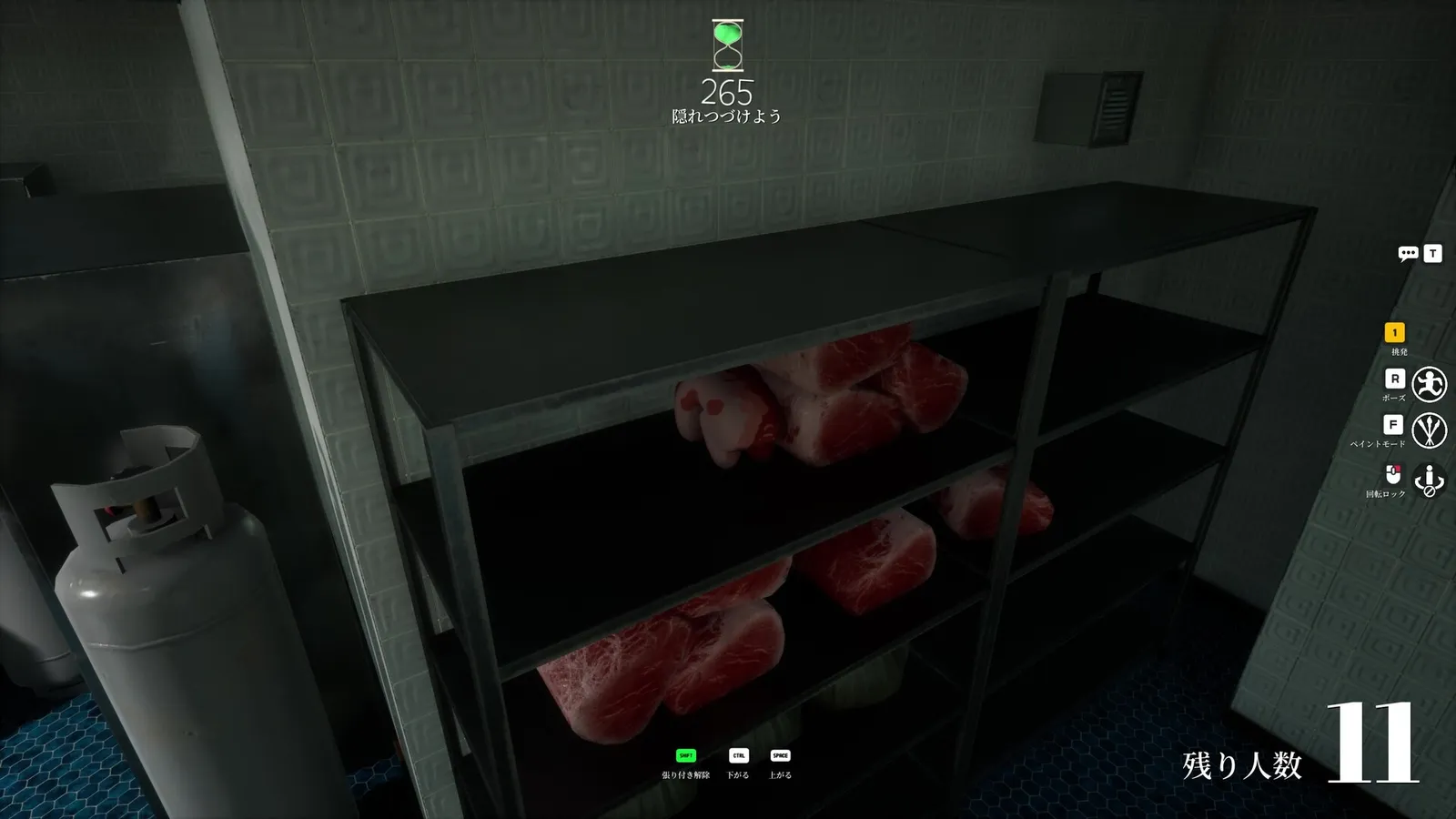
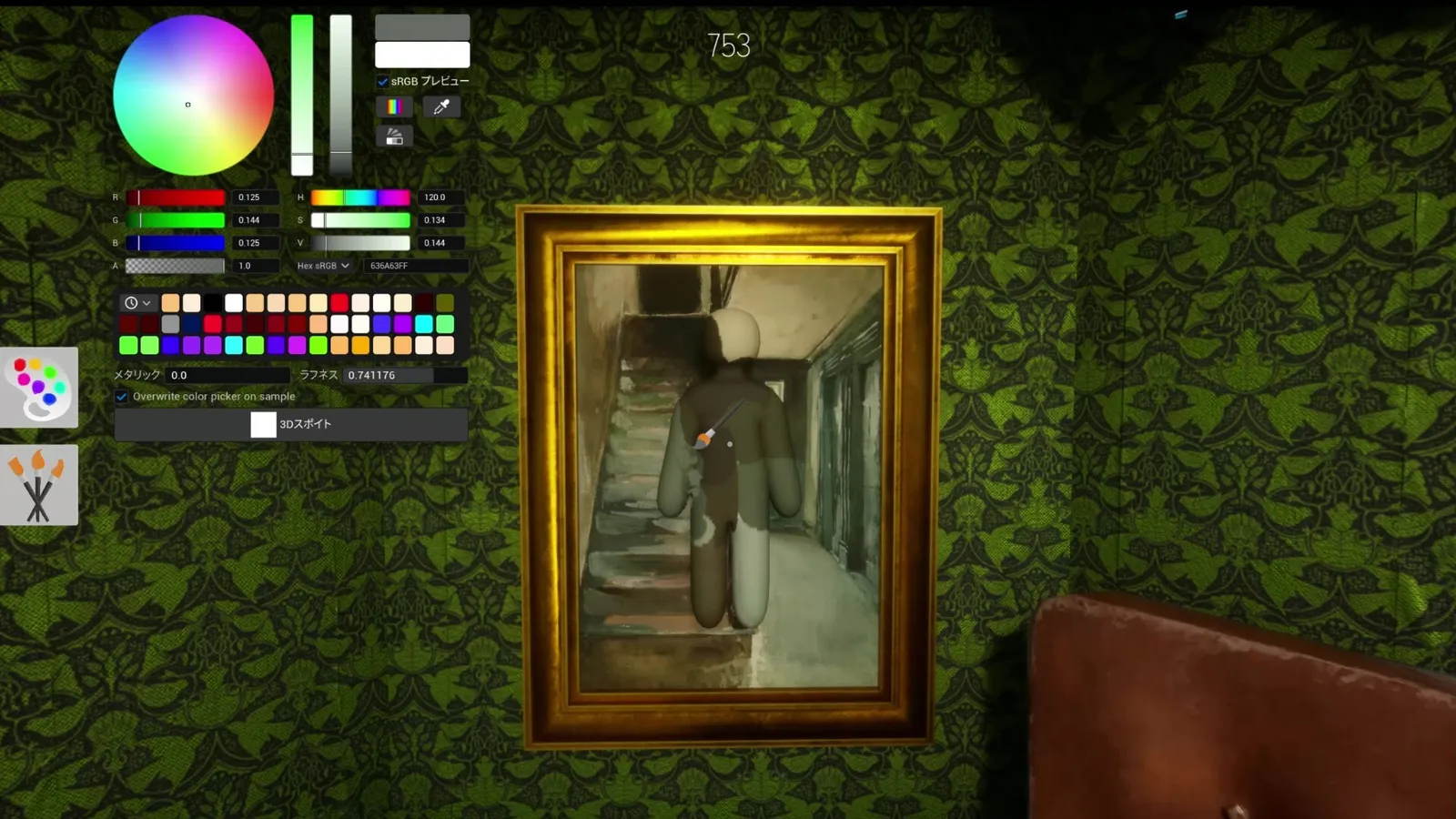
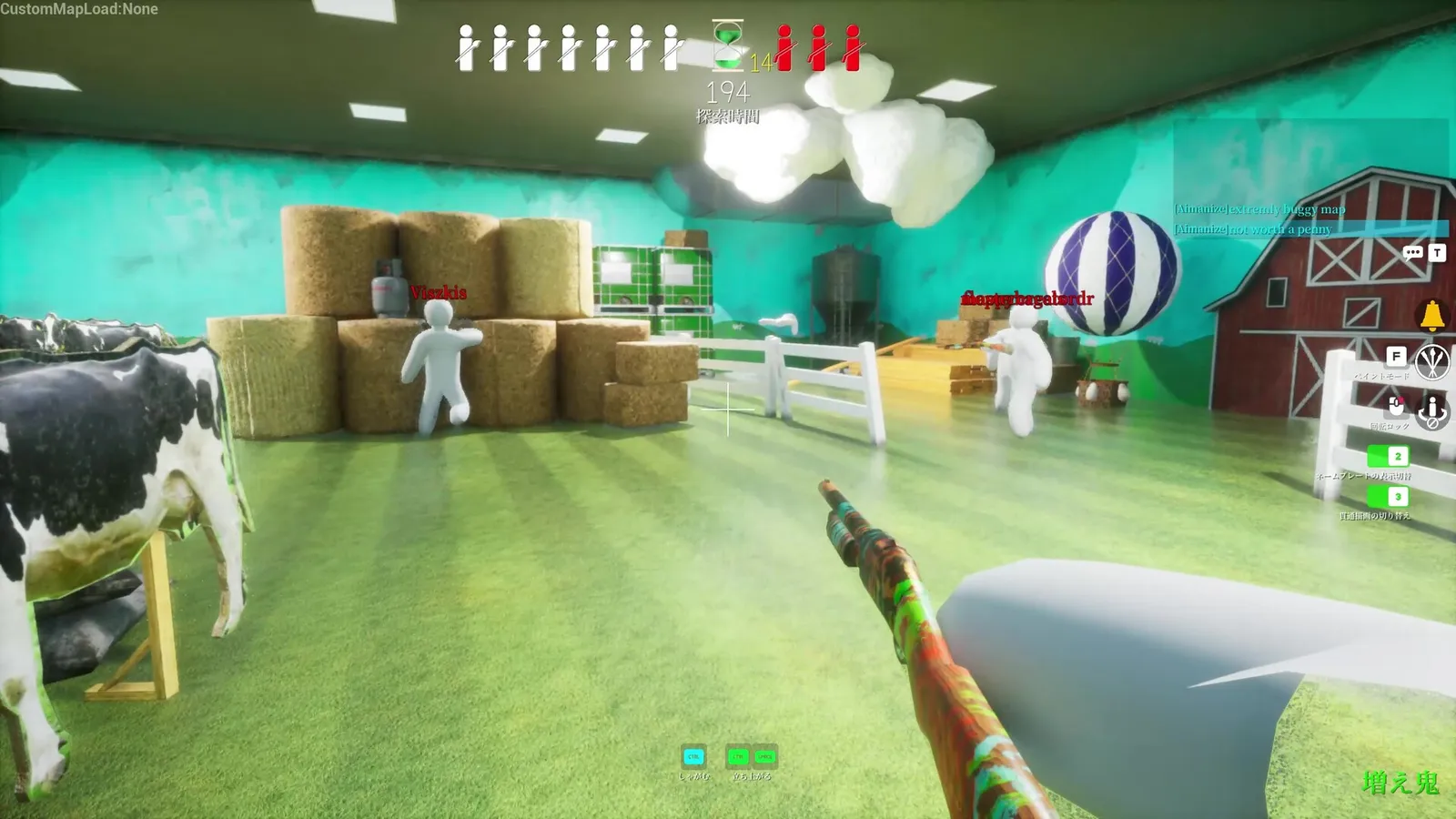
The concept is simple in the way that the best social games always are. Every player starts as a plain white figure on a colorful stage. Hiders get paint tools and a window of time to cover themselves in whatever colors and patterns appear in the environment around them. Rooms filled with polka dots, stripes, gradients, art prints. You have to study the stage, pick your spot, paint yourself to match, and hold your pose when the seekers start scanning. The seekers walk around looking for anything that seems slightly too round or slightly too suspicious. It sounds absurd on paper, and it is, but the skill gap between a player who understands perspective and color blending versus someone who just slaps random paint everywhere is immediately visible. The game supports public matches and a dedicated streaming mode, which is not an accident.
Numbers That Do Not Add Up
The 7 million figure is direct from the developer. Lemorion posted it to the Steam news page on June 21 with the kind of brevity that only someone who genuinely cannot believe their own sales dashboard would use. No marketing copy, no bullet list, no quote from a fictitious CEO. Just "7 million copies sold! Thank you so much!" followed immediately by news of an upcoming Japan-themed map. That pace puts Meccha Chameleon in the company of Among Us, which took months to build an audience before the 2020 livestreamer wave hit it, and ahead of both Lethal Company and REPO at comparable points in their launches. Two of those games came from small teams. Meccha Chameleon came from one person.
The Steam review distribution reflects the momentum. The game sits at Very Positive, with players arriving from every continent and leaving reviews in at least a dozen languages. That kind of spread does not come from a single regional gaming community picking something up. Meccha Chameleon found a global audience without a publisher, without a marketing budget, and without a PR campaign. It spread because people who played it told other people to play it.
A $6 Price Tag Is a Competitive Weapon
At around $6 to $7 USD depending on region, Meccha Chameleon sits in a price bracket where convincing four friends to buy in takes about ten seconds of deliberation. This matters more than it gets credit for. Social games live and die by their friction-to-entry ratio. A $70 game requires a committed decision. A $6 game gets bought on impulse in the middle of a Discord call. Meccha Chameleon's pricing strategy is the same one that made Among Us a phenomenon: low enough that buying it feels like a non-decision, good enough that the first session turns into a three-hour session, and social enough that every player becomes a walking advertisement for the next group of friends.
The contrast with the broader market is hard to miss. Triple-A publishers are pushing games toward $80 and above, pointing to inflation and rising development costs while shipping titles with fewer features at launch and more monetization built in from day one. Meanwhile Lemorion, one person, built something that millions of people are actively playing, priced it at a fraction of the AAA standard, and is shipping quality-of-life patches at a pace that would embarrass some mid-sized studios. Version 1.5 added a Like button for hidden players during the reveal phase. Version 1.5.1 fixed a bug where already-found players would reappear during the search phase. Version 1.6 let players adjust hider sizes and patched a cloud save error. Three patches in roughly two days.
A Global Community in Under Two Weeks
The community response has been fast and international. Indonesian VTuber networks are organizing collab streams with rosters of ten players. Japanese content creators are clipping their best camouflage moments and circulating them through their communities. Taiwanese gaming groups are scheduling coordinated sessions. French gaming press is writing explainer pieces trying to catch up with why everyone is suddenly talking about it. Spanish-speaking players are recruiting lobbies on Twitter. This is the same organic, multilingual spread that defined the Among Us moment in 2020, where the game stopped being a niche curiosity and became something everyone's social circle had an opinion about. Meccha Chameleon is at that threshold right now, and the Japan map arriving in the next day or two is going to push the already-engaged Japanese-speaking audience even further in.
The Japan Map and What Comes After
Lemorion confirmed on June 21 that a Japan-themed map is arriving that day or the next, posted in the same Steam announcement as the 7 million milestone. No screenshots, no elaborate preview, just a one-line note alongside the sales numbers. Given the update cadence already on display, there is no reason to expect it to slip. What comes after is the more interesting question. At 7 million copies, Meccha Chameleon has crossed the threshold where community demand starts pushing for things the original design never planned for. More maps, more paint tools, competitive ranking, seasonal content, full workshop support. Whether Lemorion scales up the scope or keeps the game as a tight experience built by one developer will define whether this becomes a sustained platform or a fondly remembered flash.
Seven million players did not show up for a gimmick. They showed up because the core loop is genuinely fun, the price removes any real barrier to entry, and watching someone get caught mid-pose with a badly applied paint job is exactly the kind of moment that gets clipped, shared, and turned into a reason for ten more people to buy in. Lemorion built something that works at a scale that takes most studios years and budgets in the tens of millions to reach. The real question is what one developer does when the whole world shows up at their door at once.