Miami-Dade Sheriff Slams Rockstar's GTA 6 Marketing Proposal as 'Miami-Dade County is Not Vice City'
By CriticalPixel ·

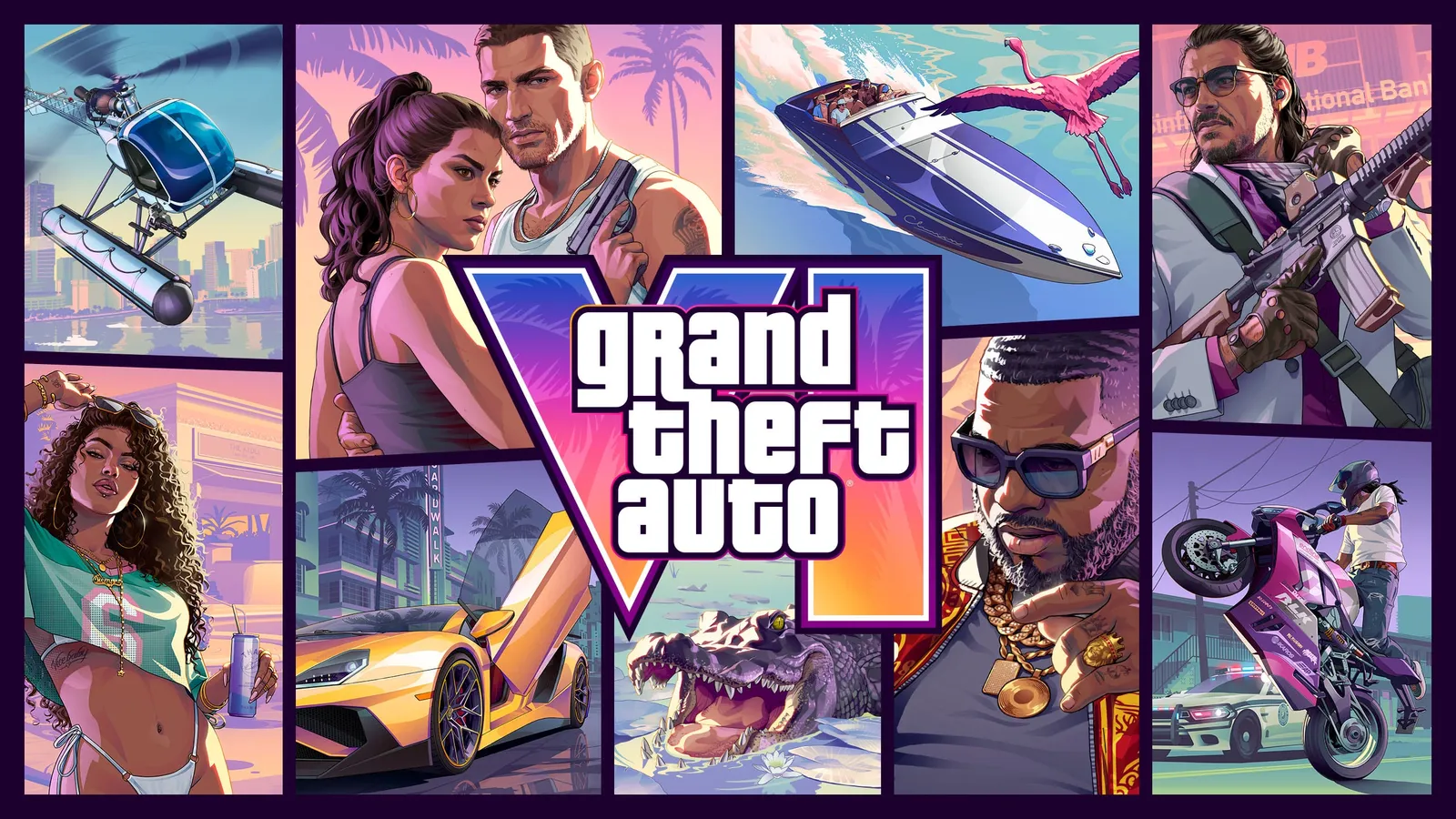
Less than three months before Grand Theft Auto VI ships on November 19, the local government that actually inspired its fictional Vice City just told Rockstar Games to take its marketing dollars somewhere else. Miami-Dade County Sheriff Rosie Cordero-Stutz publicly rejected the company's proposal to roll out a county-wide promotional campaign tied to the launch, declaring flatly that 'Miami-Dade County is not Vice City.' County Commissioner Juan Carlos Bermudez echoed her the same afternoon, telling local press he 'cannot believe' the county was even weighing the deal. Axios Miami broke the news on September 3, citing the sheriff's official statement and a spokesperson for Mayor Daniella Levine Cava. Within hours, the story had pulled more than 37 million impressions on X.
The proposal itself was louder than the rejection. Documents and conversations reviewed by local outlets describe a deal that would have temporarily rebranded passenger areas of Miami International Airport into a 'Vice City Airport' arrival experience, complete with themed signage designed to make travelers 'immediately' associate Miami with Rockstar's fictional crime capital. The county pitched the idea as a tourism and revenue play: a once-in-a-decade marketing hit piggybacking on what is almost certainly going to be the biggest entertainment launch of 2026. Carlos Suarez, a spokesperson for Mayor Levine Cava, told Axios last month the talks were real and that 'nothing has been formally agreed to or approved.' Now those talks are effectively dead, and the silence from Levine Cava's office since the sheriff's statement is doing more talking than any spokesperson could.
What the Sheriff Actually Said
Cordero-Stutz did not bury the headline. Her statement, released Thursday, called Grand Theft Auto 'a video game franchise built around criminal activity … that the men and women of the Miami-Dade Sheriff's Office work every single day to prevent.' She continued: 'At a time when law enforcement is working every day to reduce violent crime, prevent robberies and car thefts, combat drug trafficking, and build stronger relationships between our deputies and the communities we serve, I believe we need to seriously consider the message we send when our own government promotes a fictional identity centered around many of those same crimes.' Then the line that broke through: 'Miami-Dade County is not Vice City.' For a department that has spent the better part of a decade trying to clean up its public image, partnering with Rockstar on a campaign whose entire emotional pitch is 'commit crimes on this beach' was always going to be a politically untenable move, regardless of the tourism math.
Commissioner Bermudez, for his part, made the structural objection that civic leaders usually hide behind. 'I still cannot believe that we are even considering temporarily rebranding important County assets, including Miami International Airport, as Vice City Airport,' he said. Translation: even if the campaign were politically harmless, slapping a fictional crime brand on a working international airport is a logistical nightmare, a procurement problem, and a federal asset headache. MIA handles more than 50 million passengers a year. Rebranding signage, gate areas, and wayfinding for a multi-week campaign would have cost real money and produced real confusion. The county being unwilling to take that on for a few million in licensing fees is the part of this story that should not get lost under the louder politics.
How the Internet Reacted
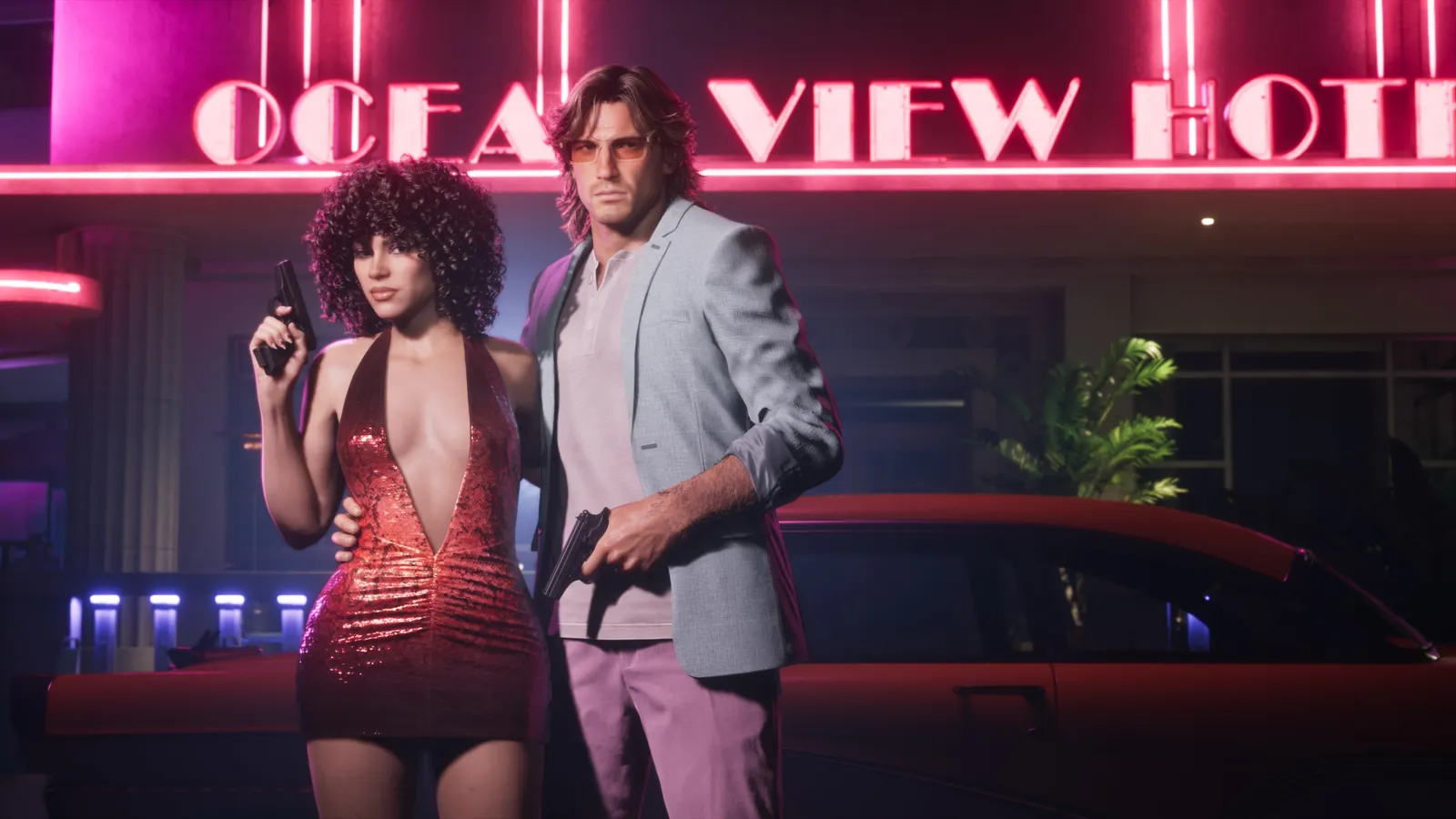
Reaction split hard, mostly along the lines anyone who has watched this kind of story before would expect. The replies under the GTA 6 Info post that broke the story to its gaming audience leaned overwhelmingly sarcastic. The single most-liked reply joked that 'Miami is probably more violent than GTA lmao.' Another said the sheriff was 'more worried about violence and crime in a video game than actual violence and crime in Miami.' A third pointed out, accurately, that 'an action movie can be set and filmed in Miami' without anyone objecting, which is true and which critics of the sheriff kept circling back to. The pushback was that GTA 6's whole vibe is not 'tourism documentary,' and that bringing it inside a functioning airport elevates it from pop culture to quasi-endorsement.
Outside the gaming corner of X, the read was more sympathetic to the sheriff. Local political accounts pointed out that the airport is a public asset and that giving Rockstar naming rights on a temporary basis sets a precedent for every brand that wants a piece of the front door. There were also the usual partisan framing attempts, which mostly served to underscore how thoroughly unprepared anyone is to defend a county rebranding its own airport for a video game company, regardless of party. The reasonable middle stayed where it usually stays: nobody had a clean solution that made Rockstar, the sheriff, and the tourism board happy at the same time.
What Rockstar Actually Loses
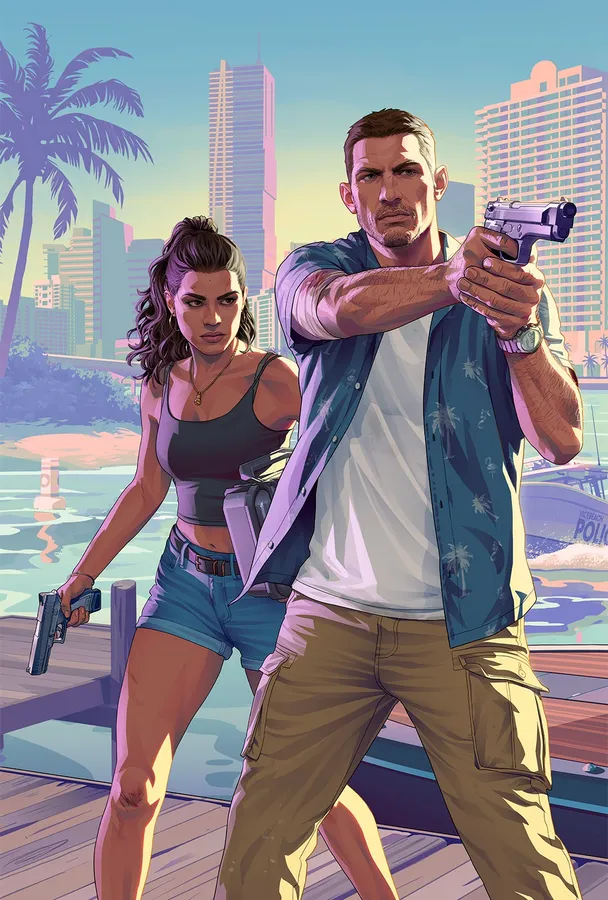
On paper, the financial hit is small. Marketing activations like the proposed MIA rebrand are a rounding error in a GTA 6 launch budget that is widely assumed to be in the high nine figures. Rockstar does not need a county partnership to sell 25 million copies in the launch window; GTA V cleared that bar without anyone renaming a public building. What Rockstar actually loses here is a soft kind of cultural legitimacy. The MIA pitch was specifically engineered to blur the line between Miami and Vice City, which is the entire point of the game's fiction. Without that bridge, GTA 6's Leonida is still a fictional stand-in for Miami, just without the handshake. For a launch this size, every handshake matters.
The county, conversely, escapes a deal that was always going to be reviewed under harsher lighting than it deserved. A temporary airport rebrand would have produced one cycle of headlines and a few million in revenue. It would also have produced a permanent clip of a sheriff explaining to a county commission why the family of a robbery victim had to walk past a Vice City banner on the way home. The math on that was never going to balance, and the sheriff's office knew it.
CriticalPixel Take
GTA 6 is going to sell a staggering number of copies with or without a Miami International Airport rebrand. What this story actually tests is how eager local governments are to cash in on a launch this size, and whether the line between a tourism partnership and a cultural endorsement still means anything in 2026. Sheriff Cordero-Stutz drew that line in public, in plain English, and County Commissioner Bermudez backed her up. Whether you read that as principled or as pearl-clutching, it kills a deal that should never have made it past the first sketch on a whiteboard. Rockstar's best move now is to stop trying to make 'real Miami' part of the pitch and just let the game do what the game is going to do anyway. November 19 will sort itself.