Microsoft Weighs Xbox Spin-Off as CEO Sharma Moves to Speed Up Halo, Fallout, and Elder Scrolls
By CriticalPixel ·
The conversation coming out of Microsoft this week is not about game announcements or subscription pricing. According to The Information, citing three sources with direct knowledge of internal discussions, Microsoft has considered spinning Xbox off as a standalone company, restructuring it as a wholly owned subsidiary, or setting up a joint venture with unnamed partners to make the division easier to sell. Alongside that, new Xbox CEO Asha Sharma has reportedly had her plan to increase spending on Halo, The Elder Scrolls, and Fallout approved by Microsoft CEO Satya Nadella and CFO Amy Hood. None of this is finalized. Budgets have not been locked in. But the direction is clear, and this is the most concrete signal yet that something significant is shifting at the top of the Xbox organization.
The Spin-Off Question
What does a Microsoft spin-off actually mean for players? In practical terms, probably nothing in the near future. Microsoft is not putting Xbox up for sale next quarter. What these conversations reveal is that the company's leadership knows the gaming division cannot survive on subscriber counts and Activision Blizzard royalties alone. The Information's report notes that Xbox is dealing with falling revenue and margins sitting around 3 percent, a figure that looks rough next to Microsoft's other business lines. When you put Xbox side by side with Azure cloud revenue on a quarterly earnings slide, the gaming division does not look like a priority the rest of the company is eager to keep subsidizing indefinitely.
Spinning Xbox off could give the gaming operation breathing room to work without corporate Microsoft's quarterly earnings pressure hanging over every creative decision. A joint venture could bring in outside money or a partner with genuine credibility in the gaming market. But the harder question this report raises is one Microsoft has not answered publicly: if Xbox is an asset worth restructuring, why has the company spent the past four years closing studios, cutting headcount, and treating hardware like a declining product category? The spin-off talk reads less like a growth strategy and more like a contingency plan for a division that has not performed the way the $68.7 billion Activision Blizzard acquisition was supposed to guarantee.
Asha Sharma's Plan to Fund the Big Franchises
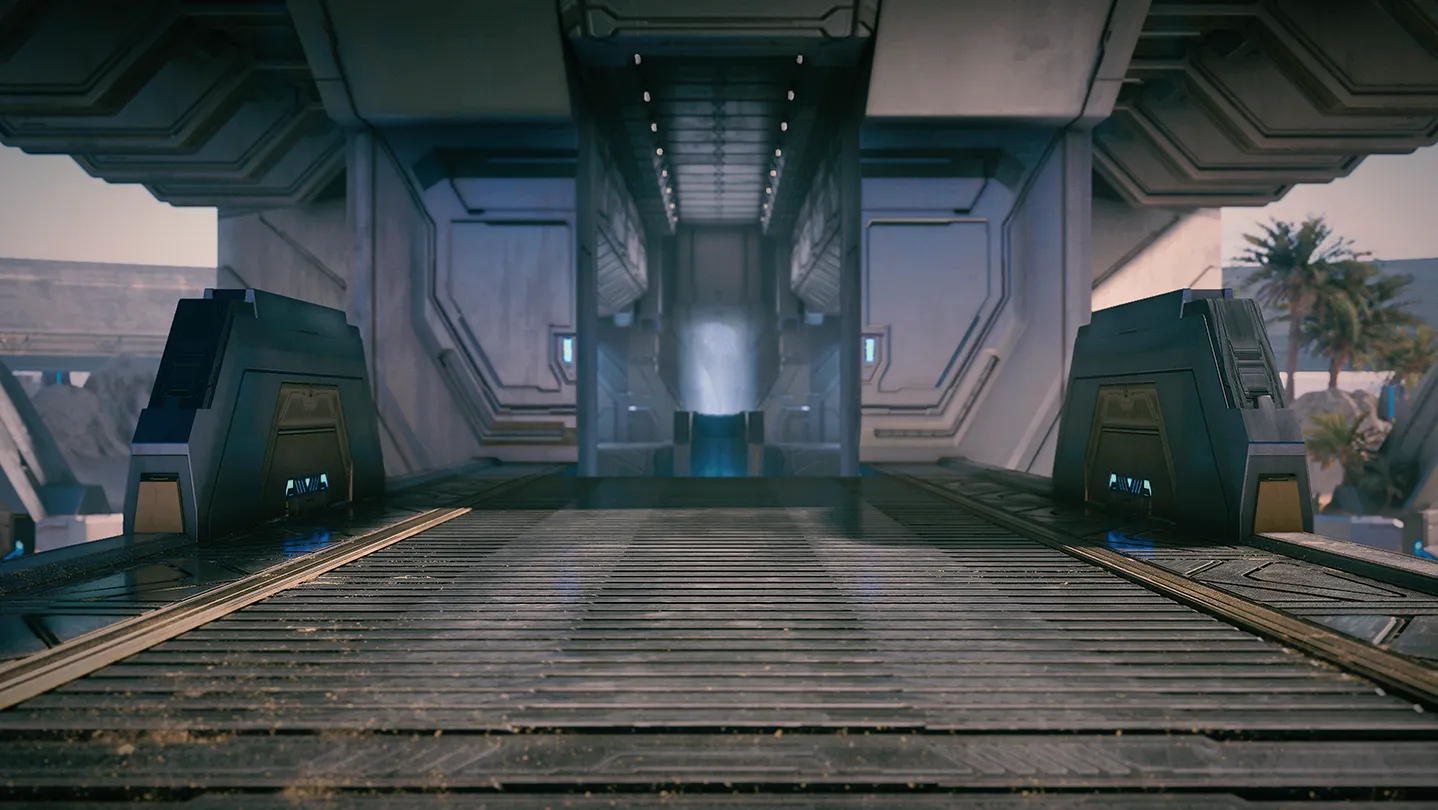
The part of this report that matters most for anyone who actually plays games is the investment plan. Asha Sharma, who stepped into the Xbox CEO role earlier this year, has reportedly won approval from both Nadella and CFO Amy Hood to push more money into the company's flagship series. Halo, The Elder Scrolls, and Fallout are the named priorities. The actual budget numbers are not locked down yet, but executive sign-off from the CFO level means this is not a vague corporate promise sitting in a planning document. Resources are being committed, or at least seriously considered, at the highest level of Microsoft's leadership.
What that investment looks like in practice is still unclear. The studios behind these franchises have problems that a budget increase alone cannot fix. 343 Industries spent the better part of a decade wrestling Halo Infinite into a stable state, only to stop core content development in 2025 after four years, leaving the live service model stranded mid-run. Bethesda's resources have been divided across Starfield, the Indiana Jones title, and the long horizon of pre-production on Elder Scrolls 6. Fallout 5 is not even in active development according to anything Bethesda has said publicly. More money accelerates development only if the studios have a clear target. Right now, the public picture on all three franchises is thin.
How Long Has the Wait Actually Been?
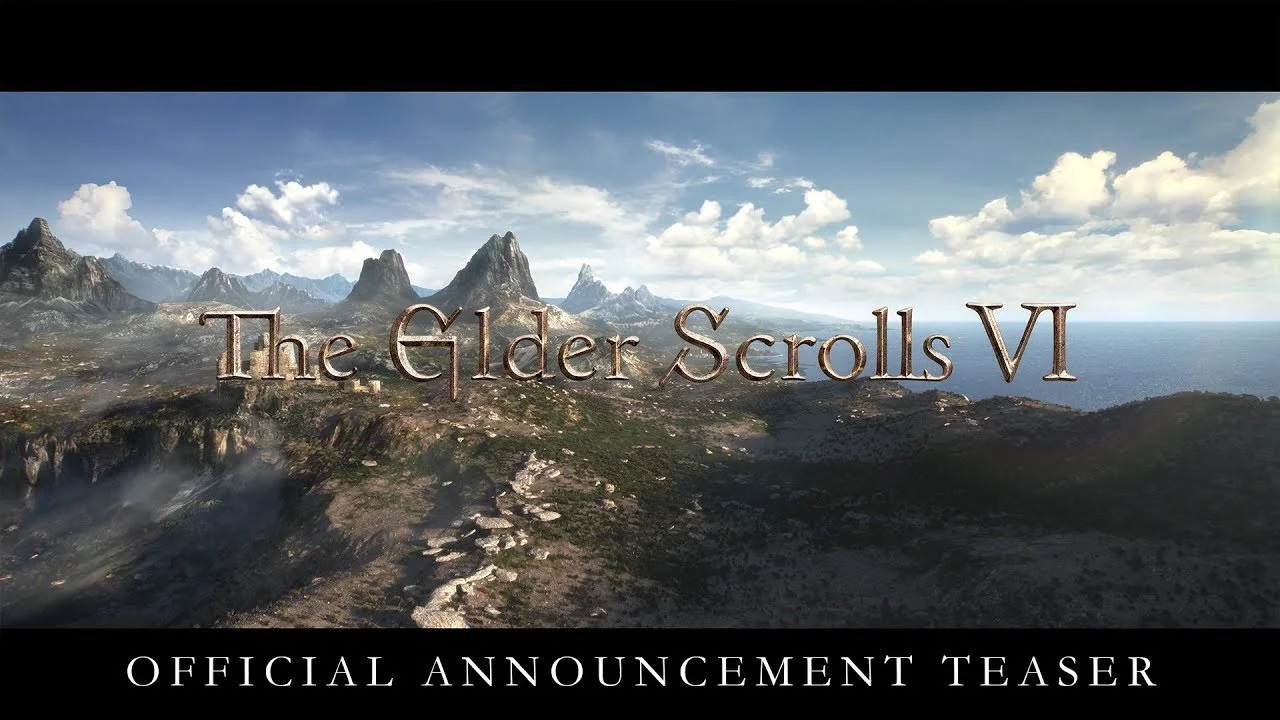
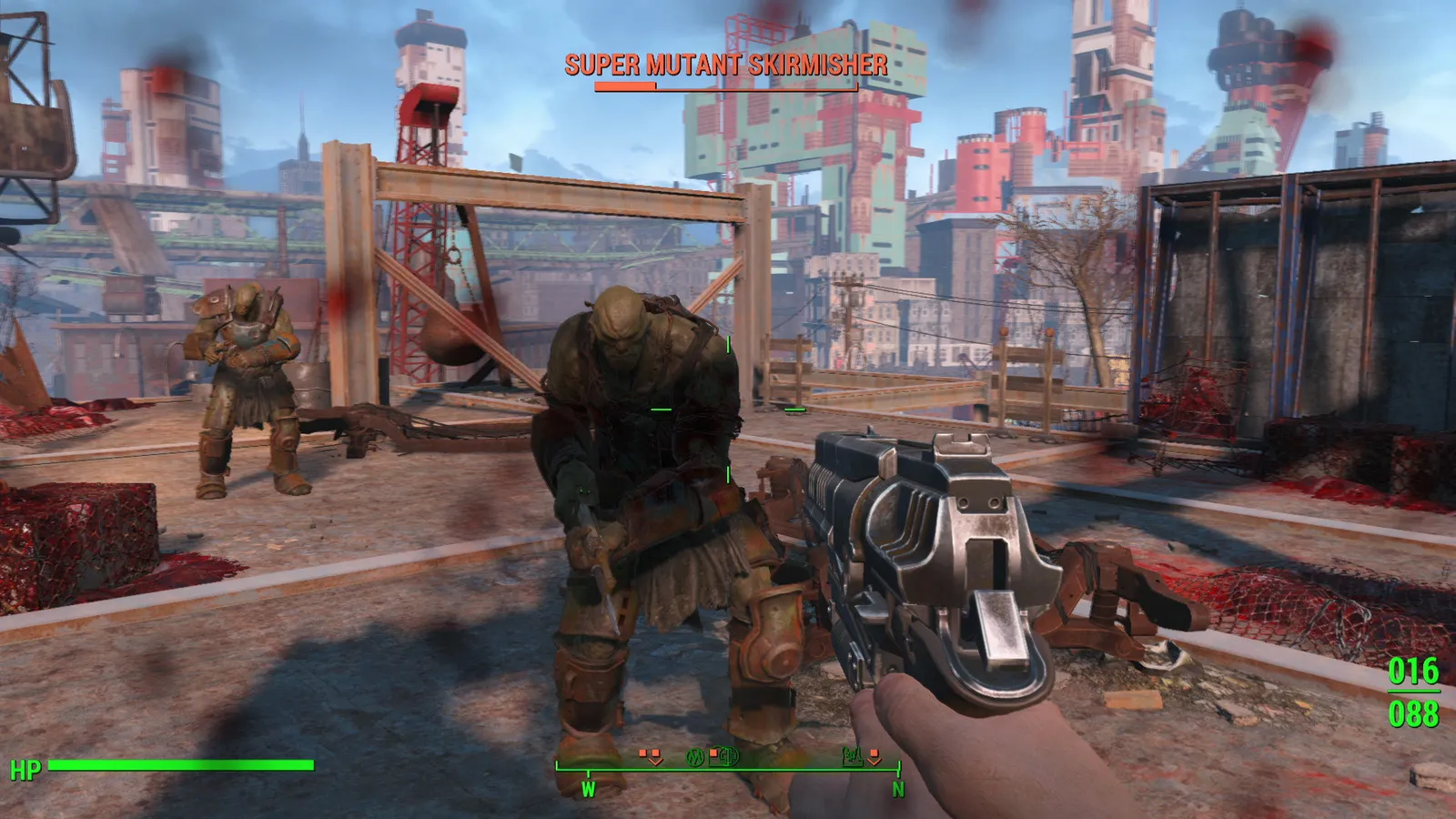
Some numbers worth sitting with: Fallout 4 released in November 2015, making it nearly 11 years since a mainline Fallout title shipped. The Elder Scrolls V: Skyrim came out in November 2011, meaning Elder Scrolls fans have been waiting 15 years for a true sequel. The Elder Scrolls VI was announced at E3 in June 2018 with a 30-second teaser showing a mountain range and a logo. That teaser is now eight years old and still represents the full extent of what Bethesda has shown the world for the sequel. Halo Infinite launched in December 2021 with a solid campaign and a live service structure that Microsoft then killed four years in without a replacement or a roadmap for what comes next. For a company that spent $68.7 billion acquiring Activision Blizzard partly to strengthen its first-party library, the output from its own top studios has been thin.
Community Reaction: Cautious Optimism
Reactions on social media split along expected lines. Elder Scrolls fans are defaulting to optimism because they have nothing else to go on at this point; the news that Microsoft is formally approving funding for these franchises is the first concrete positive signal in years. Halo supporters are more cautious given how Halo Infinite's development and shutdown played out. The spin-off angle is drawing a different kind of response: some analysts and long-time players argue that a more autonomous Xbox, free from Microsoft's quarterly earnings cycle, could be better for gaming in the long run. Others read the restructuring conversation as a sign that the company is still searching for a direction rather than one that has found it. Both readings are defensible based on the same facts.
The Critical Pixel Take
Here is the problem with getting excited: Microsoft has floated plans to invest in its franchises before, and the results have been studios closing and games taking longer. Buying Bethesda for $7.5 billion in 2021 and then watching Starfield fail to hold an audience while Elder Scrolls 6 sits in pre-production is not the success story anyone was sold on. Buying Activision Blizzard for $68.7 billion and then laying off hundreds at Blizzard, Bethesda, and 343 in the following years is not how you build a studio culture capable of shipping on a tighter timeline. Asha Sharma approving a budget plan for Halo, Fallout, and Elder Scrolls is the right call in principle. But an approval without locked budgets and without named release windows is not news yet. It is an intention.
The spin-off angle is actually the more interesting thread to pull on. A standalone Xbox entity or a properly structured subsidiary could free up Bethesda and 343 Industries to operate without Microsoft's AI and cloud roadmap eating all the executive attention in every planning cycle. The same franchises that have been sitting in pre-production limbo for a decade could move with more urgency under a structure where gaming is the whole business, not a line item below Azure and Microsoft 365. None of that outcome is guaranteed by anything in the current reporting, but it is worth tracking more closely than any headline about a CEO approving a spending plan without attached timelines. If Xbox does end up restructured or independent in some form, what comes out of Bethesda and 343 could look very different from what Microsoft's current setup has delivered.