NVIDIA DLSS 5 With 3D-Guided Neural Rendering Lands September 3 in NBA 2K27, Costs 50 to 60 Percent Performance
By CriticalPixel ·
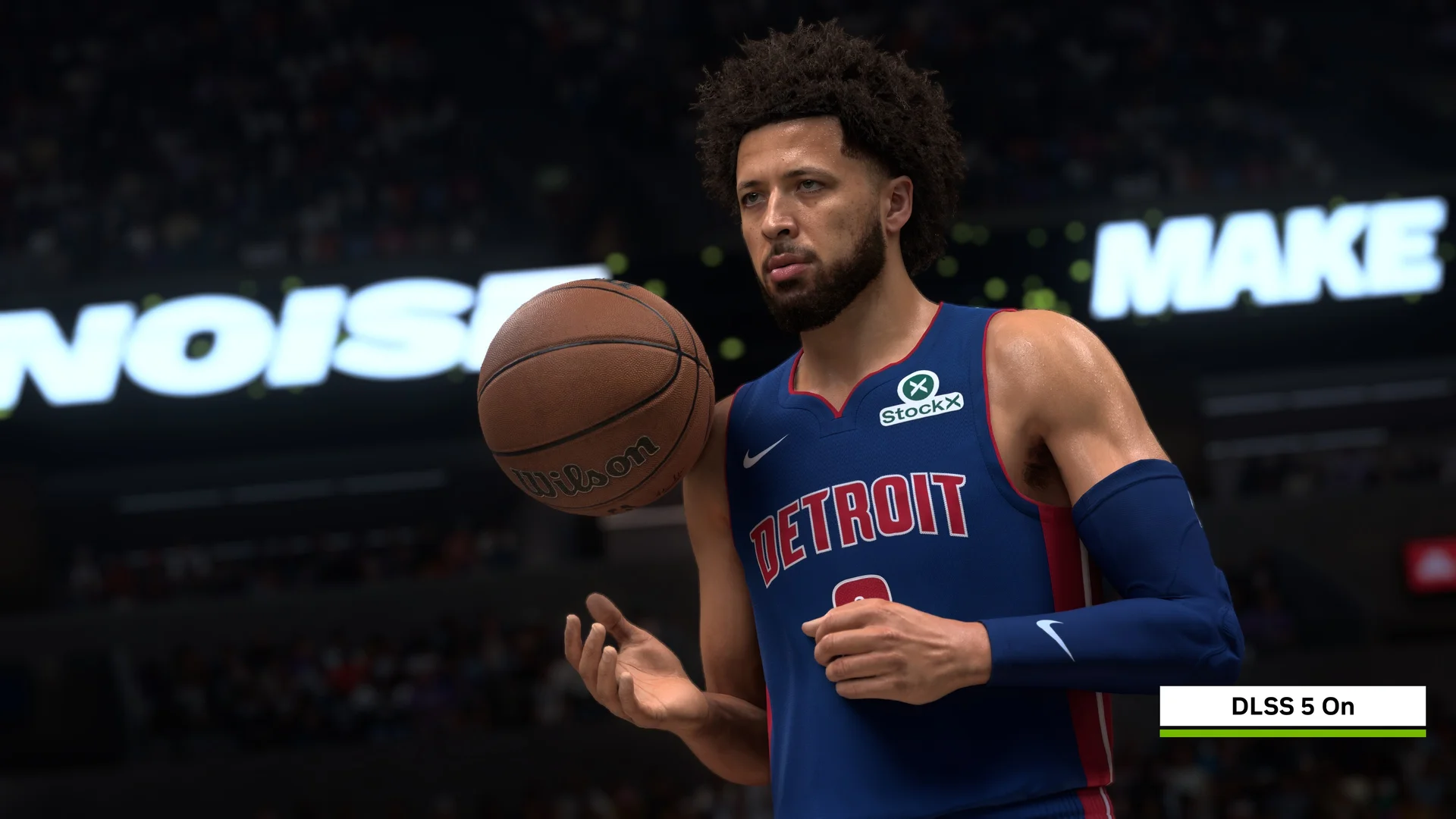
NVIDIA is shipping DLSS 5 on September 3, and the launch title is not a Cyberpunk demo or a triple-A PC flagship. It is NBA 2K27, the latest annual basketball release from Visual Concepts and 2K. The new feature lands in one of the most cycle-driven sports games on the market, runs only on GeForce RTX 50 series cards, and according to NVIDIA's own numbers costs the user between 50 and 60 percent of their raw performance to switch on. That last figure is the one that has PC gaming Twitter burning the house down.
What 3D-Guided Neural Rendering actually does
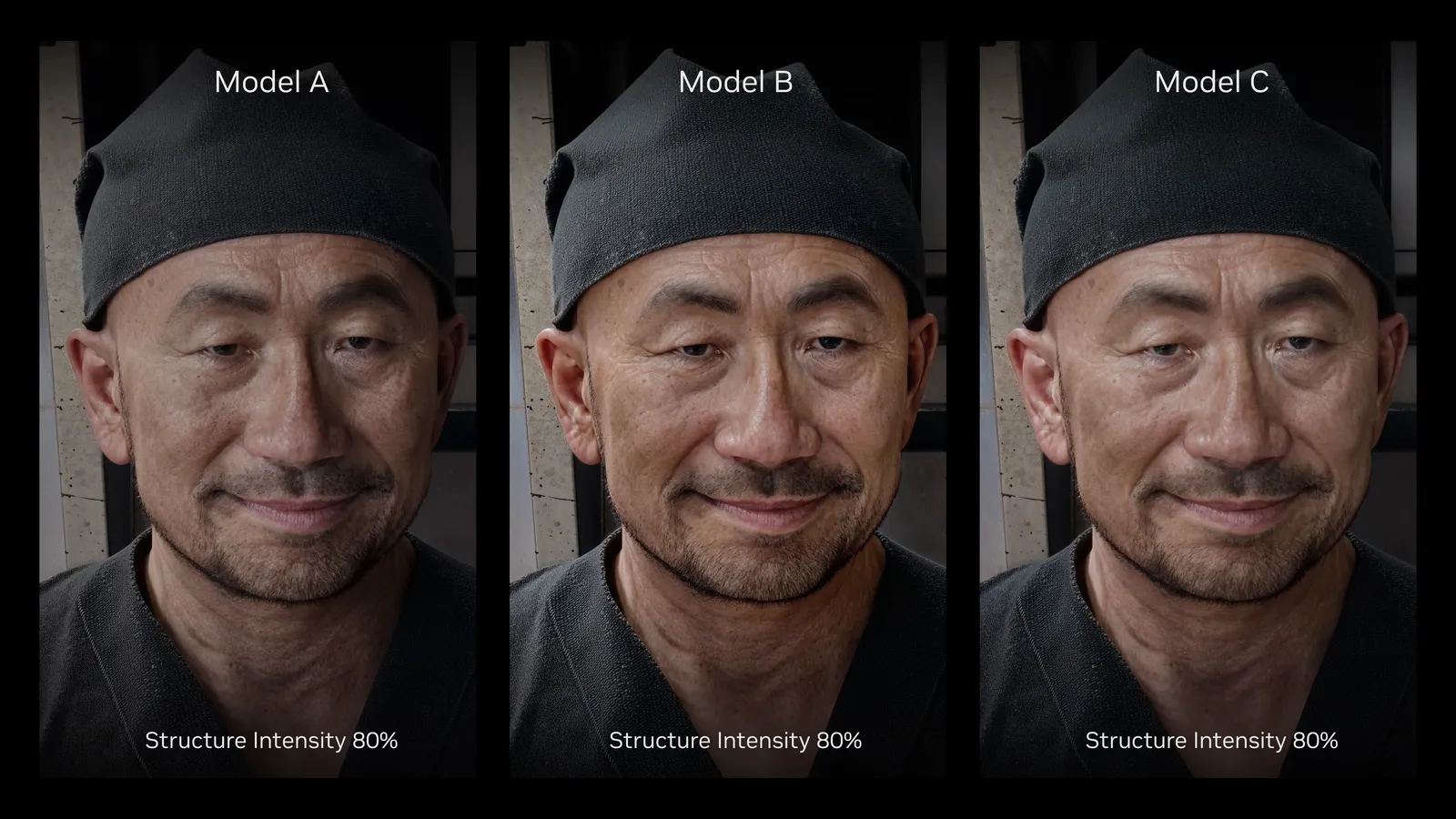
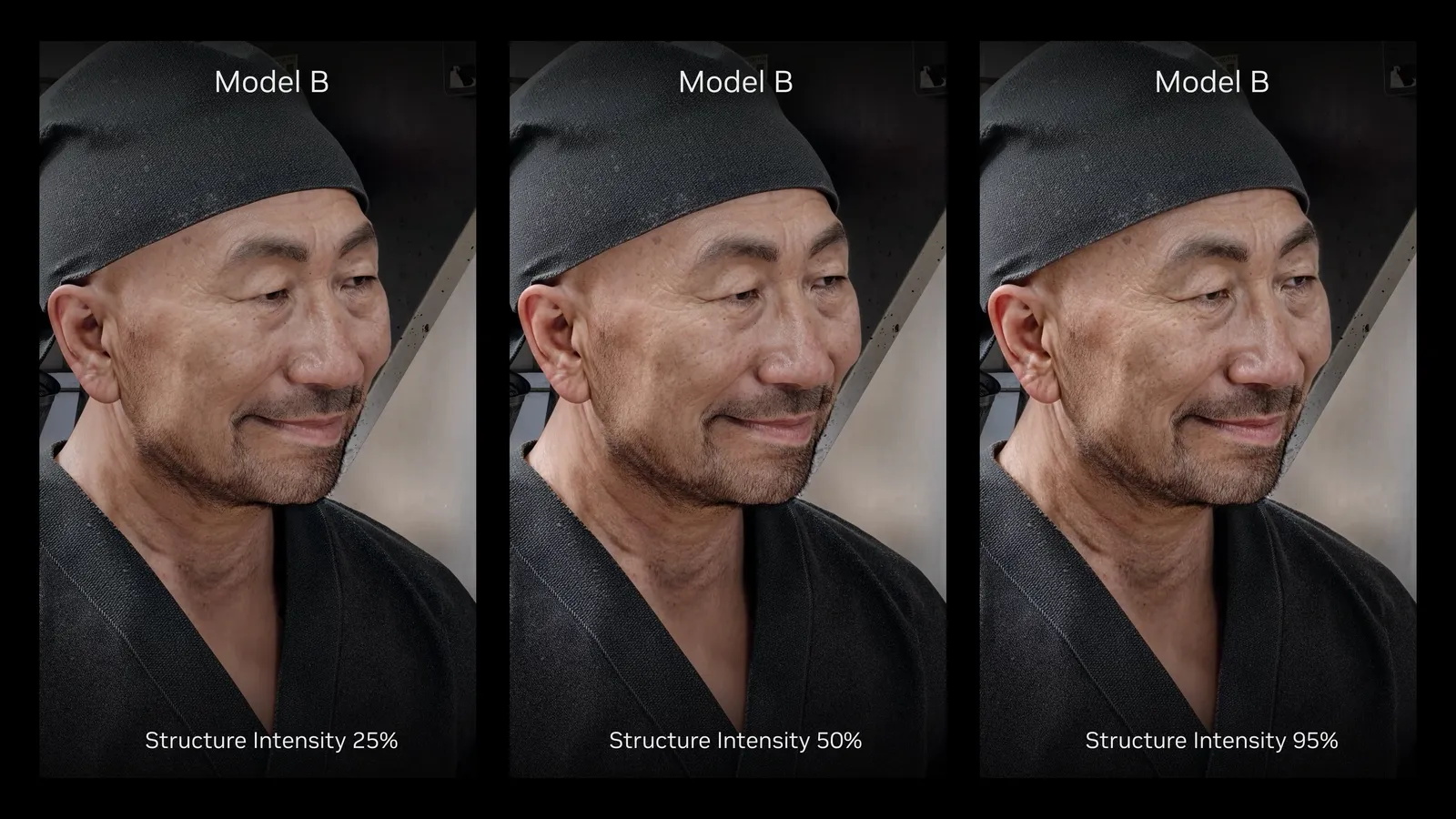
The feature inside DLSS 5 is called 3D-Guided Neural Rendering, and NVIDIA pitched it to a small group of outlets and creators earlier this week. The pitch is that DLSS no longer just reconstructs pixels. It now uses the engine frame plus its color, motion vectors, and material buffers to run a real-time neural network that redraws lighting, skin, hair, and contact shadows. NVIDIA says the model is deterministic, frame-by-frame stable, and locked to whatever the artist's engine pass produced. Devs get a per-pixel uplift mask and a structure intensity slider, so a studio can decide how aggressive the AI pass is per character, per scene, per texture.
In plain terms, DLSS 5 is a final rendering stage that takes the frame your game already rendered and infuses it with extra lighting and material detail that the engine did not have time to compute. NVIDIA frames it as a way to deliver Hollywood-style skin, hair, and contact shadow behavior at 60 plus frames per second. The trade is that the neural pass itself is expensive, and on current hardware it eats 50 to 60 percent of the headroom DLSS Super Resolution and Frame Generation just gave you back. PC Gamer's Morgan Park put it bluntly on X, asking what we are all doing here if every new DLSS step costs a generation of performance to enable.

Why NBA 2K27 is the launch title and why that is awkward
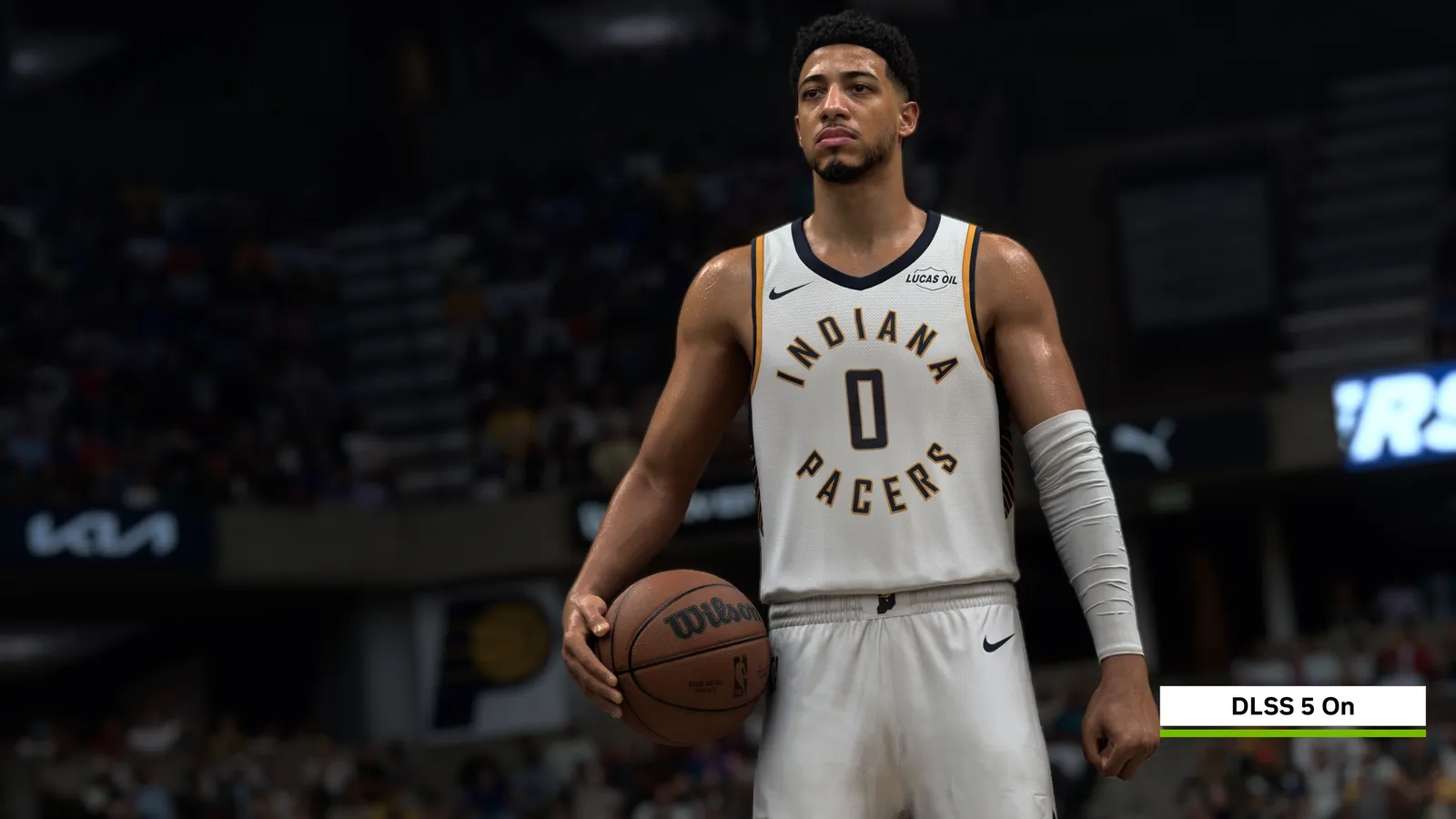
Visual Concepts and 2K are the launch partners, and the timing is tight. NBA 2K27 releases September 3, the same day DLSS 5 goes live at 9pm Pacific. Peter Kavic, senior producer at Visual Concepts, told NVIDIA the studio was able to set the overall tone and style to match 2K's existing art direction and then use the per-pixel uplift mask to push extra detail on players. NVIDIA's own blog uses NBA 2K27 faces and the Zorah demo as the public reference shots, and the difference between the DLSS 5 on and off comparisons is, honestly, dramatic on faces and hair.
NBA 2K27 is also the most cynical choice NVIDIA could have made for a launch. The series has been a long-running target for PC complaints about microtransactions, online-only features, and 30fps performance modes on high-end hardware. Sticking the first DLSS 5 implementation on a game that is not free of those criticisms gives the launch a built-in audience that already resents the publisher. The 50 to 60 percent performance figure, paired with RTX 50 series exclusivity, does not help. Anyone running an RTX 40 card, which is most PC gamers who upgraded in the last three years, is locked out of the first commercial release.
Community reaction is loud, negative, and not without reason
The replies under NVIDIA's launch post on X are brutal. The dominant complaint is a single phrase, slop filter, repeated by hundreds of accounts across the replies and quote posts. The criticism is not just reflexive. A sizable chunk of the pushback points out that DLSS 4 and DLSS 4.5 already draw 23 of every 24 pixels on screen, and the new feature asks the same user to pay for a third AI rendering pass that reworks the look of the final image. The fear is that DLSS 5 becomes a mask for unfinished engine work, and that studios ship sloppier base renders and lean harder on NVIDIA's neural pass to clean them up.
PC Gamer's story, which hit on the same day, made the performance hit the headline and is now the most-discussed mainstream framing of DLSS 5 in English-language press. Several smaller creators pushed back, pointing out that the on and off comparison images from NVIDIA clearly show the technology is not a simple filter and that artistic intent is still the artist's call. The argument has substance, but it has not slowed the negative wave. The split is roughly two-to-one negative on X right now, with the negative side louder and the positive side more technical.
The 50 to 60 percent performance hit is the real headline
Setting aside the aesthetic debate, the single most important fact about DLSS 5 is the cost. NVIDIA confirmed to outlets that enabling 3D-Guided Neural Rendering carries a 50 to 60 percent performance penalty in NBA 2K27. That is not a marginal cost, that is the difference between a 60fps build and a sub-30fps build on a card that already exists. The technology only runs on GeForce RTX 50 series desktop and laptop GPUs, plus GeForce NOW Ultimate subscribers, and it requires a new driver plus an in-game toggle. Anyone considering a 50 series purchase on the strength of DLSS alone needs to weigh whether the visual uplift is worth halving their frame rate in supported titles.
NVIDIA frames the launch as the first step in a longer roadmap and points to the speed of progress from the March implementation to this release. The company has said DLSS 5 will roll out to additional titles after the NBA 2K27 debut. The open question is whether future games will ship with a base render that already looks strong, in which case DLSS 5 is a tasteful upgrade, or whether publishers will quietly lower the bar on their base render and lean on the neural pass to do the heavy lifting. The latter would explain the slop filter panic in the replies, and it is the outcome NVIDIA needs to actively prevent if it wants DLSS 5 to land as a generational upgrade rather than a meme.
CriticalPixel take
DLSS 5 ships in three days, and the technology on the demo screenshots is genuinely impressive on skin and hair. It is also a technology that asks PC gamers who already paid $999 to $1999 for an RTX 50 card to give up half of their frame rate for the privilege of seeing it. The pairing with NBA 2K27 is a poor one for a first impression, and NVIDIA would have been better served launching alongside a single-player showcase that did not have a decade of community baggage. The 50 to 60 percent performance number should be the headline everywhere, not a footnote. The technology deserves a real conversation, and that conversation is going to be a lot harder while the slop filter jokes keep trending.