Nvidia's Third GPU Price Hike of 2026 Hits 30 Percent and Spreads Beyond the RTX 5090
By CriticalPixel ·
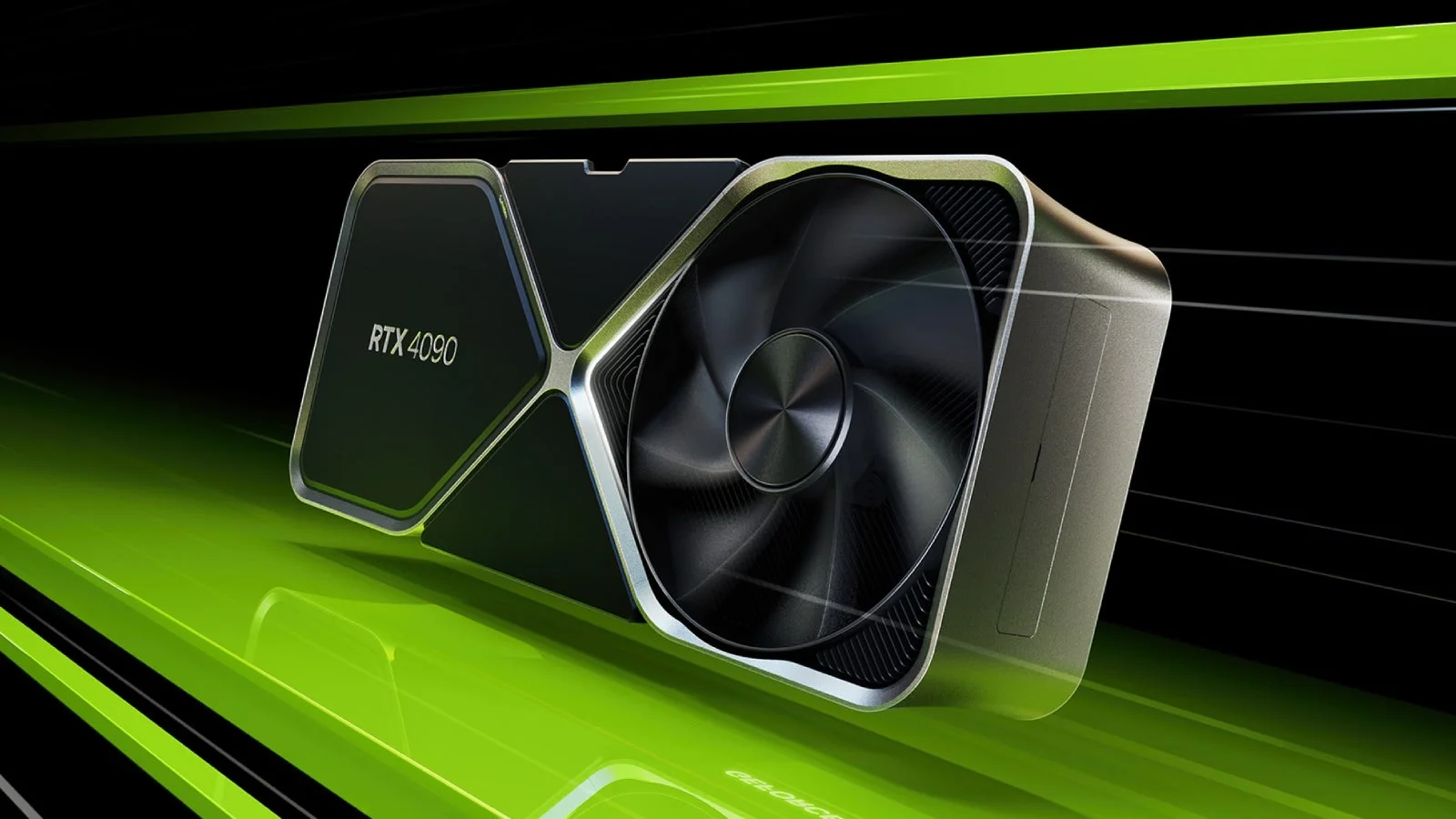
Nvidia has reportedly told its board partners to brace for a third GPU price hike of 2026, with package costs jumping as much as 30 percent on a wide range of GeForce RTX cards. The news was first reported by Taiwan's Economic Daily News and has been confirmed by Eurogamer, PC Gamer, and several analyst accounts on X. Unlike the May increase that mostly hammered the RTX 5090, this new round is said to sweep the entire consumer stack, including the mid-range SKUs most players actually buy.
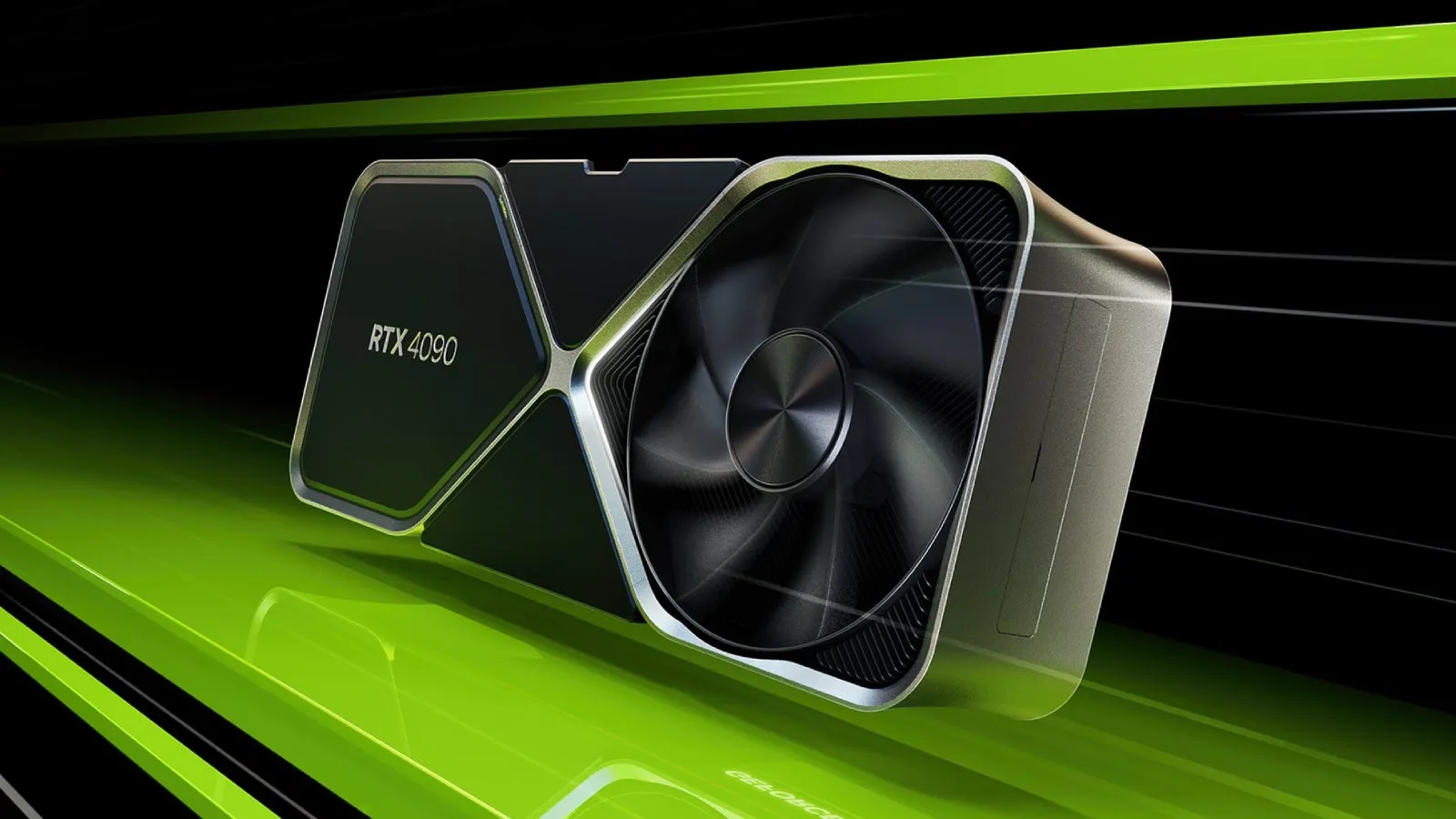
The numbers behind the new hike
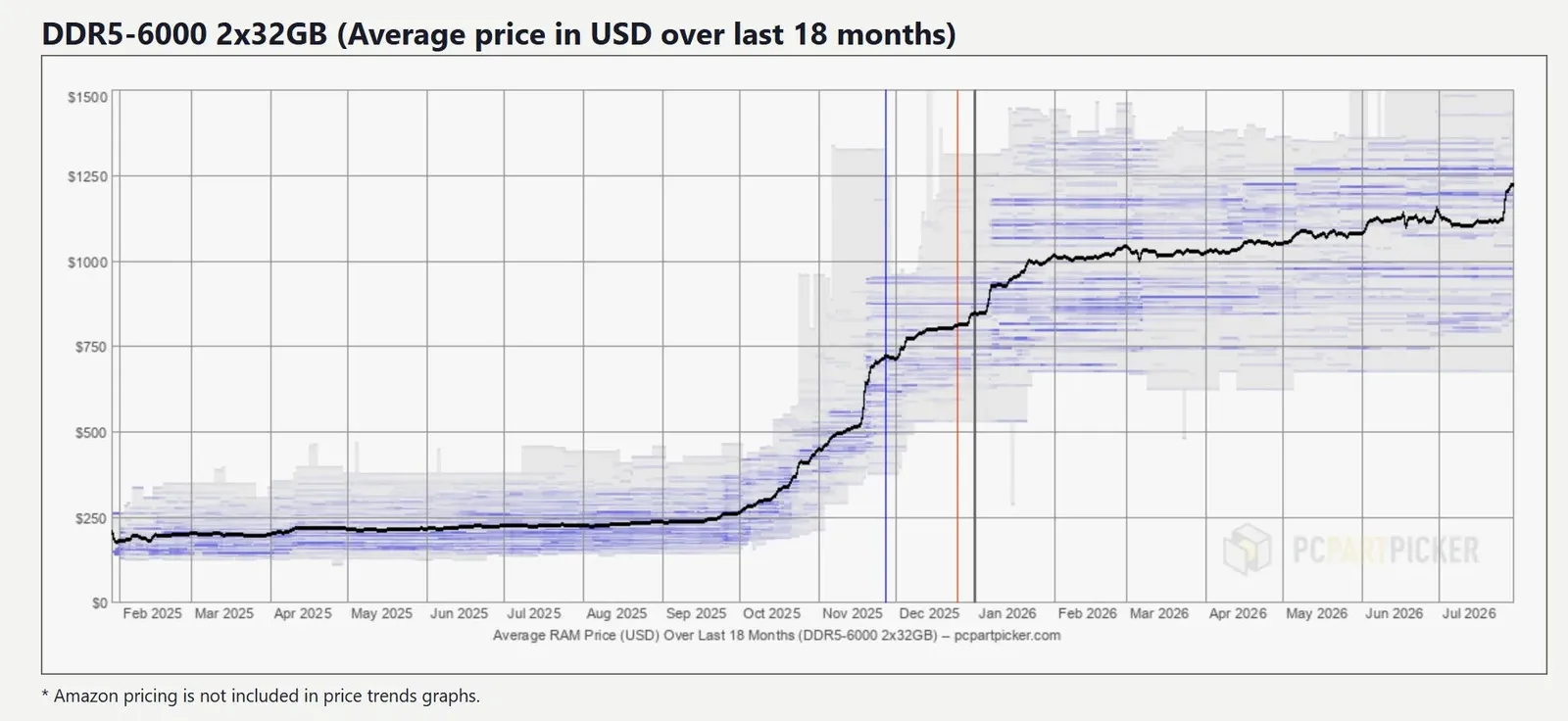
The reported 20 to 30 percent bump is tied directly to soaring DRAM costs and the wider memory squeeze driven by AI demand. Board partners are already paying more for both the GPU package and the GDDR memory sitting next to it, and the expectation is that those higher costs will land on store shelves once current channel inventory clears. Retailers in China have already started moving prices upward, and several large e-commerce platforms are reportedly holding off on listings altogether in anticipation of another leg up. The pattern is the same one we saw in May, except now the RTX 5080, 5070 Ti, and even the 4060-class cards are in scope, not just halo SKUs.
This is the third hike in 2026, which puts Nvidia on track to have raised GPU prices more in a single calendar year than in the previous five combined. None of this is happening in a vacuum. Samsung, the biggest DRAM producer on the planet, told investors on its latest earnings call that memory supply will get worse through 2027 and will not normalise before 2028, if then. Daniel Oh, Samsung's head of investor relations, said customers are now locking in multi-year supply agreements because spot pricing is no longer predictable. About 60 to 70 percent of Samsung's total production capacity is already spoken for under those long-term deals, which is great for the spreadsheet and awful for anyone trying to build a PC at a sane price.
Why gamers are getting squeezed
AI data centers are eating the world's memory output. The same DRAM and HBM that used to land in graphics cards and consoles now goes to LLM training racks, and the hyperscalers are paying cash up front for multi-year reservations. That is good business for Samsung, SK Hynix, and Micron, but it leaves the consumer channel fighting over scraps. Nvidia, meanwhile, has a much higher margin business to feed in the data center, so raising GeForce prices is a free option. The RTX 5090 has effectively become a halo product for the AI age, a marketing piece that lets Nvidia charge whatever it wants and ship whatever it can.
Board partners are not happy. Multiple AIBs told trade press that margins on the mid-range are already thin, and another 20 to 30 percent cost on top of an already elevated GPU package will either force retail prices up or quietly push SKUs out of the lineup entirely. The 5070 and below are the most likely casualties. Several partners are reportedly considering whether to keep selling the 5060 family in 2026 at all, since the BOM no longer pencils out at the price points the original roadmaps assumed.
Community reaction is not subtle
Replies under the original thread are a wall of frustration. Gamers who held off upgrading during the 40-series generation are watching their planned 50-series build drift further out of reach. A lot of the loudest voices are people still on Pascal and Ampere cards who were hoping 2026 would finally be the year to move, and that window is closing fast. There is a clear split between people accepting the new reality, planning to sit on their current hardware for another generation, and a smaller, more cynical group that thinks console gaming and handhelds will eat the mainstream PC market if GPU prices keep climbing. They are not wrong.
There is also a sharp undercurrent of anger at Nvidia specifically. Jensen Huang has spent the last two years telling investors that GeForce is a side hustle compared to the data center business, and the market is now pricing that attitude straight into the consumer channel. The 30 percent hike is not a supply shock, it is a strategic choice, and the people paying for it are the ones who kept the company in business through a decade of crypto winters and Turing oversupply. That is the part that stings.
What you can actually do about it
If you already have a working GPU, take care of it. Treat thermals seriously, clean the dust, repaste if it has been a few years, and consider a moderate undervolt to extend the card's life. The realistic advice for 2026 is to skip the generation entirely unless you are on Pascal or older. The price-to-performance math on a 30 or 40-series card you already own beats any new 50-series SKU at today's prices, and AMD's competing Radeon stack is not offering a meaningful escape valve because they are paying the same DRAM vendors the same inflated rates. Console, Steam Deck, and cloud streaming are no longer jokes. They are the only sub-1000 dollar path to current-gen visuals, and that is going to reshape how publishers think about specs for the rest of the decade.
Nvidia's third hike of 2026 is not the end of the story. Samsung's own forecast says the memory squeeze runs through 2028, and there is no public signal that the AI capex boom is slowing. If you are planning a build, plan around what you have. If you can stretch an extra year, stretch it. The market will not get better anytime soon, and the GPU you already own just became the cheapest one you are likely to own for a long time.