Ori Creator Thomas Mahler: Xbox Game Pass Failed Because Its Studios Shipped Mediocre Games
By CriticalPixel ·
Thomas Mahler, the CEO of Moon Studios and director of Ori and the Blind Forest and Ori and the Will of the Wisps, posted a thread on X that cut through the usual diplomatic noise around Xbox's ongoing collapse. Responding to 3D Realms founder George Broussard asking whether Microsoft simply bought too many studios to feed its Game Pass ambitions, Mahler laid out what a lot of people had been thinking but few Xbox-adjacent developers were willing to say out loud.
What Game Pass Actually Needed
Mahler's argument is not complicated. Game Pass is a subscription model that only works if people feel compelled to keep paying. He compared it to HBO, where the back catalog alone (Sopranos, The Wire, Game of Thrones) justifies the monthly charge. But games work differently. "NEW for some reason is very, very important to players," Mahler wrote. And if the new content does not match the quality of what came before, you lose people. That is what Xbox allowed to happen.
He did not spare the language. First-party studios were "slopping out mediocre content like a factory." Developers had no real incentive under Xbox's structure to make a game that could define a generation, only enough incentive to ship something and call it done. Without compelling new exclusives, there was nothing to make a player feel they were missing out by canceling their subscription. And so they canceled.
The Starfield Problem
Mahler named Bethesda and Starfield directly. Xbox had the opportunity to build a "Skyrim in Space" - a sprawling, generation-defining RPG that would have kept players subscribed for years. Instead it got Starfield, a game that reviewed decently but never became a cultural event. Bethesda's last genuine cultural hit was Skyrim, released in 2011. Since then, the studio's output has ranged from divisive to forgettable. That is over a decade of drift for the biggest RPG brand in Xbox's portfolio.
The pattern holds across most Xbox-owned studios in the Game Pass era. Games were released, subscribed to briefly, then forgotten. Hollow Knight: Silksong, Expedition 33, and Hades 2 were strong Game Pass additions last year - but they were not Xbox exclusives. Players could get them on Steam or PlayStation. Strong third-party day-one deals are a nice bonus, but they do not build platform loyalty. Nobody subscribes to a streaming service because it carries content they can also find somewhere else.
The Incentive Problem
Mahler called the Game Pass model "a little like Communism" - not as a political swipe, but as a structural argument. When everyone gets the same reward regardless of output quality, nobody has a strong reason to push harder than necessary. A studio pitching a risky, wildly ambitious project has the same incentive structure as one pitching a safe, low-budget service game. The result was predictable: mediocre output, subscriber churn, and now studio closures.
The Subscriber Numbers Back It Up
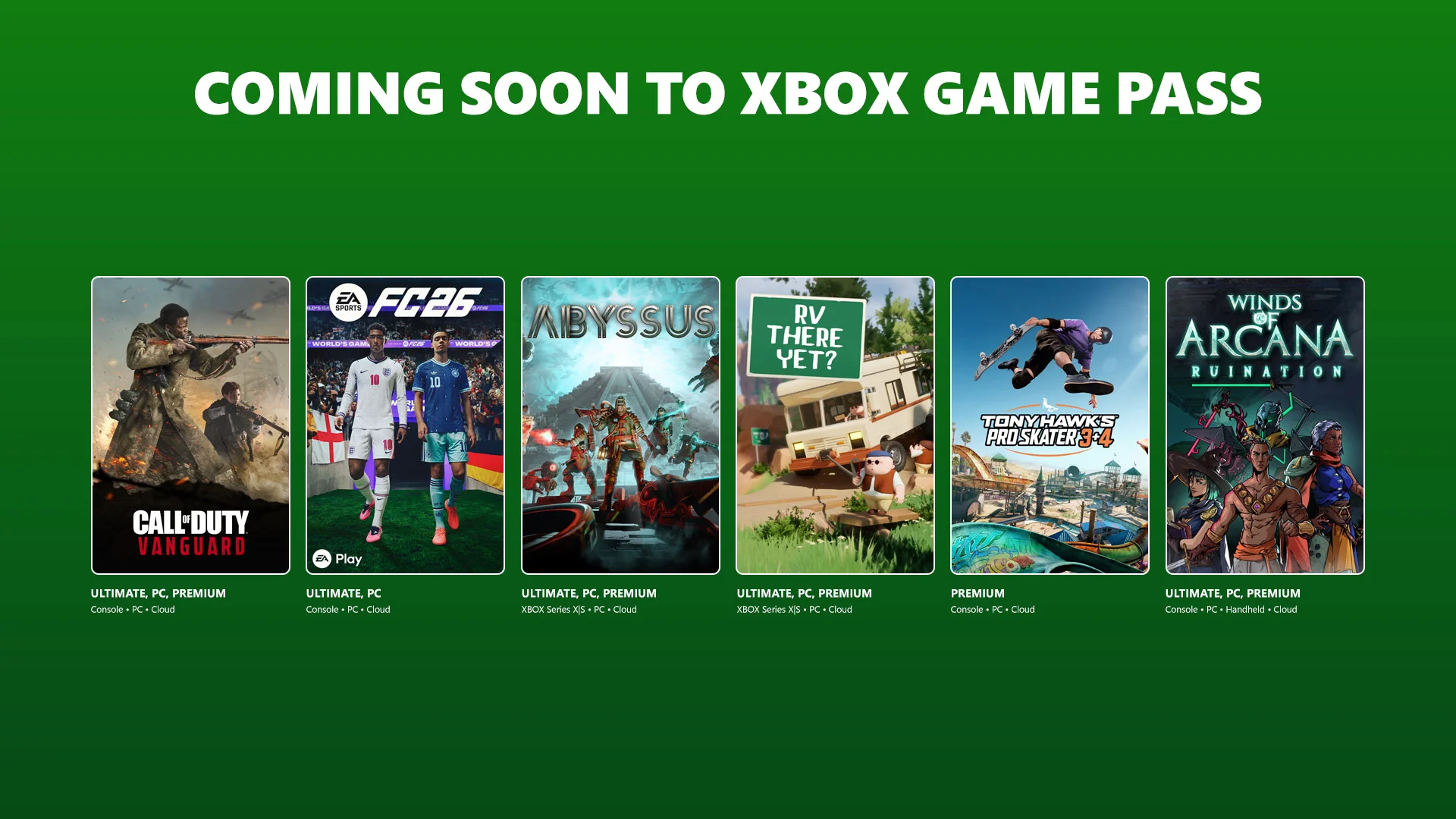
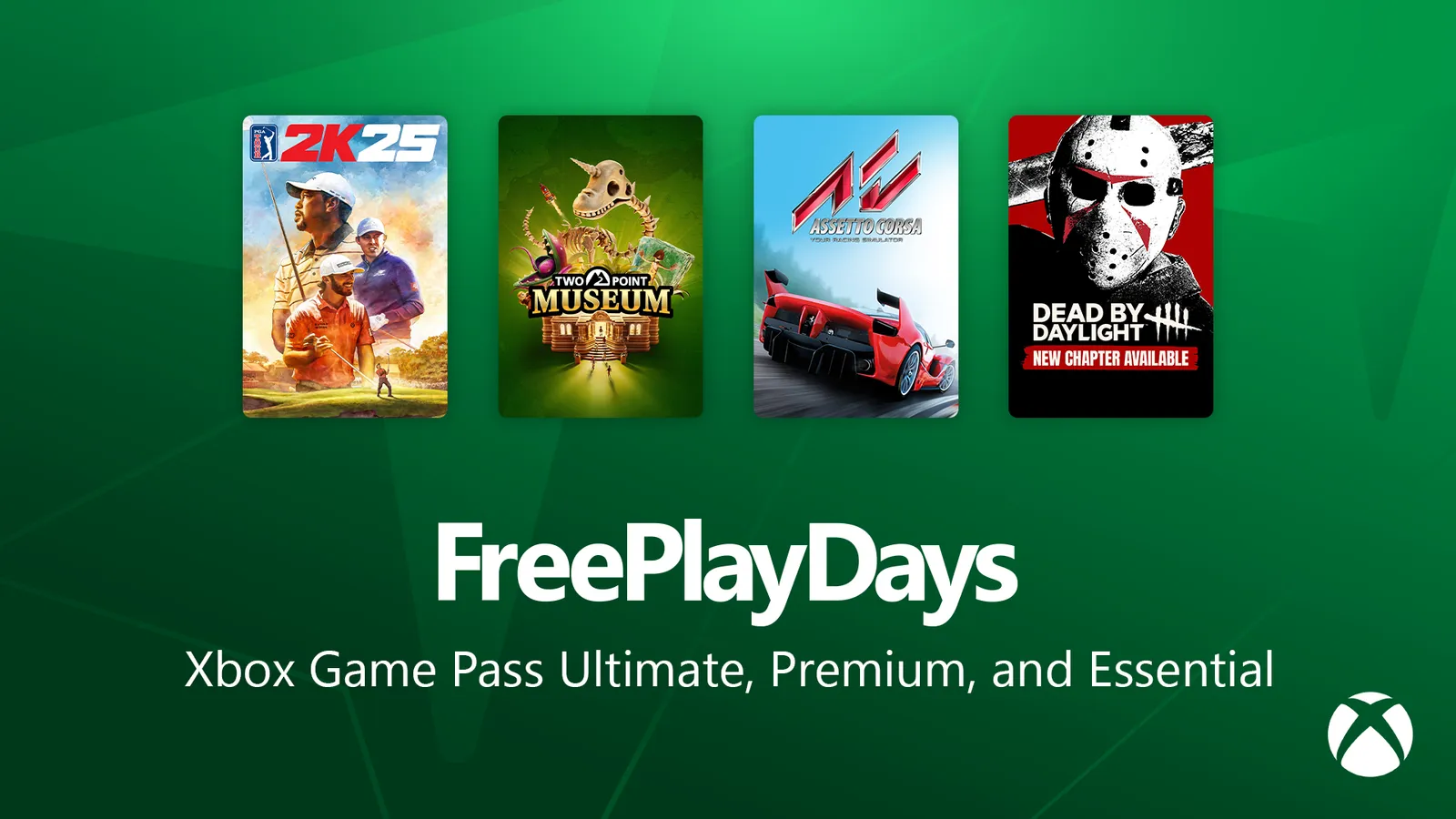
Game Pass peaked at 34 million subscribers, a figure last published in February 2024. Growth slowed. When Xbox raised the price, Matthew Ball - now the company's chief strategy officer - confirmed publicly that the service shed "millions of subscribers" in the months that followed. The price hike made business sense on paper. The reality was that the catalog could not hold people once the cost went up. You can only charge premium prices for premium content.
Mahler's comments arrive while Xbox is simultaneously announcing plans to close studios it paid billions to acquire. Compulsion Games, Ninja Theory, and Double Fine are all reportedly at risk. These are studios that built acclaimed, creative games on relatively small budgets. They were acquired to feed Game Pass with content. And now, with subscriber counts struggling and the service underperforming, they are on the chopping block. The math here is ugly.
Community Reaction Is Limited
Mahler's thread spread to PC Gamer, TechSpot, and VGC within hours. Direct community response visible on X is limited - the story surfaced on Sunday morning - but the few replies that exist are not pushing back on his diagnosis. The anger around Xbox studio closures is still fresh, and Mahler's framing gives it a concrete structural explanation rather than just pointing at bad luck or bad timing.
The CriticalPixel Take
Microsoft built Game Pass on the idea that volume creates habit. What it creates is noise. Subscribers do not renew because there is always something new to play - they renew because there are specific things they cannot stand to miss. Xbox never built that list of unmissable games from within its own walls. It leaned on third-party partners, occasional Minecraft updates, and acquisitions that are now being unwound at considerable cost to the developers caught in the middle.
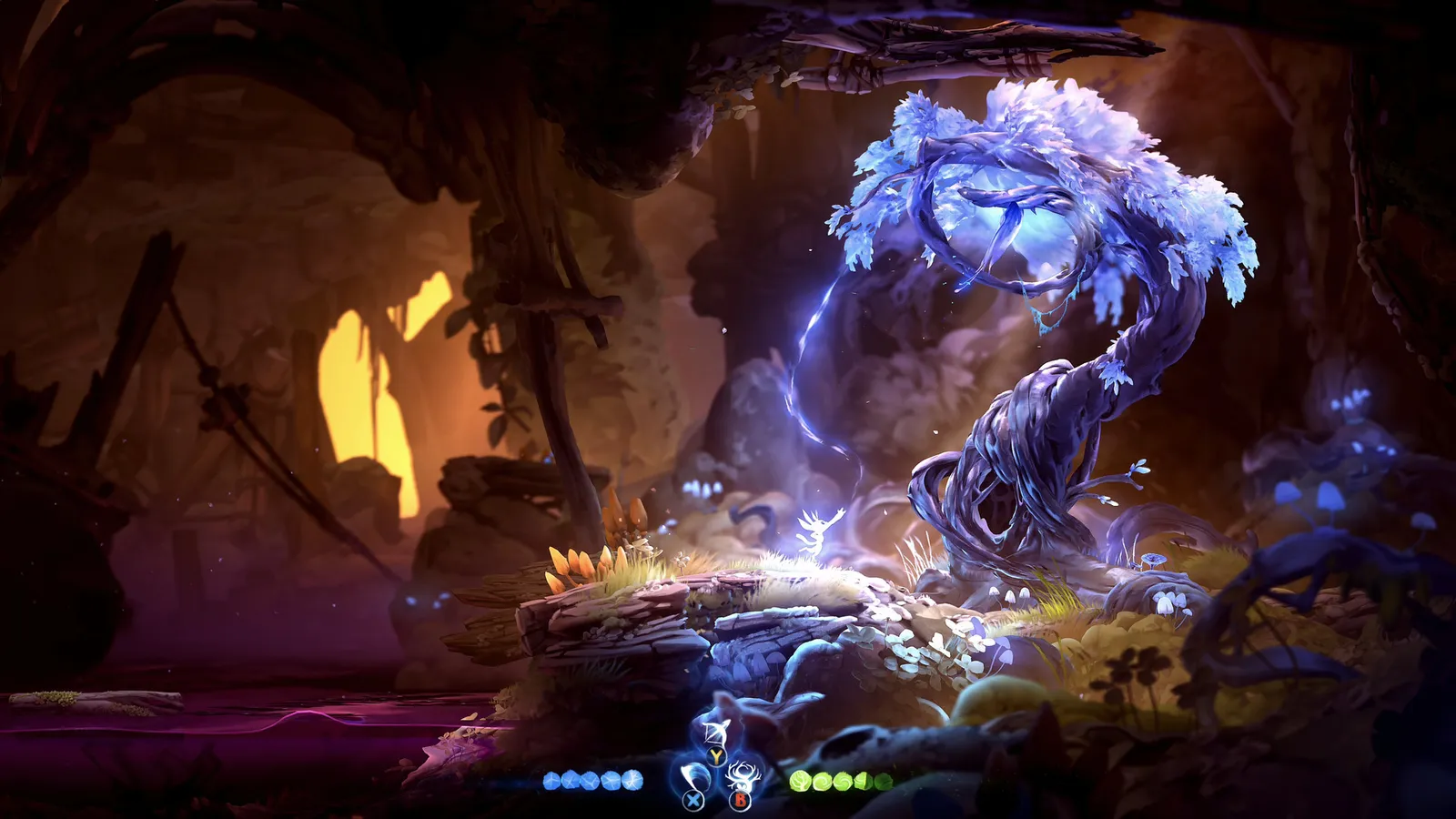
Mahler is someone who built two genuinely great games for the Xbox platform and watched the ecosystem around him deteriorate. His Ori games were what Game Pass should have been full of: polished, beautiful, emotionally resonant experiences that made people feel good about paying for the platform. Xbox produced fewer of those over time, not more. He spelled it out clearly: Xbox's problem was never the subscription model. It was that Xbox did not make enough games worth subscribing for. That is a hard truth, and hearing it from a developer who actually shipped quality work for the platform makes it harder to wave away.