Owlcat Games Grew From 15 to 600 People to Ship Dark Heresy and The Expanse: Osiris Reborn
By CriticalPixel ·

Owlcat Games used to be the kind of scrappy outfit a CRPG fan roots for in silence. The studio that turned Pathfinder: Kingmaker into a real hit in 2018 started life with about fifteen people and a license that nobody else wanted to touch. Eight years later, Owlcat is 600 developers strong, juggling two big-budget productions at the same time, and openly talking about being one of the few studios on the planet that could even think about taking on Baldur's Gate 4. Co-founder and creative director Alexander Mishulin sat down with IGN to walk through what that growth actually looks like from the inside, and the picture he paints is a studio trying very hard not to lose the soul that made its first games worth caring about.
Two big games, one risky pivot
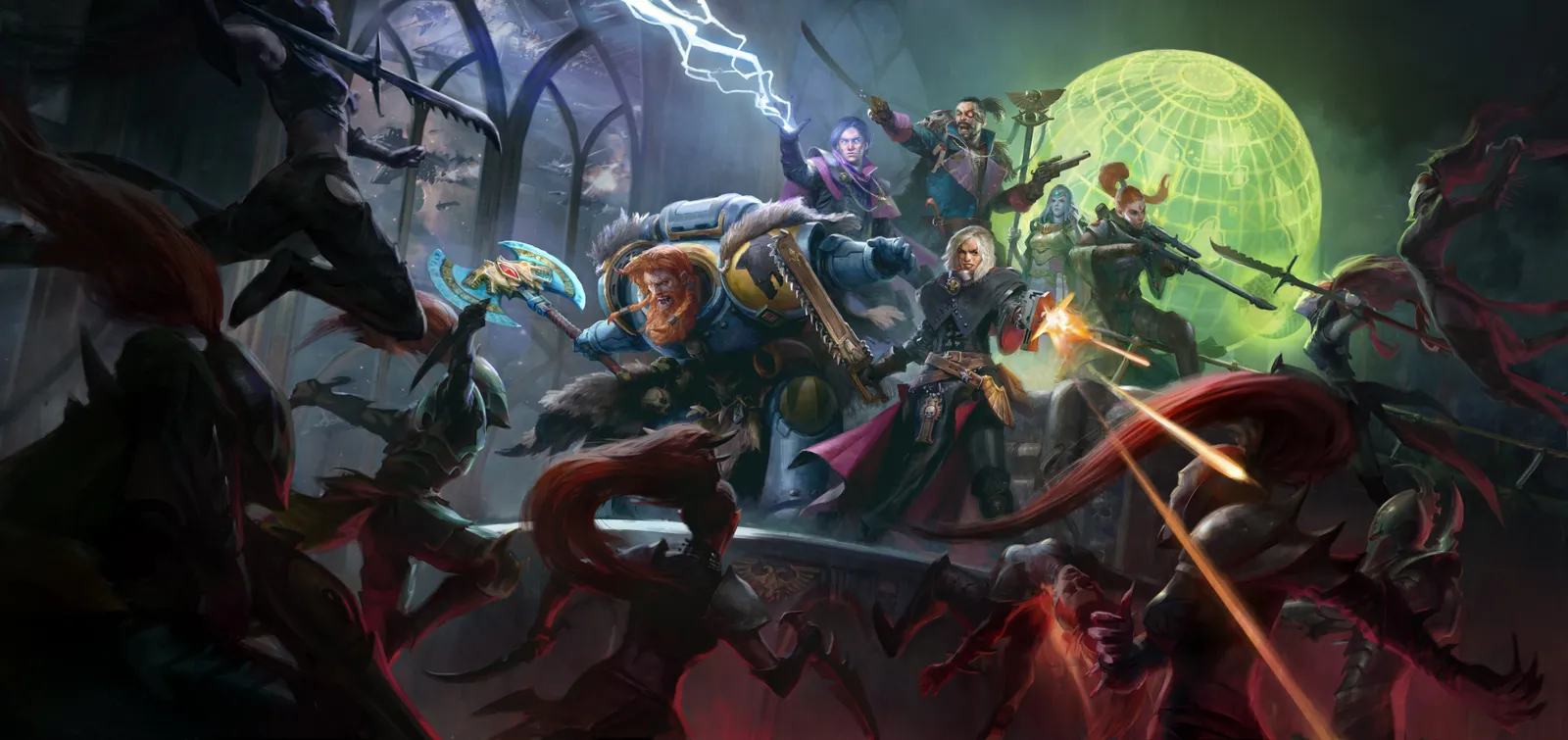
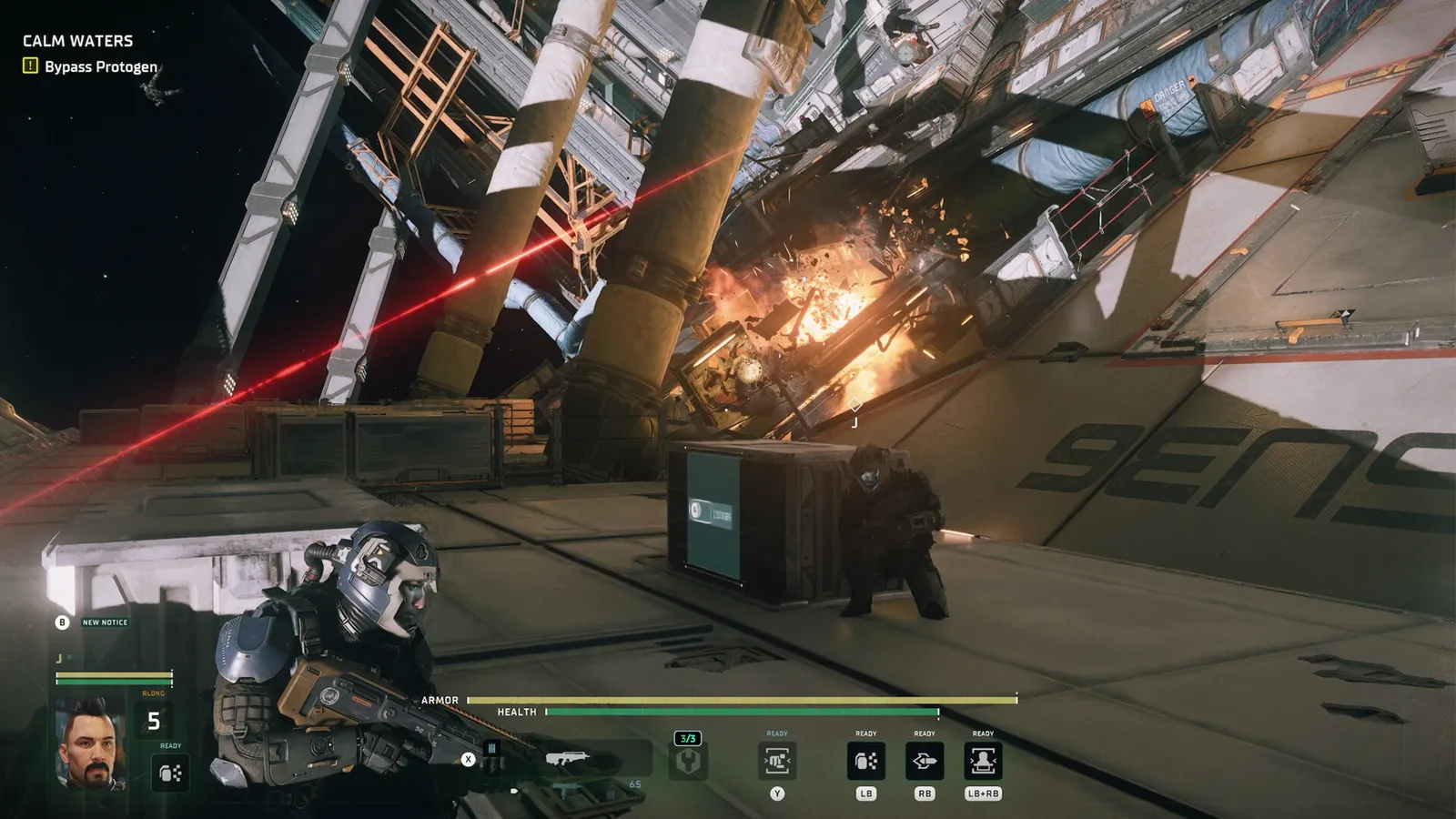
Owlcat has two announced titles in active production right now. Warhammer 40,000: Dark Heresy is the obvious one for fans of the studio. It continues Owlcat's run of isometric computer RPGs, this time putting players in the boots of an Inquisitor's acolyte working an investigation system across the grimdark sector. That is the work Owlcat already knows how to do, and the community is treating it like a fait accompli. The interesting project is The Expanse: Osiris Reborn, a third-person action RPG with a Mass Effect flavor, built on Unreal Engine 5, and licensed from the people who make the actual Expanse show. Owlcat is showing The Expanse off with a Steam page that went live recently and a release window pointing to Q2 2027.

Talking to IGN, Mishulin does not pretend the jump to third-person action is small. Owlcat pitched The Expanse to rights holder Alcon Entertainment during the final stretch of Rogue Trader's development, and the deal gave the studio permission to take a real swing on a different genre. The team working on it includes developers whose formative game was Mass Effect rather than Baldur's Gate, which is one of the quieter reasons Owlcat is comfortable betting the farm on the change. A physics consultant was brought in to make sure things like Belter Creole and how blood behaves in zero-g hold up to the people who actually know. The Expanse is also the only Owlcat game where the studio is publicly defending small creative choices, like keeping muffled sound in space because the magnetic boots pick up vibrations through the hull. It is a stretch, as Mishulin admits, but it is on purpose.
Why Baldur's Gate 4 keeps coming up
The Owlcat conversation always finds its way back to Baldur's Gate 4. Hasbro wants the game, Larian is done with the D&D license, and James Ohlen, the co-lead designer of Baldur's Gate 2, already told Hasbro he would not touch the project because competing with BG3 is, in his words, insanity. Owlcat is the studio that fans keep naming when they try to imagine a successor that does not feel embarrassing, and IGN put the question to Mishulin directly. His answer was polite, careful, and very much on the record. He said Owlcat would consider it a great challenge, called being linked to BG4 a real honor, and gently made the point that any studio trying to copy Larian's specific formula is bound to fail. Other studios will bring their own DNA to a Baldur's Gate 4, and that has to be the point. Owlcat would not be Larian 2.0, and the studio does not want to be.
What 600 people actually changes
Going from 15 staff to 600 is not just a number for the press release. Owlcat's three-plan internal success framework, which includes a minimum, an average, and a viral breakout scenario for each title, only made sense at the scale the studio operates at now. Rogue Trader landed in the better-than-average band, more successful than Wrath of the Righteous and far more visible, but not a Baldur's Gate 3-level event. The studio wants to keep that discipline. It is also the only reason it can fund two productions, a Mass Effect-style third-person RPG and a deep investigative cRPG, in parallel without one starving the other. Smaller Owlcat could not have made The Expanse. Period. The math does not work.
What is harder to measure is whether the original Pathfinder energy survives the head-count. The IGN interview reads like a studio aware of the risk. Mishulin keeps name-dropping the people who were there at the start, talks about the games Owlcat developers grew up playing, and stresses that fresh ideas only happen when the team is willing to take swings on things it has never done. Other projects in the pipeline, which the studio will not name, sound genuinely different from the Warhammer and Expanse work. If Owlcat was content to just make more Wrath of the Righteous, it would not have built a 600-person studio.
Community reaction and what to watch
Reaction inside the CRPG corner of the internet is largely positive and noticeably more measured than the usual hype cycle. Long-time Owlcat fans on X are posting fan art for Dark Heresy acolytes and begging the studio for a release date, which is the most common barometer that the next game is wanted. The Expanse fan accounts are treating Osiris Reborn as a soft proof that the wider universe is in good hands. A few brave voices are making the Owlcat-for-BG4 case out loud, and at least one critic is arguing that if any studio outside Larian can carry the franchise's DNA forward without embarrassing it, Owlcat is the only honest answer. The discussion is more interesting than the typical sequel chatter because Owlcat is not publicly campaigning for the job, and that restraint is doing a lot of the work.
The two dates worth circling on a calendar are still the obvious ones. Dark Heresy is the next Owlcat game fans will actually be able to play, and the studio's CRPG track record makes it the safer bet. The Expanse: Osiris Reborn is the bigger swing, the one that defines whether Owlcat becomes a multi-genre publisher or a CRPG specialist that tried something weird once. Q2 2027 is the published target. The Baldur's Gate 4 question is the one every Owlcat interview is going to keep answering until either Hasbro makes a phone call or the IP moves in a different direction. For now, 600 people, two games in production, and a co-founder willing to call the whole thing a great challenge is plenty to chew on.