PlayerUnknown Productions halts Go Wayback, lays off staff as funding runs dry
By CriticalPixel ·
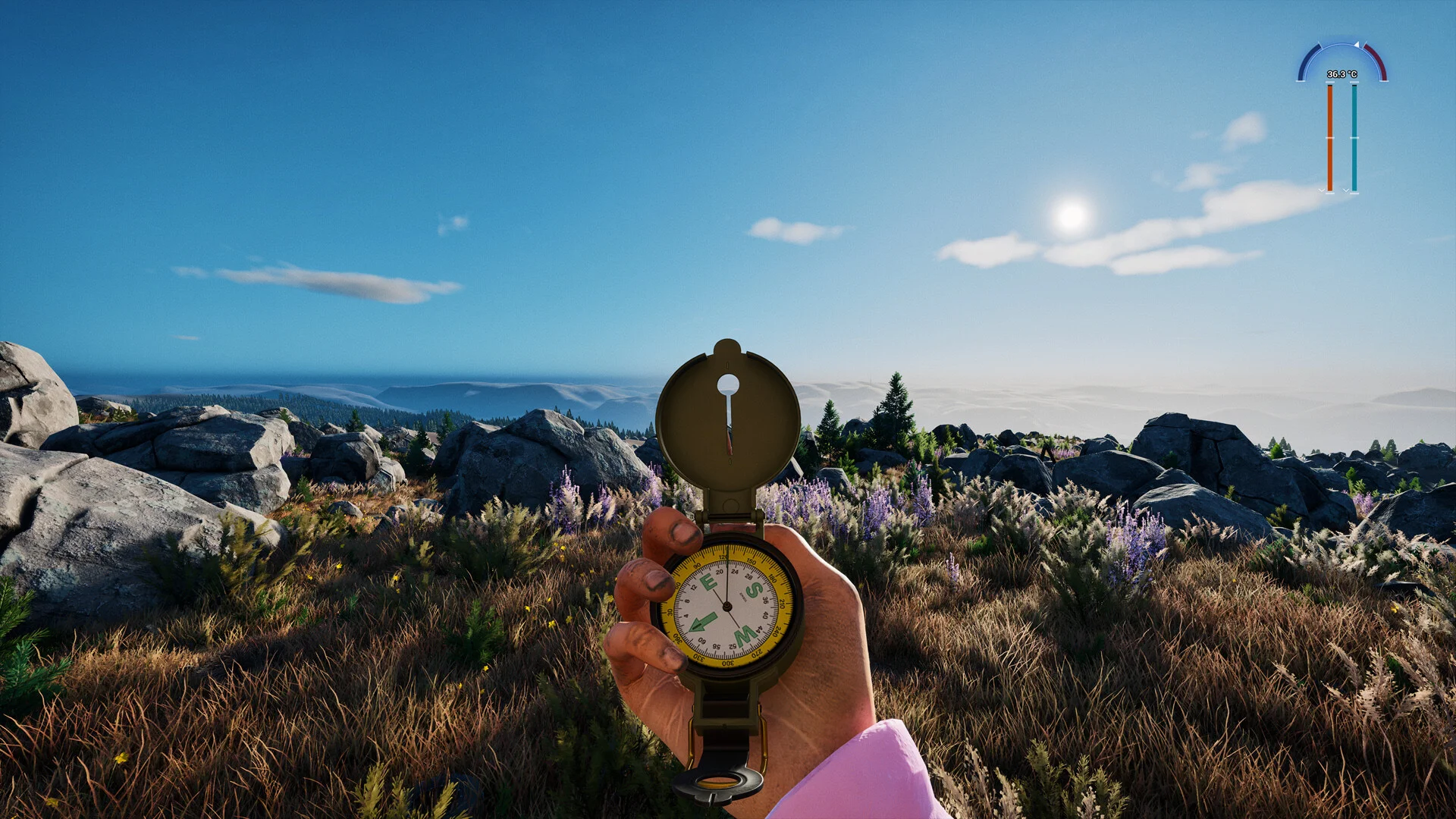
Brendan Greene's post-PUBG studio just pulled the plug on its first major project. PlayerUnknown Productions announced today that development on Prologue: Go Wayback is stopping effective immediately, with layoffs hitting the team as the studio restructures. The open-world survival roguelike launched in Early Access back in November 2025, barely six months ago, and was supposed to be the first stepping stone toward the studio's ambitious Project Artemis vision. Instead, Greene says he has hit the ceiling on what he can personally fund, and the dream of building massive procedurally generated worlds has hit a wall.
What Go Wayback was supposed to be
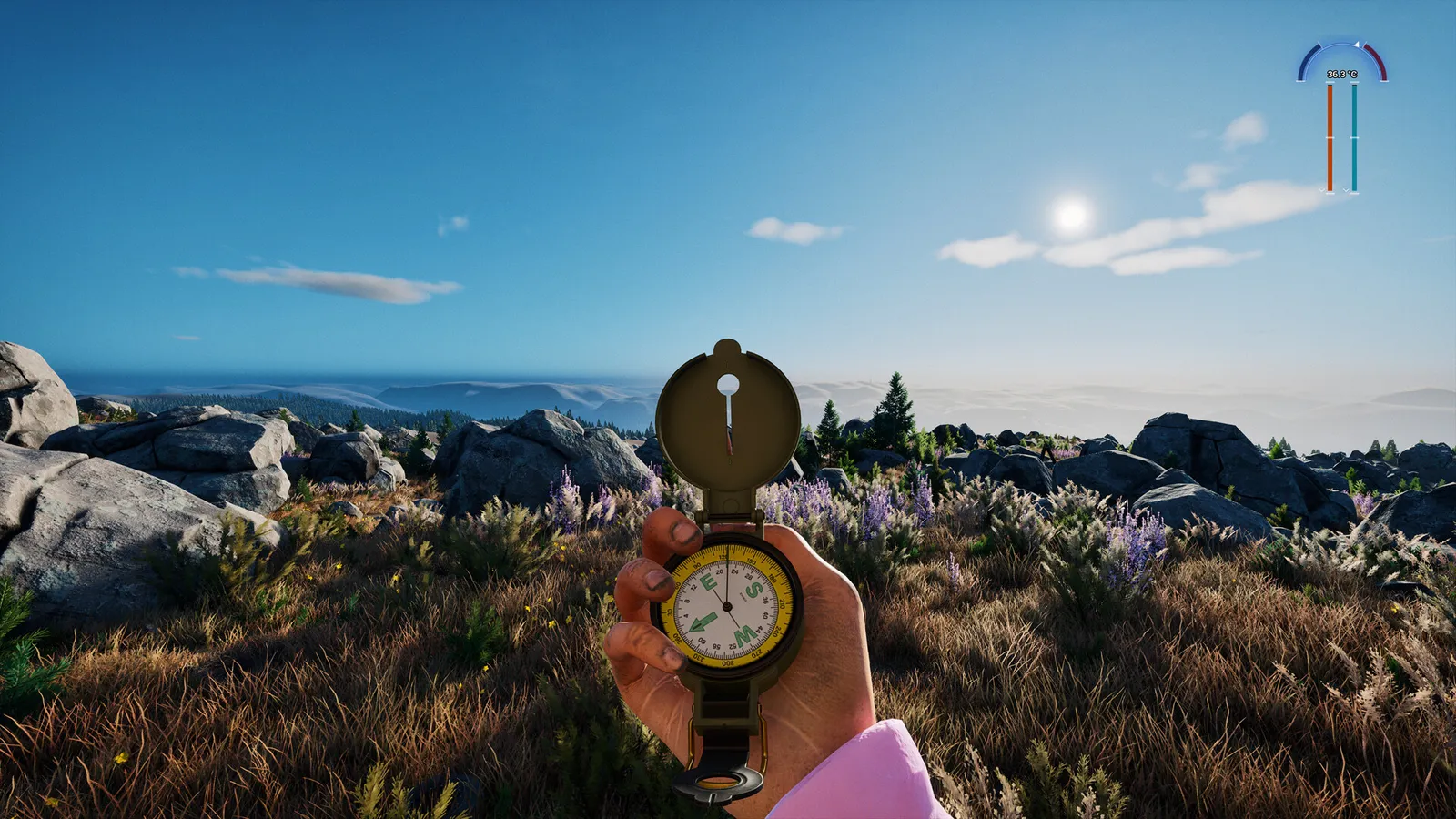
Go Wayback was designed as proof of concept for Melba, the studio's machine-learning terrain generation technology that could produce unique 64-kilometer-square wilderness maps on the fly. The game mixed roguelike survival with that procedural backbone, tasking players with navigating dynamic weather and treacherous terrain toward a Weather Tower with nothing but a compass and their instincts. It won Best Technology at the Dutch Game Awards last year, and on paper it was exactly the kind of experimental project that deserved a chance to grow. But "on paper" does not pay server bills, and the reality is that Early Access survival games live or die by their player counts and revenue. Go Wayback was sitting at Mixed reviews on Steam with 265 user ratings, and that apparently was not enough to keep the lights on.
Greene's statement is brutally honest
The studio's announcement pulls no punches about the financial reality. Greene says he has reached the limits of how far he can continue to fund this journey in its current form, which is about as direct as a studio founder gets when admitting the money ran out. They are planning to make Go Wayback free to play and are investigating refund options for players who purchased the game on Steam and Epic Games Store. Meanwhile the Melba technology itself is not dead. The studio will continue developing it with a smaller team, but the days of a full production crew working on a commercial application of that tech are over. The immediate priority is supporting affected employees during the transition.

The pattern keeps repeating
This is not a one-off tragedy. It is the latest entry in a growing list of self-funded studios with big technical ambitions that burned through cash before their projects could find an audience. Greene had the pedigree from PUBG and a genuinely interesting technical vision with Melba, but pedigree and vision do not guarantee sustainable revenue. The Early Access model promises players they are funding development, but it also means studios are one bad quarter away from running out of runway. Go Wayback won an award for its technology and still could not survive six months in the market. That should worry anyone paying attention to how the industry treats experimental projects.
The community reaction is still coming in across multiple languages and regions, and the early sentiment is a mix of disappointment and resignation. Players who bought in are hoping the free-to-play pivot and refund investigation actually materialize, while industry watchers are pointing to this as another example of the gap between technical ambition and commercial viability in the indie space. For now the Melba technology lives on in reduced form, but the studio that was supposed to push the boundaries of procedural world generation is significantly smaller than it was yesterday. The question is whether that smaller version can survive long enough to matter.