PlayStation CEO Hideaki Nishino Says Sony Is Not Done With Live Service After Concord and Bungie
By CriticalPixel ·

Sony's live service bet has cost the company real money, real jobs, and real trust with players. Concord launched in August 2025 and was dead within two weeks after Sony paid hundreds of millions to acquire Firewalk Studios, which was shut down shortly after. Then Bungie, the studio Sony bought for $3.6 billion, cut most of the Destiny team on June 25 with mass layoffs that hit both Destiny 2 developers and some Marathon staff. That is the backdrop against which Sony Interactive Entertainment president Hideaki Nishino sat down with Famitsu and said, without apparent irony, that PlayStation is not done with live service games.
What Nishino Actually Said
The Famitsu interview ran for the magazine's 40th anniversary and produced several notable statements, but the live service reaffirmation is the one the industry is paying attention to. Nishino's translated remarks: 'We believe that live-service games are content that attract users on a global level, so we want to continue to revitalize the market through first and third party content.' He also touched on PlayStation's PC strategy, stating that for single-player first-party games, Sony will 'further refine the value of the gaming experience' - a framing that aligns with the confirmation earlier this month that Sony ended its single-player PC ports program entirely. The full interview covers Sony's broader platform ambitions, but the live service section lands the hardest given the timeline of failures Sony is currently sitting on.
The Live Service Graveyard Sony Built
Before Sony can revitalize anything, it has to reckon with what it has already buried. Concord is the most visible disaster - a hero shooter that cost an estimated $200 million to develop, launched on PS5 and PC, and was pulled from sale 14 days later after player numbers on Steam bottomed out below 700 concurrent. Firewalk Studios was shut down shortly after. Before Concord, Bungie itself cancelled multiple live service projects that never made it to players, including two internal projects that did not survive development. The $3.6 billion acquisition has produced one bright spot - Helldivers 2 from Arrowhead Game Studios - but that success belongs to an external developer with its own creative vision, not to Sony's internal process. Destiny 2's revenue was already declining before the June 25 layoffs confirmed that the game is being wound down as a live platform. Sony is left with Marathon as the primary live service bet that is actually close to shipping.
Marathon Is Now Everything
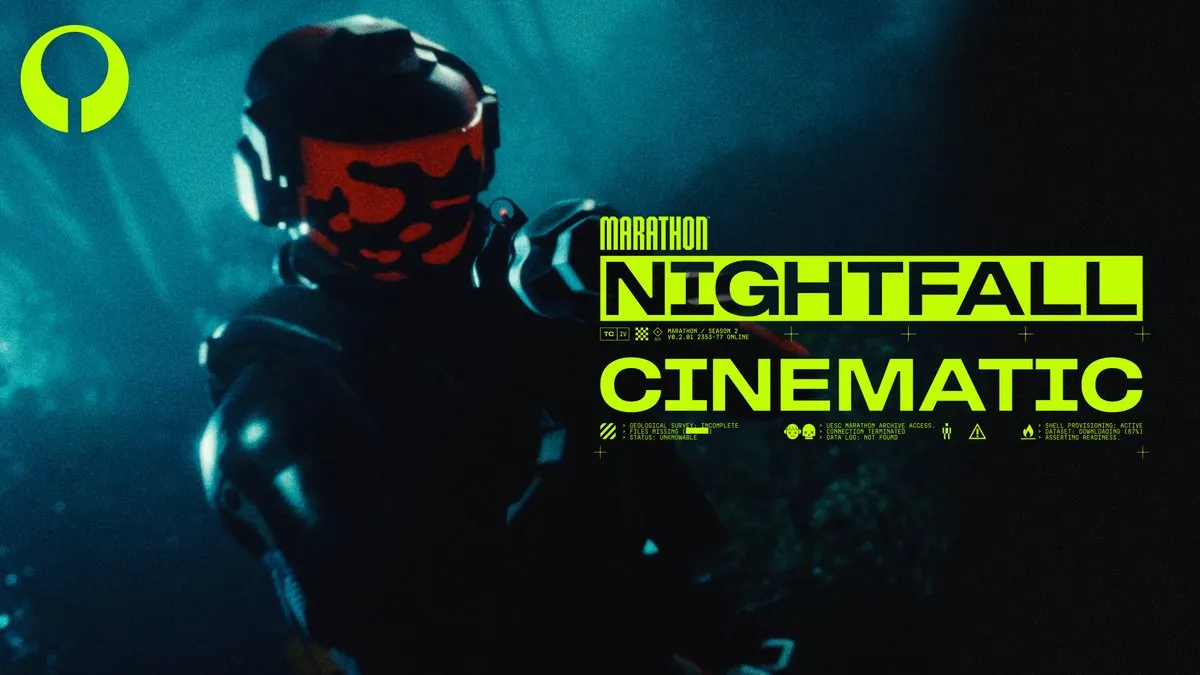
After the layoffs, Marathon is the live service game Sony has left that is actually in active development and approaching launch. Bungie confirmed July 21 as the start date for Vault Breaker, the PVE extraction mode designed to bring in players who do not want pure competitive PVP. The full game launches September 23 on PS5 and Xbox Series. Losing development staff to layoffs while actively shipping a live service game is not an ideal operational situation - Bungie confirmed Marathon development continues, but the team took hits. If Marathon fails to find and keep an audience, Sony's entire live service infrastructure argument collapses into a very expensive lesson. If it lands, Nishino's statement starts to look like a calculated position rather than denial.
How Players Are Reading This
The community reaction to Nishino's Famitsu statement splits along lines that are entirely predictable. Players who watched Concord launch and die inside a month are treating this as tone-deaf corporate positioning. The skeptical camp has a real argument: Sony has lost money on Firewalk, watched Bungie's workforce get gutted, and had to restructure its live service publishing division after spending billions building it. On the other side, the Helldivers 2 audience is making a pointed counterargument. That game shipped to massive success because Arrowhead built something with a distinct identity - satirical military co-op with genuine humor and tight mechanics that filled a gap the market had. The argument from that camp is that Sony's problem was never the live service model itself. The problem was betting on the wrong games built by studios that did not have a compelling answer to why players should leave the games they already play.
The Problem Nishino Is Not Addressing
The issue with Sony's live service track record is not bad luck. Concord had years of development time and full Sony backing. The studios Sony acquired or funded were not random selections. The problem is that Sony's internal approval process greenlit games that were not differentiated enough from what already owned the market, at price points players rejected when free-to-play alternatives existed. Nishino saying Sony will revitalize the market through first and third party content sounds reasonable in an anniversary interview, but it does not explain what changes in the evaluation process to avoid approving another Concord-shaped project. Sony has been careful to give Bungie creative ownership of Marathon's direction. The extraction shooter market is smaller and less saturated than the hero shooter market Concord tried to enter. Those are meaningful differences. But after $3.6 billion spent acquiring Bungie, two studios either closed or hollowed out, and hundreds of jobs cut across multiple cycles, Sony needs Marathon to be more than a decent game. It needs to be proof that the whole strategy made sense from the start.
What Comes Next
The Famitsu interview is a statement of intent, not a roadmap. Nishino did not announce new live service titles or name specific third-party partnerships coming to PlayStation. Sony's upcoming live service pipeline is thin - Marathon is the main event, with no other first-party live service games confirmed for 2026 or beyond. Third-party relationships could surface, but nothing has been announced. The blunt read on Nishino's statement is that Sony is publicly committed to live service because walking it back now would mean admitting the acquisition strategy was a mistake. Whether this is genuine conviction or a holding position until Marathon ships is difficult to determine from outside the company. Marathon arrives September 23 on PS5 and Xbox Series. The market will give Sony its answer whether Sony is ready for it or not.