PlayStation Tells Court Reasonable Consumers Already Know They Do Not Own Their Digital Games
By CriticalPixel ·
Sony Interactive Entertainment has leaned on a delightfully cynical argument in its defense against a California class action over digital game ownership: that no reasonable consumer ever thought they owned what they paid for, because how else could two different people buy Resident Evil Requiem from the PlayStation Store at the same time and both get to play it? The line shows up in an August 21 legal filing surfaced by The Game File and reported by Eurogamer on September 1, and it crystallizes the company's posture as it inches closer to killing off physical PlayStation 5 discs by January 2028.
The lawsuit itself dates back to July, when four California customers, including Edward Heycock and Jason Mendoza, sued Sony over the PlayStation Store's disclosures on digital purchases. The plaintiffs argue that those disclosures do not go far enough under a 2025 California law that requires companies to be loud and clear that digital purchases are licensed, not owned. Sony, for its part, links to its Terms of Service and Software Product Licensing Agreement in the storefront, but the actual line that virtual content is licensed rather than owned lives several hundred words into those documents, and the plaintiffs say that is the entire problem.

What Sony Actually Argued
Sony's lawyers did not bother with nuance in the August 21 reply. The filing argues that no reasonable consumer would be misled by the PlayStation Store's wording, then leaps straight into a hypothetical built around Resident Evil Requiem. If digital purchases truly meant ownership, the filing reasons, then Mendoza would have owned the $69.99 Capcom game he bought on February 14, 2026, and Heycock could not have bought his own copy eleven days later on February 25 for the same $69.99 price. Ownership is, in Sony's framing, definitionally incompatible with two people paying for the same product and both getting it, which is the most honest possible admission that the platform sells access, not goods.
Read another way, Sony is telling the court that anyone who has ever bought two copies of a digital game for two siblings, gifted a PSN key to a cousin, or shared a PlayStation Plus monthly title across two consoles was always operating under the correct mental model. There is no expectation of permanent ownership at any price, and the storefront's hidden licensing language is fine because reasonable people already know. The filing lands just months after Sony confirmed plans to stop pressing new PS5 discs starting in January 2028, which is the moment digital storefronts stop being an alternative to physical and become the only way to play most first-party PlayStation games on console.

The Context the Filing Refuses To Mention
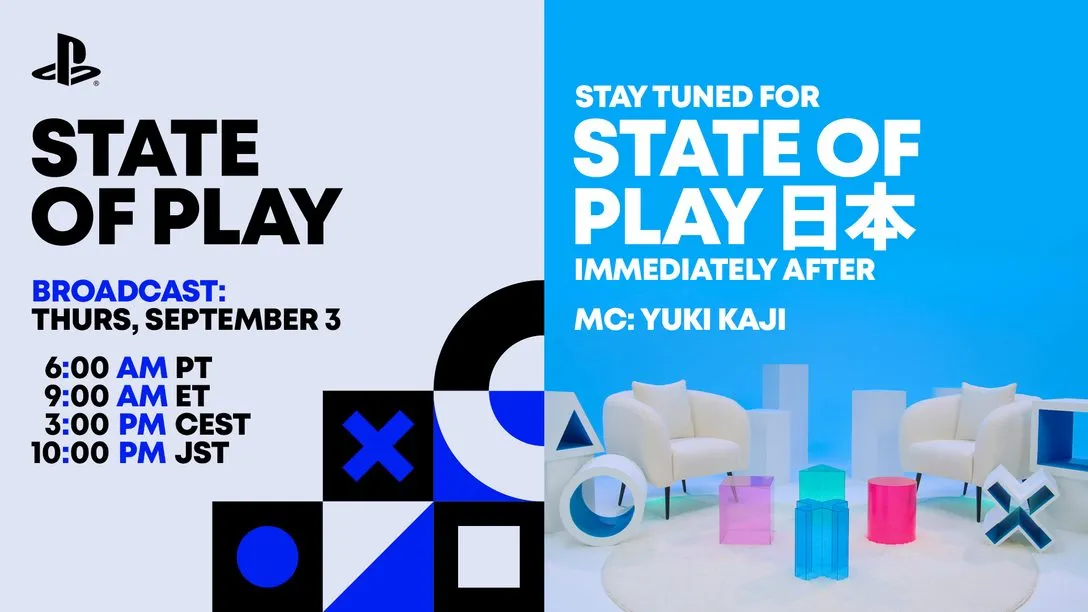
Sony's argument arrives in the same week the platform's other digital storefront news was landing. PlayStation quietly emailed PSN users an updated Terms of Service reminder in late August, just days before the PlayStation Store purge of 551 paid movies scheduled for September, and hours before the September 3 State of Play broadcast that doubles as the closing showcase for Final Fantasy VII Revelation on PS5. None of those moves are the same legal question as the class action, but they all push in the same direction: Sony is reorganizing PlayStation around streaming services, ad-supported free tiers, and storefront-purchased licenses rather than the disc-based library that defined the brand for two console generations.
That is why the Resident Evil Requiem hypothetical matters more than the game's own $69.99 price tag. The argument is structured so that the existence of any concurrent digital sale proves the consumer never expected ownership. It is the kind of brief that wins summary judgment motions in lower courts, and it is also the kind of brief that makes every PlayStation owner with a back catalog of digital purchases a little less confident in what they actually bought. If the court accepts the framing, the California digital ownership statute Sony is accused of skirting becomes functionally unenforceable for the largest console maker in the United States.
Community Reaction: Predictably Loud
Reaction across PlayStation communities has been brutal and one-sided. The Resident Evil Requiem hypothetical is getting dunked on across ResetEra, r/PS5, the PlayStation subreddit, and the usual Discord servers because it treats buying the same digital product twice as proof of a mental model rather than as proof that two people paid full retail for two parallel licenses. The line Sony used to defend the model is the same line that customers use to complain about the model, and that symmetry is the entire joke. The pushback is broad enough that the game file's report got picked up by every major games outlet within hours, and the PlayStation Blog itself has not commented on the legal filing or the surrounding news cycle.
There is no organized pro-Sony counter-movement here. The most charitable read of the filing, that Sony is just stating the obvious legal reality of digital storefronts, does not survive contact with the company's own January 2028 disc manufacturing cutoff. Killing physical discs while arguing in court that no reasonable consumer expected permanent digital ownership is the kind of combination that turns a routine class action reply into a flashpoint for every long-running argument about PlayStation ownership, PSN account locks, and the long-term value of a digital PS5 library. Sony is not losing the court of public opinion with this brief.
What Happens Next
The case will grind forward in California court through the rest of 2026, and Sony's August 21 reply is the kind of motion that invites a motion to dismiss from the plaintiffs. Either way, the filing is now the clearest public statement of Sony's digital ownership stance that exists, and it is sitting in a public docket. The September 3 State of Play will not address it, the September PS Plus monthly games lineup is not affected, and the upcoming Final Fantasy VII Revelation broadcast remains on schedule. None of the consumer-facing roadmap changes because of the lawsuit, but the legal posture is now on the record, and any future PlayStation Store ToS change, any storefront disclosure update, and any new PS5 disc-to-digital conversion policy will land against this exact brief.
For now, every PlayStation 5 owner with a digital library is a class member in a fight that may quietly decide whether the licenses they bought are licenses they understood. That is the underlying question, and Sony just answered it on the record. The court gets to decide whether that answer is good enough.