Rep. Ritchie Torres Announces the Power To The Players Act to Make Buying a Game Mean Owning It
By CriticalPixel ·
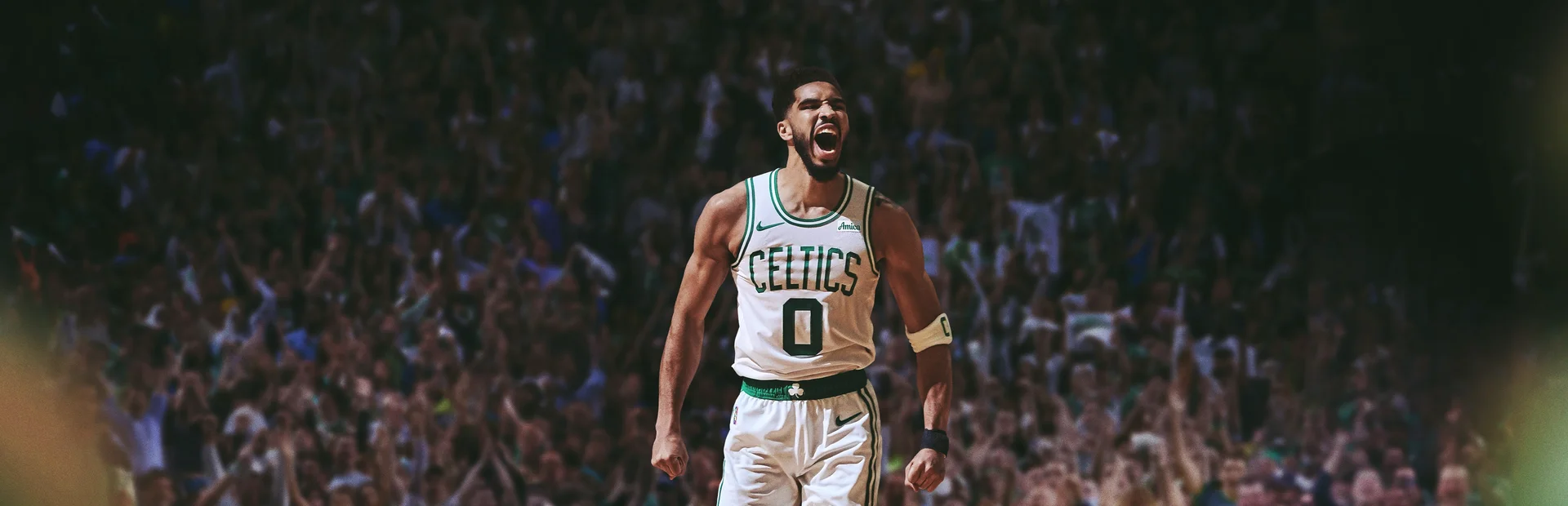
A US congressman just took the most hated word in digital games and put it in a bill. Rep. Ritchie Torres of New York announced on October 15 that he will introduce the Power To The Players Act, legislation that would direct the Federal Trade Commission to write rules so that buying a video game means owning it, not renting a revocable license. The trigger is NBA 2K25, a game people paid $69.99 for that leaves digital storefronts on October 30 and loses its servers at the end of the year. This is a clear shot at the license model every big publisher leans on. The catch is that the bill has not been formally introduced yet, so nothing here is law and nothing is close to it.
What the bill would actually do
According to Torres' own press release, the bill would give players three things: the right to own, the right to play and the right to transfer the games they buy. In practice, a purchase would convey ownership instead of a license to play, games with online functionality would have to offer an offline mode before the servers behind them get shut down, and players could resell or pass on what they bought. The FTC would write the actual regulations, which means the details that matter would be settled in rulemaking rather than in the bill text. Torres framed it as a restoration of how buying games worked through the 80s, 90s and 2000s, and as an affordability issue while prices climb across the economy. He told Kotaku the rule should be simple: if you pay for it, you own it. The bill leaves out movies and music on purpose, with Torres pointing to the unique relationship people have with collecting games and sinking time into them, though he hopes it sets a precedent for the rest of the digital economy.
NBA 2K25 is the case study
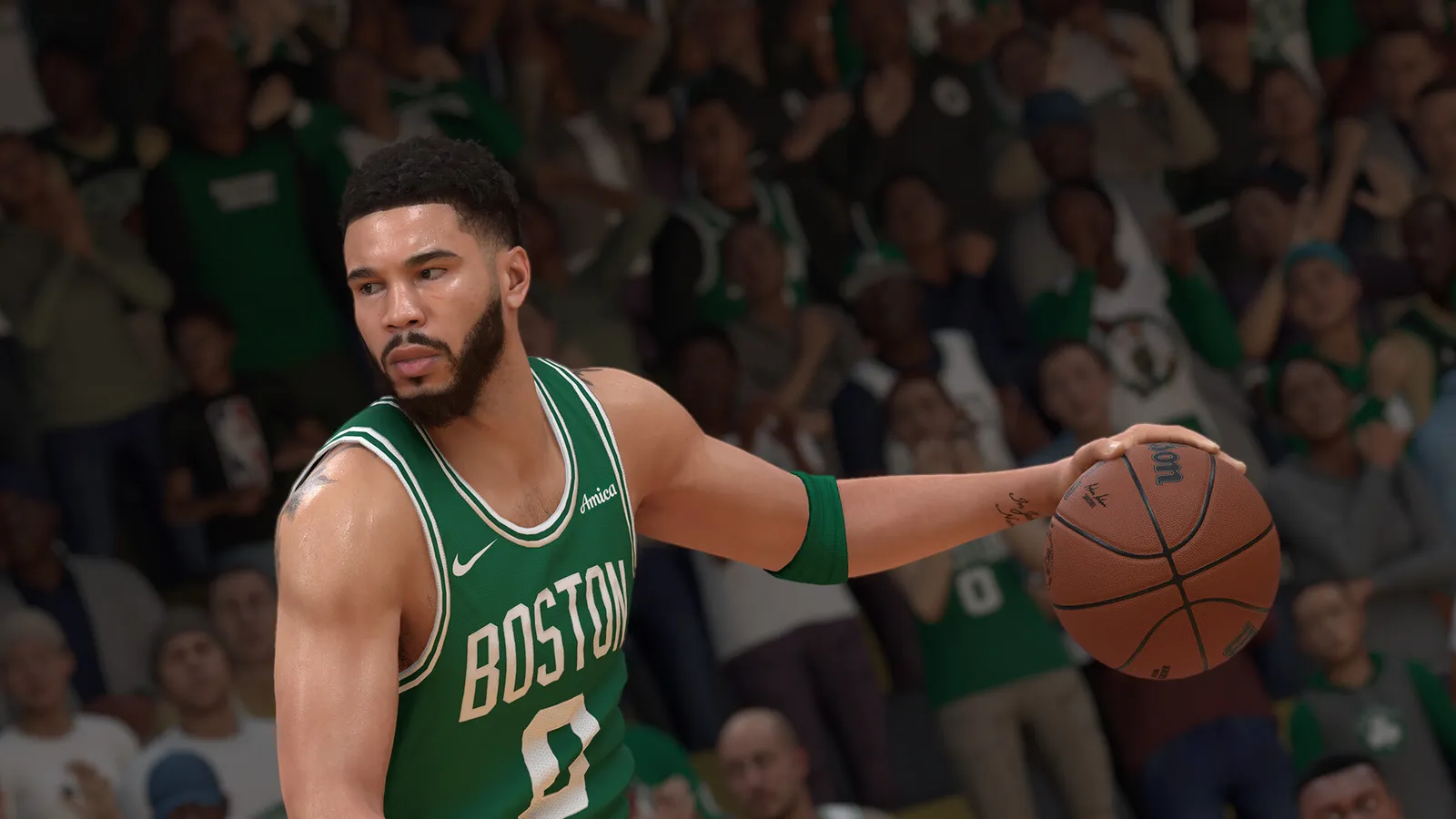
The press release leans hard on NBA 2K25 as its example. The standard edition retailed for $69.99 and the All-Star Edition for $99.99, and the game comes off digital storefronts on October 30 before its online servers shut down on December 31, only two years after launch. Kotaku notes it was the fifth best-selling game in the US in 2024, and that once the servers go dark the most popular modes become unplayable, leaving a game millions paid $70 for mostly useless. We already covered the delisting and the death of MyCareer and MyTeam, and this is the political follow-up 2K did not want. Torres told Kotaku he is not one of the millions who bought it, but he grew up on Grand Theft Auto, Resident Evil and SOCOM. Yearly sports games are the easiest target because the publisher has already moved the community to next season's version, and the old one gets treated like inventory to write off.
Why the timing is ugly for publishers
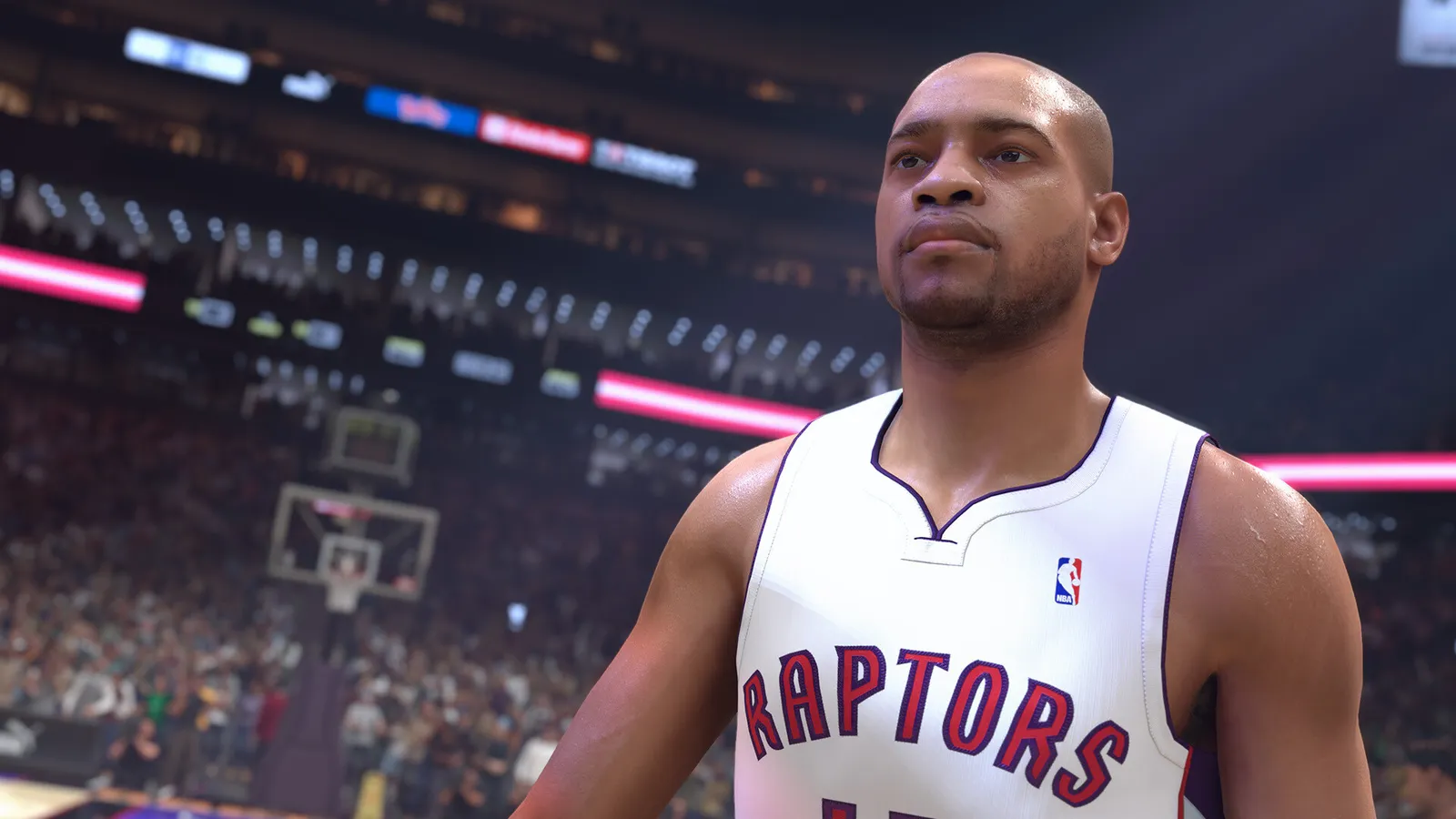
Kotaku ties the bill to a bigger shift. The Stop Killing Games movement spent the past year demanding that companies stop selling games that die when online support ends, and the push gained momentum this summer when Sony said it will end PlayStation disc production for its next console generation. Next month Grand Theft Auto VI arrives as just a download code in a box with a starting price of $80, which gives buyers no control over one of the biggest purchases of the year. Earlier in 2026, Terminator 2 and other movie purchases were pulled from people's digital libraries, which makes the movies-and-music gap in this bill stand out. Put those together and a congressman looking for a clean pitch had plenty of material. He also did not need to explain the problem to anyone who has watched a delisting notice land.
What players are saying
The bill spread fast after Pirat_Nation summarized it on X, and the reaction is mostly supportive with a heavy dose of distrust. One reply joked that a politician wanting to do something useful makes you wonder what the catch is. Another argued this should have been addressed decades ago and doubted that Congress and the FTC will write rules that do not backfire on consumers. A third said parts of it are vague enough to imagine loopholes. That is three independent voices, so treat it as a mood rather than a poll, but the shared worry is execution rather than the idea. None of the replies I read defended the license model.
The CriticalPixel take
Good idea, hard road. Kotaku points out that the bill still has to be formally introduced, then survive a long committee process, and that Torres did not say whether it has cosponsors or any Republican support. An estimated 87 percent of legislation never gets a full vote, and the big publishers will lobby hard against any limit on how they sell games. The offline mode clause is the part to watch: it has to be written so a publisher cannot satisfy it with a barely functional stub, and the transfer right has to survive license terms that currently forbid resale. Storefronts have spent a decade selling licenses at full price, so a rule that forces ownership will cost publishers money, and that is why they will fight it.
Still, credit where it is due. A $69.99 purchase that stops working because a publisher moved on to next year's roster is a bad deal, and an NBA game is the cleanest example anyone could have picked. Whether the Power To The Players Act ever gets a hearing, it puts a lawmaker on record saying that a game you can lose to a server shutdown is a rental disguised as a sale. Torres used those words, and publishers will hear them every time the next delisting notice goes out. Watch for the formal introduction, the bill text and whether anyone from the other side of the aisle signs on.
Sources
Rep. Ritchie Torres press release: Power To The Players Act announcement
Kotaku: Rep. Ritchie Torres announces legislation to protect video game ownership
Pirat_Nation on X: Power To The Players Act summary