Riot Games Ends Active Development on 2XKO, Final Patch Lands December 2026
By CriticalPixel ·
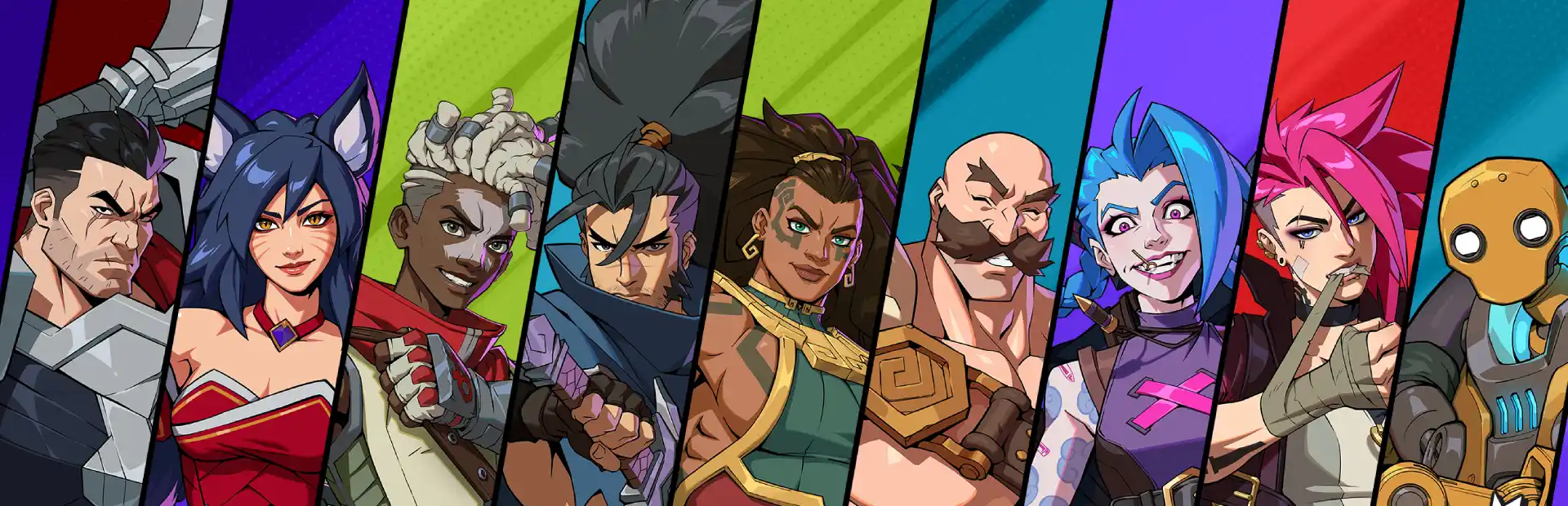
Riot Games dropped the news the fighting game community has been dreading. 2XKO, the studio's 2v2 tag-team fighter built on League of Legends and Arcane characters, is officially winding down. Active development will conclude at the end of December 2026, with servers staying online beyond that point and a final bug-fix patch landing in December. Patch 1.3.1 drops September 8 and ships with every champion unlocked, a refund window for every dollar spent on or before August 20, and the long-promised Lux as a playable character.
What Riot is actually doing
The official post on riotgames.com spells out the timeline clearly. KO Points purchases are disabled as of today, physical prepaid cards no longer work in 2XKO, and any remaining KO Points can be spent in the rotating store before patch 1.3.1. For PC players, every KO Points and 2XKO Starter Edition purchase made before August 20 is being refunded to the original payment method, with most refunds distributed within two weeks and the full batch wrapped by November 2026. PlayStation and Xbox players get refunded through their platform providers, who may reach out to confirm payment details in the coming weeks. Japan and Korea server refunds will run in compliance with local law.
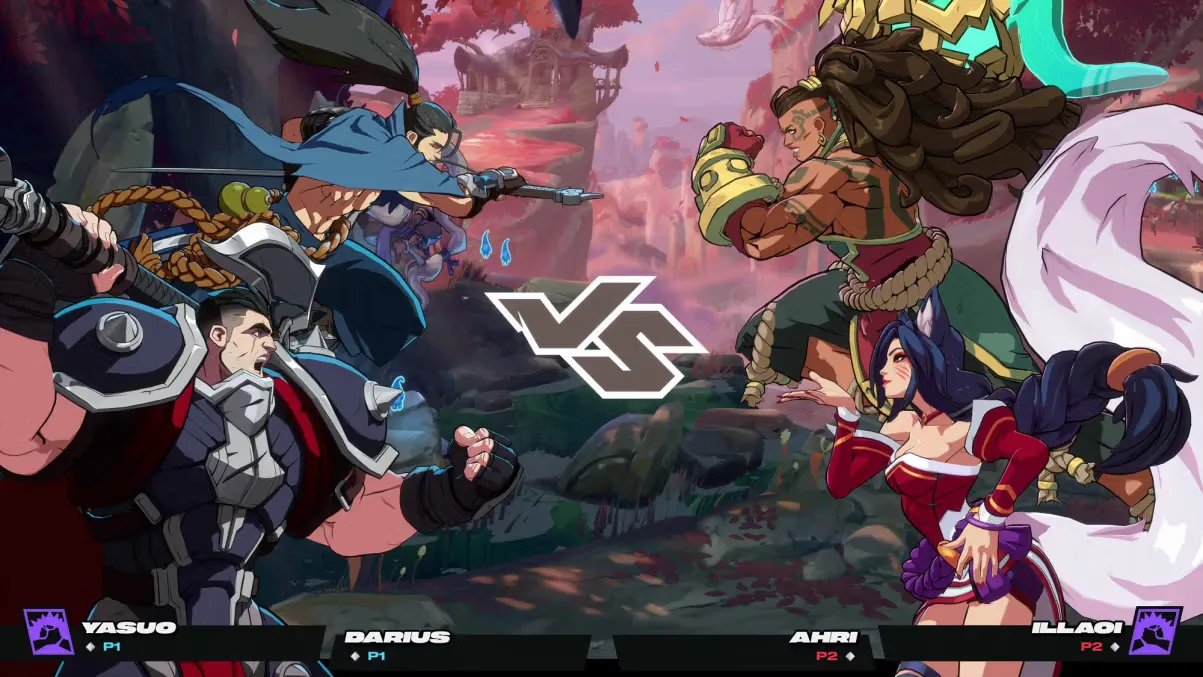
Patch 1.3.1 on September 8 is the big content drop. Lux, the Lady of Luminosity, lands as a shoto-inspired character with a simple kit built around light projectiles and combos. Samira, the Desert Rose, arrives later in the window. Avatar and player profile cosmetics unlock for Credits in 1.3.1, and most cosmetic items are getting bundled so players keep everything they bought. October brings the final content patch, and December brings the final bug-fix patch before Riot parks the project.
Why Riot pulled the plug
Riot's framing is brutally honest. They tracked retention, new players, and engagement throughout 2026 and saw positive spikes around Akali, Senna, Thresh, The Climb (PVE), and the competitive calendar, but those spikes did not translate into sustained growth. Only a fraction of what would have been needed to move the game toward sustainability actually showed up. Diehard tag-fighter players loved 2XKO, but most other fighting game players could not find reasons to stick with the game. The studio also flatly stated that 2XKO costs substantially more to operate than it brings in, and engagement has stayed flat even after larger updates.
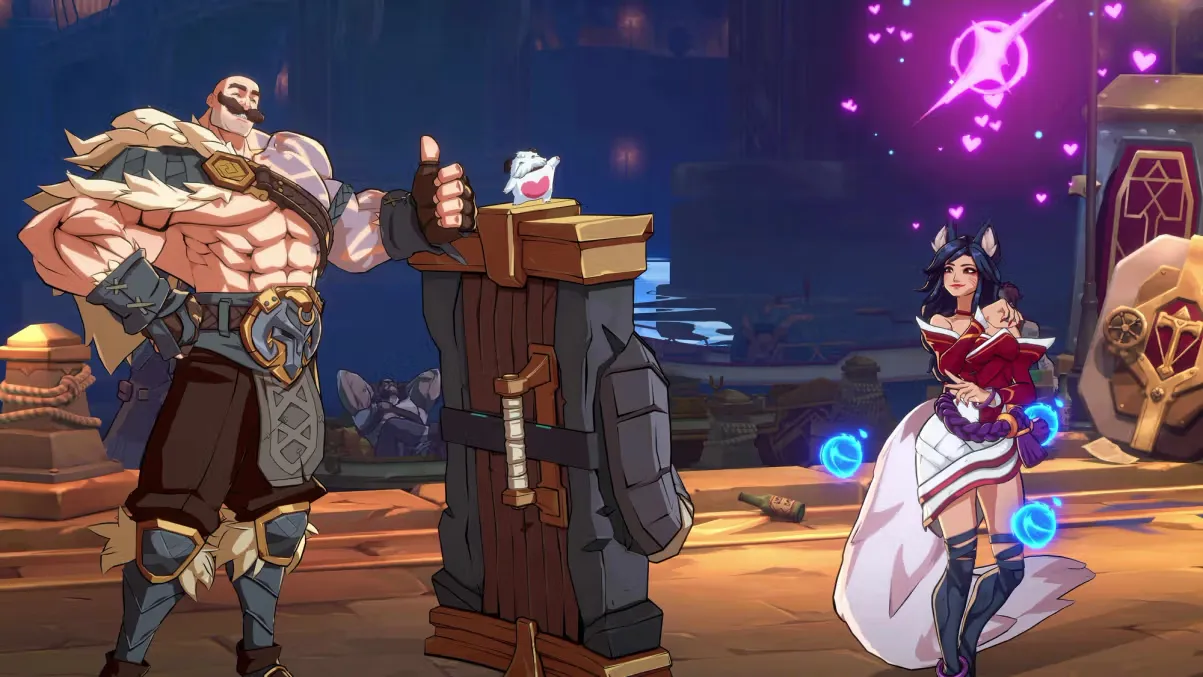
They considered every other path before winding down. Reducing team size, adjusting patch cadence, changing the business model - all of it was on the table. None of it added up to a viable future for the project as it stood. Riot explicitly stated they would have kept developing 2XKO if they saw any path forward, but at some point you stop pouring money into a live-service game that cannot pay for its own servers. The studio is being upfront about it instead of pretending things are fine, which is the right call even if the outcome stings.
How the FGC took the news
Reaction across X and Reddit was immediate and split. The tag-fighter faithful are furious and heartbroken in equal measure. Players who stuck with 2XKO since the closed beta point out that the tournament scene, the duo ladder, and the high-level play were thriving; the problem was always that the wider FGC never gave the game a real shot. Multiple players compared the cancellation to Legends of Runeterra - another Riot experiment that built a passionate niche and then got pulled because it never hit the billion-dollar mark Riot's spreadsheet apparently requires. The takeaway from the comments section is clear: gamers are tired of publishers treating every live-service game as a slot machine that either pays out instantly or gets yanked.
On the flip side, plenty of fighting game players outside the 2XKO bubble are saying the quiet part out loud: the game was always going to struggle because Riot never promoted it. Bad name, confusing logo, no real marketing push, and a roster that meant nothing to anyone who did not already main League. That is a fair critique. 2XKO sat next to Street Fighter 6, Tekken 8, and Guilty Gear Strive with no meaningful reason to choose it for a non-League player, and Riot never closed that gap.
What it means going forward
Servers staying online is the right move. Anyone who bought KO Points or cosmetics keeps what they paid for, gets refunded on top, and can still hop into ranked or PVE whenever they want. Patch 1.3.1 unblocks the roster, Lux and Samira give the game a proper send-off roster, and the December bug-fix pass keeps things stable into 2027 and beyond. It is not a full live-service revival, but it is also not the server-shutdown-and-goodbye nightmare players feared when the rumors first started circulating. Riot is letting the game breathe out instead of slamming the door.
The bigger story is what 2XKO says about Riot's appetite for genre bets. Arcane proved the studio can build serious prestige TV around League's world. 2XKO proved it cannot make the FGC care about a tag fighter built on League characters just by throwing Riot money at it. Whether the next genre bet is a single-player League spinoff, a new MMO, or something no one is expecting, the lesson is the same: a publisher's brand is not a substitute for a game that knows exactly why it exists. 2XKO knew what it wanted to be, just not enough players wanted to be there with it.
If you want the full official timeline, the Riot Games post at riotgames.com covers every patch through December and the refund details for PC, console, and the Japan and Korea servers. Support FAQ at support.riotgames.com handles the edge cases. Patch 1.3.1 lands September 8 - that is the date to circle if you want one last proper ride with 2XKO before it goes into maintenance mode.