Samsung Confirms the Memory Crisis Will Worsen Through 2027 as AMD Joins Nvidia in Hiking GPU Prices
By CriticalPixel ·
Samsung just told investors what PC and console gamers already feared: the memory shortage that has been quietly torching hardware prices since 2025 is not ending any time soon, and is in fact going to get worse before it gets better. In its Q2 2026 earnings call, the Korean tech giant, which controls roughly a third of the global memory supply, said it expects the crisis to deepen through 2027 and persist until at least 2028, citing surging demand from AI data centres that are locking in long-term supply contracts ahead of everyone else.
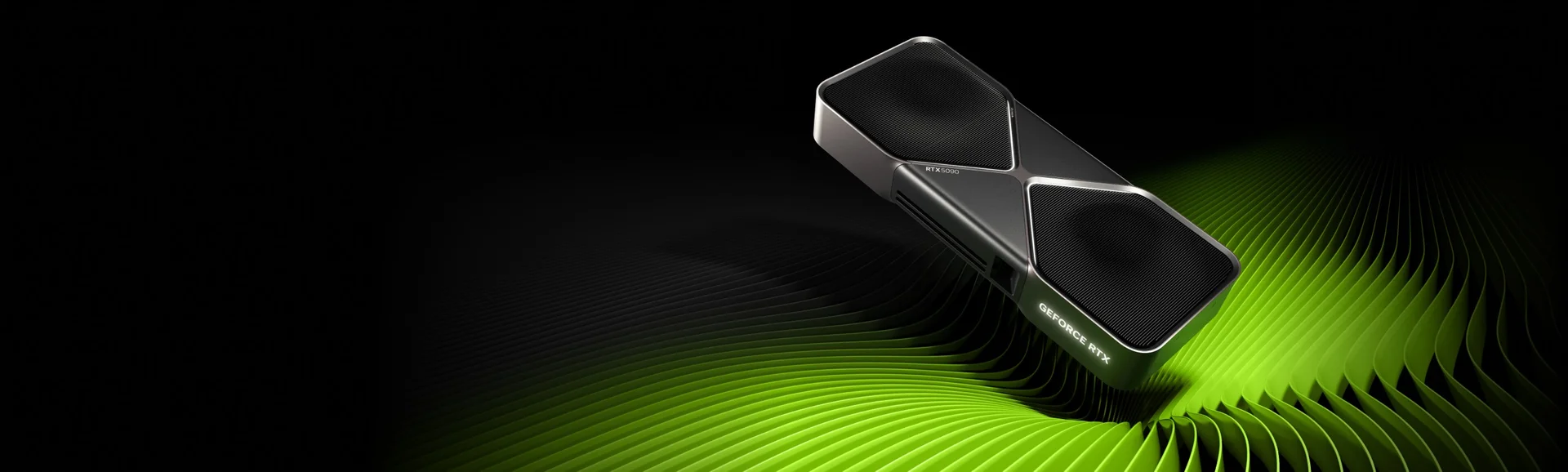
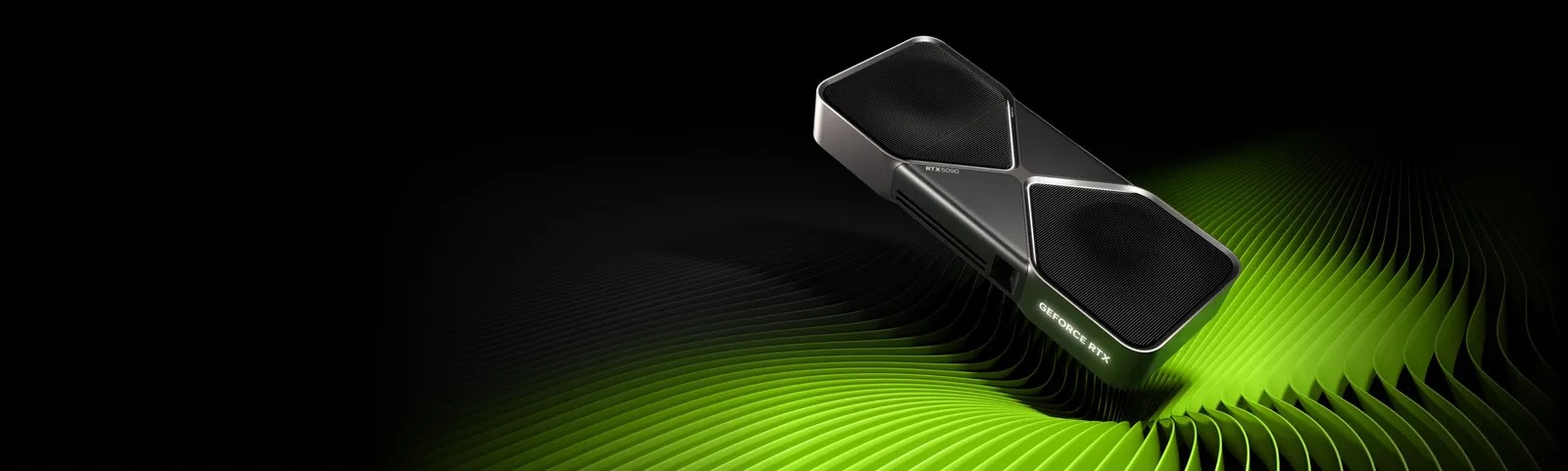
The disclosure lands the same week AMD reportedly followed Nvidia in raising graphics card prices by at least 10 percent across its lineup, with the increase taking effect at the start of August. Industry analyst Harukaze5719 said AMD had been holding off on a hike specifically to avoid ceding market share to a competitor, and only pulled the trigger after Nvidia confirmed its own 20 to 30 percent bump last week. Samsung memory, the same report said, is going up by a similar magnitude.
Why AI Is Eating Your Upgrade Budget
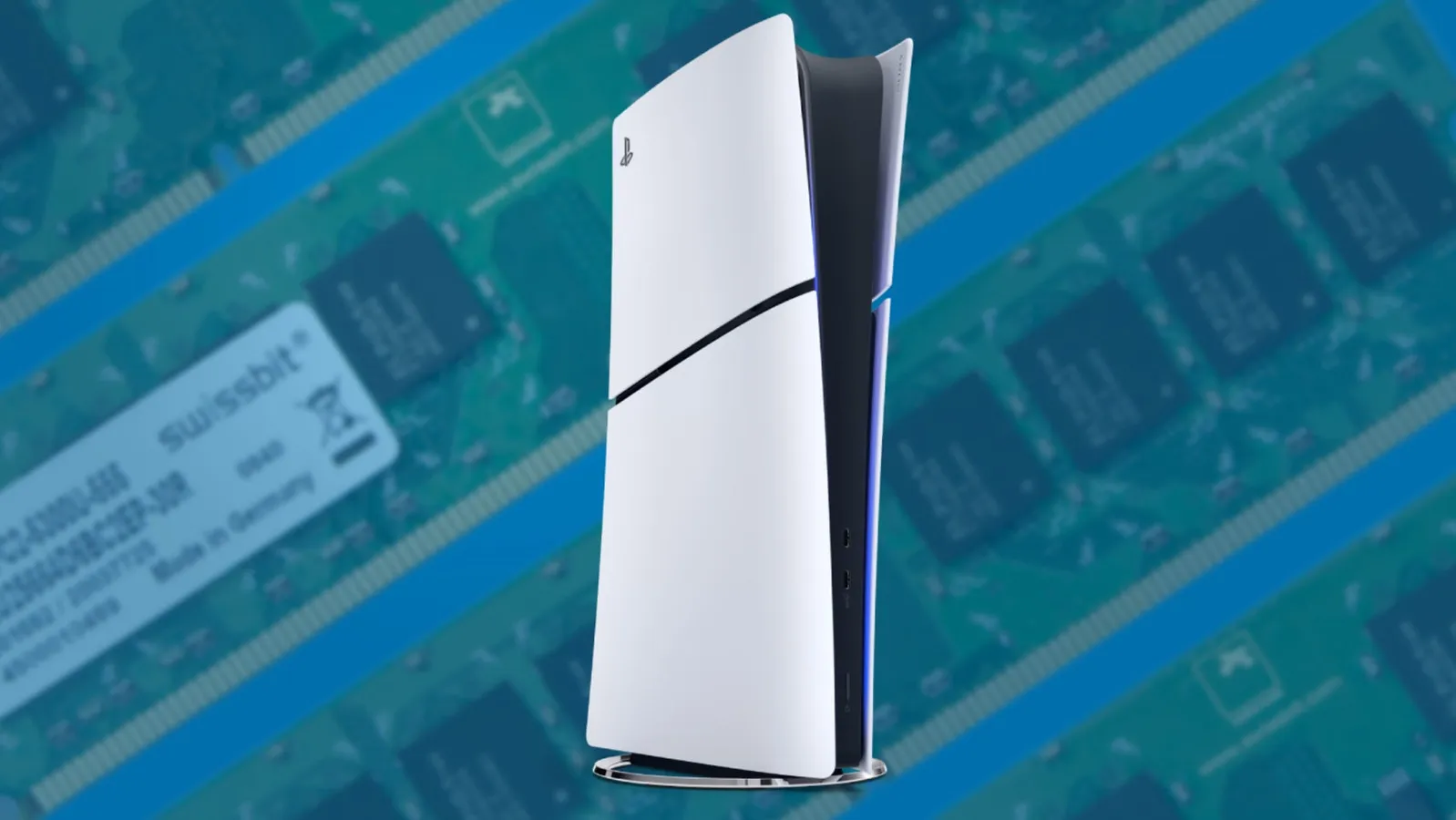
The short version is that AI data centres are eating the world's High Bandwidth Memory supply. Samsung, SK Hynix, and Micron have prioritised HBM for AI customers who are willing to sign multi-year contracts at the highest margins, which leaves consumer-grade DRAM and NAND starved. The result is the absurd situation we are living through right now, where a PlayStation 5 has gone up in price after launch, the Steam Machine launched at 1,049 dollars instead of the price Valve originally wanted, and the entry-level Xbox Series S in the UK now costs more than the Series X did at launch six years ago.
Microsoft confirmed new Xbox pricing last week that effectively raises the Series S 512GB by £130 in the UK and €150 in mainland Europe, while the Series X 1TB disc model went from £499 to £669, a 48 percent increase. Sony and Nintendo have also raised their console prices multiple times, with Nintendo admitting it will lift the Switch 2 price as well. The cascading effect, as Eurogamer's coverage noted, could mean next-generation consoles land at touching distance of £1,000 for the first time ever.
A Crisis With No End in Sight
The most important line in Samsung's earnings call was that the supply crunch will continue getting worse in 2027, with demand still rising. Samsung framed it as a structural problem, not a cyclical blip, because AI customers are sharing long-term demand forecasts with manufacturers to lock in capacity. That gives Samsung and its peers a guaranteed buyer base that can absorb price hikes without flinching, which is exactly the opposite of what is happening on the consumer side of the market. PC builders, console shoppers, and handheld buyers are all price-sensitive, and the analysts quoted in the leak specifically cited a weak recovery in the consumer GPU market and existing inventory still needing to clear as reasons the hike is happening anyway.
It is also worth noting that Samsung has a direct financial interest in keeping the shortage narrative alive. This is an earnings call, where the company needs to look extremely profitable for investors, and Samsung, SK Hynix, and Micron are all currently being sued in California over alleged price-fixing and cartel-like behaviour. The fact that the big three are coordinating long-term supply commitments with the same handful of AI customers while raising consumer memory prices in lockstep is exactly the kind of thing that gets antitrust lawyers very interested.
What This Means For PC and Console Gamers
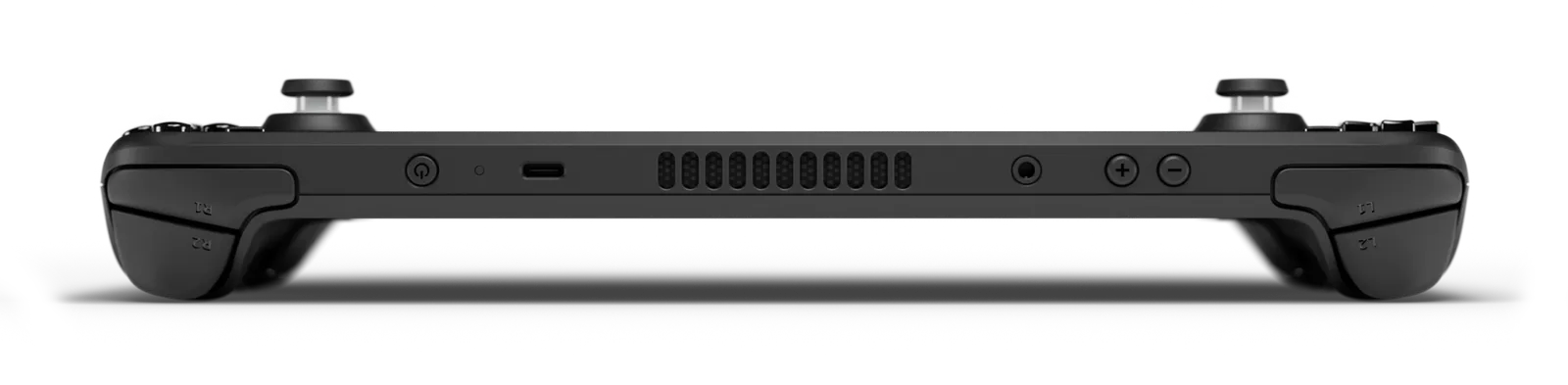
In practical terms, anyone who has been holding out for a GPU price drop should stop waiting. AMD's RDNA 4 cards and Nvidia's RTX 50 series are both now substantially more expensive than they were at launch, and Valve is openly hinting that the Steam Machine might have to go up again if memory contracts continue to inflate. The Steam Deck has already absorbed multiple price hikes, and its replacement LCD battery now costs 130 dollars on iFixit, which is 50 dollars more than it was a few months ago. If Samsung's forecast holds, this is the new normal for at least the next two years, and possibly longer if AI capex keeps climbing.
There is no clean upside for gamers here. The AI boom is funding extraordinary breakthroughs in machine learning, and at the same time it is making every component that goes into a gaming PC, a console, or a handheld more expensive than it would otherwise be. The big three memory makers know it, the GPU vendors know it, and Microsoft, Sony, and Nintendo have all already passed the cost on to consumers with multiple price hikes on hardware that was originally sold at a loss. The cheapest play right now is probably to keep what you have, because next year's parts are not getting cheaper.
Samsung's earnings call is not the death of PC gaming, but it is the first time one of the world's biggest memory makers has stood on a stage and told investors that the affordability crisis in consumer electronics is going to get worse for at least another two years. That is a long time to be paying more for less.