Samsung Reportedly Has 80% of Its 2027 Memory Output Locked in Long Term Deals, and Gamers Get the Leftovers
By CriticalPixel ·
If you were hoping the RAM crunch would ease once the holidays passed, the latest supply math says to plan for the opposite. PC Gamer reported today that about 80 percent of Samsung's 2027 memory output is already spoken for by long term agreements, which points to yet another double digit price increase for RAM early next year. The number comes from Korean investment firm KB Securities rather than from Samsung itself, so treat it as a well sourced analyst estimate and not a company announcement. Still, the shape of it is ugly for anyone building or upgrading a gaming PC. When a memory maker this size has its shelves nearly empty a full year ahead of time, everybody else is shopping from whatever is left.
What KB Securities Actually Said
KB Securities put out its note on October 20, and Yonhap News carried the details that same morning. According to Yonhap, the firm estimates Samsung has signed long term supply contracts covering roughly 80 percent of the memory it plans to produce next year. For commodity memory such as DRAM and NAND, about 70 percent of next year's output is reportedly tied up in five year agreements with global big tech companies. High bandwidth memory is tighter still, with the annual HBM4 volume described as 100 percent contracted. The remaining 20 percent is the slice hyperscalers are still fighting over, and KB expects that scramble to continue. From there the analyst projects the average HBM selling price to rise 100 to 150 percent in 2027, pulling DRAM prices up with it and producing a double digit quarter over quarter jump in the first quarter.
Why HBM Sets the Mood for Everything Else
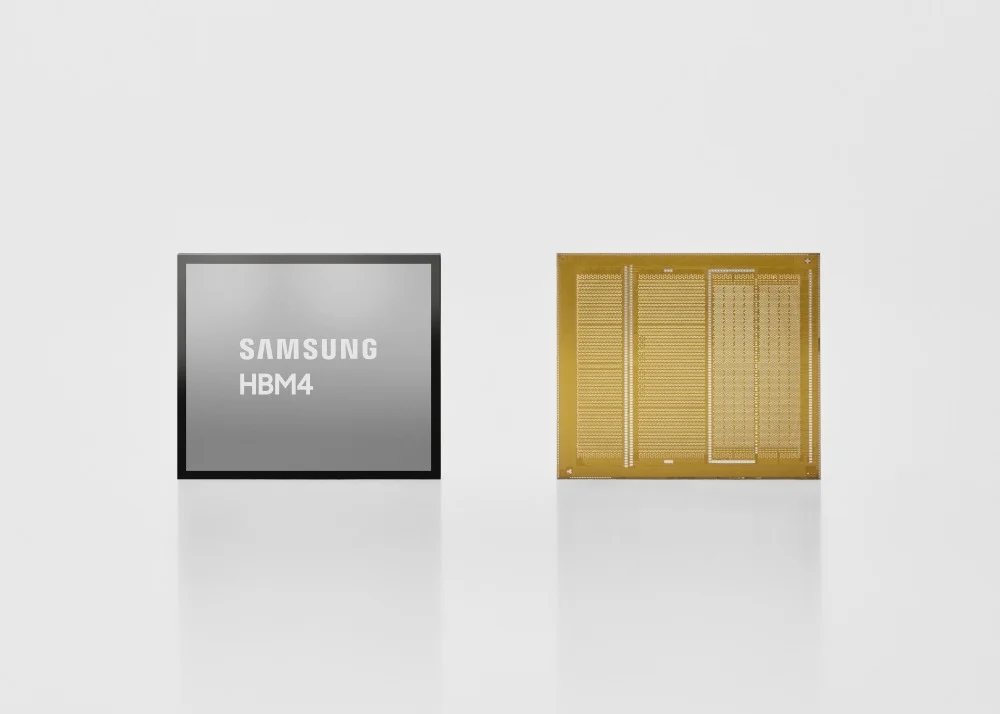
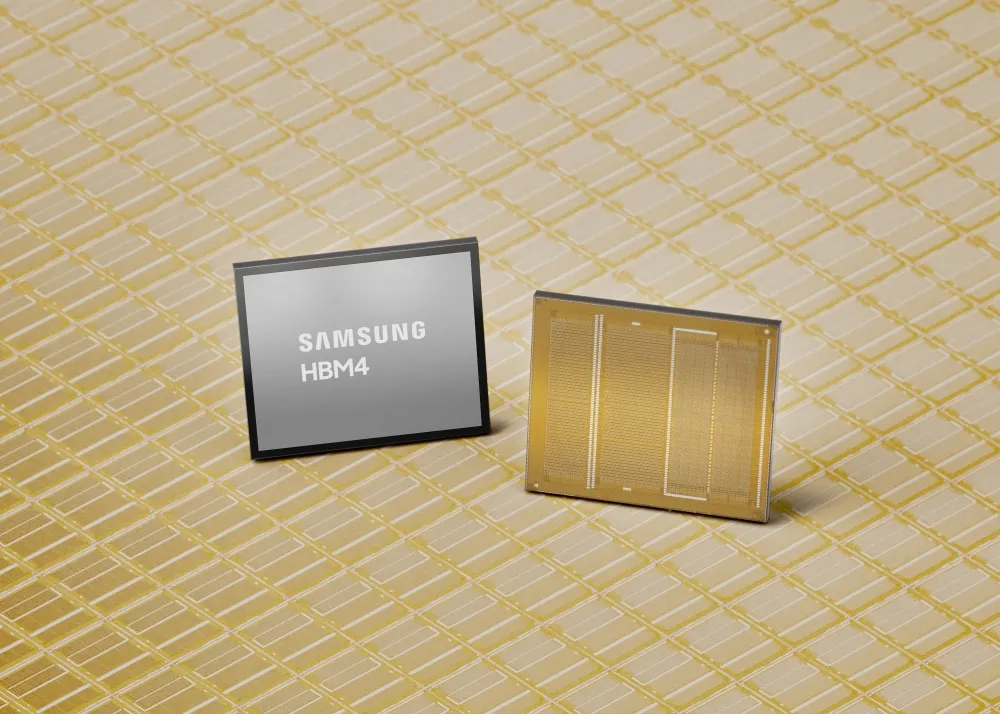
HBM is the stacked memory that feeds AI accelerators, and it is the reason the whole market is bent out of shape. Samsung said in February that it had begun mass production of HBM4 and shipped commercial units, with a pin speed of 11.7Gbps, up to 3.3 terabytes per second of bandwidth per stack and 12 layer stacks in capacities from 24GB to 36GB. Those are data center parts that will never land in a consumer graphics card slot. My reading is that every wafer committed to HBM and to five year big tech contracts is a wafer that does not become a DDR5 kit for your motherboard. KB also expects HBM4 to grow from 40 percent of Samsung's HBM revenue this year to 80 percent next year, so the shift toward the expensive stuff is speeding up, not slowing down.
What It Means for Your Next Build
PC Gamer's advice is to avoid panic buying, but the same piece says prices look set to get worse in the near term before they get better. A double digit DRAM increase in early 2027 lands right when people shop for new builds after the holidays, which is the worst possible timing for a hobby that already costs plenty. Memory is also a big line item in any console or handheld, so the maker of one of those devices pays more for RAM and has three options: raise the price, eat the margin or ship less memory. None of those is good news for the person holding the controller. There is one more wrinkle: KB argues the recent 19 percent drop in Samsung's share price came from weak sentiment around AI spending and macro uncertainty, not from weaker earnings, and calls 2027 earnings growth virtually assured. That is a bet that the AI build out stays hot, and gamers are collateral damage if it does.
Community Reaction Is Thin
I went looking for player reaction on X and found very little organic discussion. The posts I saw were outlet shares of the report, plus a few finance accounts arguing about chip supply and AI spending. With fewer than three independent reactions from actual players, I am not going to invent a consensus. What I will say is that nobody I found was surprised, which tells you how normal bad RAM news has become.
The CriticalPixel Take
Gaming used to be the customer memory makers fought over, and now it is the leftover bin. When 70 percent of commodity output is promised to big tech on five year terms before 2027 even starts, a consumer buying one 32GB kit is a rounding error with a credit card. That is the part that stings: nobody in this chain is making a decision about gamers, they just are not the priority. If you need RAM or a new GPU for a specific game, buy when you need it and stop waiting for a discount that the contracts say is not coming. If you can live with what you have, sit tight, because panic buying into a spike is how you overpay twice.
Keep the caveats in view. This is an analyst estimate relayed through a news agency, Samsung has not been quoted confirming the 80 percent figure in anything I opened, and contract math can shift if AI spending cools. But the direction is consistent across every source I read: tight supply, rising prices and big buyers first in line. We will keep watching for real numbers when Samsung reports and when retail RAM prices move in January.
Sources
PC Gamer: 80% of Samsung's data center memory is already sold for 2027
Yonhap News: KB Securities on Samsung 2027 earnings and long term memory supply
Samsung Newsroom: Samsung ships industry-first commercial HBM4