Saudi PIF's $55 Billion EA Takeover Is Reportedly Set for Unconditional EU Clearance
By CriticalPixel ·
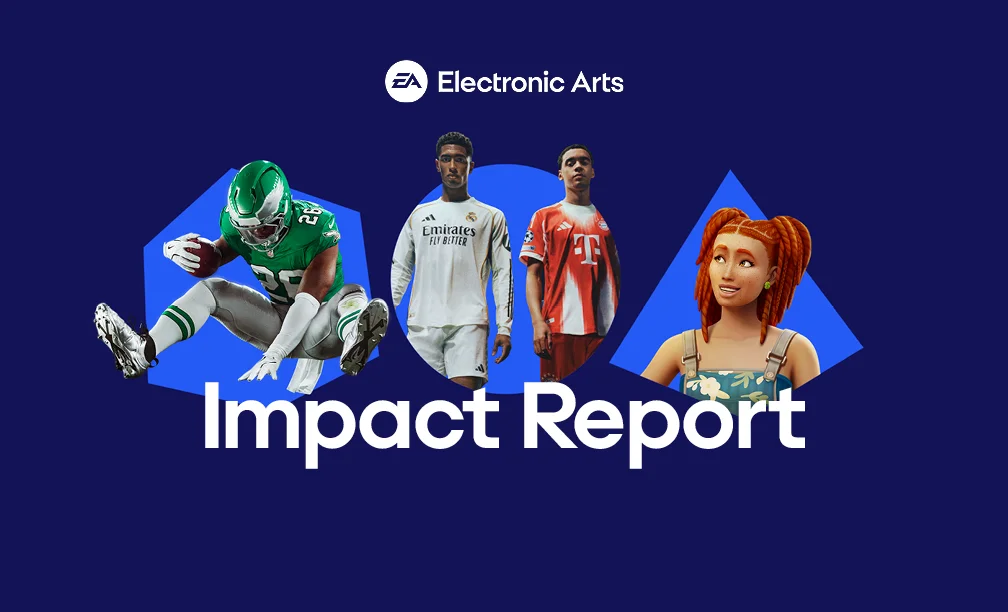
Electronic Arts is one major regulatory step closer to becoming a private company controlled by a Saudi-led investor group. Reuters reported on July 17 that Saudi Arabia's Public Investment Fund, Silver Lake, and Affinity Partners are expected to receive unconditional European Union clearance for their $55 billion takeover. The report says the European Commission is set to finish its preliminary review under the Foreign Subsidies Regulation on July 22, with clearance expected on July 30. That is not the final closing announcement, but it removes a serious potential obstacle from one of the largest deals gaming has ever seen. For players, the important question is no longer whether the transaction looks enormous on paper, but what its ownership structure and debt will mean for the studios behind Battlefield, The Sims, Apex Legends, and EA Sports FC.

What the EU is reportedly preparing to approve
The new reporting comes from Reuters sources familiar with the review, and GameSpot separately summarized the expected timeline on July 17. According to those reports, the deal is headed for approval under both the EU's merger process and its rules covering foreign subsidies. Those subsidy rules are designed to catch financial support from outside the EU that could distort competition inside the bloc. The reported result is unconditional clearance, which means the investors would not need to offer remedies such as asset sales or operating restrictions to secure approval. Neither the European Commission nor EA had published a final clearance decision at the time of writing, so July 30 remains an expected date rather than a completed milestone.
EA announced the original agreement on September 29, 2025, through its official investor relations site. The company valued the all-cash transaction at roughly $55 billion and said the consortium would acquire 100 percent of EA, while PIF would roll over its existing 9.9 percent stake. Shareholders are set to receive $210 per share in cash, a 25 percent premium over EA's unaffected closing price of $168.32 on September 25, 2025. EA called it the largest all-cash sponsor take-private investment in history. GameSpot places it behind only Microsoft's $75.4 billion Activision Blizzard purchase among gaming acquisitions, which makes the lack of major EU conditions especially notable.
The $20 billion debt load is the number players should remember
The headline valuation is not the only huge number attached to this buyout. EA's announcement says the transaction will use about $36 billion in equity and $20 billion in debt financing committed by JPMorgan Chase, with $18 billion of that debt expected to be funded when the deal closes. Debt does not automatically translate into layoffs, price hikes, or cancelled games, and none of those outcomes was announced in the EU report. It does create pressure, because interest payments and return targets do not disappear when a publisher leaves the stock market. Any promise that private ownership will let EA move faster has to be weighed against the cost of carrying a debt package larger than the annual revenue of most game companies.
EA says its leadership and headquarters will stay in place
The official agreement says EA will remain headquartered in Redwood City, California, and Andrew Wilson will continue as chief executive after the transaction closes. EA also said in its 2025 release that the consortium's capital and connections across gaming, sports, and entertainment could help the company expand. PIF described gaming and esports as priority sectors, while Silver Lake promised heavy investment in EA's growth. Those statements are standard deal language, and players should judge the owners by what happens to teams, release schedules, and monetization after closing. Keeping the same CEO does provide continuity, but it also means the people who built EA's current strategy will still be running it.
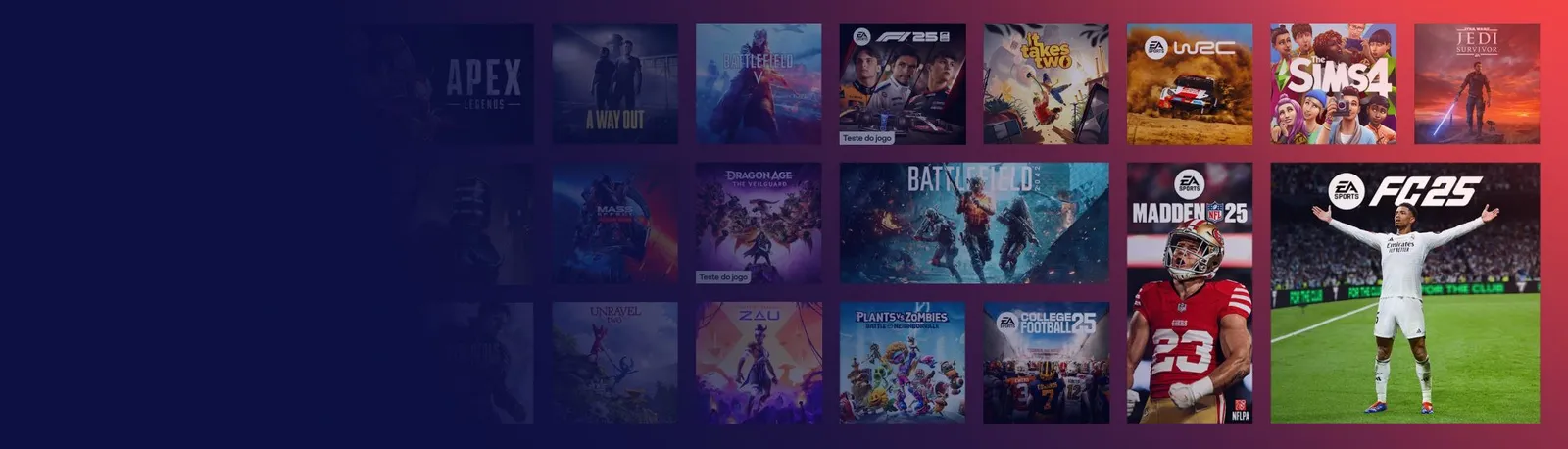
The portfolio on the table is massive. EA's own corporate materials list EA Sports FC, Battlefield, Apex Legends, The Sims, Madden NFL, College Football, Need for Speed, Dragon Age, Titanfall, Plants vs. Zombies, and F1 among its major brands. These games span annual sports releases, live-service shooters, simulation, racing, and single-player role-playing games across console, PC, and mobile. A shift in ownership at this scale can affect licensing deals, studio budgets, platform strategy, subscriptions, and how long underperforming projects are allowed to survive. That does not mean every franchise will suddenly change direction, but it makes the deal far more than a stock-market story.
Early player reaction is limited, not a clear consensus
Public reaction during the first few hours was limited. The X posts we reviewed from GameSpot, Reuters reporter Foo Yun Chee, The Cradle, and several finance-focused accounts mostly repeated the expected approval rather than debating specific consequences for games. GameSpot's post had only a small number of replies, and the Reuters reporter's post had little visible discussion. That is not enough independent reaction to call the mood positive, negative, or mixed with confidence. The louder argument will likely arrive if the Commission publishes its decision and EA explains what closing changes for employees, studios, and players.
CriticalPixel's take
Regulatory clearance does not make this a good deal for players. It only means the reported structure passes the EU's competition and subsidy checks without extra conditions. The consortium is paying a premium for EA, and $20 billion in debt gives the new owners a powerful reason to chase reliable cash flow. EA already knows how to squeeze annual releases and live services, so the risk is that private ownership rewards the safest franchises while making patient, expensive development harder to defend. The fair counterpoint is that deep-pocketed owners could fund larger bets without the quarterly pressure of public markets, but that case needs to be proven with shipped games and protected teams, not investor quotes.
The cleanest test will be what happens after the transaction closes. Watch whether EA keeps creative teams intact, gives struggling projects time to improve, and resists stuffing more paid systems into games that already cost full price. Also watch whether the company uses private ownership to revive dormant series or simply doubles down on sports, Battlefield, and other predictable earners. The debt package makes cost discipline unavoidable, but players should reject any attempt to frame aggressive cuts as a creative reset. If ownership wants trust, it can earn it by funding good games, keeping experienced developers employed, and being specific about where the promised investment is going.
What happens next
The next public checkpoint is the European Commission's expected review timeline, with July 22 and July 30 identified in the Reuters report. EA's original agreement also required regulatory approvals and shareholder approval before the transaction could close. Once completed, EA's common stock is expected to leave public markets, while the company keeps its California headquarters and current chief executive. Until the Commission publishes a decision, the accurate wording is that EU clearance is expected, not confirmed. If the report holds, the ownership fight will be mostly over and the harder scrutiny will shift to how PIF, Silver Lake, and Affinity Partners actually run one of gaming's biggest publishers.