Shinji Mikami Wants AI Gone While Shift Up's CEO Says Games Can't Ship Without It
By CriticalPixel ·
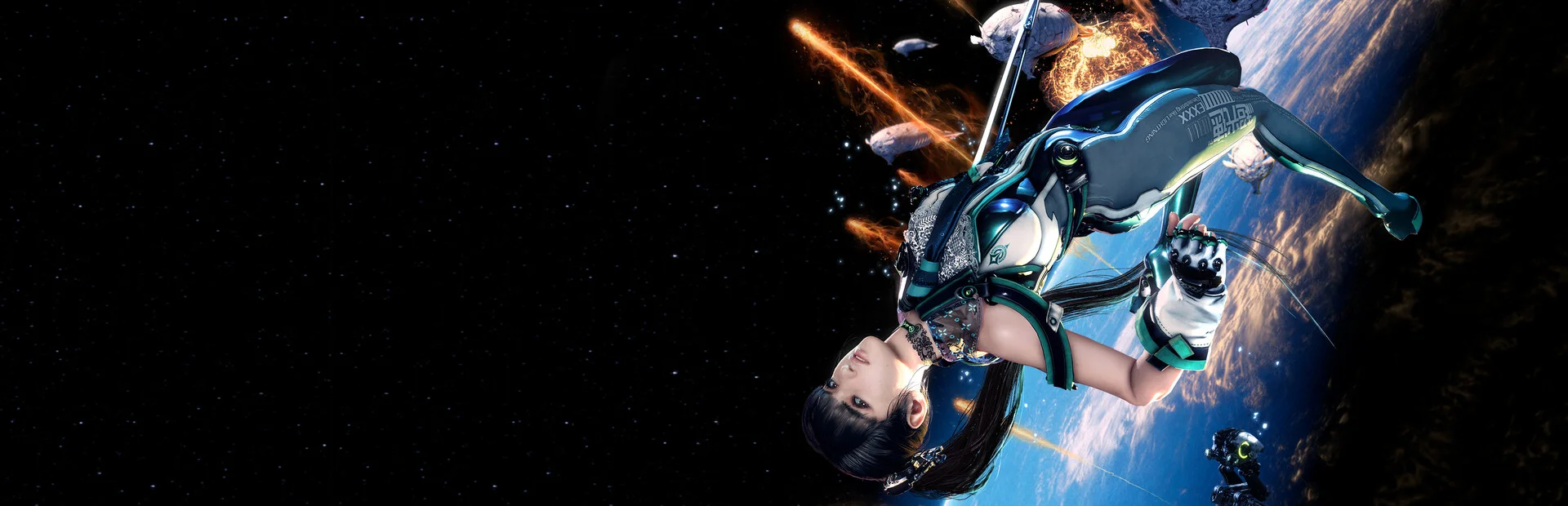
Shinji Mikami spent a career teaching players to fear what waits around the corner. At G-CON 2026 he aimed that instinct at generative AI, telling the stage he sometimes wishes the technology would "vanish entirely," from games and from the world. Beside him sat Kim Hyung-tae, the Shift Up CEO whose company now owns and publishes Mikami's studio, and he said the opposite without blinking: game development without AI is no longer feasible. Two of the sharpest design brains in action games, one panel, and a split that says more about where this industry sits in late 2026 than any press release.
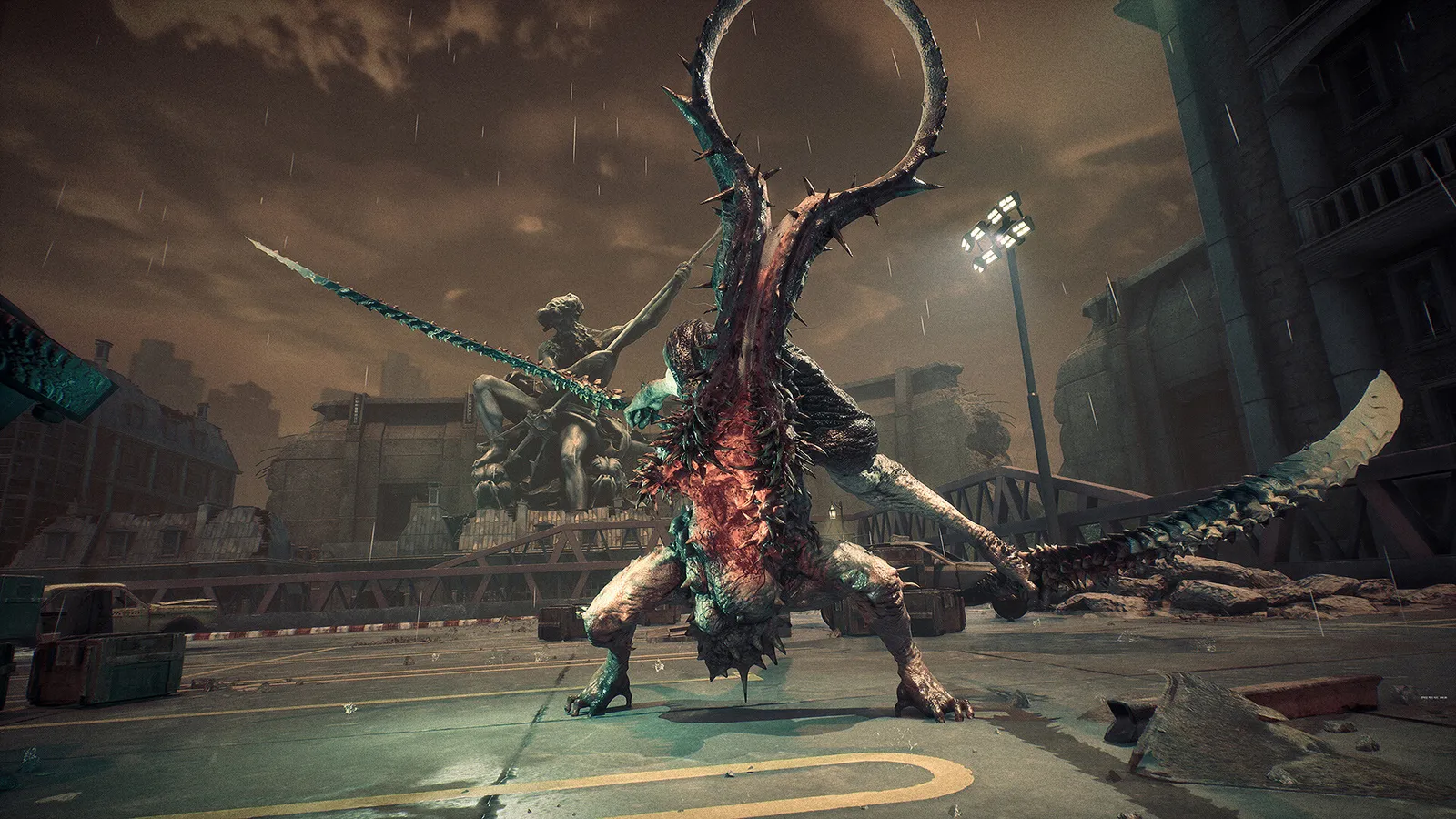
What Mikami actually does with AI
The quote is louder than the workflow. Mikami is not banning anything at Unbound. According to Inven Global's write-up of the panel, he draws characters in 2D first, then runs an AI pass to preview how the design reads in 3D, a check that takes about 20 minutes. Before that shortcut existed, modelers could burn close to a month on a model that clashed with the concept art and got scrapped. That is his case: AI as a way to fail faster and cheaper, not to author. Core design work at the studio stays with people, and he is candid that most of what players remember from his games came from decisions made by hand.
He is not optimistic about the rest of it. Mikami framed the next five to ten years as an uncertain stretch for studios and said there is a real possibility that developers lose jobs to these tools. Coming from the man who built Resident Evil's dread out of ammo counts, ink ribbons and cutscene timing, that lands harder than a publisher hedging on an earnings call. He also admitted he is not sure the classic ink ribbon save system was a good idea, which is a useful reminder that this is a designer who audits his own work instead of defending it.
Kim's argument is colder and more practical
Kim's position, as reported by Kotaku and Automaton, is that the pipeline already runs on AI whether studios admit it or not. Programming, QA, code review, debugging: he says avoiding the tech completely is close to impossible now. Shift Up's answer is a rule instead of a ban, "handmade from start to finish," which puts humans at the start and the end and shoves AI into the middle. Lighting variation tests, texture weathering, retopology to cut polygon counts, photoreal concept drafts that artists then redraw and re-render. Human hands open the project and close it, and the argument is that this is what creates the gap between a Shift Up game and a store page full of generated slop.
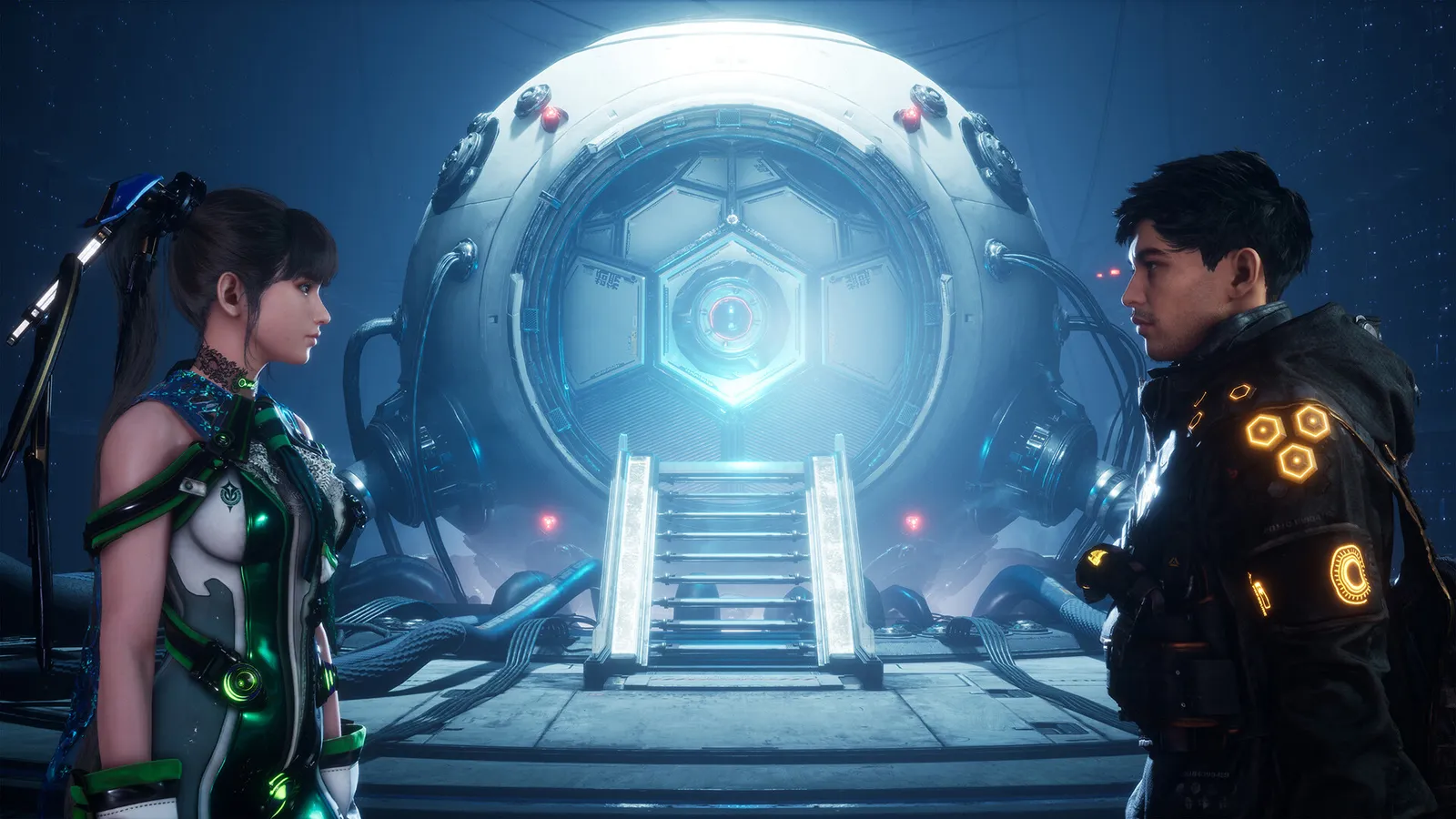
That policy exists because the studio stepped in it. On July 21 Shift Up published a fully AI-generated music video for Stellar Blade: Blood Rain, and the response was bad enough that Kim now describes it as a lesson in how much the human touch matters to players. Kotaku notes the company has since adopted the handmade phrase as internal policy. The part he did not walk back is the tool itself. AI stays in the pipeline, just never at the beginning, and that distinction is doing a lot of work for a studio that has already shown what happens when it gets the ratio wrong.
Where the ownership sits
Context makes the disagreement sharper. Shift Up fully acquired Unbound on April 1, 2026, taking on publishing and global support for Mikami's titles, per Automaton's report on the deal. Unbound has been building an original project described as AAA quality at AA volume, with smaller experimental PC and console games running in parallel. So this is not two rivals sniping at a conference. It is a publisher and the director it owns, disagreeing in public about the tools their shared games will ship with, which turns Kim's handmade line into a promise he has to keep with Mikami sitting next to him.
The slop argument
Kim's sharpest point was about incentives. He pushed back on efficiency and productivity as goals, arguing that players do not love a game because it was made quickly. In his telling, AI is there to push quality past the limits a normal budget allows, not to raise output, and he expects the flood of cheap generated games on storefronts to get wiped out by the market itself. He also warned that AI has a recognizable authorship, one that makes everything look like it came from the same person. Story writing is off the table entirely at Shift Up, which is the single most reassuring sentence to come out of the panel.
How it landed
Reaction is limited so far. The story is moving through enthusiast outlets instead of blowing up timelines, and Kotaku's post on it pulled modest engagement compared with anything GTA 6 related this week. What discussion exists splits the way the panel did: developers who see the tool as survival in a market where budgets outrun sales, and players who read AI assisted and assume the worst about the finished product. Nobody on either side has a clean answer for that gap, and the panel did not pretend to have one.
CriticalPixel take
Kim is right about the pipeline and wrong to phrase it like a law of nature. No longer feasible is what studios say after they have already decided, and the Blood Rain video proved players will punish the visible version of that decision fast. Mikami's read is the more honest one: use the shortcut to test ideas, keep the authorship human, and admit the job anxiety instead of dressing it up as innovation. A publisher that owns the studio saying both things on the same stage is the most transparent look at AAA economics we have had this month.
If Shift Up wants handmade to mean anything, the next Blood Rain style reveal is the test. Ship a trailer where the human work is obvious on screen and the argument dies. Ship another generated one and no panel quote will save it.
Sources
Kotaku: Resident Evil creator wishes AI would vanish entirely
Inven Global: Kim Hyung-tae and Shinji Mikami on game design and AI
Automaton: Mikami and Kim share differing views on AI