Skyrim Finally Has an MMO, and It Is a Fan Mod With a 1,000 Player Cap and Lootable Corpses
By CriticalPixel ·
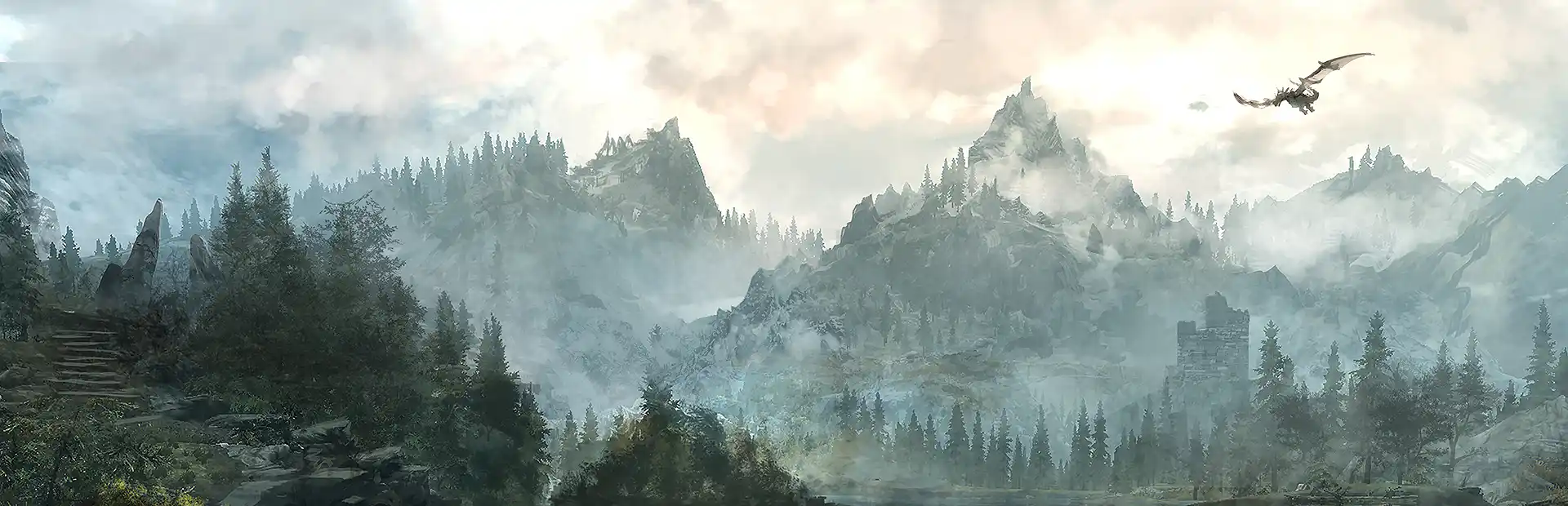
Skyrim is fourteen years old and still refuses to die, so a group of modders has handed it the one thing Bethesda never did: other people. Aurbis is a custom multiplayer client for Skyrim Special Edition that runs one shared province, one world clock and a hard cap of 1,000 players. Nobody is loading into a lobby. You are loading into a world where your corpse stays on the ground for sixty seconds and anyone standing nearby can take what you were carrying. The beta is live, it is invite only, and the access code is published on the project's own website.
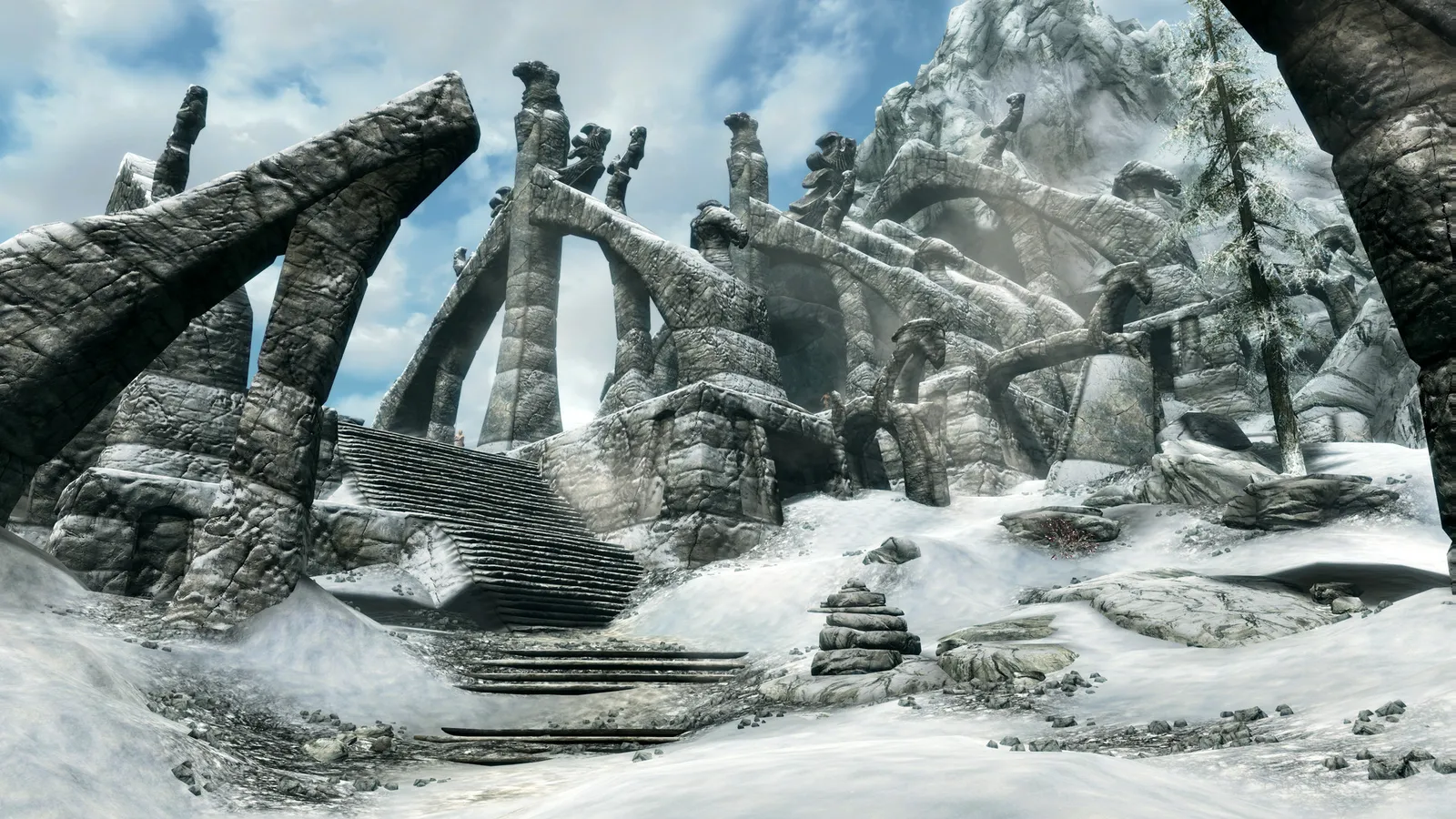
The feature list reads like a design doc for a game that cost $200 million. Characters start weak and grow through Birthsigns you physically walk to and touch at standing stones. Crafting feeds a player economy with bank accounts, property ownership and quests written by other players. Combat is tuned so that preparation and teamwork matter more than gear score. Death sends you to the Halls of the Dead or a temple sanctuary if you were blessed, and the server runs a single Tamrielic calendar that started at Morndas, the 17th of Last Seed, 4E 201. PC Gamer put it plainly this week: this is a Skyrim MMO in all but name.
One Province, One Clock
The social layer is where the project stops being a mod and starts being a small country. There are ten tongues, and you cannot follow a conversation until your character has learned enough of the language it is held in. Books and letters are physical items written at a desk and read through your own literacy. Players draw and sell maps because nobody is born knowing the shape of the province. Cohorts form from the ground up as clans, houses, warbands, guilds and cults, then petition for recognition, and the High Kingship is contested at a Moot instead of handed out by admins. The project's own site lays out more than ten canonical Skyrim factions and all nine Jarldom holdings.
Crime has teeth too. Every hold runs its own laws and its own guards, bounties follow you across the map, and locks are physical objects with keys that can be copied or forged. Horses need managing. Maps are items in your bag. Even the shared clock is a design statement: the whole province lives on one timeline, and the hearth charm is the only concession to distance. That is a lot of custom systems for a team that describes itself as spread extremely thin, and it is also the reason the mod is interesting instead of just novel.
The Install Is the Gatekeeper
Getting in takes more work than clicking install. You need a legitimate copy of Skyrim Special Edition or Anniversary Edition running the 1.6.1170 runtime, which means downgrading a game that Steam will happily patch forward on its own. From there you copy an invite code, verify it on the beta page, generate a session key that doubles as your account, and let the launcher manage the modlist. The launcher can update, uninstall or temporarily restore vanilla with one button, which matters when a broken modlist usually means an evening of folder archaeology. Each session key holds up to six characters, and losing the key means losing all of them.
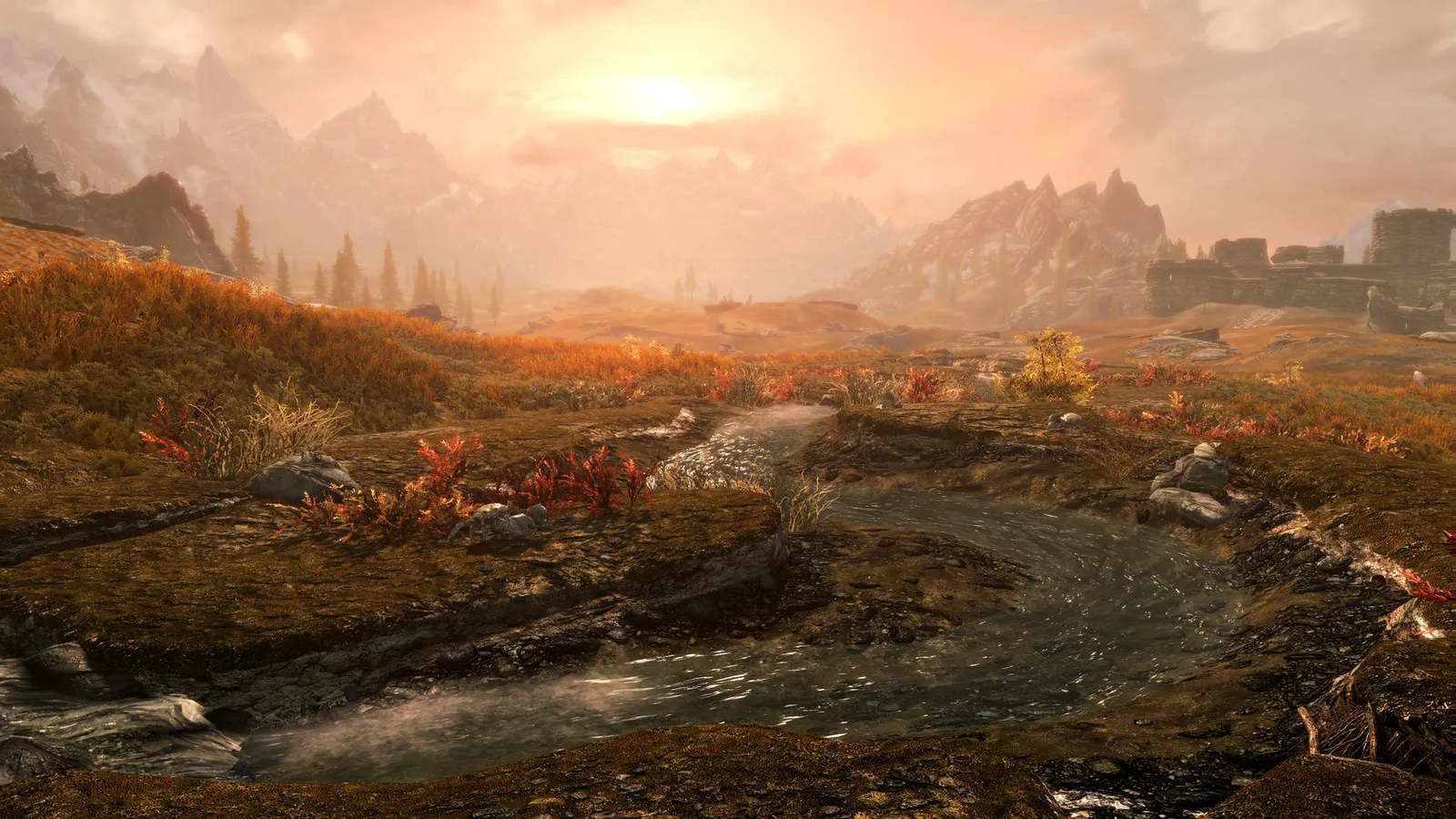
Built Like an Old School MMO
The engineering is the part that deserves attention. A dev update from July describes a custom client built on the SkyrimPlatform TypeScript API with hundreds of custom script nodes, a stack of SKSE plugins and full ESP modules. The team says it spent years studying earlier attempts at syncing Skyrim and built its own synchronization layer for players and the whole province. It also rebuilt the skill tree around a class system inspired by Birthsigns and wired a voice system into the game's audio. At the time of that post the test plan had 82 features waiting for validation, which tells you how much of this is held together by hope, Discord and stubbornness.
A Thousand Slots and Seven Occupants
Reaction so far is limited. A search of X during this run turned up no real conversation about Aurbis, and the server status on the project site showed seven players online out of a 1,000 slot cap. That is not a knock. Mod projects live and die in Discord, and the PC Gamer piece is the first mainstream look most people will get. What matters is whether the world holds up when a few hundred roleplayers are online at once, because the systems described here get ugly fast when nobody is around to run the factions. Seven people is a test. A few hundred is a game.
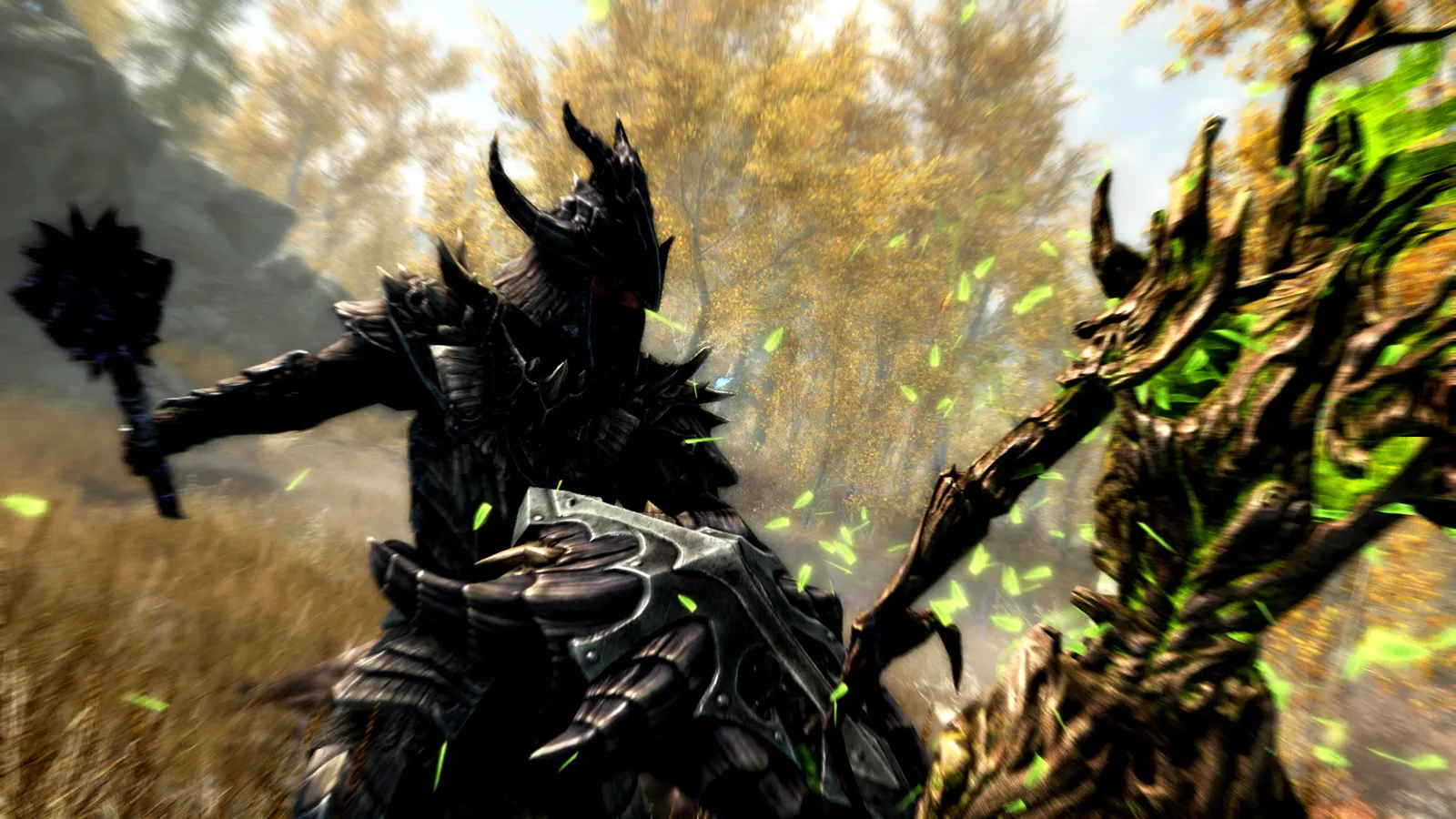
The CriticalPixel Take
Sony and Microsoft keep selling subscriptions for access to servers they control. A volunteer team built a working MMO layer for a 2016 RPG and gave it a public access code. That contrast is embarrassing for the people with actual budgets and it is the whole reason this story is worth your time. The invite-only open beta is also a mess of language: either the doors are open or they are not, and publishing a code while calling it invite only tells you the team is terrified of a stampede. Fine. Be terrified. A 1,000 slot cap on a hand built sync layer is the right call, and I would rather see a small world that works than a big one that rubber bands into a slideshow.
What happens next decides whether Aurbis is a curiosity or a template. The team has promised a whitelist and a premium voice server once the gamemode is closer to release, and both are the point where roleplay servers usually collapse under moderation debt. If the Moot, the languages and the player economy survive contact with a few hundred strangers, Bethesda should be taking notes. If they do not, we still got a reminder that the modding scene will build the game the publisher would not.
Sources
PC Gamer - This massive mod turns Skyrim into a persistent MMO
Aurbis - How to join the server