Sony and Microsoft Tell Courts They Owe You Nothing for the Tariff-Hiked Console You Already Bought
By CriticalPixel ·
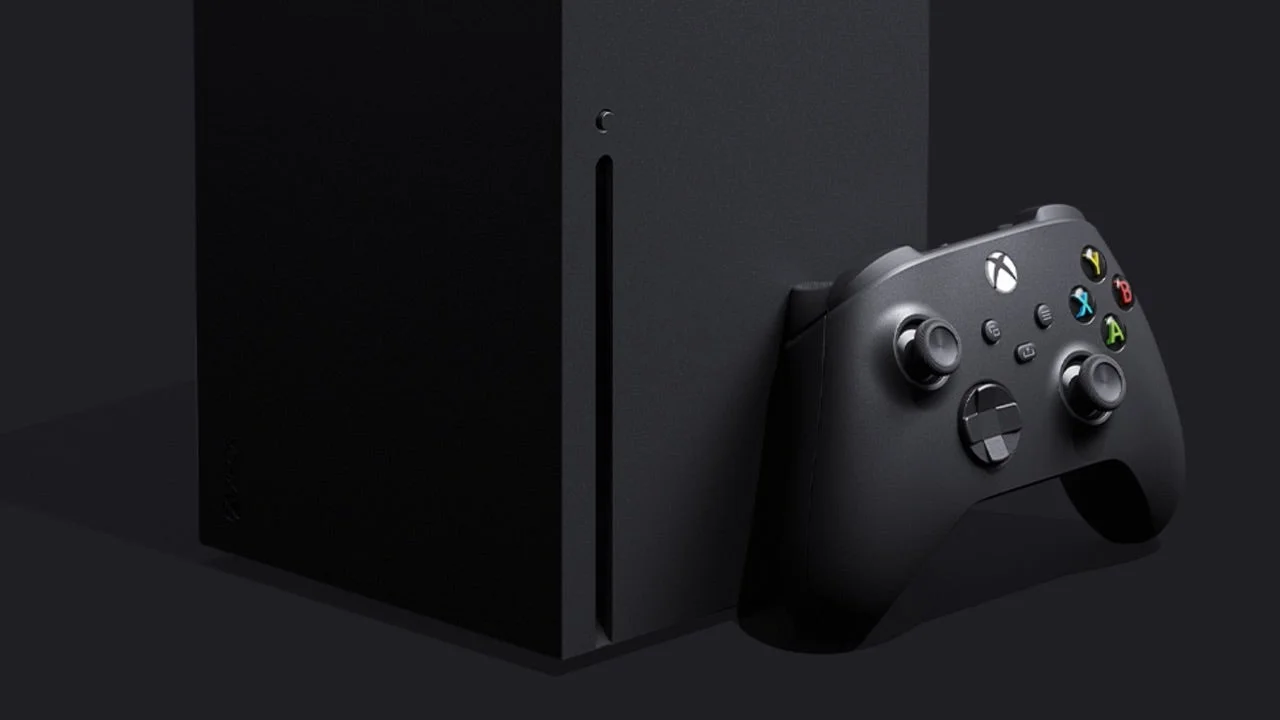
Sony and Microsoft are not planning to hand back a single dollar to the people who paid inflated console prices during the US tariff era. In two separate lawsuits now making their way through the courts, the lawyers for both platform holders have argued, plainly and on the record, that paying the listed price for a PlayStation 5 or an Xbox Series X is not a legal injury. You bought it. You paid what they asked. That, they say, is the end of the conversation.
The fight plays out in California for Sony and in Washington State for Microsoft, but the logic is identical. Game File first reported the filings, and Eurogamer and Kotaku followed up today. The plaintiffs are a California consumer group suing Sony and a single Xbox buyer in Washington suing Microsoft. Both want refunds equal to the tariff premium that was baked into the console prices. Both defendants are asking judges to throw the cases out before they can snowball into a class action.
The Argument Sony and Microsoft Are Running
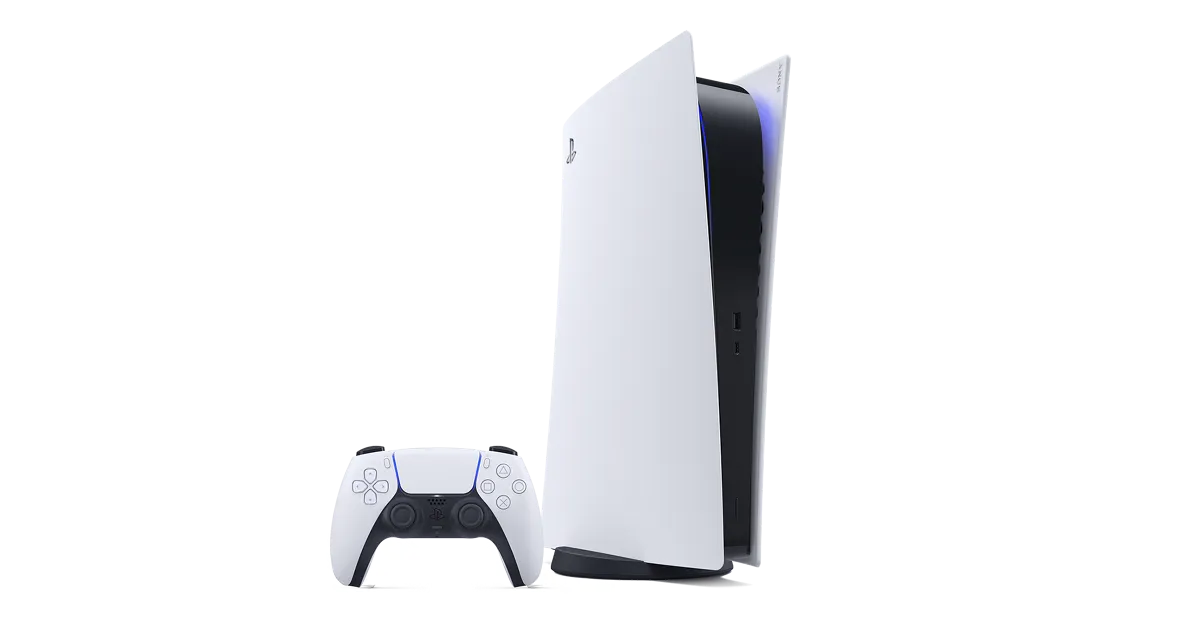
Sony's motion is the cleanest summary of the position. Paying fair market price for voluntarily purchased consumer goods is not a legally cognisable injury, the company's lawyers wrote. Microsoft took the same line and added a second layer. There is nothing unjust, Microsoft argued, about a buyer purchasing an Xbox at an advertised price and getting what he paid for, regardless of whatever theory he later devised about Microsoft's cost structure. Microsoft's lawyers then went further, arguing the plaintiff failed to provide specific allegations that would establish a pricing differential tied to tariffs, or any dollar-for-dollar calculation Microsoft could recreate now.
It is a tidy, aggressive defense. Both companies refused to publicly name tariffs as the reason for raising console prices. Sony blamed a challenging economic environment when it hiked PS5 prices in August 2025. Microsoft pointed at market conditions and the rising cost of development when Xbox prices moved in May of that year. Neither line mentioned tariffs by name. That omission is the reason the consumer argument is hard to prove from the outside.
What the Supreme Court Actually Did
The reason any of this matters is the US Supreme Court ruling earlier this year that the underlying tariffs were illegal. Once those tariffs were struck down, the government became liable to refund the companies that paid them. Sony told investors in July it is expecting 508 million dollars in tariff refunds, with most of that landing inside the PlayStation segment. Microsoft is on the same refund track. Both companies keep every dollar of those government refunds. None of it is required to flow back to the people who actually paid the higher price.
The Double-Recovery Problem
This is the part that is going to make a lot of players angry. The two companies are set to recover the tariff costs from the US government while still keeping the inflated prices they charged. Consumers paid more at the register. Companies will be made whole by the treasury. Tariffs is the only one left holding the bag. That is the double recovery the lawsuits are trying to claw back. Nintendo is fighting the same kind of suit over Switch prices and has run the same legal playbook. So far no judge has ruled in favor of any of the platform holders, but none has ruled in favor of the plaintiffs either.
The counter-argument from the platform side is technical but real. Tariffs are one input into a giant cost stack. Console pricing reflects labor, logistics, exchange rates, retail margins, software royalties, and a hundred other factors. Microsoft explicitly says it cannot reconstruct which dollar of its price came from tariffs and which came from anything else. Even if a court wanted to order a refund, Microsoft argues, it has no clean formula to apply.
Some Companies Are Actually Doing the Right Thing
Not everyone is dodging. Playdate maker Panic announced that anyone who bought its handheld console while the tariffs were in effect will get the difference refunded. PC cooling company Arctic promised the same and cut its prices for a limited window. Two small hardware makers in the gaming space ate the refund and passed it down. None of them are trillion-dollar platform holders, but they are also not in court fighting their own customers.
That contrast is what the plaintiffs are leaning on hardest. The platform holders can afford lawyers who will argue pricing theory for years. The consumers in these suits bought a PS5 at the sticker price and never expected to be in a courtroom at all. Tariffs is the loud, structural outrage, but the legal question is whether paying the listed price of a luxury electronics item can ever count as a legal harm.
CriticalPixel Take
The argument that no one was harmed because everyone paid what was asked is technically true and morally bankrupt. Sony and Microsoft knew the tariff was the trigger for the price hike and chose to keep the cash both ways. Smaller hardware makers showed the refund path is doable. The platform holders are betting that judges will treat console buyers like sophisticated shoppers who consented to whatever number was on the tag. That bet might win. The PR is still a disaster either way.