Sony Is Ending Physical Disc Production for New PlayStation Games in January 2028
By CriticalPixel ·
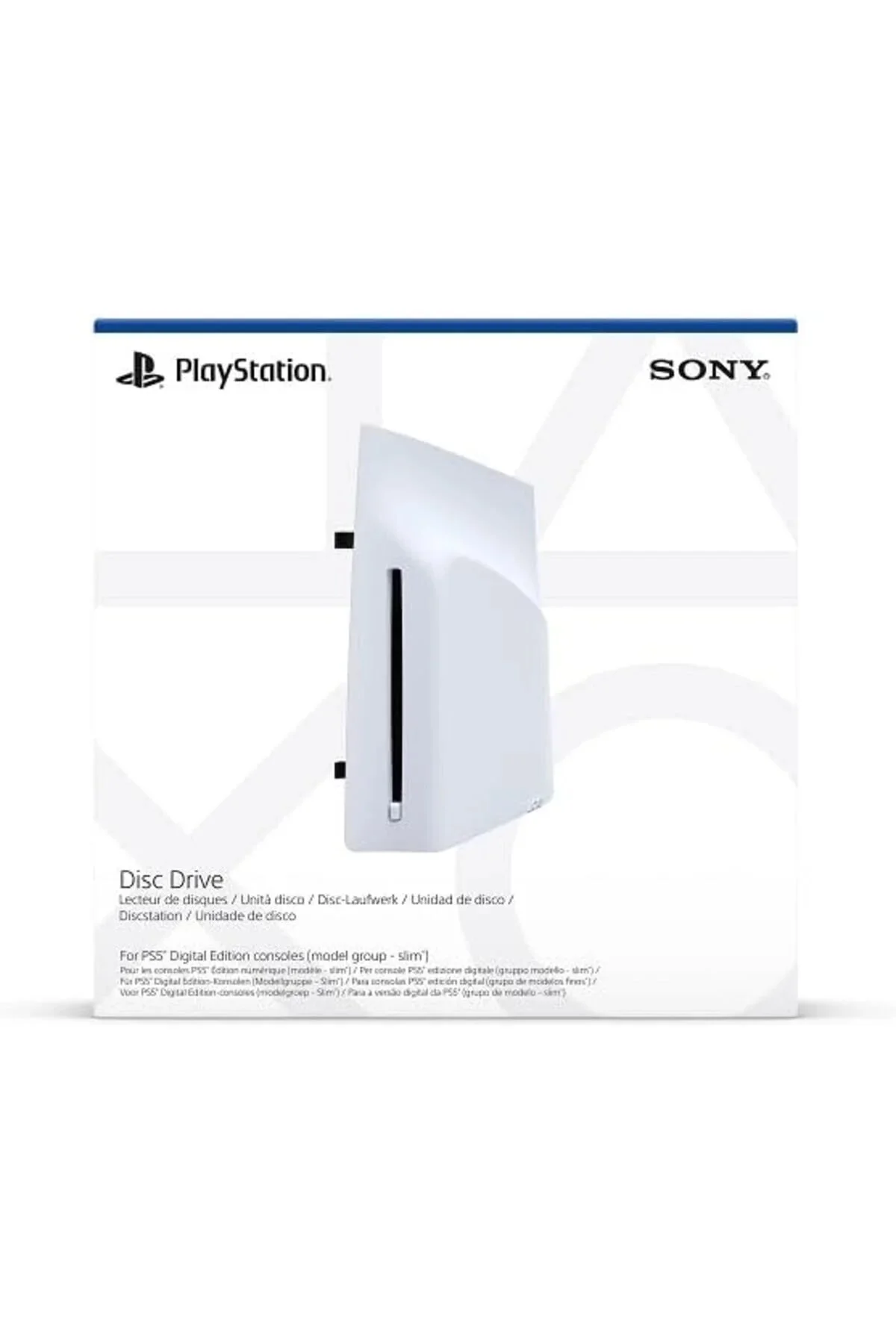
Sony dropped the announcement on July 1, 2026 with the casual confidence of someone who knows the backlash is coming and has already prepared a blog post. Physical disc production for all new PlayStation games ends in January 2028. Sid Shuman, Senior Director of Content Communications at Sony Interactive Entertainment, framed it as a response to shifting consumer preferences on the official PlayStation Blog. That framing does a lot of heavy lifting for a decision that removes something buyers cannot get back.
After January 2028, any new game releasing on a PlayStation console will only be available in digital formats, either through the PlayStation Store or via retailers selling digital codes. Games already released or scheduled to ship before that cutoff are not affected. So if you own physical copies of games releasing in 2025, 2026, or 2027, those discs are not going anywhere. But anything slated for a February 2028 launch or later? Digital only, full stop. No disc. No box with a disc in it. A box with a download code, at best.
What This Actually Means at Retail
Retailers can still sell new PlayStation games after January 2028. They just cannot sell them on physical media. Shelf space at GameStop, Best Buy, and similar stores shifts entirely to boxed digital codes or vouchers. The cardboard packaging stays; the disc disappears. For buyers who shop physically for the convenience of the checkout line rather than genuine disc preference, that shift is not much of a disruption. For collectors, resellers, and anyone who relies on used game markets or lending physical copies to a friend, it is a different calculation entirely. The used game market for PlayStation software effectively ends once the last disc-based game ships.
Sony Dropped Two Announcements on the Same Day
The physical disc news did not arrive alone. On the same day, Sony confirmed that the PlayStation Store on PS3 and PS Vita is beginning a phased closure starting in August 2026, rolling out first in Mexico, Honduras, and Nicaragua, with additional Latin American and Middle Eastern countries following later in the year. There is no announced global shutdown date, but the direction is clear. Legacy platforms and physical media are being wound down in parallel, and Sony is presenting both decisions as natural evolutions rather than losses for players who still use these systems.
The Community Reaction Was Not Subtle
The official @PlayStation tweet linking to both announcements collected 13 million likes and 9 million replies within hours of posting. That ratio is telling. The most consistent concerns across the replies centered on four things: game preservation, the difference between owning a product and holding a license, the used game market shutting down entirely, and the practical reality that a disc still plays 20 years later without a server or a storefront in the loop. The argument that most consumers prefer digital is probably accurate as an aggregate. But the people still buying physical media are precisely the ones most skeptical of digital-only ownership, and this announcement removes their option permanently rather than letting it fade out on its own.
Wario64 posted the news with a direct link to the PlayStation Blog, and the tweet hit 12 million likes with hundreds of thousands of replies. Eurogamer, IGN, and virtually every gaming outlet confirmed the story from the official source. This is not a leak or a rumor. Sony published this on a Tuesday morning and the internet noticed immediately.
Why Sony Is Doing This and What They Gain
Sony profits more from digital sales. The math is not complicated. Eliminating disc production cuts manufacturing costs, removes returns, kills the used game market entirely, and pushes every transaction through a distribution channel Sony controls directly. Physical media creates price competition. When a disc drops to half price on the used market a month after launch, Sony and the publisher see none of that money. Digital-only means every copy sold is a new sale. Retailers can still participate through digital code distribution, but the margin structure on those arrangements favors publishers significantly more than physical disc distribution ever did.
The timing also connects to PS6 speculation. In June 2026, PlayStation CEO Hideaki Nishino stated that the PS6 will not be sold at significant losses. A console designed around a digital-only software ecosystem is simpler to engineer and price if disc hardware is no longer a required consideration for the platform. The PS5 Digital Edition already outsells the disc version in several regions. January 2028 as the production cutoff gives publishers roughly 18 months from today to ship any final physical releases before the format closes permanently.
The Preservation Problem
Digital-only ecosystems depend on storefronts staying online and publishers maintaining active licenses. The PS3 and PS Vita store closure announced the same day is a live illustration of what happens when Sony decides a platform is no longer worth supporting. Anything bought digitally on PS Vita in 2014 requires that store to function for redownloads. Once the store closes, those licenses become increasingly difficult to exercise. Physical media, for all its scratches and storage requirements, still plays on a 2006 disc drive in 2026 without a server in the loop. That is not a trivial advantage, and the gaming preservation community has been documenting exactly this problem for years.
Sony's framing of this as "aligning with how most of our community prefers to access and play games" is probably accurate in aggregate. But it removes a concrete option from a minority of buyers for reasons Sony cannot replicate digitally. No resale value. No lending. No offline ownership that survives a server shutdown or a business decision five years from now. The preference data Sony is citing reflects how people buy games today, not how they want to own them long-term.
Where This Leaves Everyone
Sony is not doing anything unusual for a major corporation optimizing revenue per unit sold. The physical disc market has been shrinking for a decade and the trajectory was never reversing. But announcing a permanent format change in a Tuesday morning blog post, sandwiched with a PS3 store closure, treats a generational shift in how games are sold and owned as routine housekeeping. Physical media gave buyers something concrete: a product they owned outright, that held resale value, that could be transferred or lent. What replaces it is a license agreement most players have not read. January 2028 is the deadline. After that, every new PlayStation game belongs to Sony's servers as much as it belongs to the person who paid for it.
If your backlog includes physical releases you have been waiting on, the window is now visible and closing. Publishers with games planned for early 2028 will need to commit to physical print runs soon or miss the format entirely. And if Sony's move influences Microsoft and Nintendo to follow, the industry transition will be complete before the next console generation is even underway.