Sony Reveals PlayStation Portal Player With Internal Storage and Drops Remote From Its Name in Japan
By CriticalPixel ·
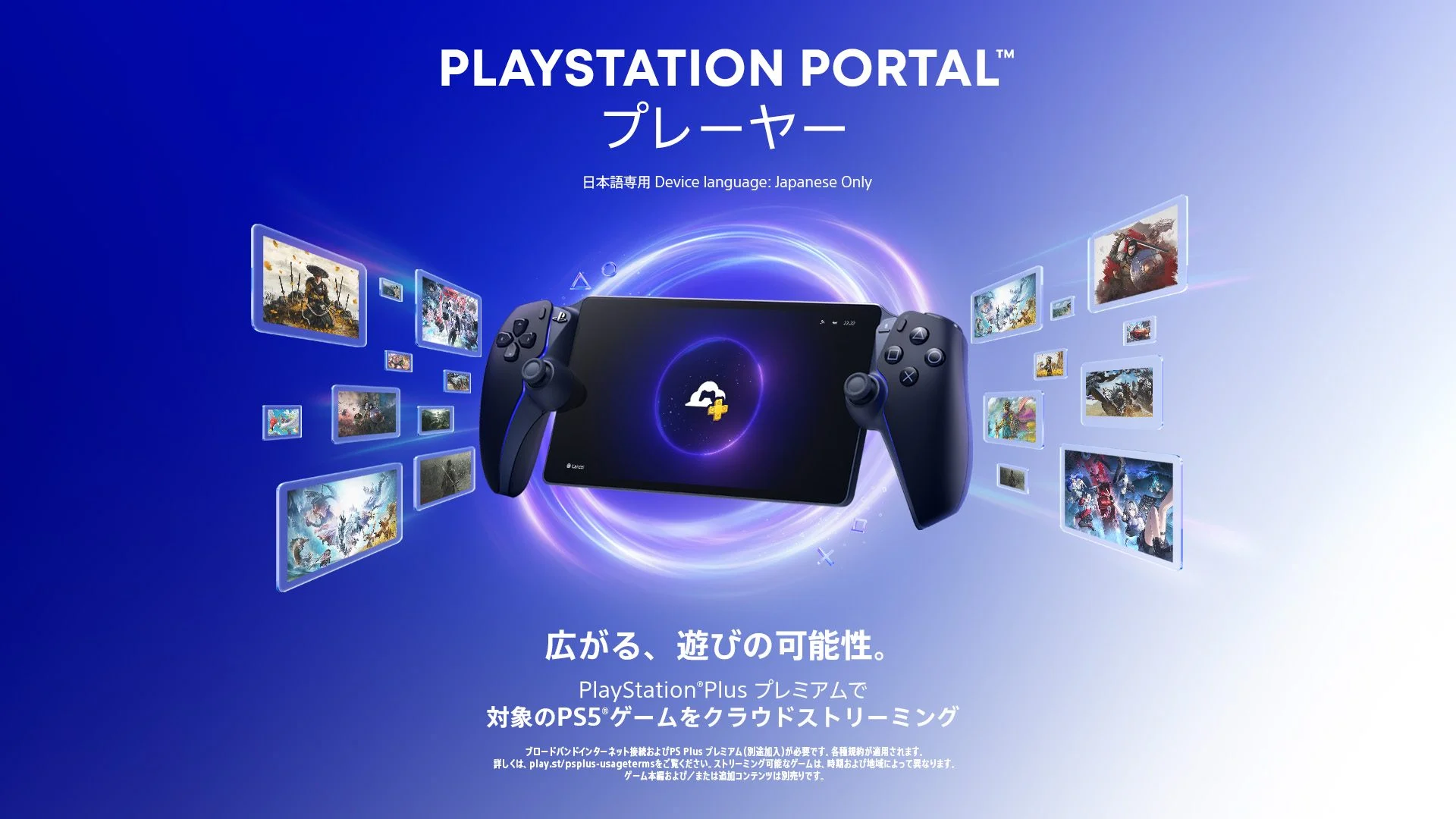
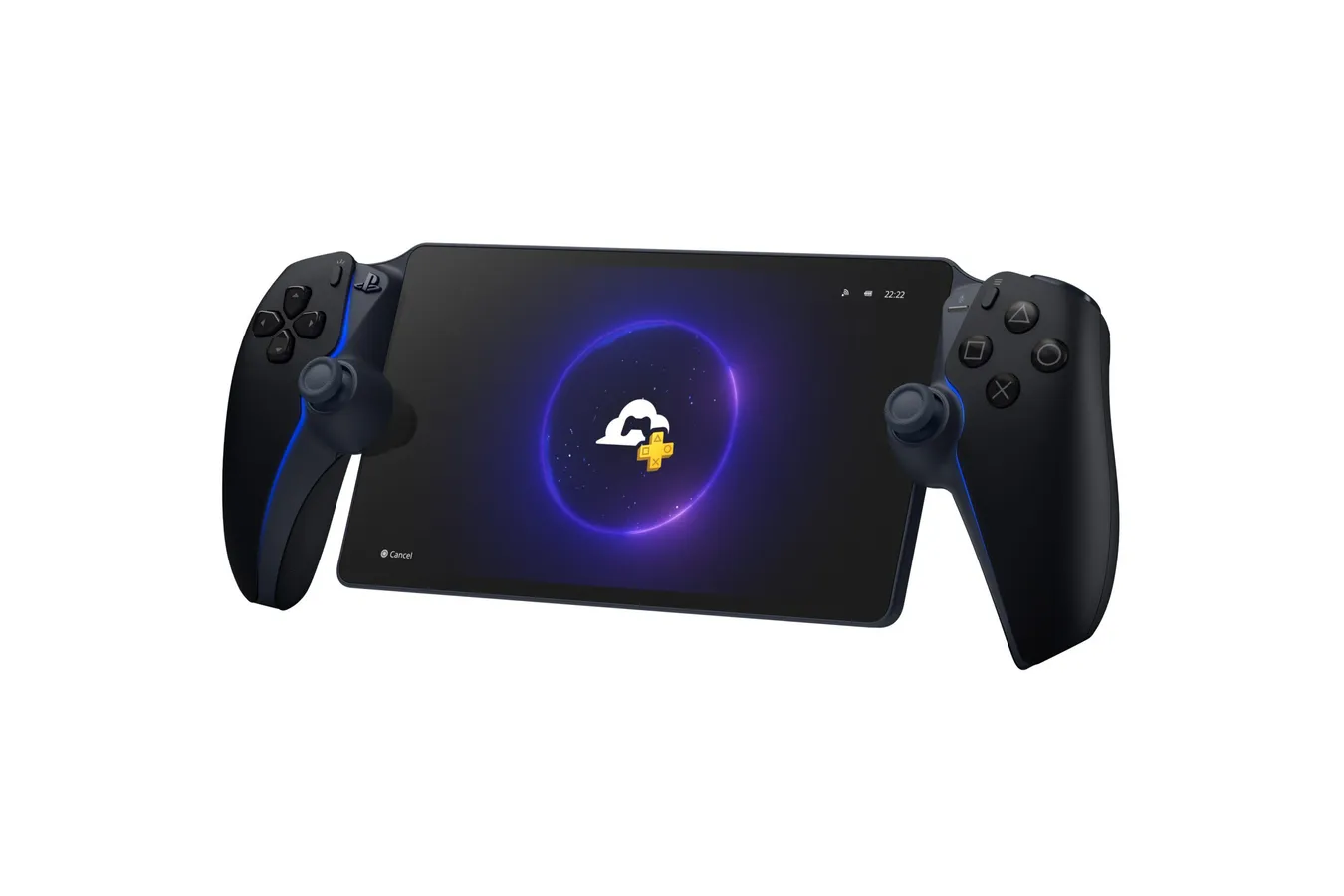
When Sony originally shipped the PlayStation Portal back in late 2023, critics dismissed it as a glorified streaming tablet welded between two halves of a DualSense controller. It did not have local storage, could not boot games on its own hardware, and required a robust home network or stable cloud connection to do anything useful. That narrow definition just got shredded in Tokyo. Sony Interactive Entertainment surprised the hardware community by unveiling a revised model in Japan that packs physical onboard storage under the hood, slaps on a Midnight Black finish, and quietly deletes a crucial word from the branding.
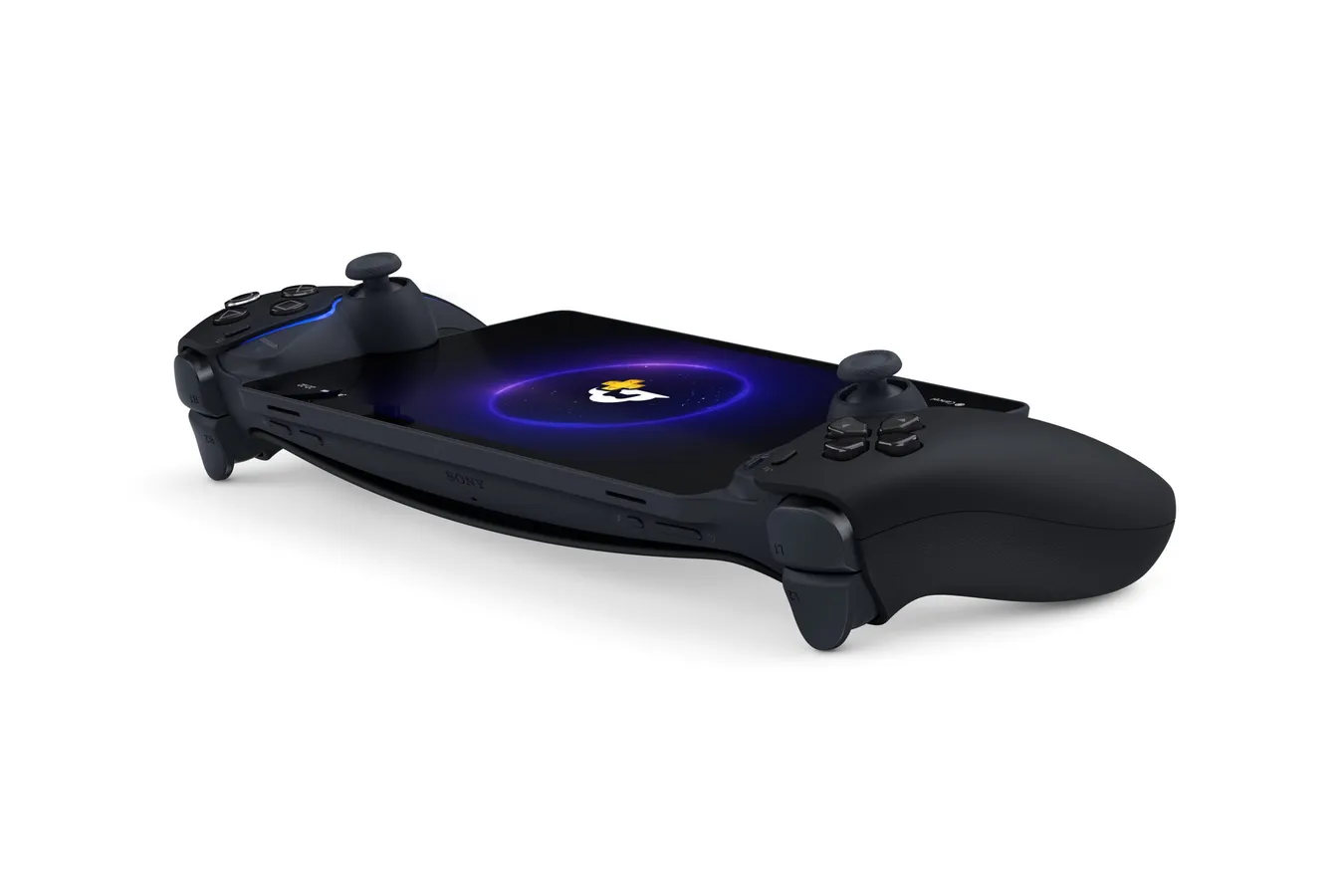
A Subtle Name Shift With Big Hardware Implications
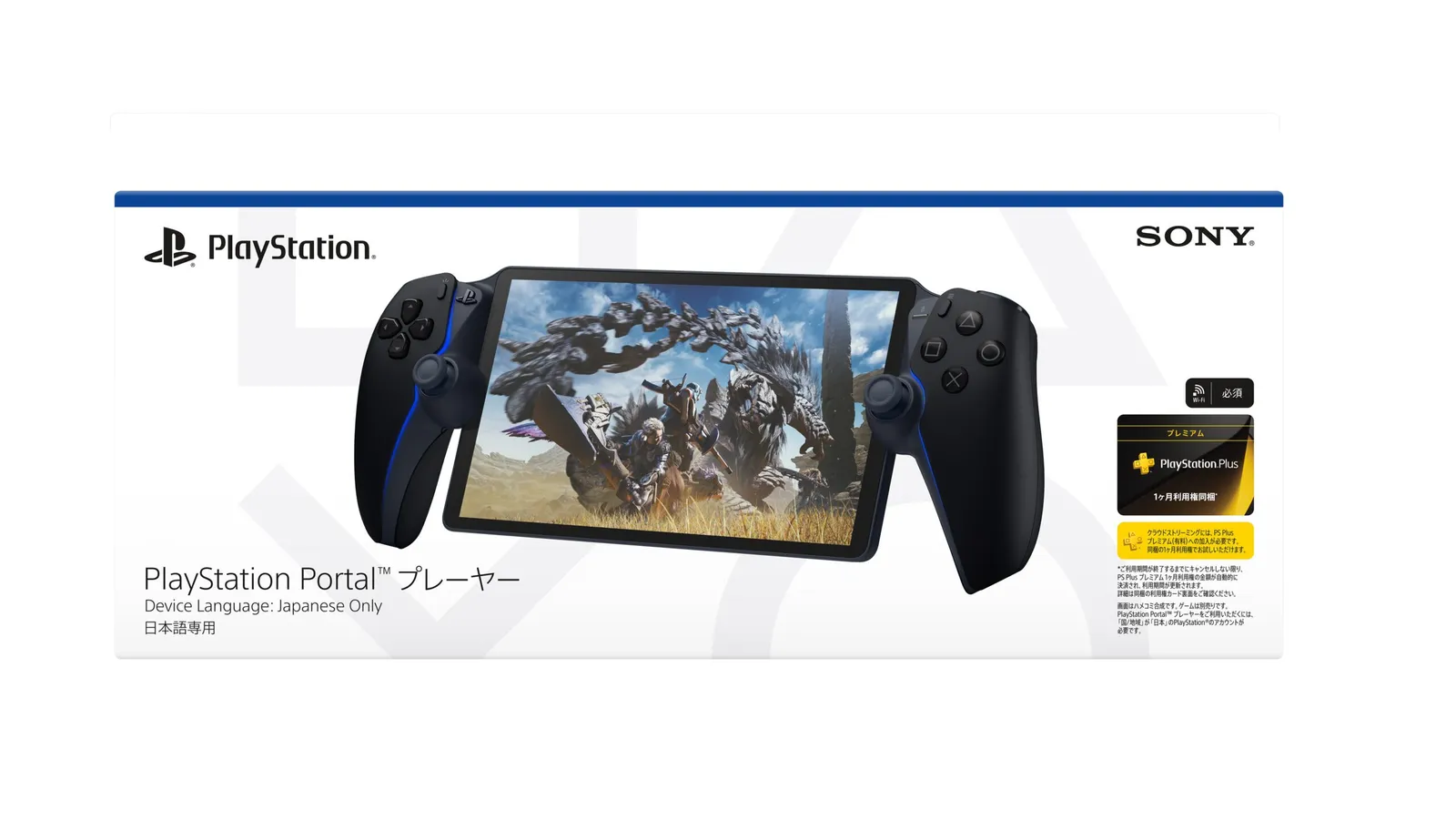
The most glaring change sits right on the packaging. According to an official announcement published by PlayStation Blog Japan, the device is no longer called the PlayStation Portal Remote Player. Sony dropped Remote entirely, rechristening the hardware as the PlayStation Portal Player. That single omission speaks volumes about where PlayStation intends to steer portable hardware. A remote player implies reliance on an external host console sitting under your television set. A plain player sounds like a self-sufficient gaming machine capable of standing on its own two feet.
The specification sheet reveals the true bombshell: Sony confirmed that the new hardware model incorporates physical internal storage. In typical corporate fashion, Sony remains deliberately cagey about exact storage capacities and firmware features. The company noted in its Japanese post that the addition of onboard memory was designed with an eye toward future functionality, promising that full operational details will arrive as software features are finalized. But you do not add flash storage to a mass production handheld just to store profile avatars.
Pricing, Availability, and the Domestic Japan Strategy
For now, Sony is keeping this revision strictly within its home territory. The new Midnight Black model launches in Japan on December 10, with official retail preorders opening on November 13. The device carries a suggested retail price of 39,980 yen, matching the retail tag of the standard white model rather than pushing for a generational price hike. Buyers also receive a one-month trial voucher for PlayStation Plus Premium to sample cloud streaming right out of the box.
There is an important catch for import enthusiasts looking to snatch one overseas. As detailed by IGN, this initial production run is strictly region-locked to Japan, supports only the Japanese system language, and mandates a registered Japanese PlayStation Network account. Sony used a similar playbook late last year when introducing a lower-cost domestic digital PS5 model to combat currency fluctuations and domestic inflation across Japanese retail shelves.
Why Internal Storage Transforms the Portal
To understand why this revision matters, look at how the handheld landscape shifted over the past three years. When the Portal first hit store shelves, portable PC powerhouses like the Steam Deck and Asus ROG Ally proved that gamers crave real hardware autonomy. Even Nintendo proved with the Switch that flexible playstyles dominate modern player habits. The original Portal sold surprisingly well despite its tethered design, but players consistently complained about airport layovers, hotel Wi-Fi login screens, and dropped packets ruining sessions.
An analysis from Kotaku pointed out that the Portal already houses a mobile Qualcomm processor that theoretically possesses sufficient horsepower to execute lightweight native tasks. Adding dedicated storage opens up multiple realistic avenues. Sony could allow users to cache cloud saves, preload streaming assets to eliminate bitrate stutter, or even install native emulated PlayStation classics from the PS1, PSP, or PS2 libraries directly onto local memory.
Industry reporters quickly connected the dots across social channels. Tech journalist Tom Warren highlighted the mystery surrounding Sony refusing to clarify how that extra memory will function at launch. The consensus among technical observers suggests Sony is conducting an agile hardware trial in Japan before committing to an expensive global manufacturing overhaul.
Community Reaction and the Stepping Stone to PS6
Online reaction across PlayStation forums and enthusiast feeds has been a mix of excitement and cautious curiosity. Existing Portal owners who bought the white streaming accessory feel a predictable sting of obsolescence seeing updated hardware land at the identical 39,980 yen price point. Meanwhile, prospective buyers are pleading for Sony to bring the Midnight Black unit and its onboard memory to North American and European markets without arbitrary software locks.
Rumors have circulated for months that Sony Interactive Entertainment leadership views portable gaming as a foundational pillar for its next console generation. Company executives previously hinted that future platform experiences must break free from traditional living room television setups. Testing native storage architecture and offline capability on an existing consumer shell offers PlayStation engineers valuable real-world telemetry without the financial gamble of launching a dedicated portable platform from scratch.
The CriticalPixel Take
Dropping Remote from the PlayStation Portal name is the loudest admission yet that streaming alone cannot carry portable gaming. High-speed 5G networks and fiber connections look great in promotional slideshows, but reality hits hard when you board a commuter train or step outside your living room. Gamers demand reliability, and true reliability requires local silicon processing local data.
If Sony uses this internal storage purely for OS caching and firmware bloat, it will represent a massive squandered opportunity. But if Tokyo unlocks local retro downloads or offline game installations down the road, the PlayStation Portal suddenly evolves from a niche home streaming accessory into a legitimate handheld competitor. Keep your eyes on that December 10 Japanese launch, because PlayStation handheld hardware is entering a fascinating new chapter.
Sources
PlayStation Blog Japan Official Reveal
IGN Report on PlayStation Portal Revision