Splatoon Raiders Gets Its Own Direct and Nintendo Has Packed It With Gadgets, Loot, and Salmonid Chaos
By CriticalPixel ·
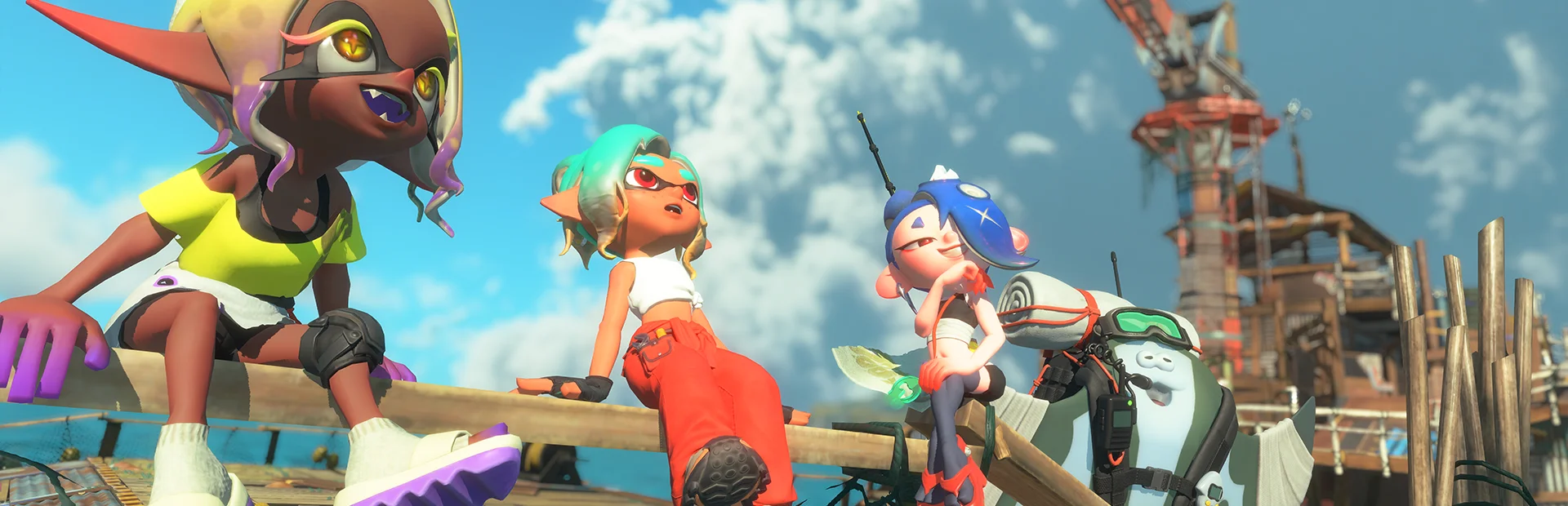
Nintendo dropped a dedicated 15-minute Direct for Splatoon Raiders this morning, and the picture it painted is nothing like what most people were expecting from a Splatoon spin-off. This is not a stripped-down side game built to fill a Switch 2 release slot. It is a proper single-player action game with weapon variety that rivals full RPGs, a layered gadget upgrade system, a loot loop, and a world that keeps getting stranger the deeper underground you go. The July 23 release date was already on the calendar. Now there is an actual reason to circle it.
You play as a new character simply called the Mechanic, a treasure hunter working alongside Deep Cut - the trio of Shiver, Frye, and Big Man from Splatoon 3. The setting is the Spirhalite Islands, a mysterious archipelago crawling with Salmonids and apparently loaded with buried loot. Nintendo is pitching Splatoon Raiders as primarily a solo experience, but you can bring in up to three friends online or via local wireless to raid the islands together. The solo focus is the right call. Single-player Splatoon has never had a full shot, and this is the most ambitious attempt at it yet.
100 Weapons, Three Tanks, and a Gadget System That Actually Goes Deep
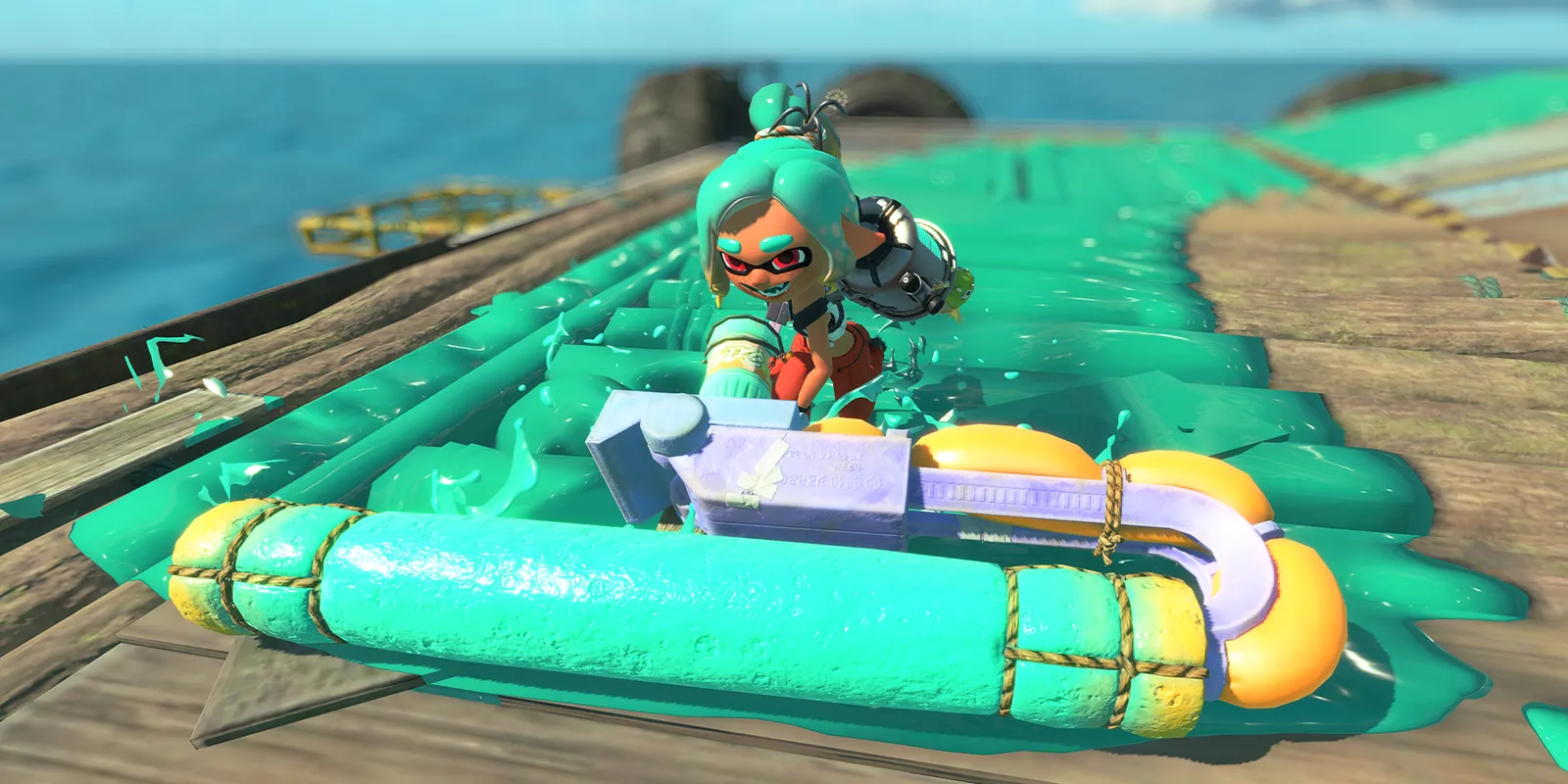
The weapon count alone is striking. Nintendo confirmed over 100 weapon variations available in Splatoon Raiders, a mix of ink-splattering tools you find in the field and rare drops from defeated Salmonids. Some rare drops apparently come with special powers, which points to a light looter-shooter hook underneath the surface. That fits with the treasure-hunting framing - you are grinding islands for good drops, not just crossing off a level list. Frye handles the Weapon Stash aboard the hideout ship, where you can upgrade weapons or break them down into crafting materials, which reinforces the idea that gear management is a real system here, not an afterthought.
The tank system adds a second layer of build variety. Three tank types - Speed, Power, and Tactical - each come with their own pool of gadgets, and you start with two equip slots per tank (unlocking a third as you level up). Speed gadgets include the Blast Boot for repositioning and the Booyarang, a thrown weapon that flies out and returns to you. Power tanks get the Splatellite, which orbits and sprays ink on its own, and the Spinwheel, which pushes back crowds as you move. Tactical play gets a deployable turret called the Shot Pot and Bombloons you can chain together and detonate remotely. Shiver runs the Gadget Workshop where you upgrade these, adding slots for extra damage, fire rate, ink explosion effects, or knockback gas as you collect parts in the field. None of this is cosmetic. The gadgets change how combat plays out from run to run.
The Islands Have Actual Depth, Literally and Otherwise
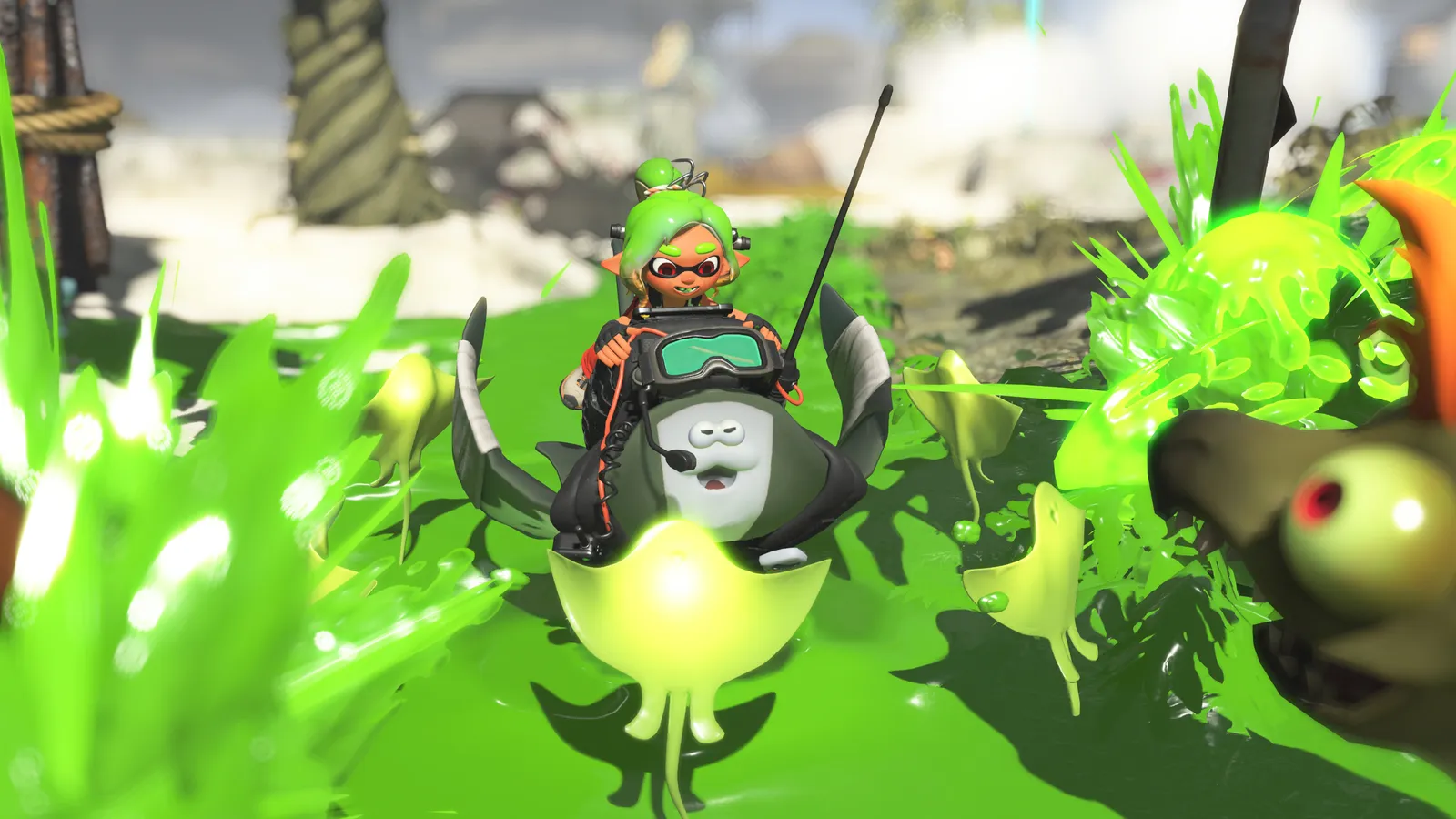
The Spirhalite Islands are not one biome. Nintendo described varied terrain across the archipelago: crystal-mining areas, Salmonid dens packed with aggressive creatures, restricted facilities where only certain gear is allowed, and underground dungeons with no visible bottom. That last detail is doing a lot of work. The phrase 'some of them appear to be bottomless' from the press release is the kind of vague that usually means late-game content nobody has mapped yet, and it's the sort of hook that will keep players digging long after the credits.
Salmonid variety is real and it gets increasingly strange as you go. Lesser Salmonids swarm and overwhelm through numbers. Boss Salmonids have individual strengths and weaknesses and drop Mega Power Eggs when killed, which fuel the Exploration Bot that accompanies you and helps detect treasure. Then there are the Seasoned Salmonids - Salmonids preserved in salt, tougher than regular bosses, with saltiness directly tied to how hard they hit. It is a ridiculous idea executed with enough internal logic that it works. Nintendo has a long track record of making absurd mechanical hooks feel coherent inside the Splatoon universe, and Seasoned Salmonids fit right into that tradition.
Three Difficulty Levels and a Monster Hunter SOS Button
Nintendo built in three difficulty options: Tourist for a casual run-through, Raider for the standard experience, and Survivalist for the type of player who genuinely wants to be punished. Loot drops are identical across all three - Salmonids just get significantly tougher at higher settings. You can switch between them at any point from the hideout ship, which is a sensible call for a game with this much build variation. The Call for Help feature is the more interesting addition. Playing solo and hitting a wall? Send out an SOS and pull in another player online to help clear a raid. Once the raid ends, the feature goes on cooldown before you can use it again. Players who answer calls get rewards, which keeps the whole system running without requiring a dedicated co-op partner. It is lifted almost directly from Monster Hunter, and it is the right move for a single-player game with escalating difficulty.
The Community Is Already Sold
The reaction to today's Direct skews heavily positive. Fan response across social media ran from outright excitement ('I NEED IT NOW', 'SO AMAZING', 'made me even more impatient') to cautious optimism from players who weren't paying attention before ('Splatoon Raiders wasn't on my radar, but it's sounding like a pleasant surprise'). IGN's hands-on preview - published alongside the Direct - called it 'a good time' that can 'be breezy, it can be challenging, it can be everything in between,' which tracks with what the Direct was showing: a game with a wide difficulty curve that does not demand you engage with every system to have fun. The amiibo angle is fueling extra enthusiasm, with the full Splatoon series lineup unlocking unique outfits and three brand-new Splatoon Raiders-specific amiibo releasing alongside the game.
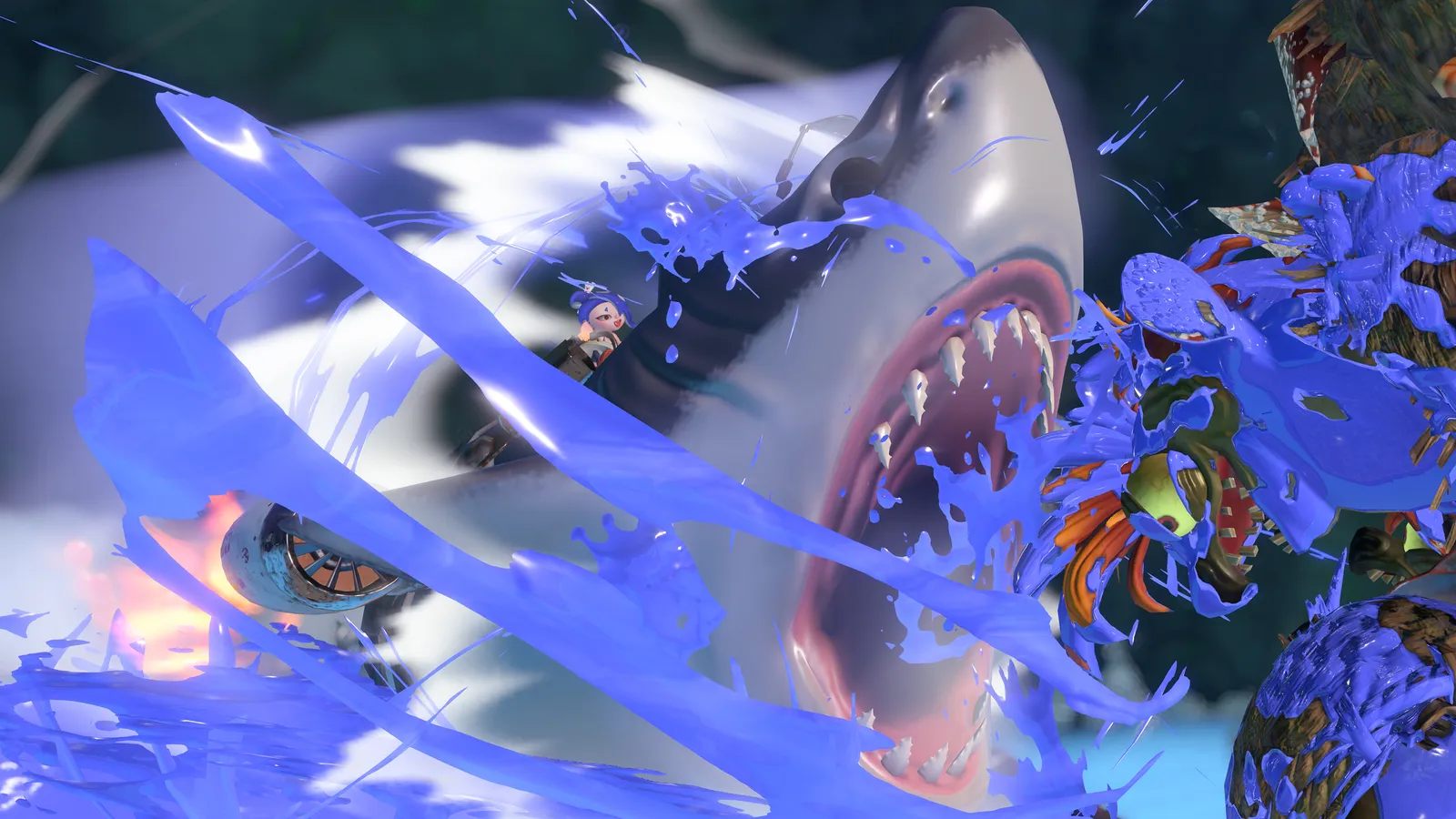
The impression Splatoon Raiders leaves after today is that Nintendo built a proper game here, not a spin-off designed to move hardware. The gadget customization, 100-plus weapon pool, and world design have more in common with an action-RPG than a side project coasting on brand recognition. The Call for Help system is a direct lift from Monster Hunter, which is not a complaint - it is a smart borrow that makes the solo experience less punishing without making the challenge optional. The three-tank system gives players enough room to find a playstyle that clicks without overwhelming newcomers. Big Man filling the role of in-game encyclopedia is exactly the kind of detail that shows the development team took the setting seriously.
The only open question is whether the island content holds up across a full playthrough. The Direct showed a lot of systems but relatively little of the actual late-game. That question gets answered July 23. At $49.99, Splatoon Raiders is priced as a mainline title, not a budget spin-off, and everything shown today justifies that positioning. Nintendo Switch 2 has had a strong lineup, and this looks like a legitimate addition to it.