SteamOS 3.10 Preview Finally Brings HDMI 2.1 VRR and ALLM to AMD, Plus Nvidia Mesh Shaders
By CriticalPixel ·
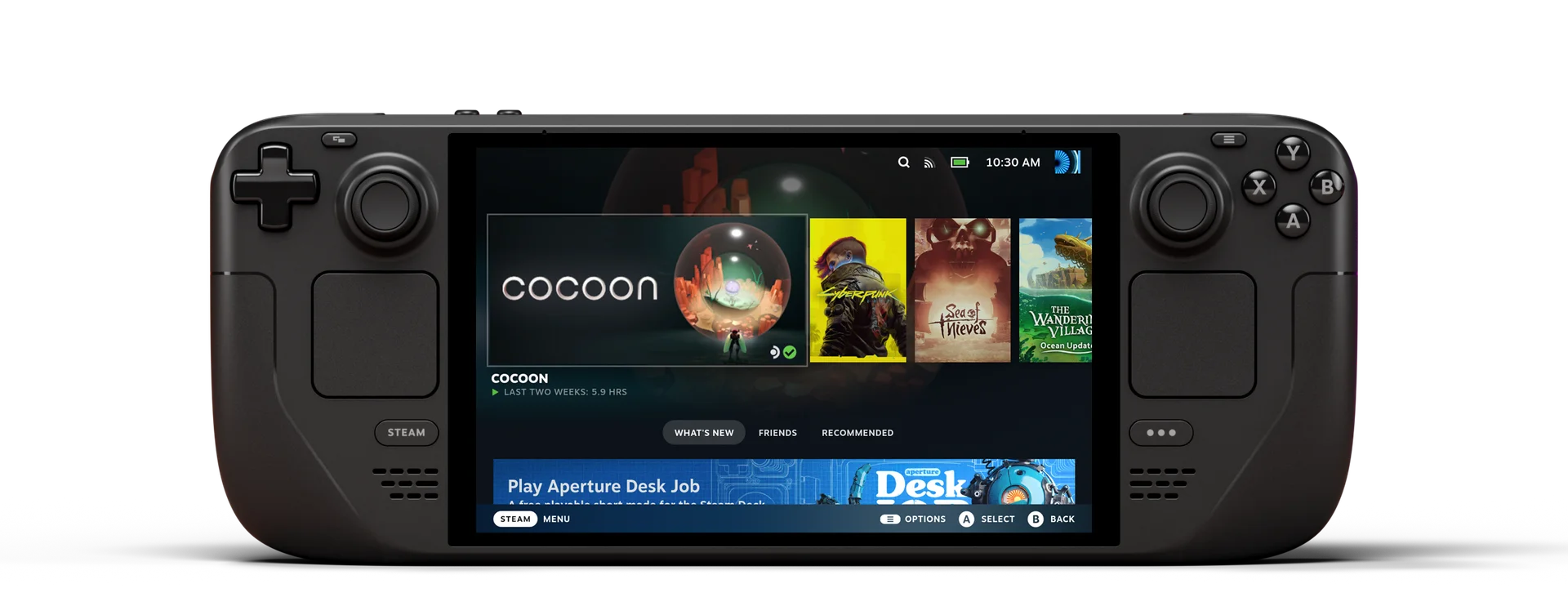
Valve pushed SteamOS 3.10.0 Preview to the Steam Deck Preview channel on Friday night, and the changelog is the most display-heavy build the platform has shipped all year. The marquee line is HDMI 2.1 support on AMD graphics, with variable refresh rate, Fixed Rate Link and Auto Low Latency Mode landing in a single update. That is the exact trio docked Deck owners have been asking about for years. It is also the kind of plumbing nobody puts in a keynote, which explains why it took this long to show up.
You can opt in through Settings, then System, then System Update Channel, according to the official release notes from Valve. Valve is blunt that this is an early Preview build and may contain unexpected bugs or stability issues, and it points people at the SteamOS issue tracker on GitHub when things break. There is still no announced date for 3.10 reaching the Stable channel. If your Deck is your only gaming PC, sit this one out for a couple of weeks.
The unglamorous fixes are in there too. Bluetooth audio no longer drops when you hop between Desktop Mode and Game Mode, the phantom slow charger warning is gone, and Valve refreshed timezone data for Cuba plus Canada's Northwest Territories and Manitoba. Desktop Mode moves from Plasma 6.7.3 to 6.8.2 on a refreshed Arch base, with the usual security and stability pass underneath. None of that sells hardware. All of it is the difference between a device you tolerate and a device you recommend to a friend.
Game Mode is where the real work happened
GamingOnLinux called the Game Mode changes the meat of the update, and the list backs that up. Frame timing with the framerate limiter now behaves better when VRR is on, which is the difference between a smooth 40 fps and a stuttering mess on a high refresh panel. Screen flicker while navigating the Steam UI or leaving the Deck idle is reduced, and cursor movement under VRR now tracks the game's framerate above 30 fps instead of slamming the panel to its maximum refresh rate. There is a fix for HDR overexposure in Control and a fix for flickering and stale frames in UBOAT and The Fruit of Grisaia. Valve also wired in support for the VK_EXT_present_timing Vulkan extension, which is developer-facing but should mean cleaner pacing in games that use it.
Valve is shipping better display controls for a Windows handheld
The strangest line in the notes is HDR and brightness adjustment support for the ASUS ROG Xbox Ally X20. That is a Windows-based handheld with a 7.4 inch OLED screen according to VideoCardz, and Valve is now handling its display controls inside SteamOS. Read that again. The company that runs Steam is doing platform work for a competitor's device while the vendor's own operating system treats HDR like a rumor. It is also a signal about where Valve thinks the handheld fight is heading: own the software layer, let the hardware brands scrap over bezels.
Nvidia gets mesh shaders, years after the hardware shipped
Mesh shader support arrives on Turing and newer, which covers the RTX 20 series and everything after it. Modern engines lean on mesh shaders for geometry-heavy scenes, and Nvidia on SteamOS has been the awkward corner of the platform for years. Valve also fixed rendering corruption in Shadow of the Tomb Raider and The Surge 2, two games old enough that the patches read like housekeeping. Underneath all of it the kernel is rebased on Linux 7.3, the sort of foundation change that quietly unblocks newer drivers months later.
The HDMI 2.1 catch
There is one known issue worth repeating before anyone dives in: some displays may stay blank, with the Dell G3223Q called out by name on AMD. Fixed Rate Link is the part that buys the higher bandwidth signaling, and Auto Low Latency Mode flips a TV into its game preset without you digging through menus. Both work flawlessly until they do not, and a black screen on an expensive monitor is a rough way to find out. Preview channel, remember.
How people reacted
Reaction has been warm but thin, which fits a Sunday changelog. The Pirat_Nation breakdown pulled roughly a thousand likes, SteamDeckGaming pointed out that Game Mode holds most of the 3.10 changes, and the replies split between people hyped for VRR and people admitting they have no idea what half the acronyms mean. One reply flagged the Dell blank screen issue before most outlets did. Call it limited but positive: nobody is angry, several people are confused, and the handheld crowd is quietly pleased.
The CriticalPixel take
Valve keeps doing the unglamorous work that makes a handheld feel like a console. HDMI 2.1 VRR and ALLM are not features you can put in a trailer, but they are the difference between a docked Deck that looks like a PC monitor and one that looks like a games console. Compare that with how the big three treat display features, where they arrive as bullet points on a preorder page and then go quiet for a generation. Valve ships them in a preview build on a Friday night with a known issues list attached and a blank screen warning for one specific monitor. That is not sexy. It is how you earn trust.
What to watch next
The open question is timing. Valve has not said when 3.10 hits Stable, and SteamOS preview builds have a habit of lingering for weeks while bugs get chewed through. Watch the issue tracker for the Dell display problem and for HDMI 2.1 reports from people running AMD cards into a TV rather than a monitor, because that is where FRL and ALLM either work or fall over. If you do jump in, keep a recovery image handy and do not do it the night before a trip.
Sources
Valve: SteamOS 3.10.0 Preview release notes
GamingOnLinux: SteamOS 3.10.0 Preview brings HDMI 2.1 VRR, FRL, and ALLM for AMD
VideoCardz: Valve releases SteamOS 3.10 Preview with AMD HDMI 2.1 support
Steam: official Steam Deck store page