Summer Games Done Quick 2026 Raises $2.4 Million for Doctors Without Borders Relief
By CriticalPixel ·
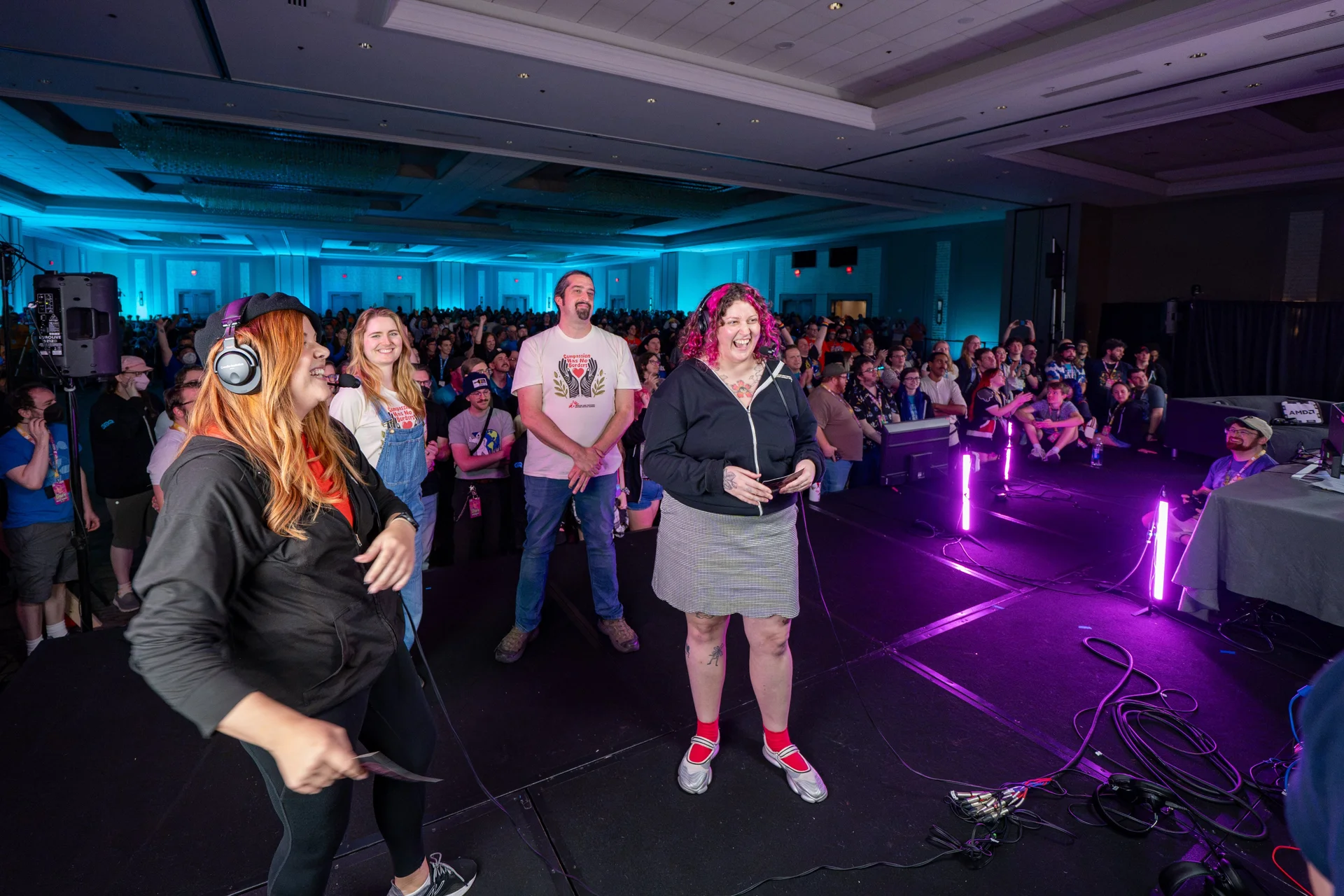
Summer Games Done Quick 2026 ended with a number that deserves more than a quick scroll past: $2,408,701 raised for Doctors Without Borders. Games Done Quick posted the final total on July 12 after a week of runners tearing through a ridiculous spread of games for a crowd that treats frame-perfect execution like live theatre. The event is a charity marathon, but it also remains one of the few gaming broadcasts where mastery, jokes, technical breakdowns, and genuine generosity share the same screen. That combination is why SGDQ keeps pulling people back long after the novelty of speedrunning should have worn off.
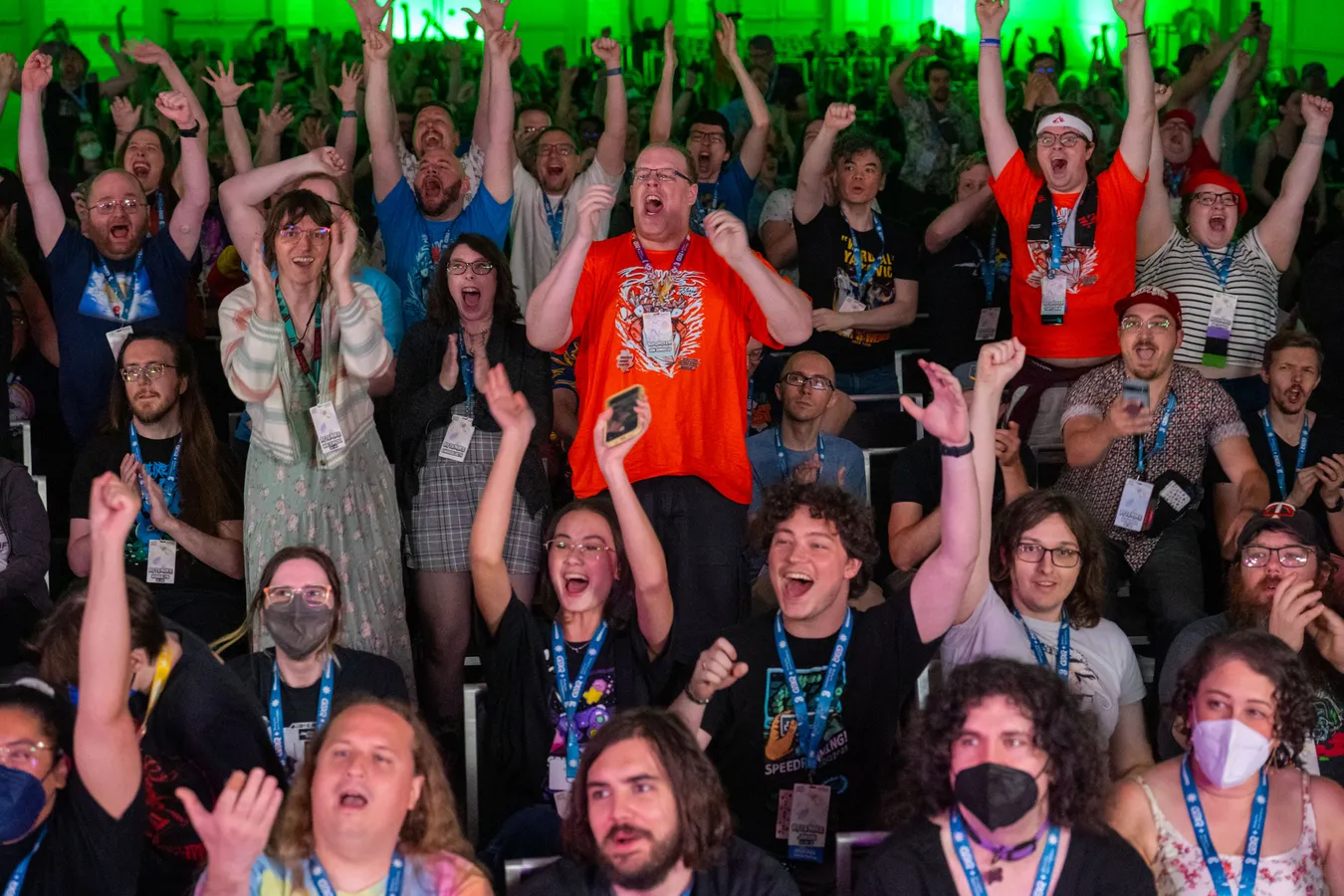
The final total came from the whole marathon
GDQ's official account first celebrated crossing $2.4 million, then posted the precise figure of $2,408,701 for @MSF_USA. That progression matters because the big round number was not a promotional estimate or a prediction. It was the live total after donations, incentives, and the last stretch of the marathon had settled. Games Done Quick's event page says donations go directly to Doctors Without Borders, while Twitch subscriptions and bits help cover GDQ's operating costs for this event and future broadcasts. The distinction keeps the accounting clear, which is something plenty of larger gaming showcases manage to make strangely murky.
Doctors Without Borders, also known as Médecins Sans Frontières, uses private donations to fund medical humanitarian work in more than 70 countries. GDQ's partnership gives that mission a gaming-shaped doorway into homes that may never watch a traditional charity telethon. Viewers can donate while watching a runner explain a sequence of glitches, route choices, or controller tricks that took months to refine. The format turns passive viewing into a shared activity without pretending that the entertainment and the cause are separate things.
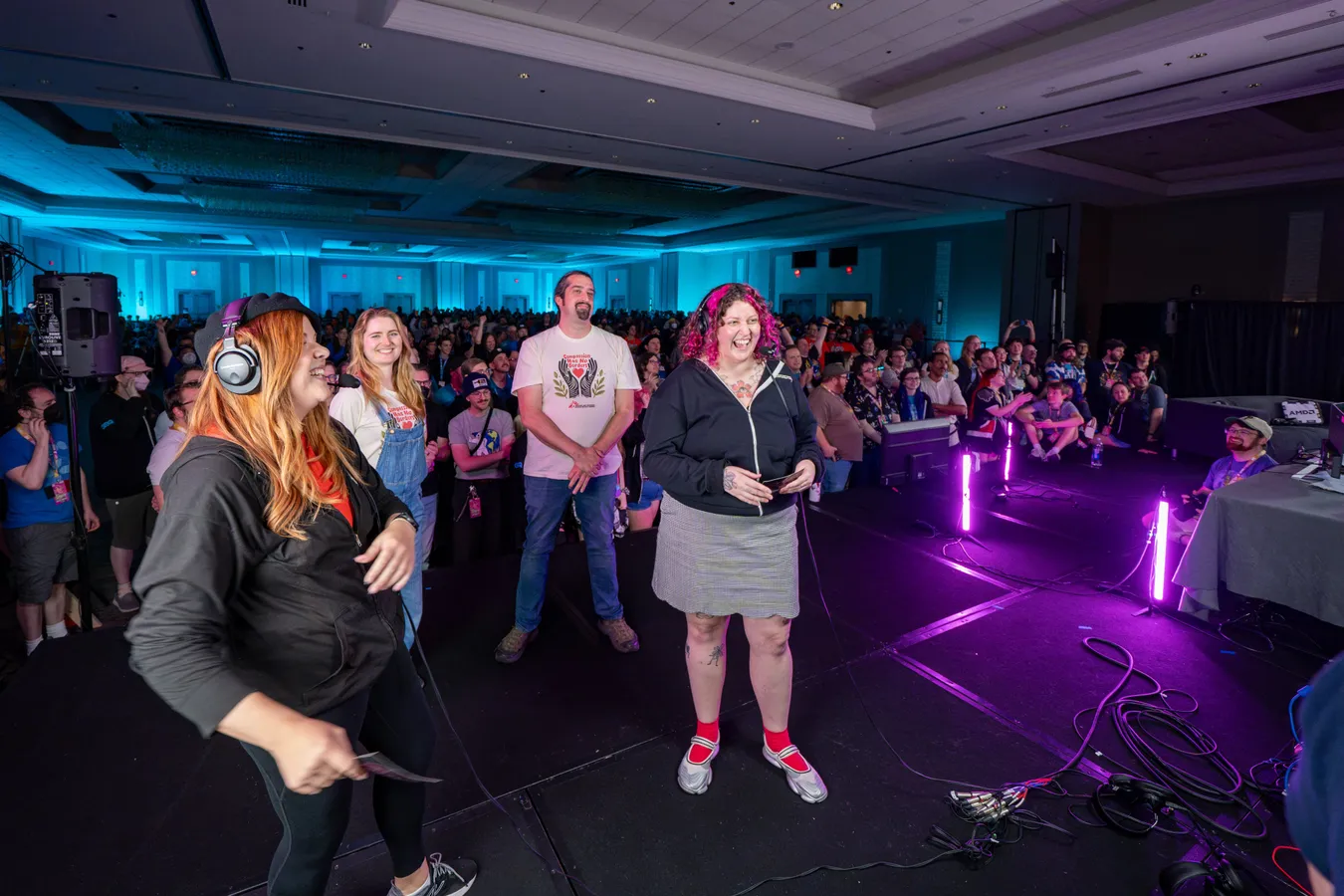
This is not just a big number on a screen
The strength of SGDQ is the collision between absurd skill and easygoing presentation. One run can be a serious technical lecture about movement, memory, or route planning, then the next minute is a room full of people losing it over a donation incentive. That range keeps the broadcast approachable. You do not need to understand every exploit to enjoy watching a player dismantle a game that most people struggle to finish normally. The best segments make the craft visible without sanding off the weirdness that makes speedrunning fun.
The audience reaction was loud, but the story is bigger than applause
The final-total post from Games Done Quick drew 957 likes, 224 reposts, and more than 21,000 views in the X snapshot I checked. Eurogamer reported the same result two hours after the total landed, Gamespew described the finish as nearly $2.5 million for charity, and a Brazilian gaming blog repeated the $2.4 million figure for its local audience. The visible reaction sample is positive, though still limited, so it would be silly to pretend a handful of posts represents every viewer. What it does show is a familiar pattern: people are happy to celebrate the total, and many are already talking about individual runs rather than treating the fundraiser as a one-line headline.
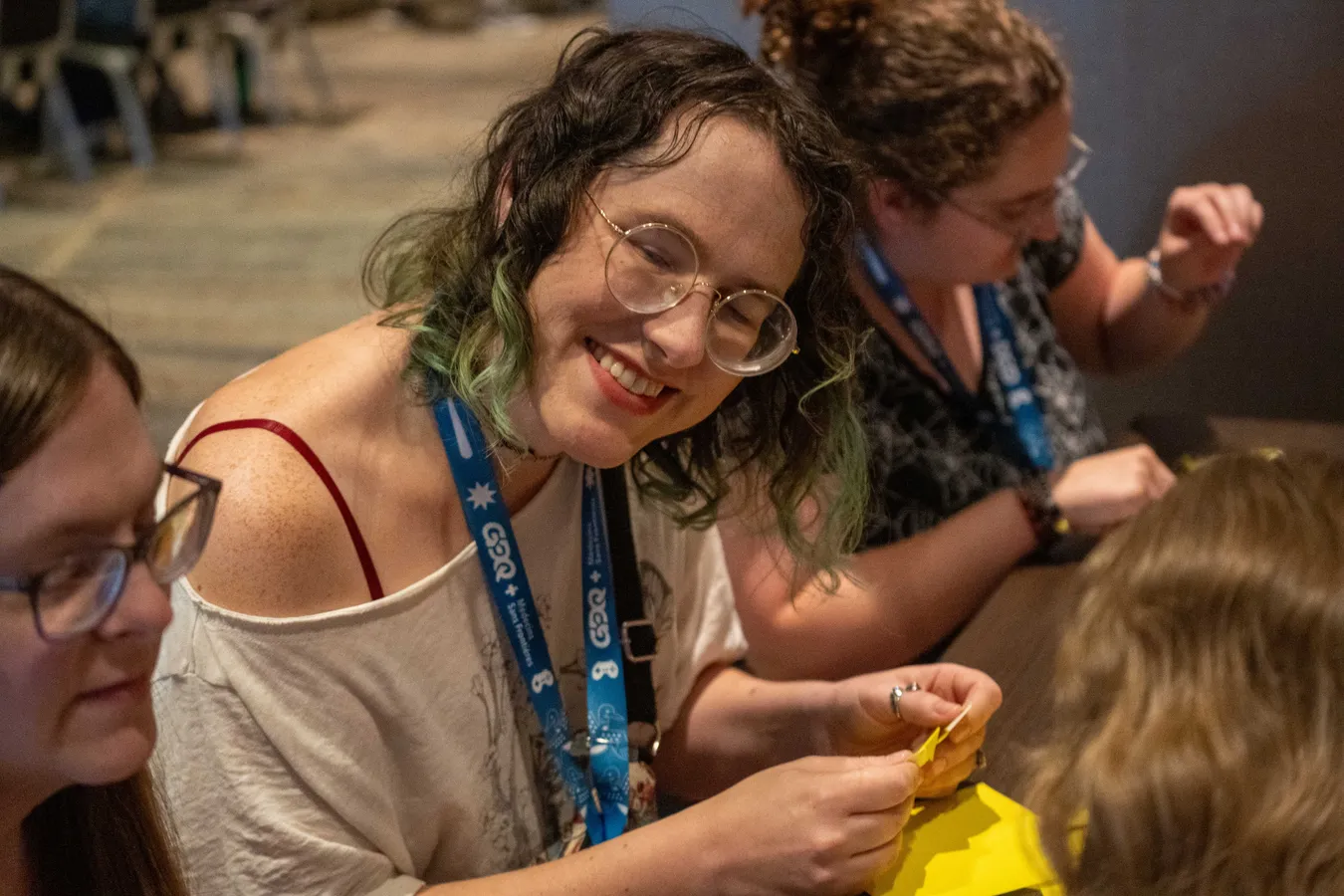
Why this matters for gaming
Gaming companies spend a lot of time trying to manufacture community through launch events, reward tracks, and branded festivals. SGDQ gets there with a schedule, a camera, a donation link, and people who are genuinely good at something difficult. There is no battle pass pretending to be generosity and no inflated virtual item standing in for a real contribution. The audience can see where the money is going, watch the total rise, and understand the human effort behind every run. That transparency is rare enough to feel refreshing.
CriticalPixel take
The $2.4 million result is impressive, but the more important win is that GDQ has kept the event legible. Every segment has a game, a runner, a reason to care, and a clear connection to the fundraiser. The broadcast does not need to disguise the technical side of speedrunning or flatten it into influencer noise. It lets runners be obsessive specialists and lets viewers be curious without demanding a homework assignment. That is a much stronger model for gaming charity than a publisher dropping a limited cosmetic and calling the job finished.
There is also a lesson here for the wider industry. Players will show up for events that respect their time, explain what they are watching, and make the impact visible. They do not need every broadcast to be polished into corporate paste. A little chaos, a lot of skill, and honest numbers can carry a show further than another expensive reveal stage. SGDQ understands that the people in the room are not a marketing segment. They are the event.
What comes next
Games Done Quick is already pointing viewers toward AGDQ 2027, while the regular GDQ Hotfix stream keeps the runs moving between major marathons. That year-round rhythm helps prevent the charity connection from evaporating when the final timer stops. It also gives runners and viewers another place to build the small rituals that make the big events work. The next marathon will have its own games, jokes, records, and fundraising target, but the basic formula remains strong.
For now, SGDQ 2026 gets to close on a clean note: $2,408,701 for Doctors Without Borders, a packed week of games, and a community that made technical excellence feel generous instead of self-important. That is a better headline than most gaming showcases manage in a year.