Supermassive Games Confirms Third Round of Layoffs in Three Years, Up to 75 Staff at Risk After Directive 8020
By CriticalPixel ·
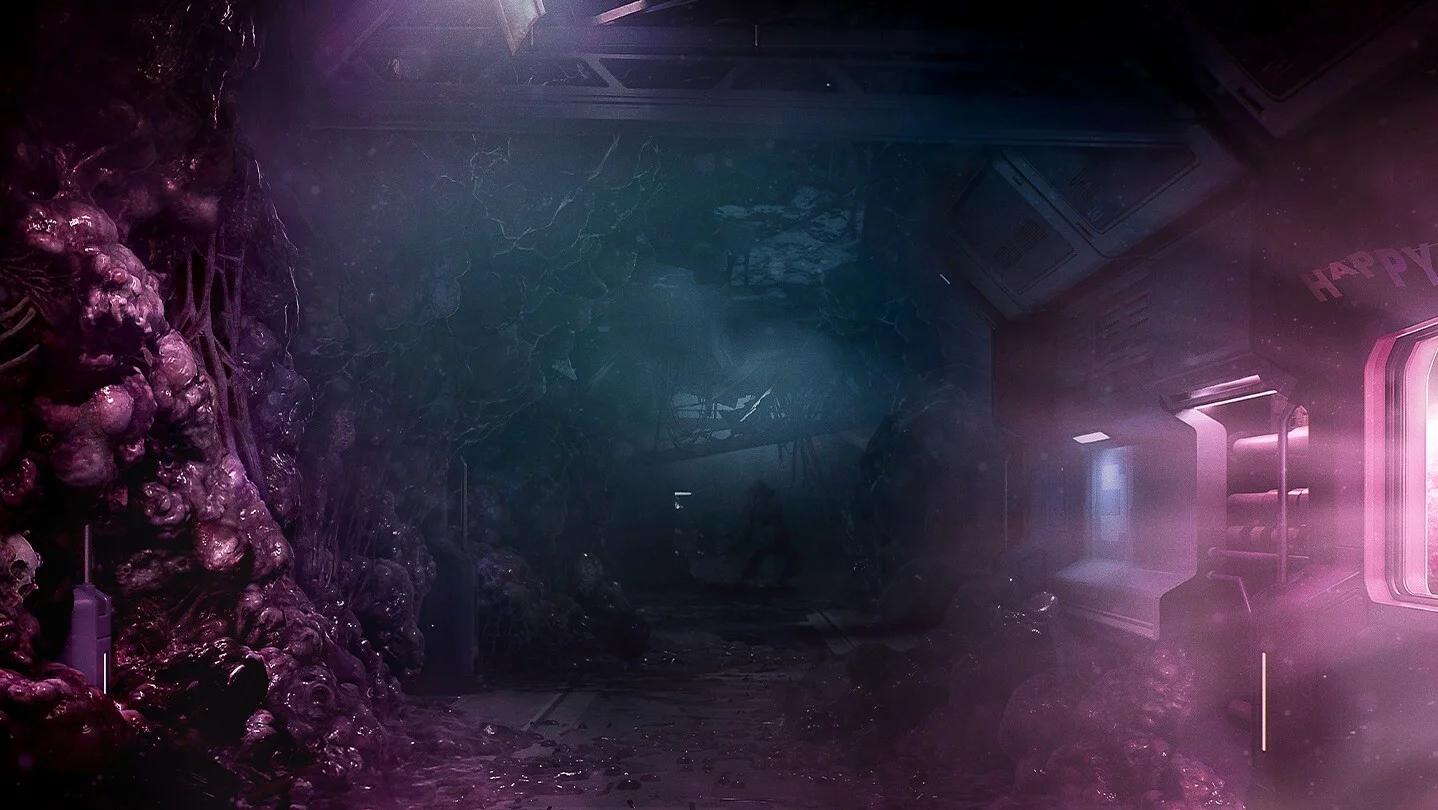
Supermassive Games, the Guildford studio behind Until Dawn, The Dark Pictures Anthology, and Little Nightmares 3, has begun a redundancy consultation that will cost up to 75 people their jobs. The studio confirmed the cuts today across its social channels, framing them as a sustainability measure after three punishing years of mixed releases and a leadership shakeup that already cost the previous CEO his chair.
The statement is short and carefully worded, the kind of thing PR lawyers draft at 2 a.m. after a board call. We have made the difficult decision to begin a redundancy consultation process, which we anticipate will result in the loss of up to 75 of our colleagues, the company said. This is a necessary step to help ensure the sustainability of the company. We know this will be an incredibly difficult time for everyone, and our priority throughout the process will be to provide support to all those impacted.
A Third Cut in Three Years
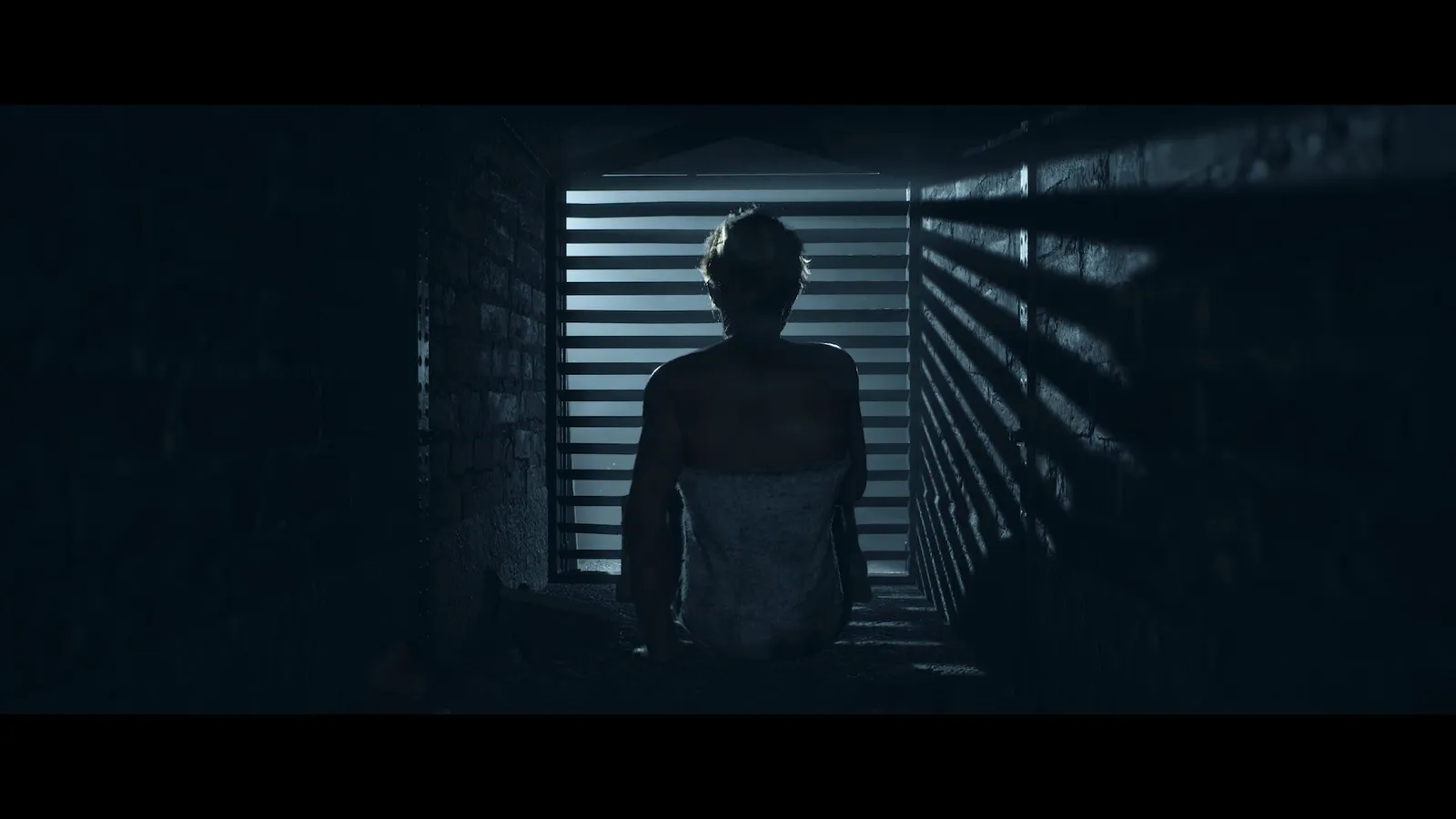
This is the third round of layoffs at Supermassive since 2024, and the second to land in the middle of an active project. In February 2024, around 90 staff were let go as the studio tried to steady itself after a post-pandemic correction in mid-budget narrative horror. A year later, in July 2025, another 35 were cut and Directive 8020 was pushed back further into 2026. That sequel finally launched on May 12 of this year and now sits at a Mixed rating on Steam with roughly 1,300 user reviews, a thin body of feedback for a publisher that once moved hundreds of thousands on launch day.
The studio employed around 350 people in 2023, which means the cumulative headcount is now somewhere in the low hundreds. Roughly one in three of those pre-cut roles have disappeared in 30 months. That math is bleak on its own, and the timing makes it worse. Supermassive lost its CEO, Pete Samuels, earlier this year, and the new leadership has decided the fastest path to a healthier P&L is to shrink the people side of the balance sheet. It is the same playbook that hit Crystal Dynamics, Firewalk, and a dozen other Sony-adjacent and indie horror studios this cycle.
Why Directive 8020 Did Not Save Them
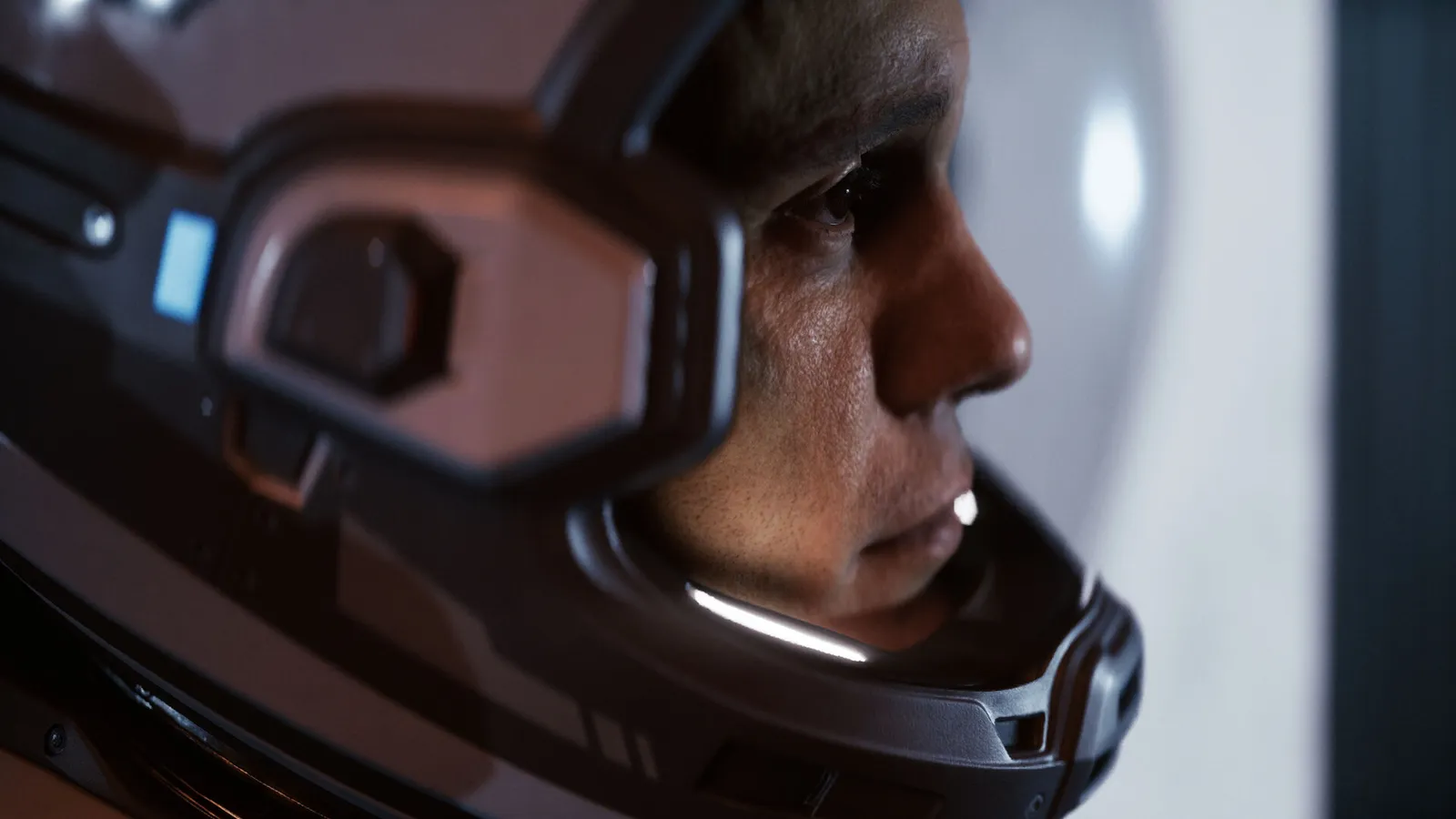
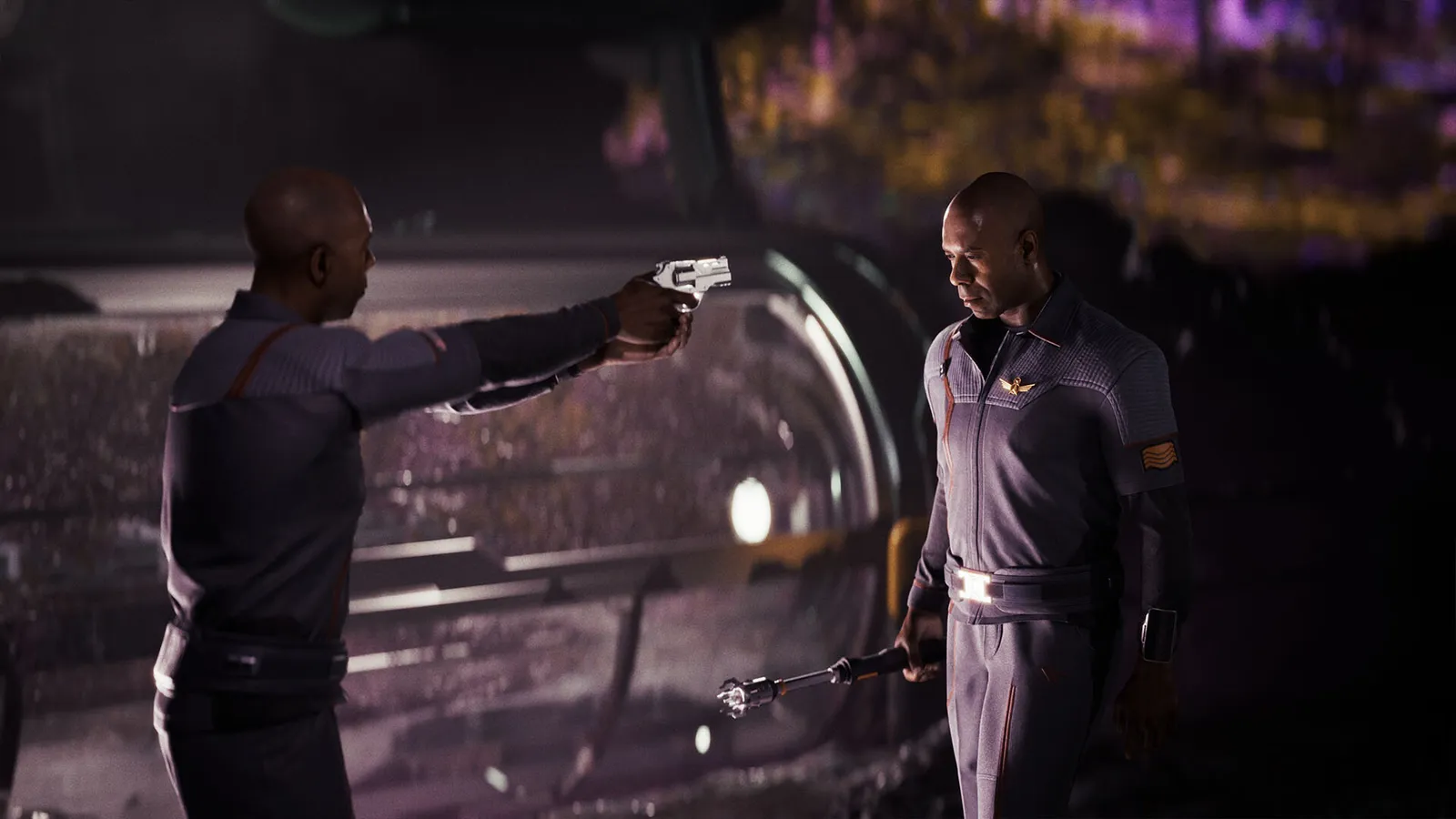
Directive 8020 is a perfectly serviceable sci-fi horror spinoff in the Dark Pictures mold. Earth is dying, the colony ship Cassiopeia is 12 light years from home, and the crew of Tau Ceti f discovers they are very much not alone. The premise is fine, the production values are high, and Supermassive still knows how to stage a slow-burn scare. The problem is that The Dark Pictures brand has been slowly losing oxygen since Man of Medan in 2019. Each entry sells a little less than the one before, and the anthology format that once felt like a feature now feels like a treadmill.
Little Nightmares 3, the studio's biggest bet of the last two years, landed to a Metacritic in the low 70s and a quieter commercial reception than Bandai Namco wanted. The Casting of Frank Stone, a Dead by Daylight spinoff that shipped in 2024, did not move the needle. With no publicly announced next project in the pipeline, the cuts read less like a strategic pivot and more like a hedge against another year of break-even releases. Supermassive has not said what comes next, and silence from a studio that just lost 75 people is rarely a good sign.
What the Community Is Saying
Reaction on social media has been loud, frustrated, and deeply familiar. The IGN post announcing the layoffs crossed 84 million impressions in a few hours, with the usual mix of condolence for the workers and irritation at a publisher model that punishes developers for releases that did not fail by any normal measure. Plenty of replies pointed out that Until Dawn shipped in 2015 to strong reviews and a cult following, that the 2024 PC remake and the upcoming PS5 remaster built real goodwill, and that a studio with two recognizable horror IPs should not be on its third layoff in three years.
Others, less sympathetic, noted that the Dark Pictures formula has grown predictable and that Directive 8020 launching into a quiet May window with minimal marketing set it up to underperform. The truth is probably somewhere in between. Supermassive has shipped consistently good, occasionally great, horror for a decade, and the market has stopped rewarding that with the budgets it used to. Three layoffs in three years is not a story of a studio that cannot make games. It is a story of a studio that makes games the industry has decided it does not want to pay full price for anymore.
The CriticalPixel Take
Supermassive is one of the last studios in the Western world that still does high-craft, mid-budget narrative horror at scale. The fact that it cannot make the math work after a single mixed reception tells you everything you need to know about where the AAA middle has gone. Sony owns the IP, the publishing muscle, and the option to fund a smaller Supermassive for one more swing. Whether it does, or whether the next round of cuts arrives before Directive 8020 stops appearing in people's queues, is the only question that matters. For now, 75 people are out of a job because their studio made a competent horror game in a year that did not have room for one.