Switch 2 Is Now the Second Fastest-Selling Console in US History as Xbox Logs Its Worst May on Record
By CriticalPixel ·
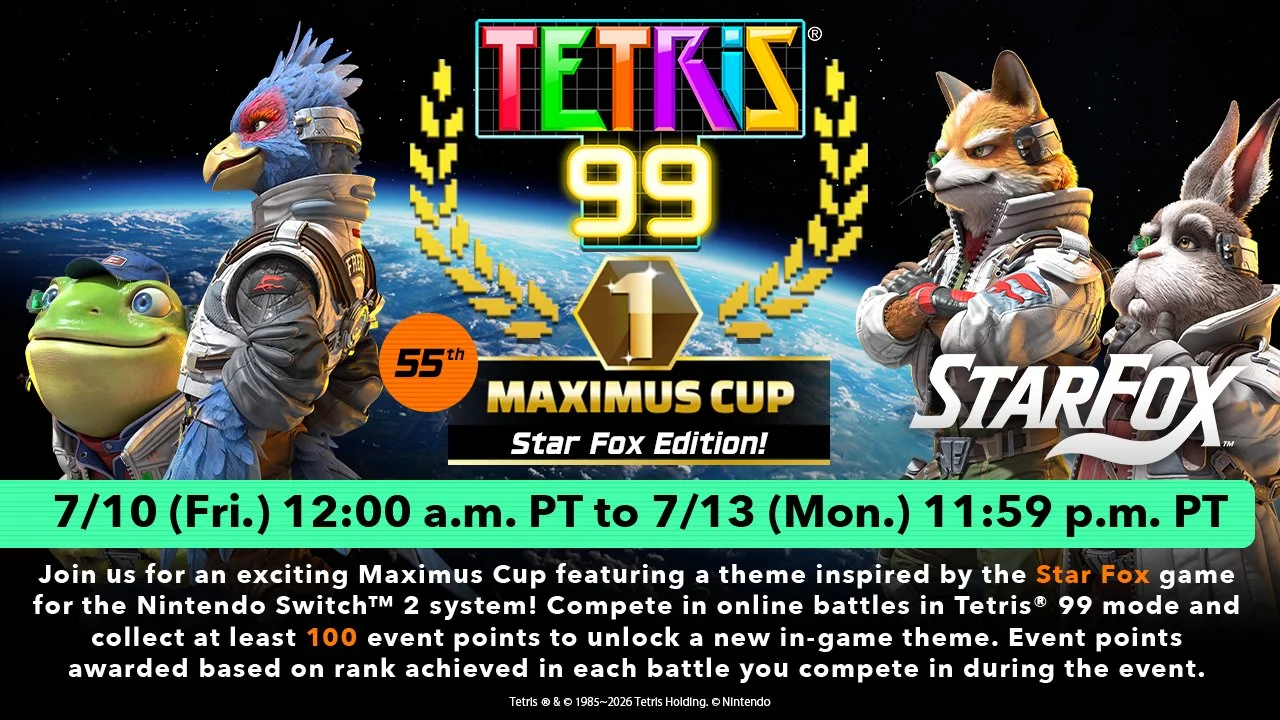
Nintendo dropped a headline nobody in the industry expected, at least not quite this fast. Circana's May 2026 hardware report confirmed that Switch 2 has now sold 5.9 million units in its first 12 months in the United States, making it the second fastest-selling console in the country's tracked history. Only the Game Boy Advance, which moved 6.5 million units in its first year back in 2001, sits ahead of it. The same report delivered bleak numbers for everyone else: PlayStation 5 logged its worst May since 2000, and Xbox recorded the lowest May unit sales in the history of the brand. This is not a routine data dump. It is a snapshot of an industry fracturing under its own pricing weight while Nintendo floats above it.
What the Numbers Actually Say
Circana's May 2026 figures are stark. Switch 2 hit 5.9 million units in 12 months, trailing only the Game Boy Advance's 6.5 million over the same window. That puts it well ahead of the original Nintendo Switch, the PlayStation 4, and every other console Circana has measured at the same point in its lifecycle. Meanwhile, PlayStation 5 sales collapsed 58 percent year-over-year in May, sliding to the platform's worst monthly total in over two decades. Xbox fell 12 percent year-over-year, which sounds moderate until you realize that underlying number was already the lowest May figure ever recorded for Xbox hardware. Year-on-year total hardware spending still rose by more than a third, but almost entirely because of Switch 2, not any broad-market health.
Nintendo's Secret Weapon Is Its Price Tag
Pricing tells most of this story. The average price paid for a piece of gaming hardware in May 2026 hit $502, up from $440 in the same month last year. PS5 pricing jumped 33 percent to $672, and Xbox Series X/S pricing climbed 22 percent to $524. Nintendo raised Switch 2's price too, but it remains the most affordable option among the three, and its game library, including Mario Kart World and Star Fox Switch 2, gives buyers an obvious reason to act. When the competition asks $672 for a PlayStation or over $500 for an Xbox that keeps losing software momentum, $449 for a Switch 2 looks rational to a lot of people. Nintendo did not win this month because of some surprise sales event or lucky timing. It won because its product costs less and its first-party lineup keeps delivering.
Sony and Microsoft Are Paying for Their Price Hikes
Sony attributed the PS5 decline directly to 'recent price increases,' and that admission alone should sting. The company raised PS5 prices in March, and the market responded with the weakest May performance for PlayStation since the PS2 era. That context matters: PS5 built a massive install base over five years at a competitive price, then Sony squeezed that install base with a hike that clearly pushed buyers to the sideline. Microsoft's situation is arguably worse. A 12 percent unit decline sounds tolerable, but when the absolute sales floor is already historically low, 12 percent down from that floor is a serious problem. The company announced another Xbox price increase this week, raising prices by $100 to $150 across the lineup and cutting the 2TB model entirely. That is the kind of decision that looks defensible in a spreadsheet and looks catastrophic in a Circana report.
The Component Crisis Is Not Improving
The price hikes are not arbitrary decisions made in a vacuum. The underlying driver is a component shortage caused by AI datacenter buildout consuming an outsized share of memory and silicon supply worldwide. Microsoft stated publicly that it expects component prices to double again by autumn 2027. If that estimate holds, gaming hardware pricing next console cycle could make the current situation look reasonable. Valve's Steam Machine launched at $1,000 and still acknowledged the price was higher than planned. The trend line points in one direction, and nobody in the hardware business has a credible plan to reverse it. Buyers who are already hesitating at $672 for a PS5 are going to find next-generation pricing genuinely difficult to justify.
How the Community Is Taking It
Reaction online has split predictably. Nintendo fans are treating the milestone with energy usually reserved for console launches, pointing out that second place all-time behind the GBA is a genuinely wild achievement for a system still in its first year. PS5 and Xbox owners are less interested in the sales data and more focused on the practical reality of a $672 gaming machine competing against a $449 one with a stronger first-party lineup. A few commentators noted that the Game Boy Advance comparison is actually tough for Switch 2 in one respect: portable-only gaming had no home console rival in 2001. Switch 2 is competing against both PlayStation and Xbox simultaneously. That it still landed second says plenty about where consumer sentiment is right now.
The CriticalPixel Take
Nintendo has been making the right calls since the original Switch launched, and the Switch 2 numbers are the proof. Microsoft and Sony both spent years in a power and feature arms race, then passed the cost onto consumers the moment component pricing turned against them. Nintendo built a hybrid device, committed to consistent first-party software, and kept the price competitive enough that the purchase feels defensible to a broad range of buyers. The Xbox situation is the most troubling long-term. Worst May on record, studio closures throughout 2026, leadership departures at every level, and now another price increase stacked on top of the last one. Every data point from Microsoft's gaming hardware division points in the same direction, and that direction is not up. The company may still believe Xbox hardware is viable. Circana's numbers are making a different argument, and they are doing it with receipts.
Circana will release its June 2026 data in late July. If GTA 6 ships in November as scheduled and drives a console hardware wave the way retailers are already warning it might, these May numbers could end up being the calm before a chaotic holiday season. For now Nintendo owns the US market, and Sony and Microsoft are left explaining why their own pricing decisions contributed to numbers that should concern both of them.