Switch 2 Sells 2.67 Million Units as Nintendo Profit Misses and Furukawa Rules Out New Price Hikes
By CriticalPixel ·

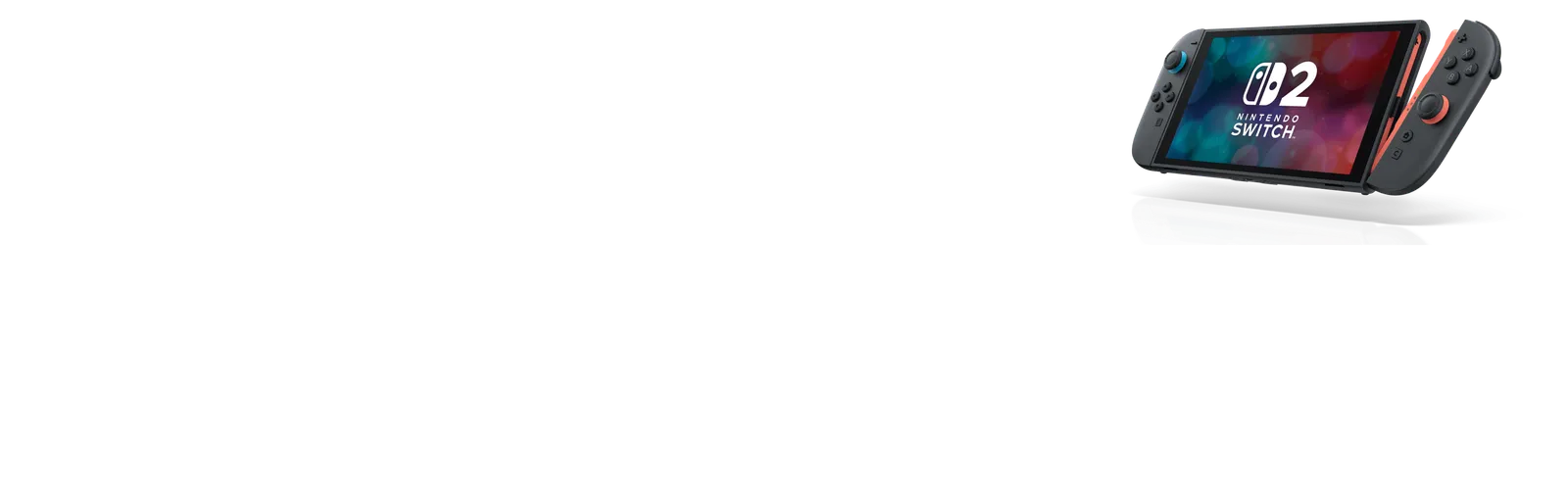
Nintendo just posted the kind of quarter that gets a console called a disappointment, and the numbers back it up. The company sold 2.67 million Switch 2 units in the three months ended September 30, a 41 percent drop from the same quarter a year earlier and a step down from the 3.82 million it moved in the previous quarter. Revenue came in at 448.2 billion yen against analyst expectations of 481.37 billion, and net profit landed at 73.5 billion yen versus 82.16 billion expected. That is a miss on both lines for a machine that launched as the fastest selling console Nintendo has ever shipped. Six months into its second year, the holiday quarter now has to carry a lot of weight.
The numbers behind the miss
Strip out the launch glow and the shape of this year gets ugly fast. Across the first half of the fiscal year Nintendo moved 6.49 million Switch 2 consoles, down from 10.36 million in the same six months a year earlier, according to IGN. Lifetime sales now sit at 26.35 million units with 73.21 million games sold, which Nintendo's own sales data confirms. On paper that is still the best start any Nintendo platform has ever had. In practice it means every future quarter gets compared to a record, and the comparison is not flattering.
The software side is where the real trouble sits. Tomodachi Life: Living the Dream has done 8.81 million, Rhythm Heaven Groove 2.89 million, Splatoon Raiders 2.42 million, Fire Emblem: Fortune's Weave 1.34 million and StarFox 1.17 million. Those are solid numbers for mid tier titles and thin numbers for a platform that needs system sellers. Mario Kart World added 1.78 million across the two quarters. One racing game from launch year cannot hold a console's momentum on its own, and the back half of 2026 has been short on the kind of release that actually moves hardware.
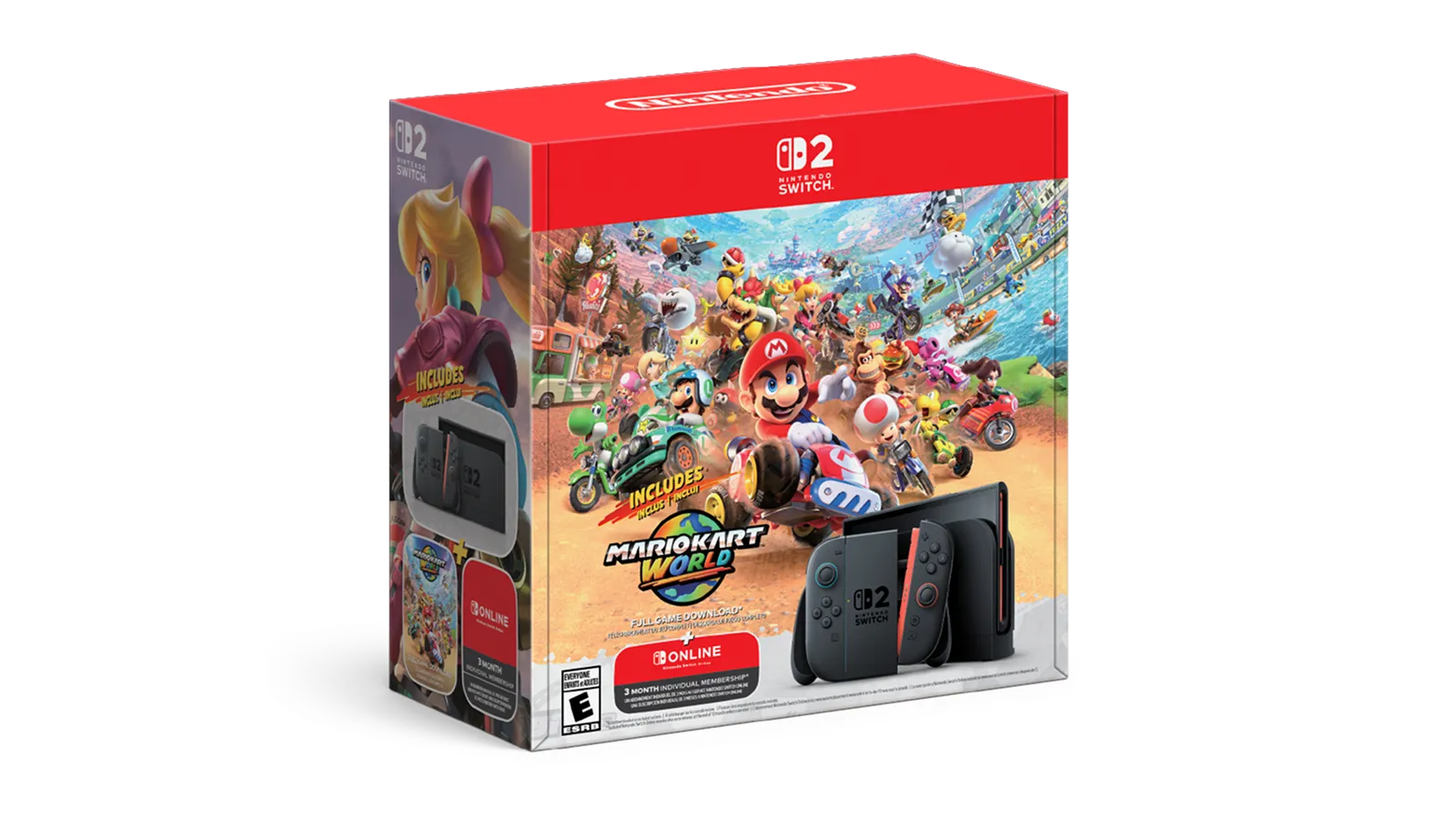
Then there is the price. Nintendo raised Switch 2 costs in the United States, Canada and Japan during the quarter, CNBC reported, a direct response to the memory shortage that has sent RAM prices through the roof. Microsoft and Sony made the same call on their own hardware. This is the component market reaching into your wallet, not a publisher getting greedy for the fun of it. The result is a console that costs more in its second holiday season than it did at launch, going up against an audience that already bought in during the record year.
Furukawa says the memory is there
President Shuntaro Furukawa used the earnings call to shut down two rumors at once. Nintendo has enough memory secured to hit its 16.5 million unit forecast for the fiscal year ending March 2027, and it is not considering another price increase. That target is unchanged from before the quarter, which reads as either confidence or stubbornness depending on how much faith you have in the holiday lineup. Holding a number flat after a 41 percent decline means Nintendo expects the Ocarina of Time remake, which launched Thursday, to do enormous work in November and December.
Analysts are not buying the optimism. Serkan Toto of Kantan Games told CNBC that the Ocarina remake is Nintendo's only genuine blockbuster this fiscal year, and that one remake is not enough to satisfy investors when the hardware is this expensive. He also said selling game hardware is getting harder by the year and only hits help. That is a blunt read from someone who watches the Japanese market closely, and it lines up with a lineup leaning on a 1998 game with new graphics.

The community is not having the doom talk
The reaction on X split hard. Bloomberg's Takashi Mochizuki posted that both hardware and software sales were weak and that analysts think the platform is running out of steam earlier than expected, and the replies came in hot. One account pointed at midnight queues for the Ocarina remake and the console as proof the premise is nonsense. Another accused the press of running a hit piece while Nintendo is doing fine. A third dragged up an older argument that the same reporter had passed personal speculation off as reporting before.
Some of that pushback is cope and some of it is fair. Switch 2 is still ahead of the original Switch at the same point in its life, it just had a launch so enormous that year two was always going to look like a cliff. The midnight lines happened. The 41 percent drop also happened. Both things can be true at once, and the argument online keeps pretending they cannot.
The CriticalPixel take
Nintendo's problem is not that the Switch 2 is failing. Its problem is that it spent a year selling a premium machine on the promise of a pipeline and then leaned on a remake to save the holidays. Price hikes driven by memory costs are outside Nintendo's control. A thin release calendar is not. Tomodachi Life and Rhythm Heaven are lovely games that sell to the audience already on the platform. They do not pull anyone off a PS5. Meanwhile the thing that would actually move units, a proper new 3D Mario or the next mainline Zelda, is a 2027 conversation.
There is a real risk in the price story too. A console that gets more expensive after launch breaks the one advantage Nintendo has always held over Sony and Microsoft. If the next round of memory contracts comes in worse, the 16.5 million forecast becomes a promise the company has to either eat or walk back. Furukawa says no more hikes this fiscal year. That word, fiscal, is carrying a lot of weight in that sentence.
What to watch
The Ocarina of Time remake is the entire holiday plan, and six weeks from now we will know whether it lands. Watch the November and December sales splits. Watch whether the 16.5 million target survives the next earnings update. Watch what Nintendo says about 2027 software, because Pokemon Winds and Pokemon Waves are already confirmed for next year and fans are assuming a new mainline Super Mario arrives alongside them. If that slate slips, this quarter stops looking like a blip and starts looking like a trend.
None of this means the Switch 2 is in the sort of trouble the Wii U was in. It means Nintendo shipped a hit and now has to prove it can follow through. The hardware is fine. The schedule is the story, and the schedule belongs to Nintendo.
Sources
CNBC, Nintendo Switch 2 sales plunge as price hikes and memory crunch bite
IGN Brasil, Nintendo rules out further Switch 2 price rises as sales and profit fall
Nintendo IR, Dedicated video game sales units as of September 30 2026
Takashi Mochizuki on X, Nintendo second quarter earnings miss